
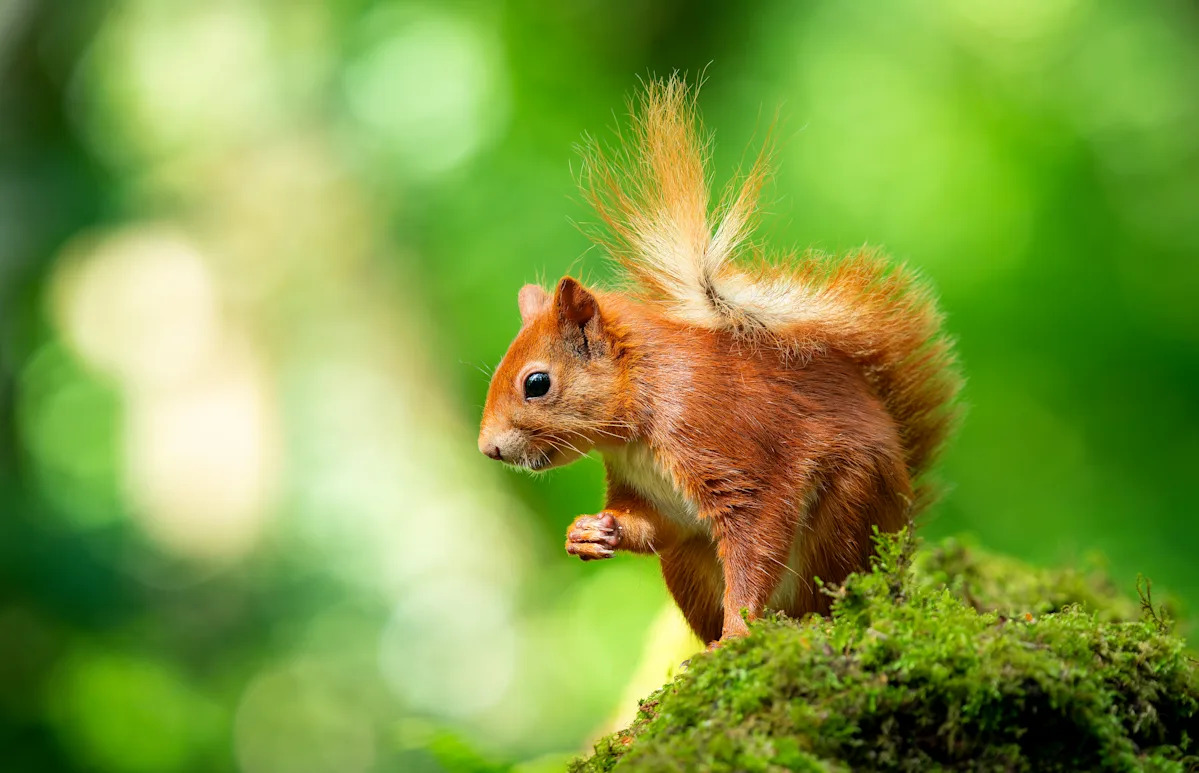
Squirrels have their charm, no doubt—with their playful antics, they’re a pleasure to watch. Yet, when it comes to your garden, their shenanigans can turn costly. From nibbling on plants to uprooting your carefully tended lawn in search of acorns and more.
To help you safeguard your garden, we’ve handpicked 17 plants. Squirrels tend to avoid these plants due to their taste, smell, or texture.
Galanthus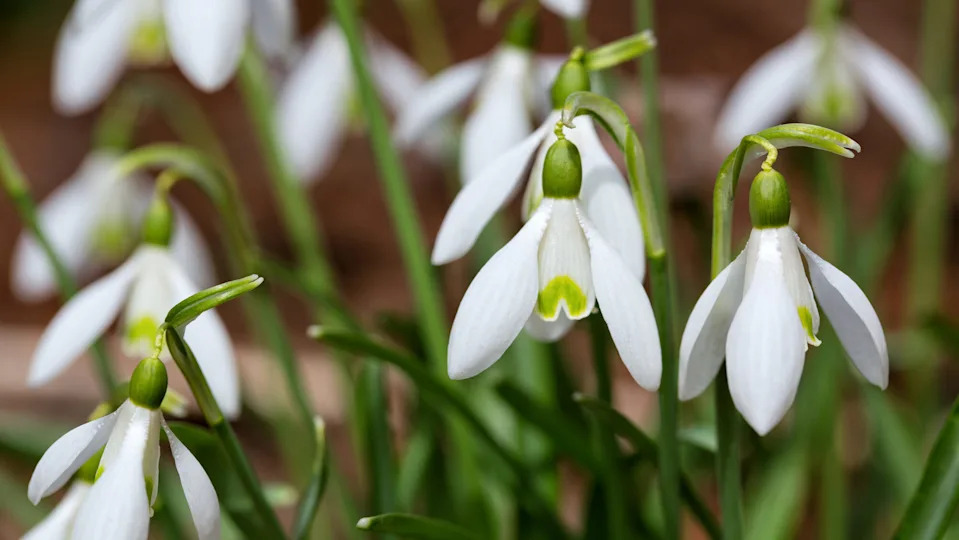
Image Credit: Deposit Photos
Galanthus, commonly known as Snowdrops, are among the first flowers to bloom in late winter, signaling the approach of spring. These delicate, white flowers thrive in well-drained soil and can often be seen poking through snow or frost. They are known for deterring squirrels, as their presence is often enough to keep them out of the garden.
Mint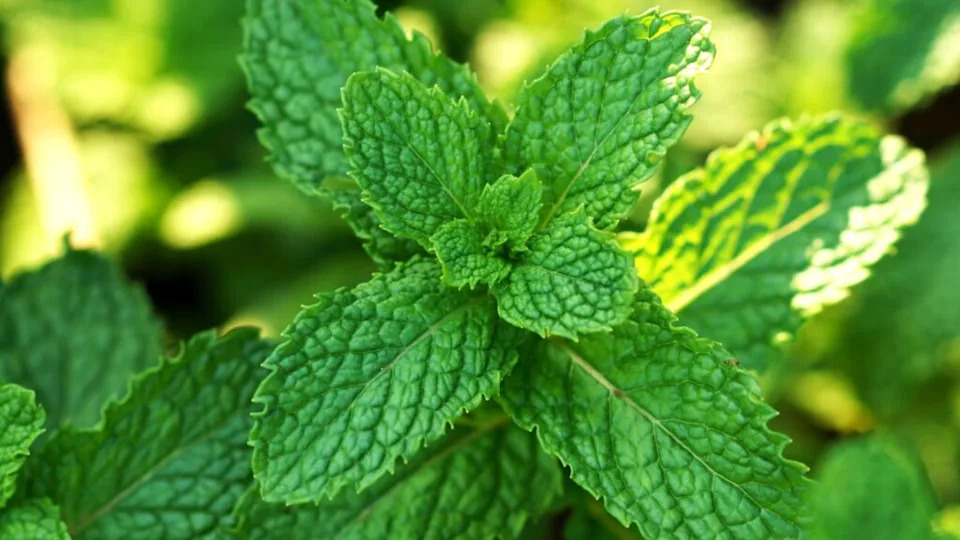
Image Credit: Deposit Photos
While many use mint for morning tea or evening mojito cocktails, squirrels despise this plant. Mint does well when planted in moist, well-drained soil. It spreads fairly easily, so growing it in containers is often recommended to prevent it from overtaking other garden plants.
Hyacinth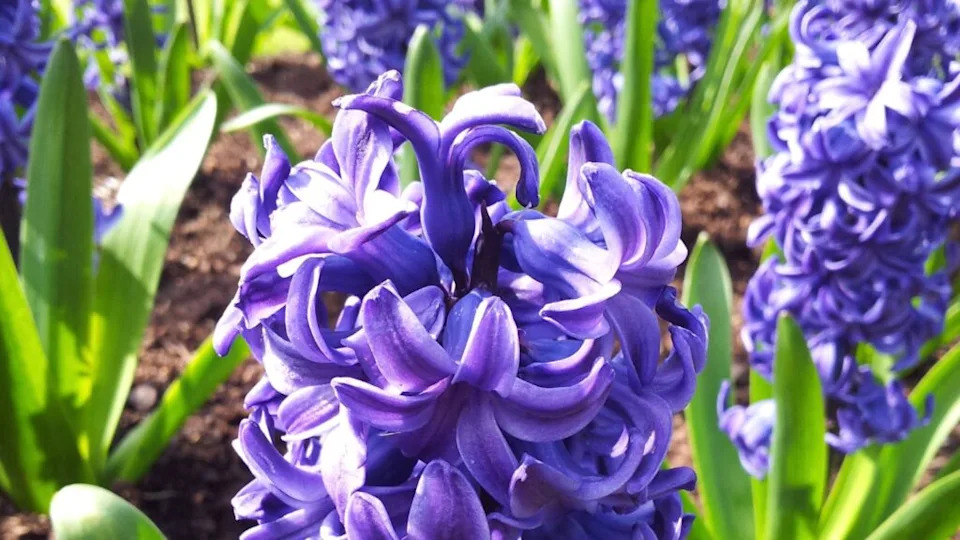
Image credit: The wub, CC BY-SA 3.0 via Wikimedia Commons
With care, you’ll enjoy beautiful and fragrant hyacinth blooms in spring. They can be grown indoors by forcing the bulbs or planted outdoors in well-drained soil. Available in various colors, from pink to blue to white, they add a splash of color and a sweet scent to gardens and indoor settings alike.
Overall, hyacinths are less enticing to squirrels, offering a natural deterrent in your garden.
Geranium
Geraniums are colorful flowering plants that add beauty to your garden and help repel mosquitoes. Geraniums are easy to care for and grow well in pots or gardens.
Marigold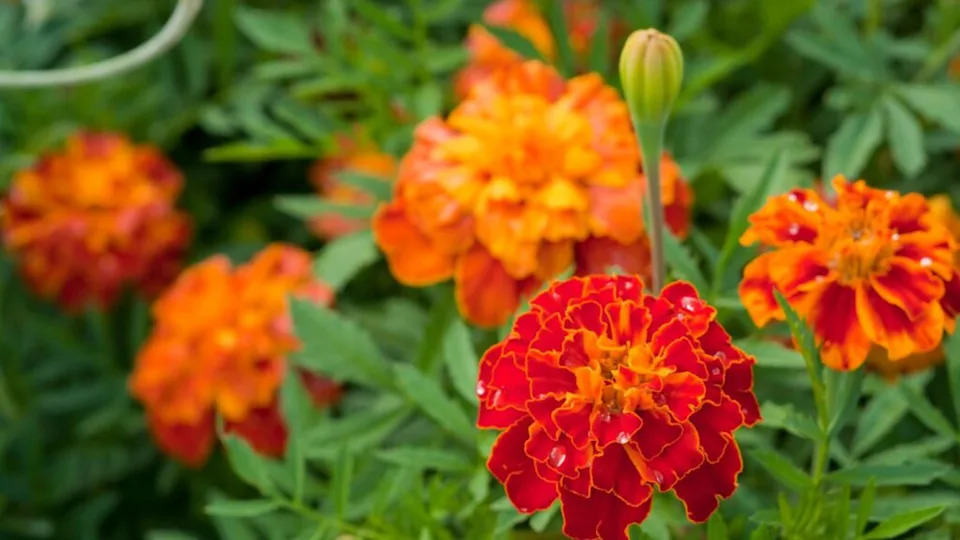
Image Credit: Deposit Photos
Marigold plants are bountiful, rich, colorful flowers that can deter squirrels. These hardy flowers are easy to grow and require full sun to bloom.
Incorporating these flowers into your garden bed will beautify your space and help keep squirrels away.
Bougainvillea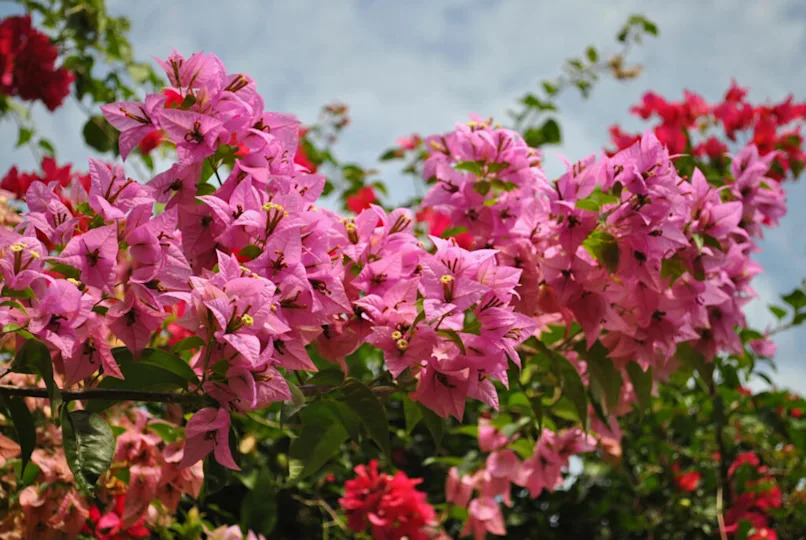
Image Credit: Deposit Photos
Bougainvillea is a tropical plant celebrated for its lush, colorful bracts and vigorous growth. It can be grown as a vine, shrub, or ground cover. While it flourishes in full sun and requires regular watering, it’s surprisingly resilient in deterring squirrels.
Bleeding Heart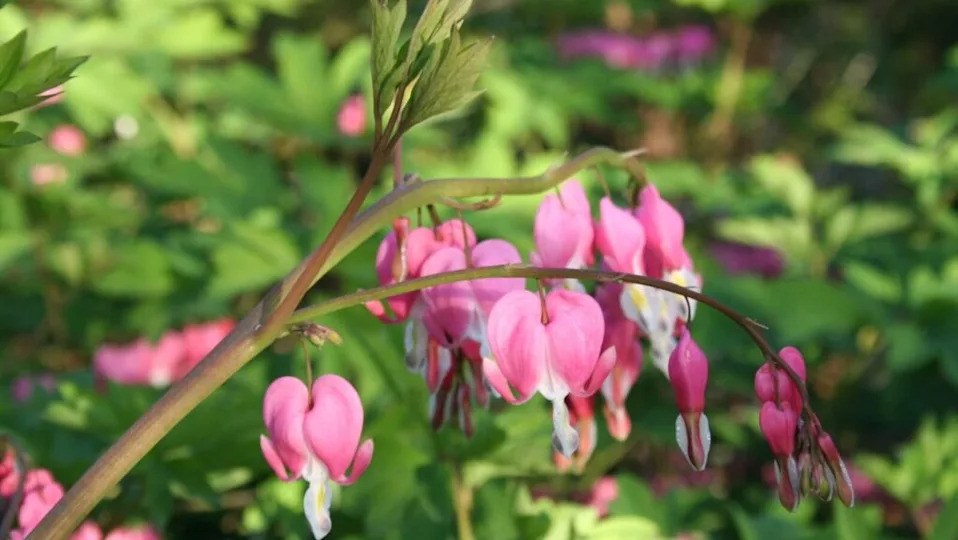
Image Credit: SterlingHerron, CC0, via Wikimedia Commons
Known for its heart-shaped flowers on arching stems, Bleeding Heart is a beautiful addition to shady spots. This plant requires rich, well-drained garden soil that doesn’t dry out. It is the longest blooming of all the perennials and grows up to 15 inches. Zones 3-9
Oregano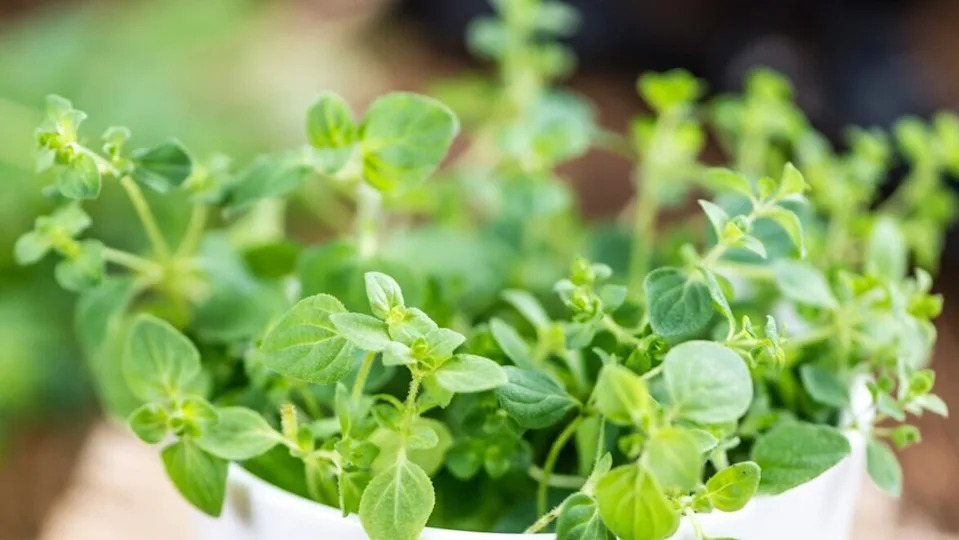
Image credit: Deposit photos
One of the big appeals of oregano is that it can easily be grown in a container. It also offers a wonderful aroma that makes any outdoor space all the more inviting. The herb’s strong fragrance can deter garden pests, including squirrels, adding a layer of protection to your garden.
Alliums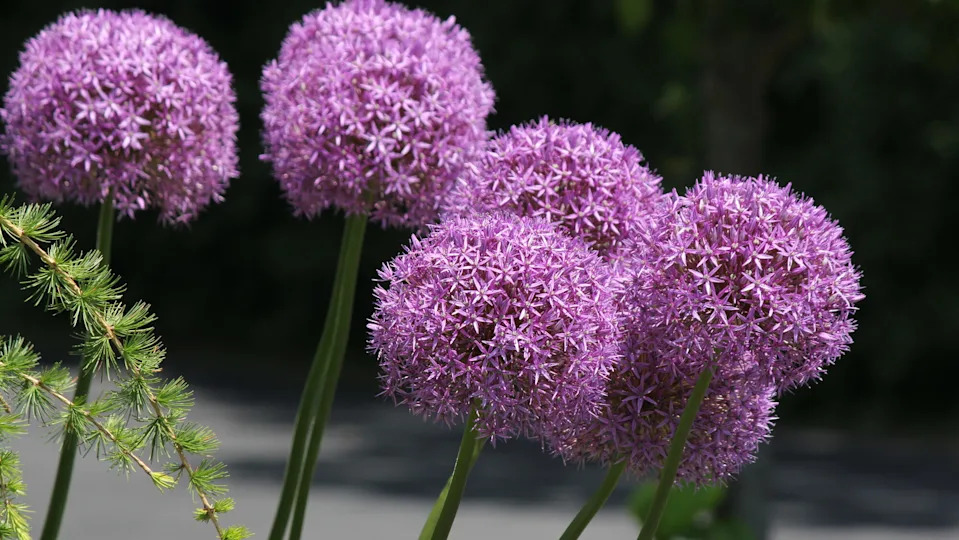
Image Credit: Deposit Photos
Alliums are striking ornamental bulbs known for their gorgeous blooms atop tall, slender stalks. These plants add dramatic height and visual interest to garden beds and borders. Alliums are easy to grow and require minimal maintenance. Their intense scent tends to repel squirrels and other garden pests, making them an effective natural deterrent.
Rosemary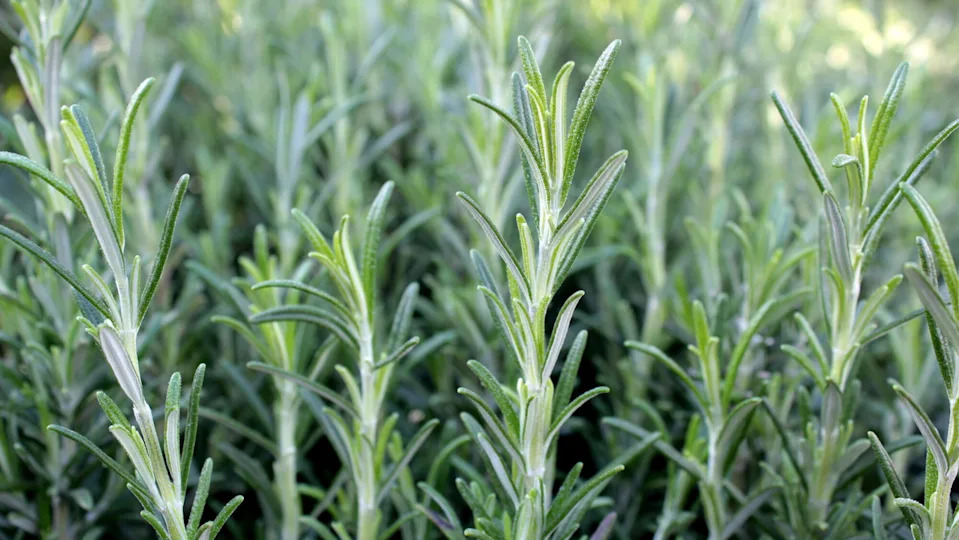
Image Credit: Deposit Photos
Grown as a flowering plant and a cooking herb, rosemary is another herb well-suited for growing in containers and can be placed in small containers among your other crops. Rosemary’s strong aroma deters squirrels and other pests, while its flowers attract pollinators, offering a blend of utility and beauty.
How to Dry Rosemary
Daffodil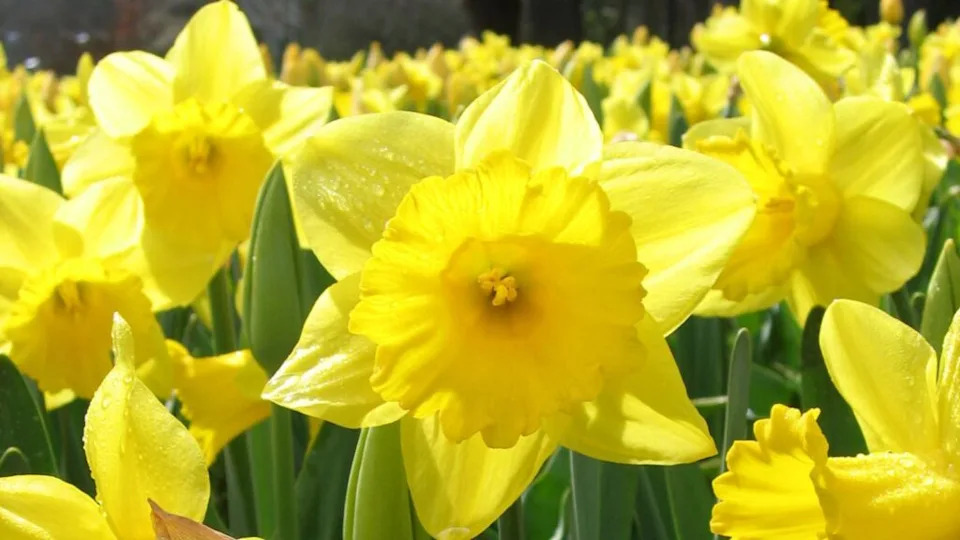
Image credit: John O’Neill, CC BY-SA 3.0 via Wikimedia Commons
The quintessential sign of spring, daffodils bring vibrant yellow, orange, and white blooms to your garden. They enjoy full to partial shade and well-drained soil, growing up to 30 inches tall.
Daffodils contain toxic compounds that can naturally deter squirrels from the area. Planting daffodils around the perimeter of your garden can provide a protective barrier that is as effective as it is beautiful.
Catnip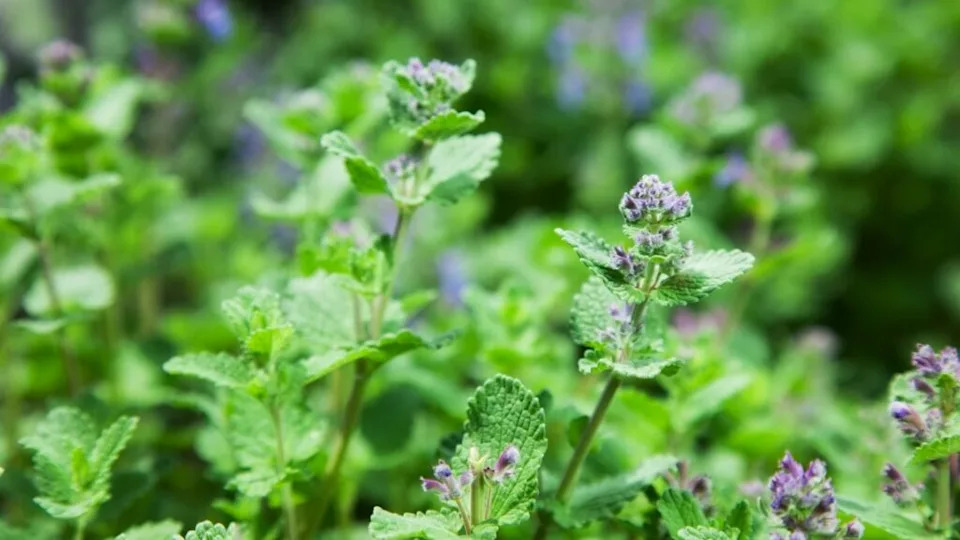
Image Credit: Deposit Photos
Catnip is famous for its intoxicating effect on cats. While catnip can attract an array of neighborhood cats, its ability to repel squirrels and other pests makes it a valuable addition to any garden. This easy-to-grow herb can be invasive, so it’s often best contained in pots or designated garden areas.
Fritillaries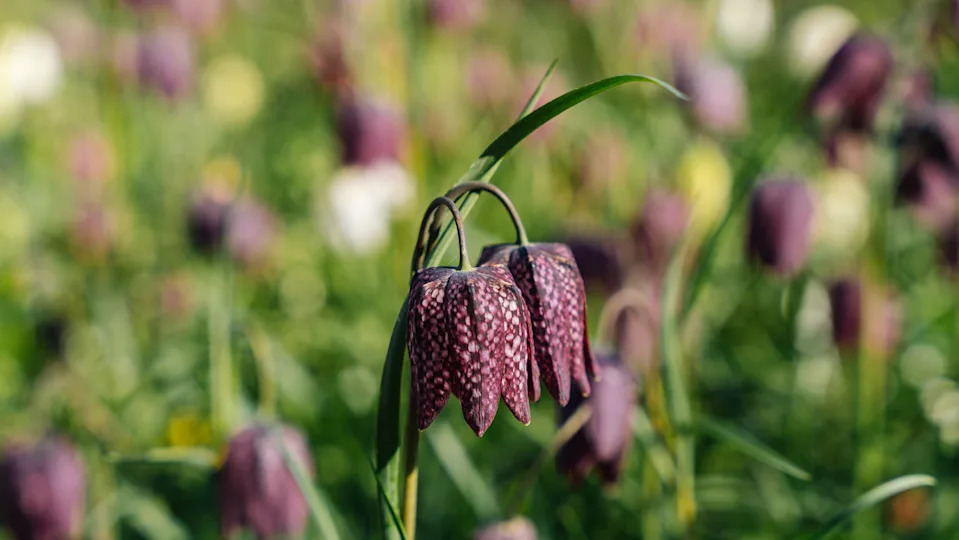
Image Credit: Deposit Photos
Fritillaries are unique, bell-shaped flowers known for their checkered patterns. They prefer cool, well-drained soil and partial shade, making them suitable for woodland gardens or shaded areas. They are known for their ability to repel squirrels and other rodents.
Lily of the Valley
Lily of the Valley is a delicate, bell-shaped flower with a sweet fragrance. This perennial thrives in shaded, moist areas, ideal for woodland or shaded garden corners. This beauty naturally deters squirrels and other wildlife.
Cayenne Pepper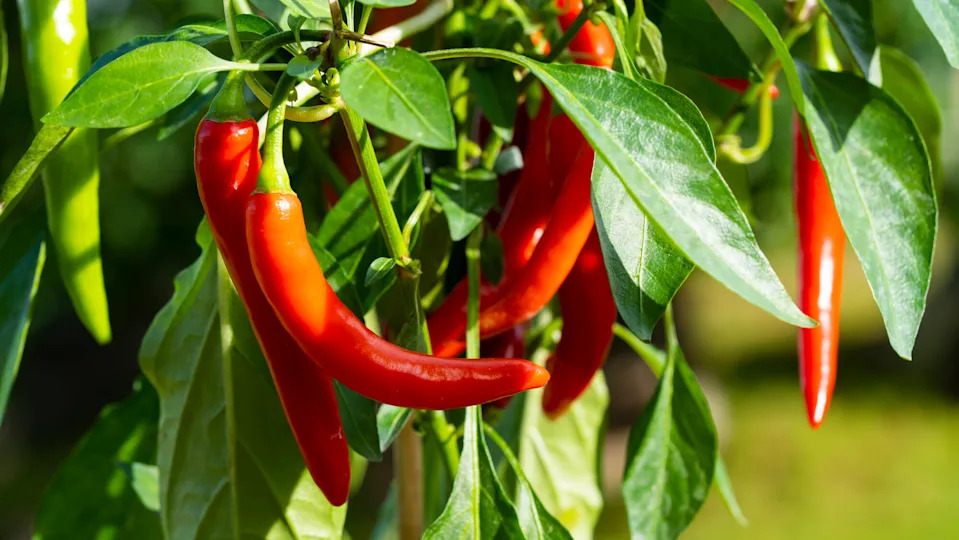
Image Credit: Deposit Photos
Cayenne pepper plants bring both culinary spice and pest deterrence to the garden. They thrive in full sunlight, need well-drained soil, and should be watered regularly.
Comments are closed.