
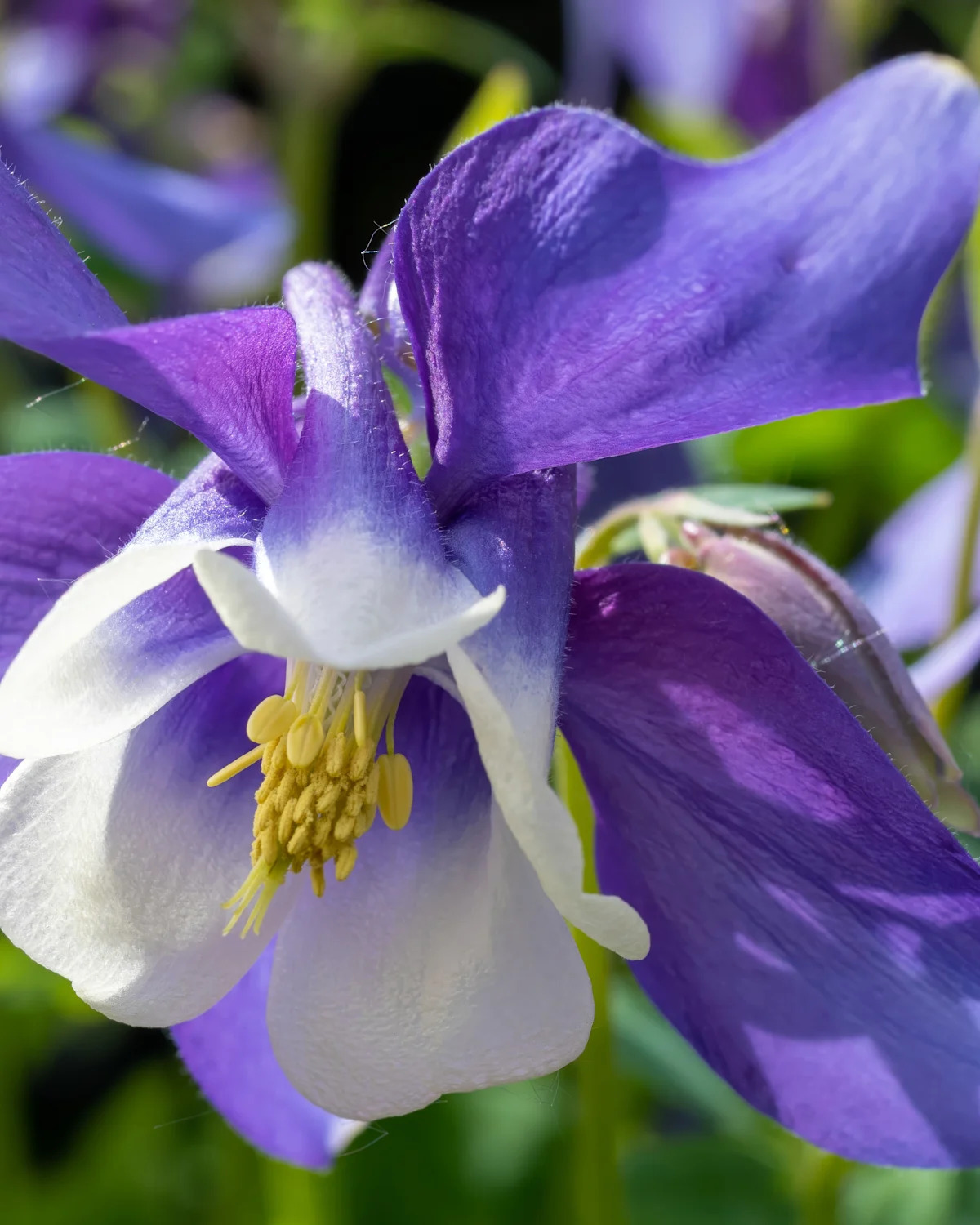
Incorporating purple perennial flowers into your garden is an excellent way to introduce vibrant color accents. These perennials return each year, offering delightful anticipation with each season. Their deep, lush hues create a unique, lively atmosphere in your garden.
For those considering purple perennials, you won’t be disappointed. Here’s a list of 16 varieties that can add brightness to your garden.
Bellflower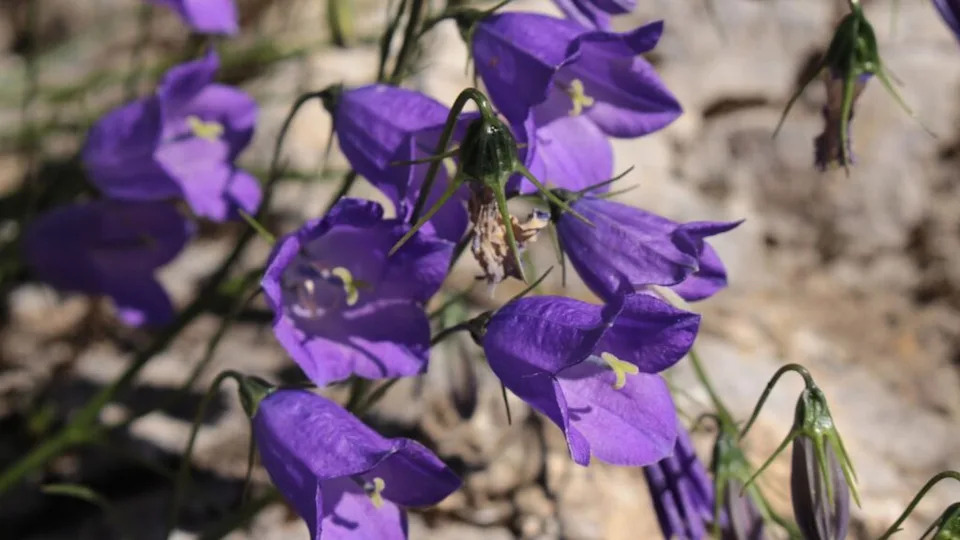
Image Credit: Deposit Photos
Bellflowers boast beautiful bell-shaped flowers in shades of blue, purple, and white. They’re perfect for adding a splash of color to sunny borders and attracting pollinators with their nectar-rich blooms.
Alliums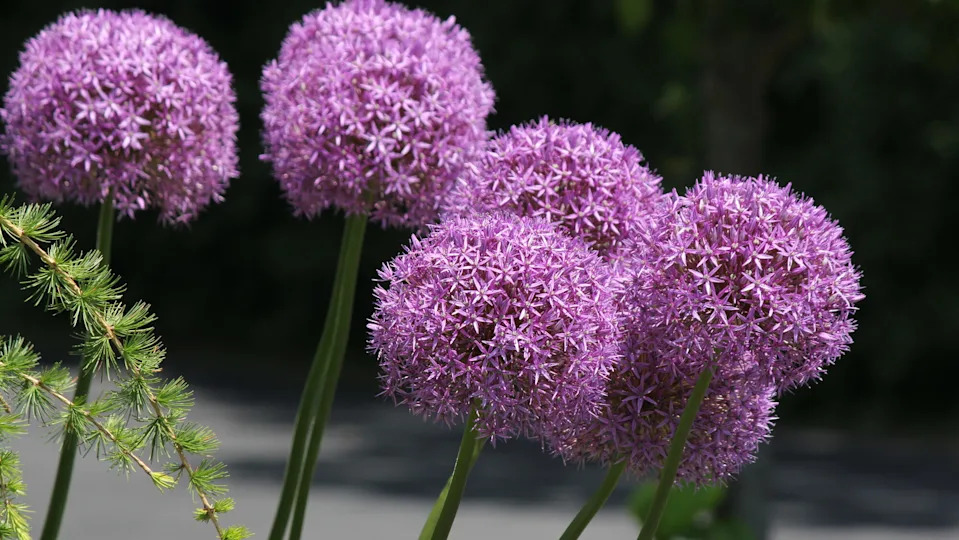
Image Credit: Deposit Photos
Alliums are striking ornamental bulbs known for their gorgeous blooms atop tall, slender stalks. These plants add dramatic height and visual interest to garden beds and borders.
Alliums are easy to grow and require minimal maintenance. Their intense scent tends to repel squirrels and other garden pests, making them an effective natural deterrent.
Catmint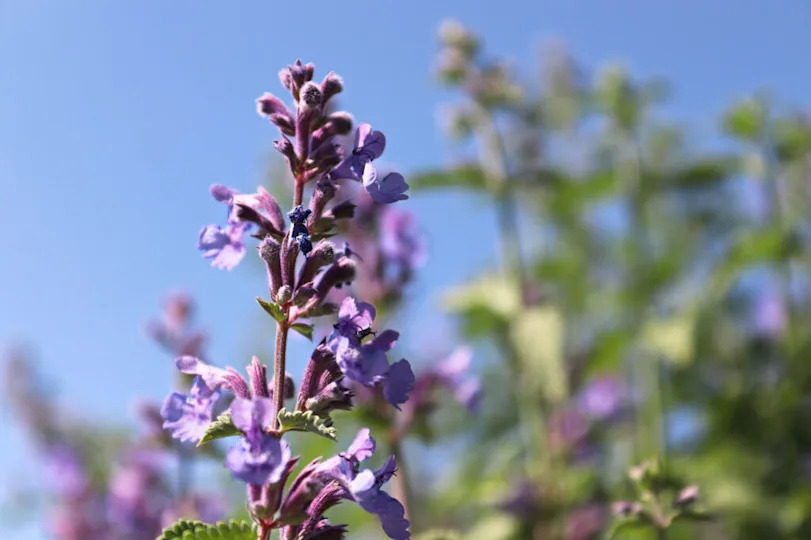
Image Credit: Deposit Photos
Catmint produces beautiful flowers throughout the summer. It’s easy to grow, drought-tolerant, and thrives in full sun to partial shade. Deer despise the smell and will avoid this perennial.
Agastache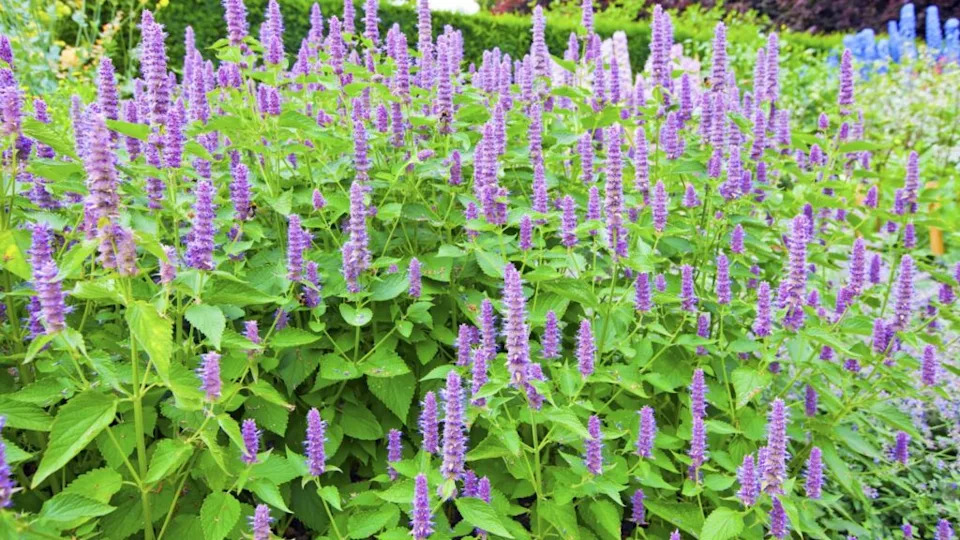
Image Credit: Deposit Photos
Agastache is a favorite among bees, hummingbirds, and butterflies. It features tall spikes of fragrant purple, pink, and orange flowers. Agastache requires full sun and well-drained soil. This plant is fairly pest-free and will bloom through summer. Zones 4-10
Hydrangeas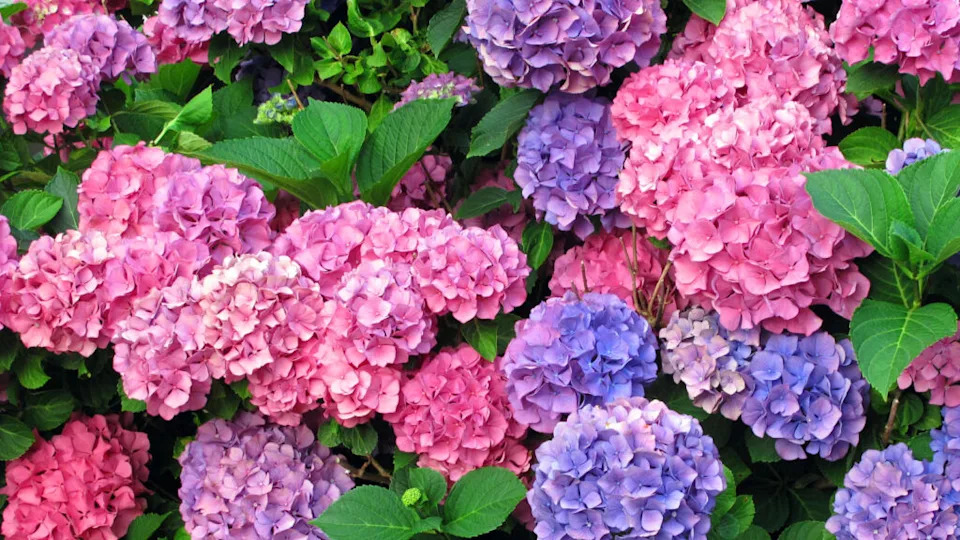
Image Credit: Deposit Photos
Known for their large blooms, which resemble the lushness of roses when clustered, hydrangeas vary widely in color depending on soil pH. They prefer morning sun and afternoon shade and moist, rich, well-drained soil.
While not roses, they do bring that rose-like feel to the garden and are popular among gardeners on their own.
Columbine (Aquilegia Canadensis)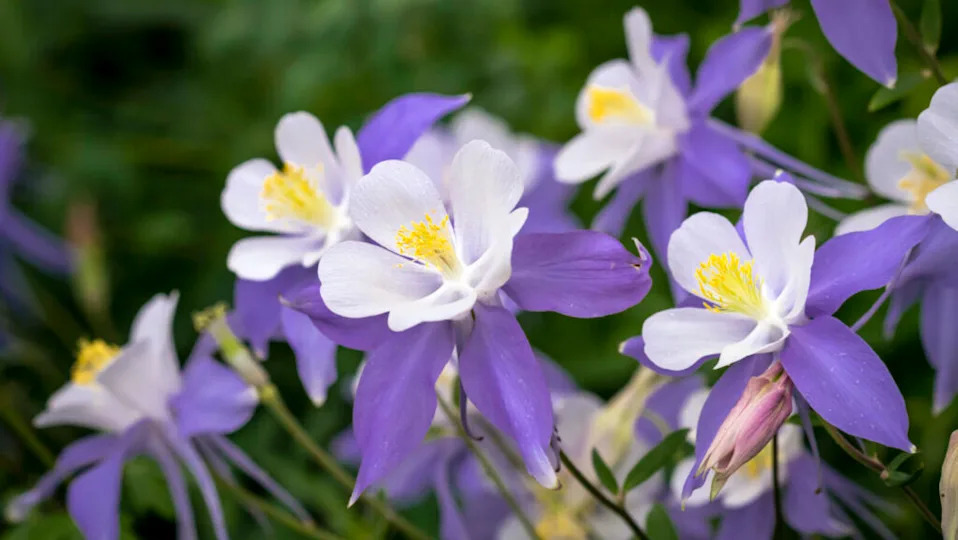
Image Credit: Deposit Photos
Columbine is a perennial with bright flowers contrasting against dark, clover-shaped leaves. Available in various colors, including two-tone, its unique bell-shaped flowers with five spurs catch the eye. Ideal for slopes, ledges, or open garden spaces, Columbine adds beauty, attracts wildlife, and deters deer.
Salvia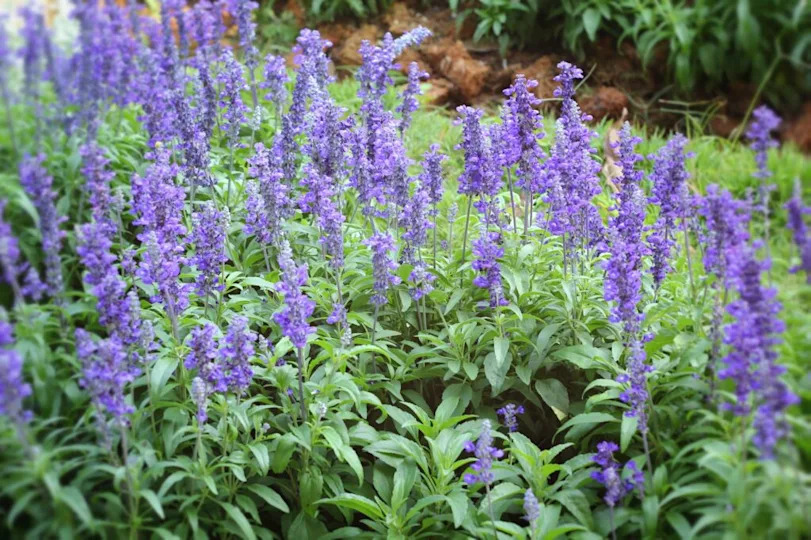
Image Credit: Deposit Photos
Salvia plants are known for spikes of purple flowers. They are drought-tolerant and prefer full sun.
Hyacinth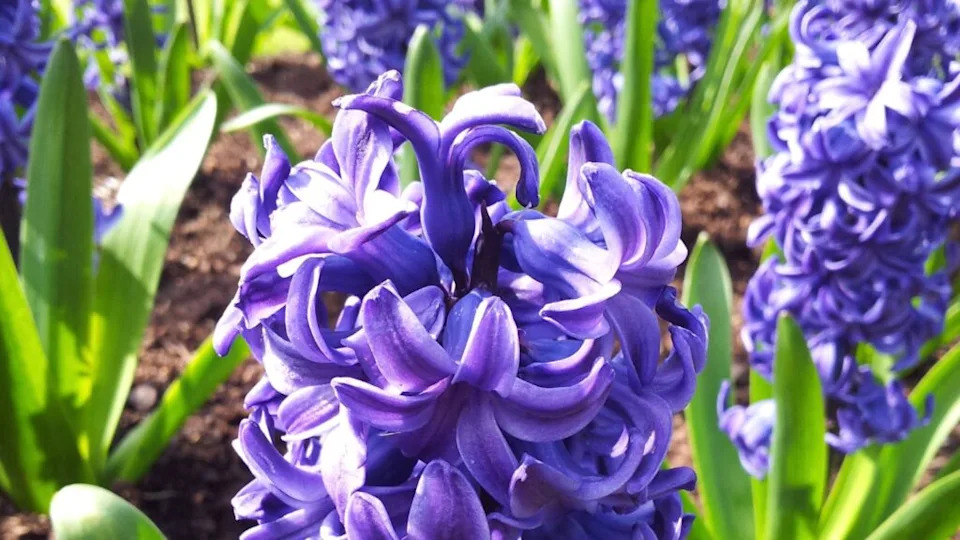
Image credit: The wub, CC BY-SA 3.0 via Wikimedia Commons
With care, you’ll enjoy beautiful and fragrant hyacinth blooms in spring. They can be grown indoors by forcing the bulbs or planted outdoors in well-drained soil. Available in various colors, from pink to blue to white, they add a splash of color and a sweet scent to gardens and indoor settings alike.
Lungwort (Pulmonaria)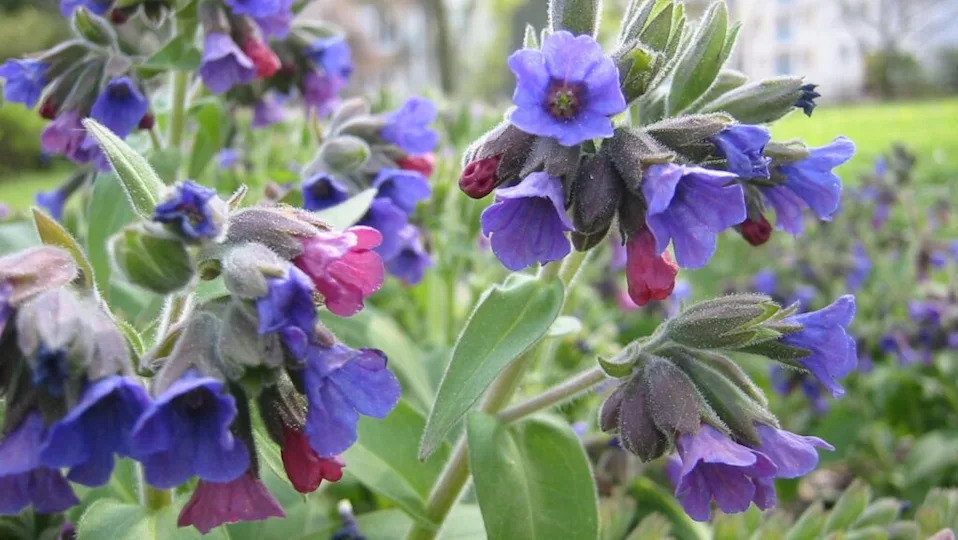
Image Credit: DHochmayr, Public domain, via Wikimedia Commons
Lungwort is a deer-resistant, shade-loving perennial that blooms in early spring. The plant’s textured, hairy leaves deter deer, making it ideal for enhancing shady areas of the garden with minimal risk of deer damage.
Foxglove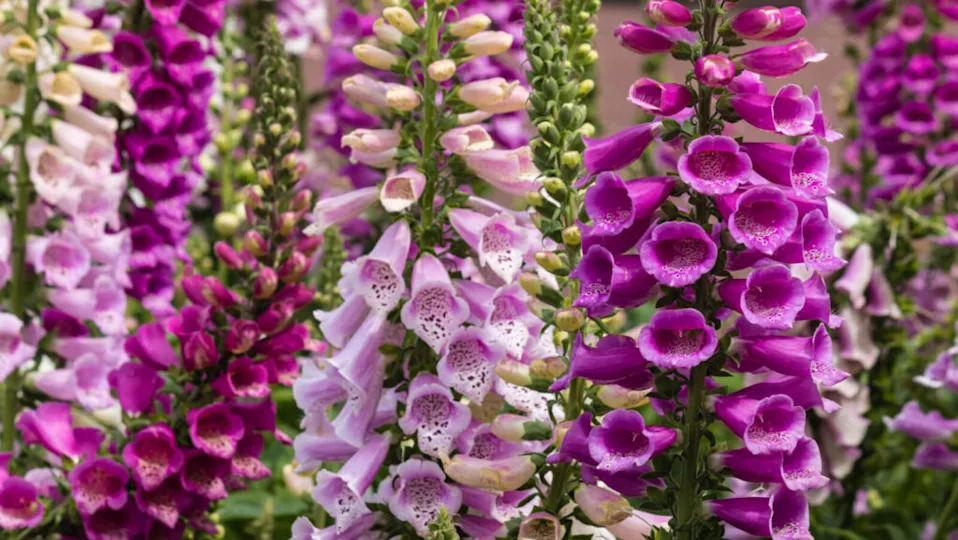
Image Credit: Deposit Photos
Foxglove has tall spikes of bell-shaped flowers, perfect for adding height to shaded gardens. Blooms late spring to early summer. Zones 4-10
Clematis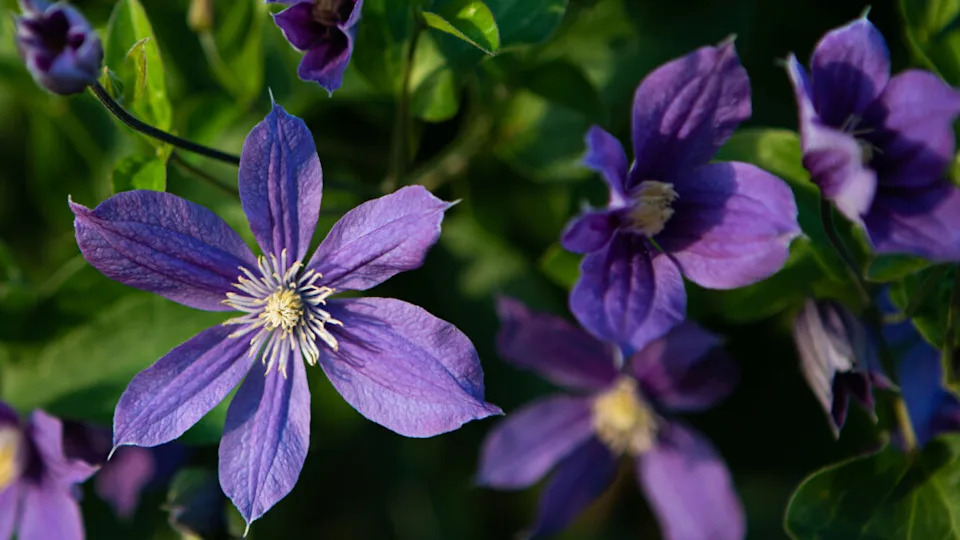
Image Credit: Deposit Photos
Clematis has striking, vivid purple flowers. This perennial prefers full sunlight and requires moderate watering.
Fritillaries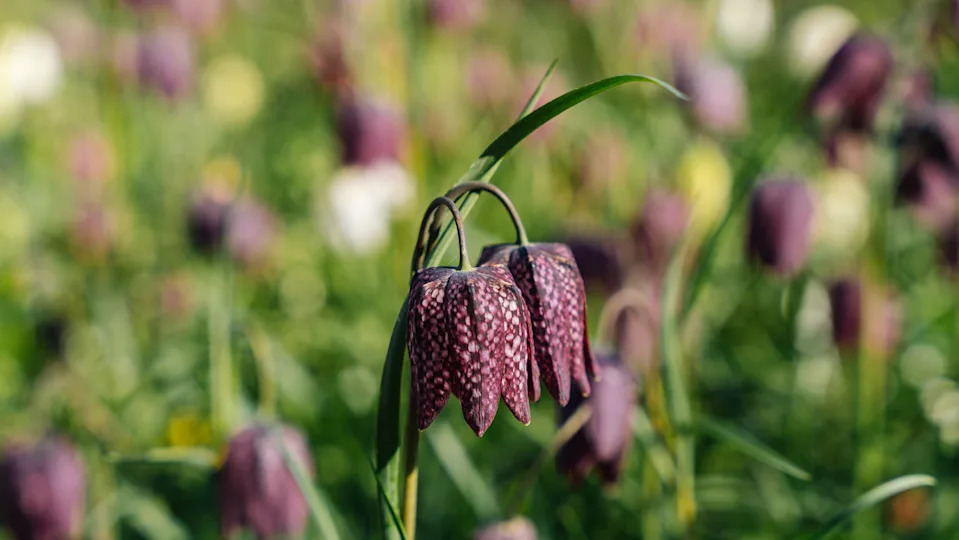
Image Credit: Deposit Photos
Fritillaries, with their unique bell-shaped and checkered patterned flowers, thrive in cool, well-drained soil and partial shade. They are ideal for woodland gardens or other shaded spots and are noted for deterring squirrels and other rodents.
Although gardeners often grow Fritillaria imperialis as an annual, these bulbs can rebloom as perennials under the right conditions.
Aster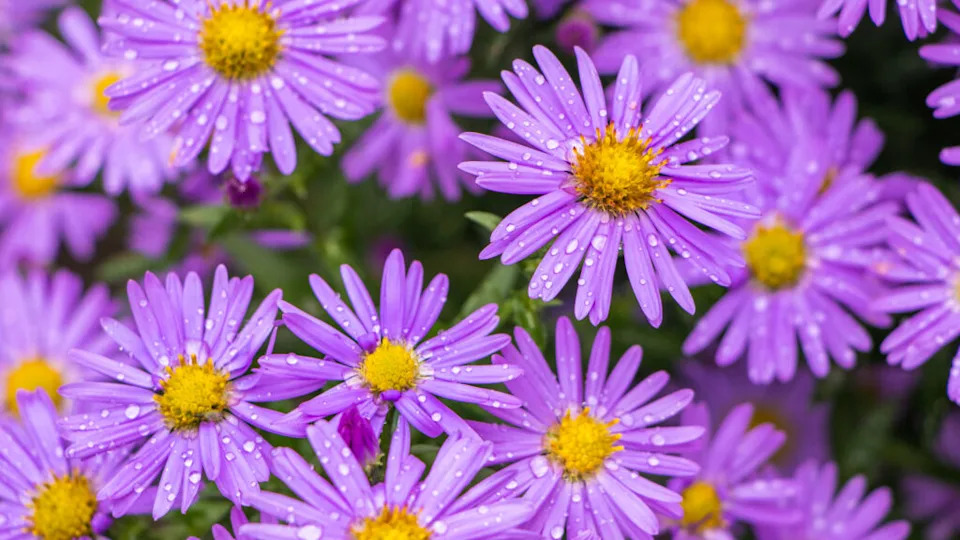
Image Credit: Deposit Photos
Asters are available in various shades of purple, pink, and yellow. These flowers attract pollinators and are perfect for fall gardens.
Phlox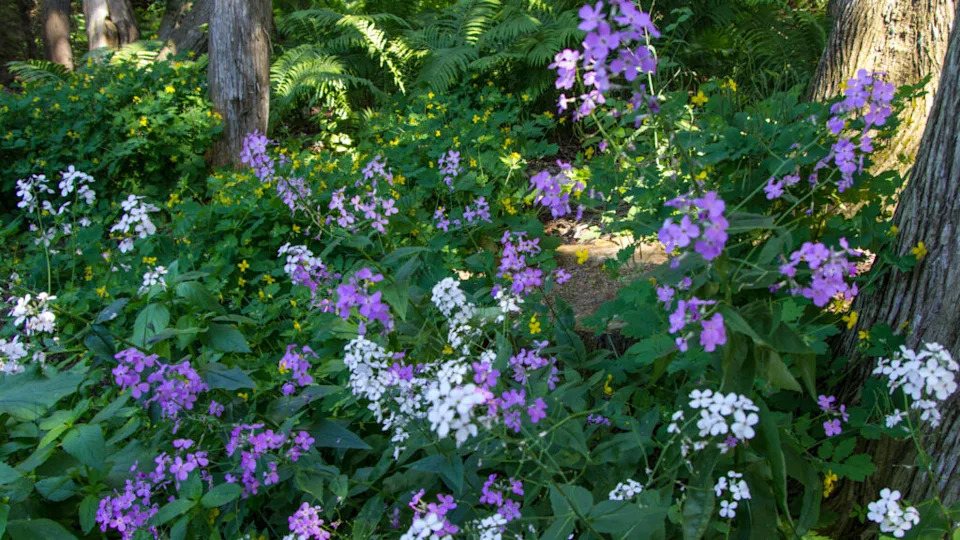
Image Credit: Deposit Photos
Phlox blooms are classic garden plants with a sweet fragrance that is irresistible to bees. It comes in many colors, including purple, white, and pink.
False Indigo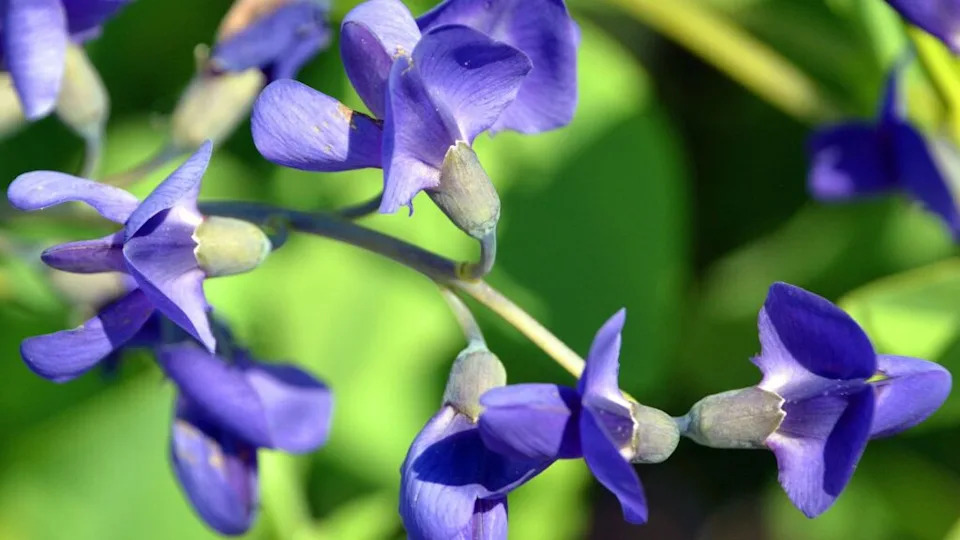
Image Credit: Deposit Photos
Known for its striking spikes of brilliant purple-ish blue color, False Indigo is a robust plant that thrives in the sun. This plant is practically indestructible, so it is best planted in well-drained soil where you want it to stay for a long time. Zones 3-9
Comments are closed.