
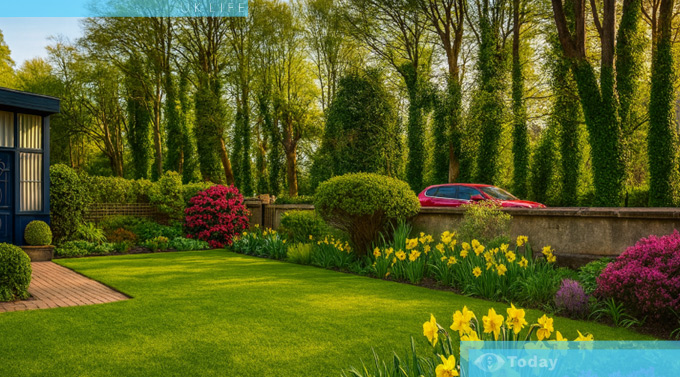
Low-effort approach to lawns and planting is gaining traction as gardeners rethink tradition
Forget pristine lawns and constant pruning — a new “lazy gardening” trend is flipping everything people thought they knew about a well-kept outdoor space.
The low-intervention approach, which encourages gardeners to step back and let nature take the lead, is rapidly gaining popularity among sustainability advocates and green-fingered beginners alike.
According to Patrick Martin of Frantoio Grove, the idea isn’t about neglect — it’s about working smarter.
“People hear ‘lazy gardening’ and assume it means not caring,” he explains. “But it’s actually very deliberate. You’re choosing to work with natural processes rather than constantly fighting against them.”
What “lazy gardening” actually means
At its core, the trend is about reducing unnecessary вмешion (intervention) — swapping high-maintenance habits for more natural alternatives.
That might include mowing less often, leaving fallen leaves to decompose, avoiding chemical treatments or choosing hardy, native plants that thrive with minimal input.
It’s a shift away from perfection — and towards resilience.
Why doing less can mean healthier soil
One of the biggest benefits lies beneath the surface.
Soil isn’t just dirt — it’s a living ecosystem filled with microbes, fungi and insects that support plant growth. Constant digging, clearing and chemical use can disrupt that delicate balance.
“When you disturb the soil too much, you’re damaging the very systems that help plants thrive,” Martin says, pointing to the importance of fungal networks that deliver nutrients directly to roots.
Simple changes — like leaving grass clippings behind or letting organic matter break down naturally — can gradually improve soil health, structure and moisture retention.
A win for wildlife
A perfectly manicured garden might look neat, but ecologically it offers very little.
Letting grass grow longer, allowing wildflowers like dandelions and clover to bloom, or leaving stems over winter can dramatically improve biodiversity — giving insects, birds and small animals the shelter and food they need.
Campaigns like No Mow May have helped push this idea into the mainstream, showing how even small changes can boost pollinator populations.
“Some of the best things you can do for wildlife cost nothing,” Martin adds. “Leave a patch unmowed or plant a few pollinator-friendly species — it all adds up.”
Why the trend is taking off now
The rise of lazy gardening reflects a wider shift in how people think about outdoor spaces.
Growing environmental awareness, rising maintenance costs and busier lifestyles have all made the idea of a lower-effort garden more appealing.
And perhaps most importantly, gardeners are starting to question whether all that work was ever necessary in the first place.
“When you realise over-managing can actually harm your garden,” Martin says, “the appeal of doing less becomes obvious.”
How to try it yourself
The good news? You don’t need to overhaul your entire garden overnight.
Start small — leave one patch of lawn unmowed, swap a high-maintenance plant for a native alternative, or ditch chemical treatments for a season and see what happens.
Because if this trend proves anything, it’s that sometimes the best thing you can do for your garden… is absolutely nothing.
Comments are closed.