
 Wachirawit Iemlerkchai//Getty Images1Holiday Cactus
 Moelyn Photos//Getty Images
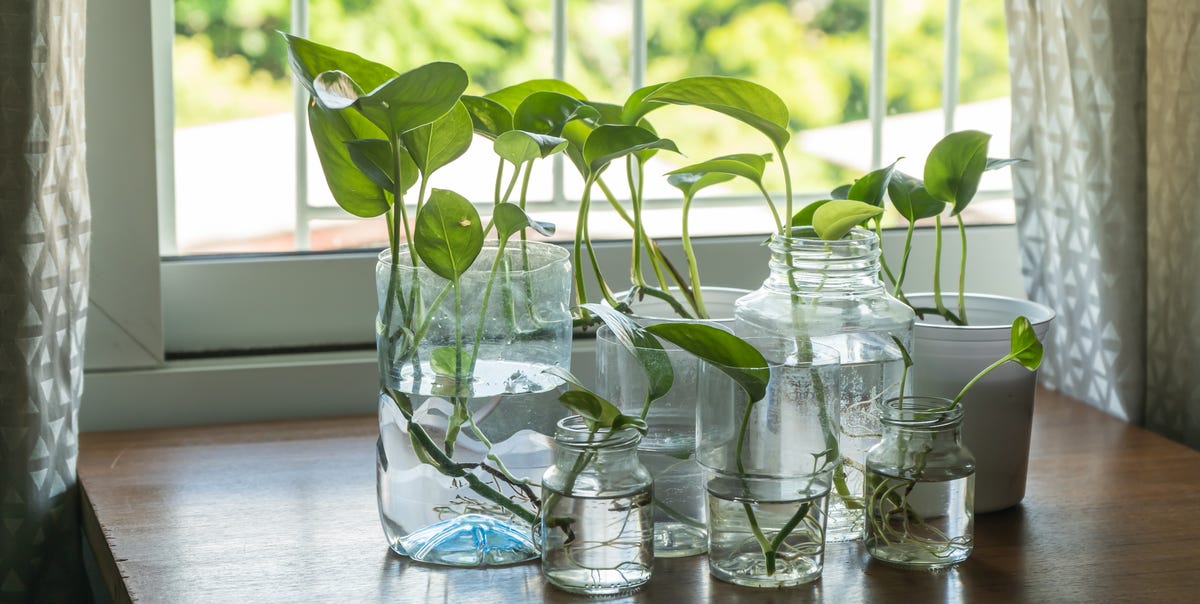
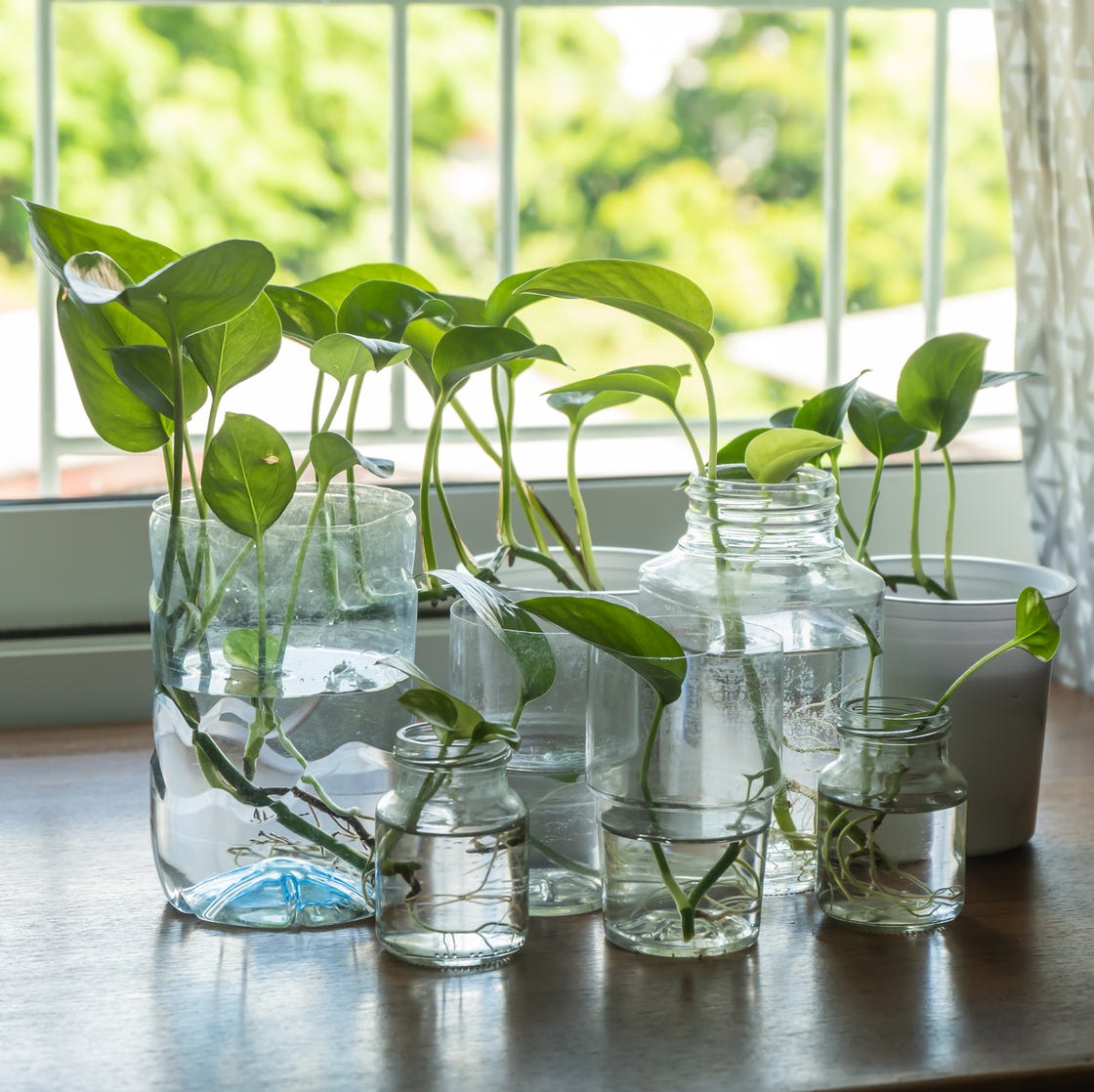
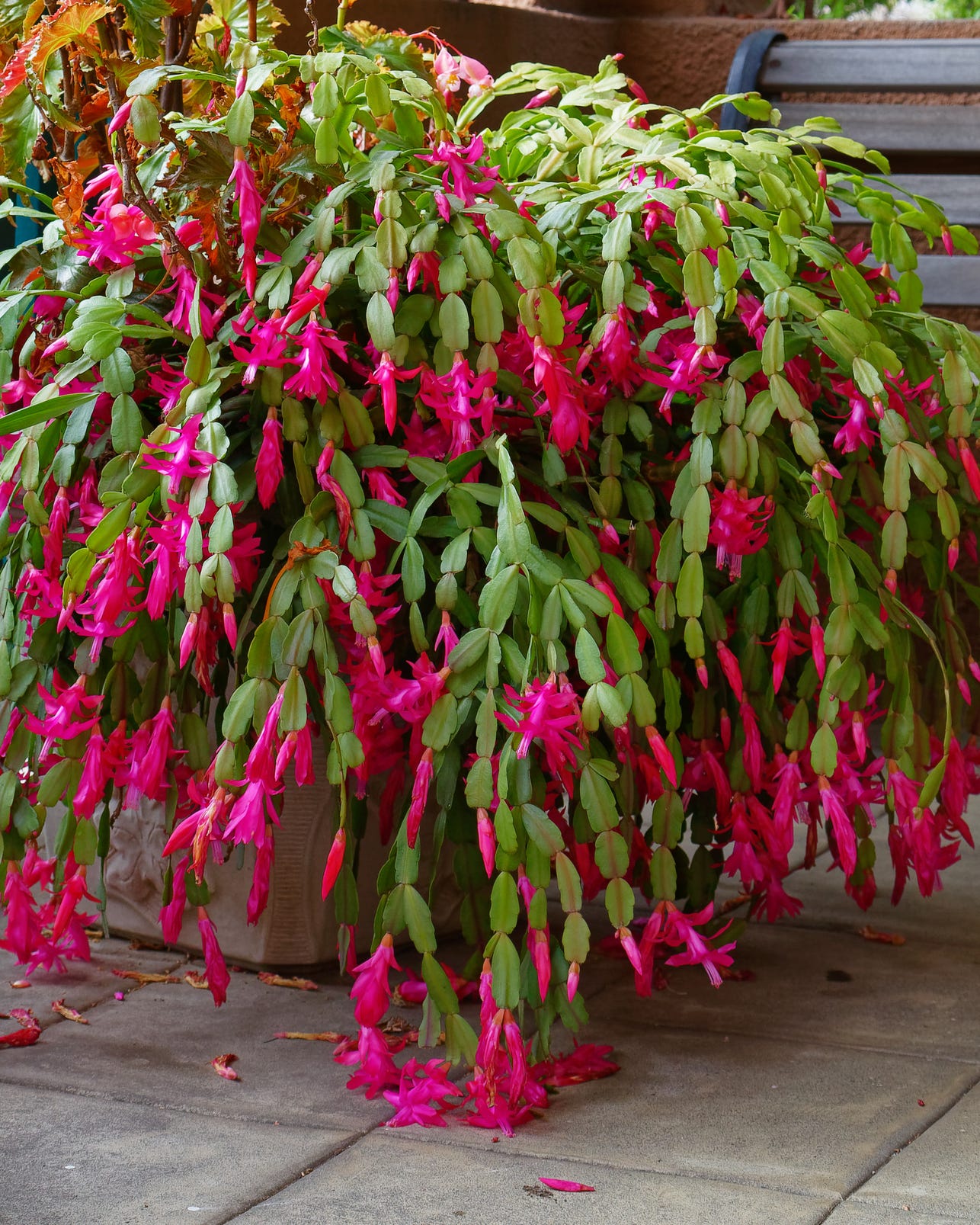
Holiday cacti, such as Thanksgiving cactus, Christmas cactus, and Easter cactus are long-lived plants, thriving for decades. They’re the ultimate pass-along plant. To propagate, cut off a length of 2-3 flattened stem segments, allowing them to “callus” or dry overnight, then press into moist potting mix. Place several cuttings in the same pot to fill it out more quickly.
Light: Bright, indirect light
Water: Allow to dry out slightly between waterings.
Read more:How to Tell a Thanksgiving and Christmas Cactus Apart
2Pothos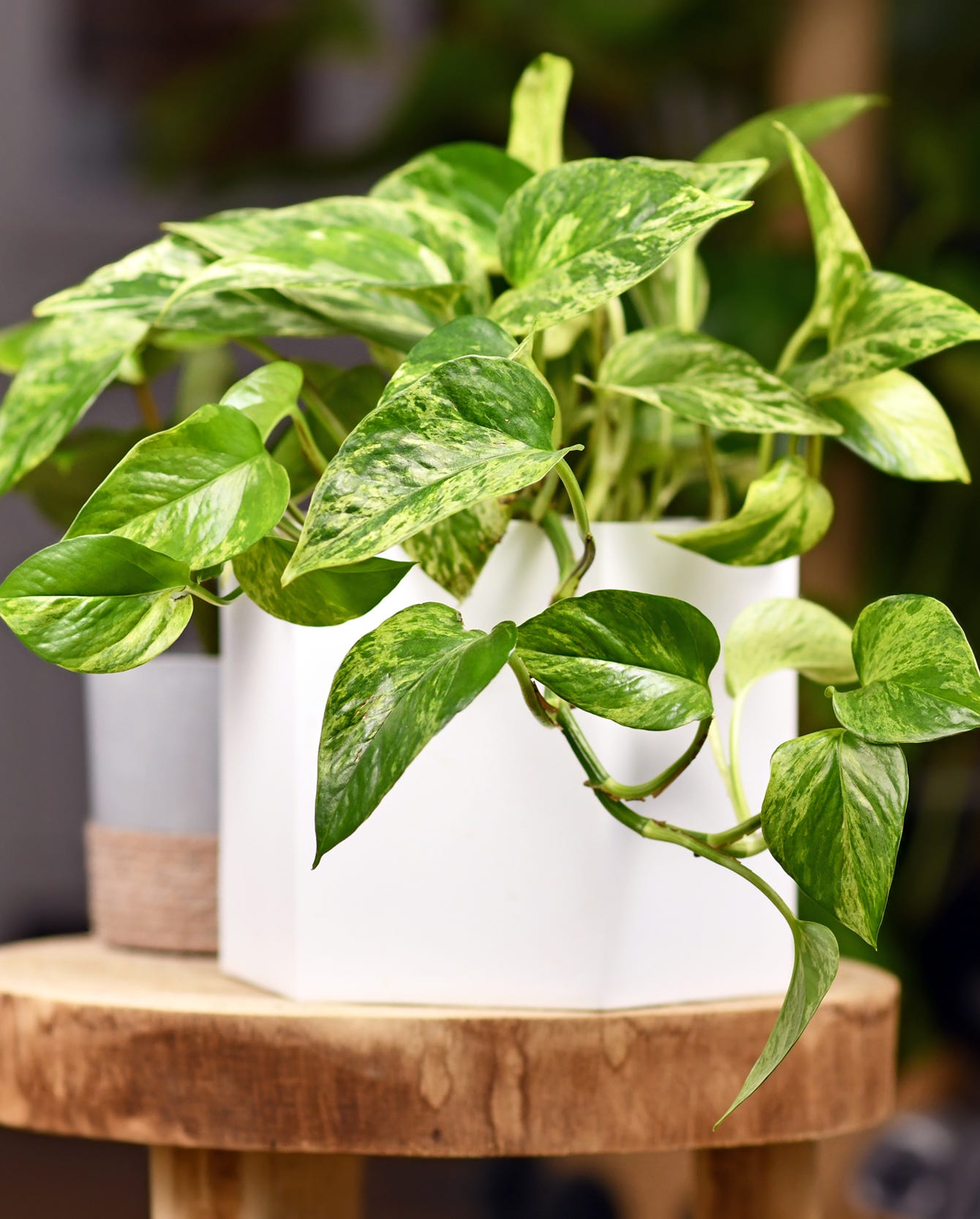 Firn//Getty Images
Pothos is probably the easiest plant to propagate! If the plant starts to look gangly, give it a haircut all around. Take a cutting that’s a few inches long with several leaves, making sure you have a node (a dormant growing point where the stem meets the leaf). Poke this into moist potting mix, and keep damp. Alternately, you can root these in water, waiting for roots to appear before potting up.
Light: Bright, indirect light
Water: Allow to dry out slightly between waterings
Read more:How to Grow Pothos
Advertisement – Continue Reading Below
3Heartleaf Philodendron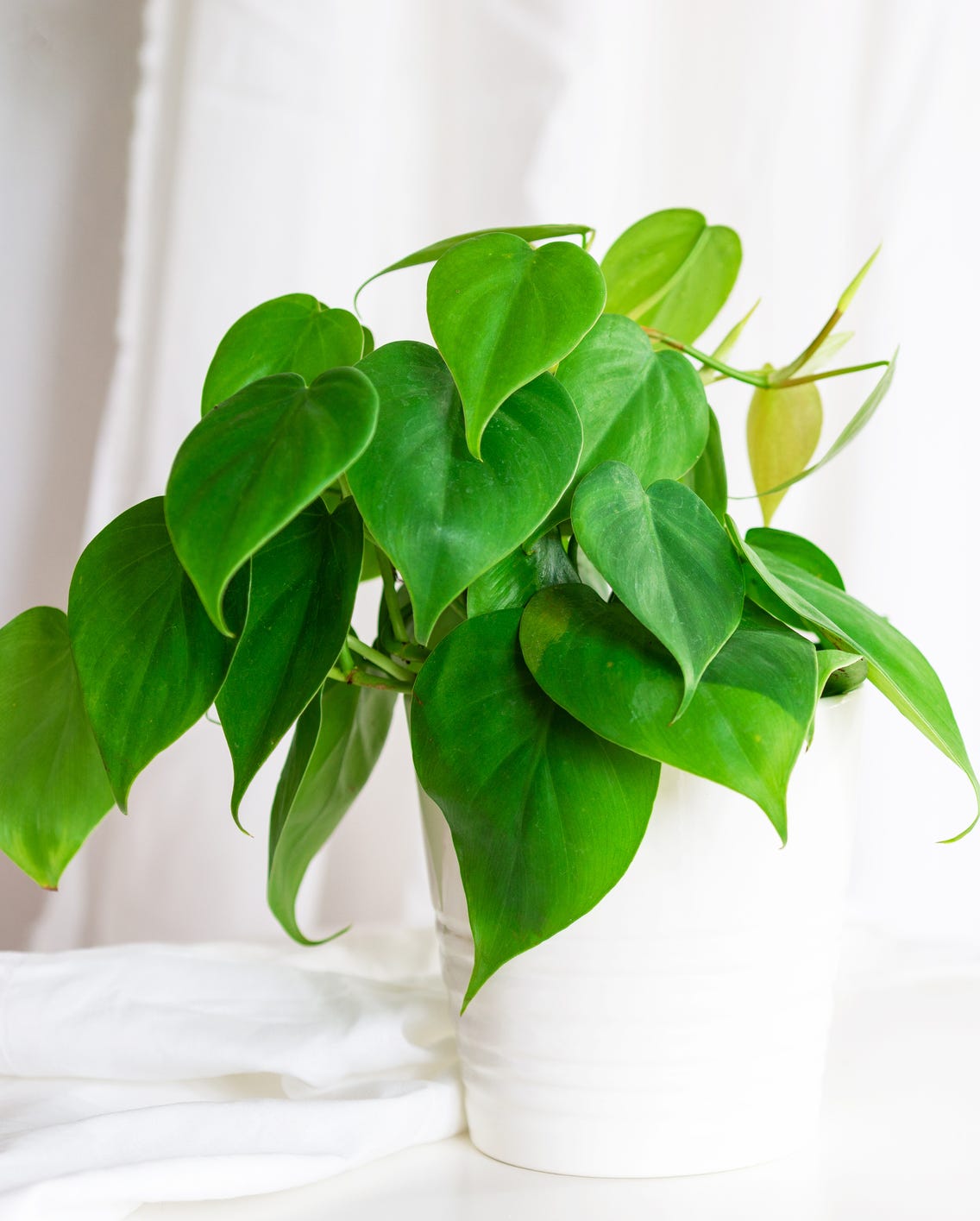 Premyuda Yospim//Getty Images
Heartleaf philodendron is just as easy as pothos. Take a cutting a few inches long containing a few leaves. Make sure there’s a node, push it into the moist potting mix, and wait. You also may be able to root these in water.
Light: Moderate to bright, indirect
Water: Let soil surface dry slightly before watering.
Read more:11 Types of Philodendrons You Can Grow
4Snake Plant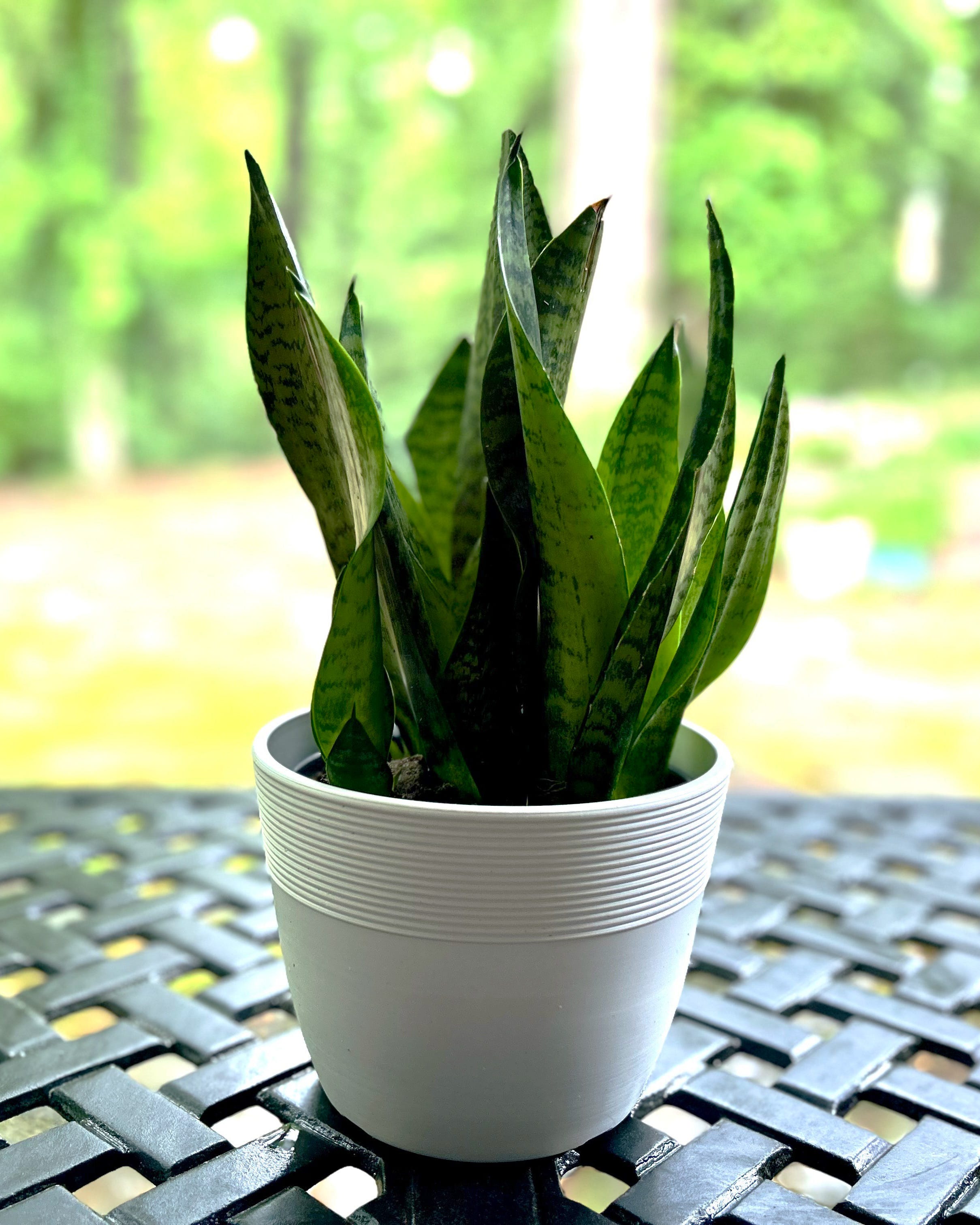 Terri Robertson for Country Living
Snake plants are loved because of their striking architectural form and their low-maintenance nature—and they’re just as fuss-free to propagate. Take a whole leaf or cut one into 2 to 3-inch-long sections. Push it about ½-inch into the moist potting medium.
Light: Low, medium or bright, indirect
Water: Let dry out almost completely before watering.
Read more:How to Care for a Snake Plant Even If You Don’t Have a Green Thumb
Advertisement – Continue Reading Below
5String of Pearls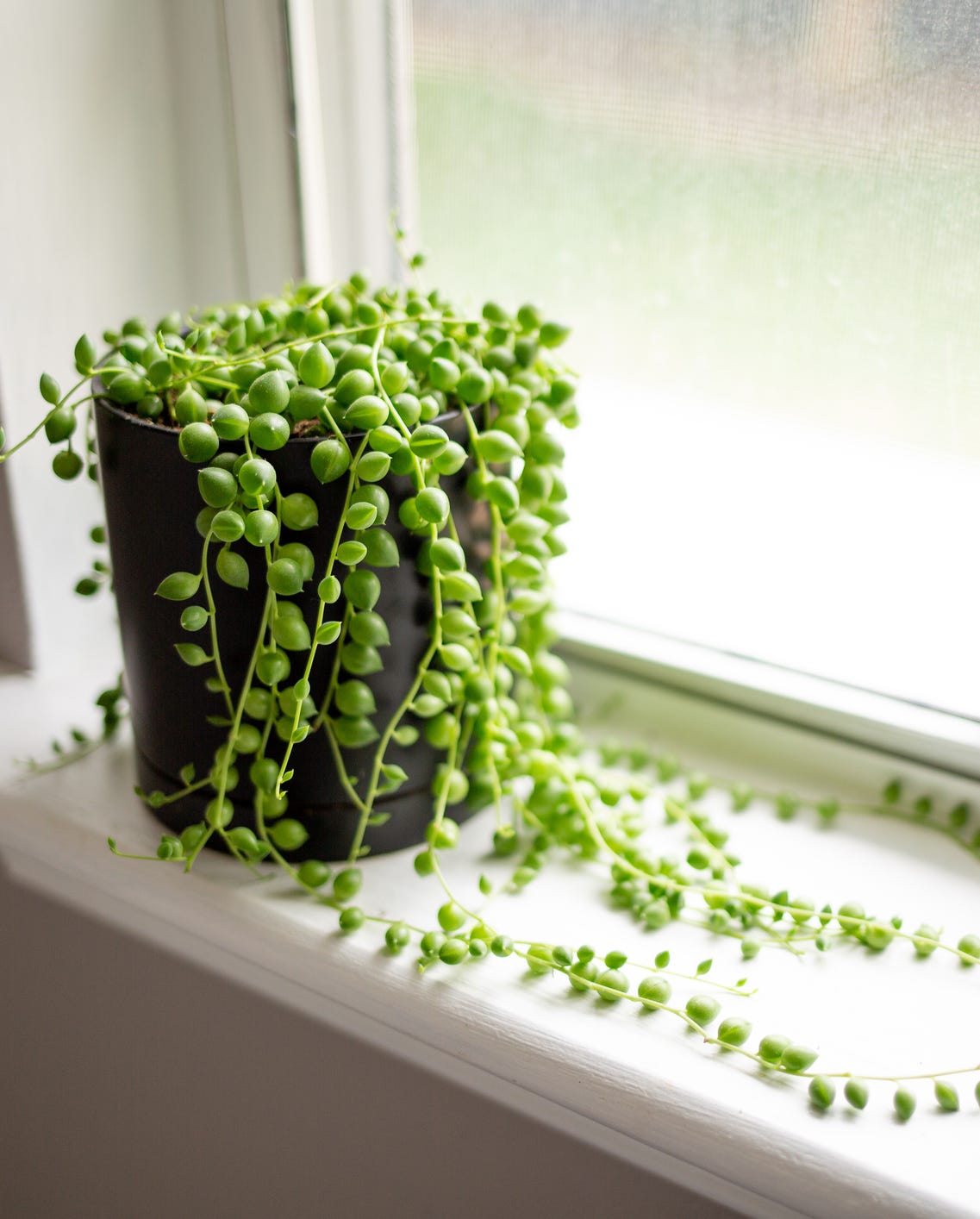
This succulent is another plant that doesn’t need a lot of TLC to root. Simply take a stem cutting, let it dry slightly (though you can have equal success if you skip this step), then poke it into moist potting mix. You can take several to fill in a plant that’s getting leggy.
Light: Bright, indirect
Water: Water when soil is mostly dry.
Read more: How to Grow and Care for String of Pearls
6Monstera 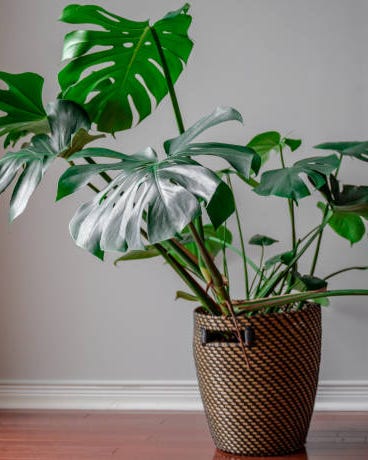 Matthew Lloyd//Getty Images
Take a stem cutting with at least one node and several leaves. Dip the cut end into a rooting hormone, which can promote faster growth for this plant. Push it into the moist potting medium. You also can root this plant in water, then place in soil once roots appear.
Light: Bright, indirect
Water: Let soil surface dry before watering.
Read more:How to Grow Monstera Plants
Advertisement – Continue Reading Below
7Pilea
Also known as coin plant because of its round leaves, you can pot up any of the little “babies” that pop up around the base of the mother plant. Use a knife to lift them up, and look for roots. If it has them, you can cut it away from the big plant, place the baby in potting mix, water lightly, and wait. This is a slow to moderate grower so it can take a few years before the babies mature.
Light: Bright, indirect
Water: Let the soil mostly dry out before watering.
8Aloe Vera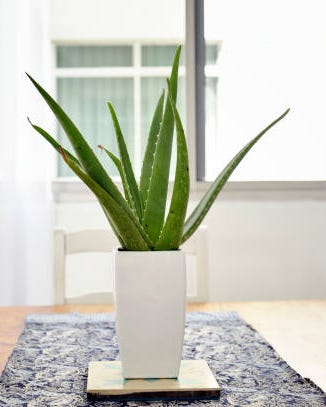 Carlina Teteris//Getty Images
Trim off the pups, or baby plants, that develop around the base of the mother plant. Or take a stem cutting, pulling a single leaf off the plant then placing in potting mix. This can take longer to root but is a good way to save a plant that’s become leggy.
Light: Bright, indirect
Water: Allow the soil to dry out most of the way before watering.
Read more: How to Care for an Aloe Vera Plant
Advertisement – Continue Reading Below
9Rosemary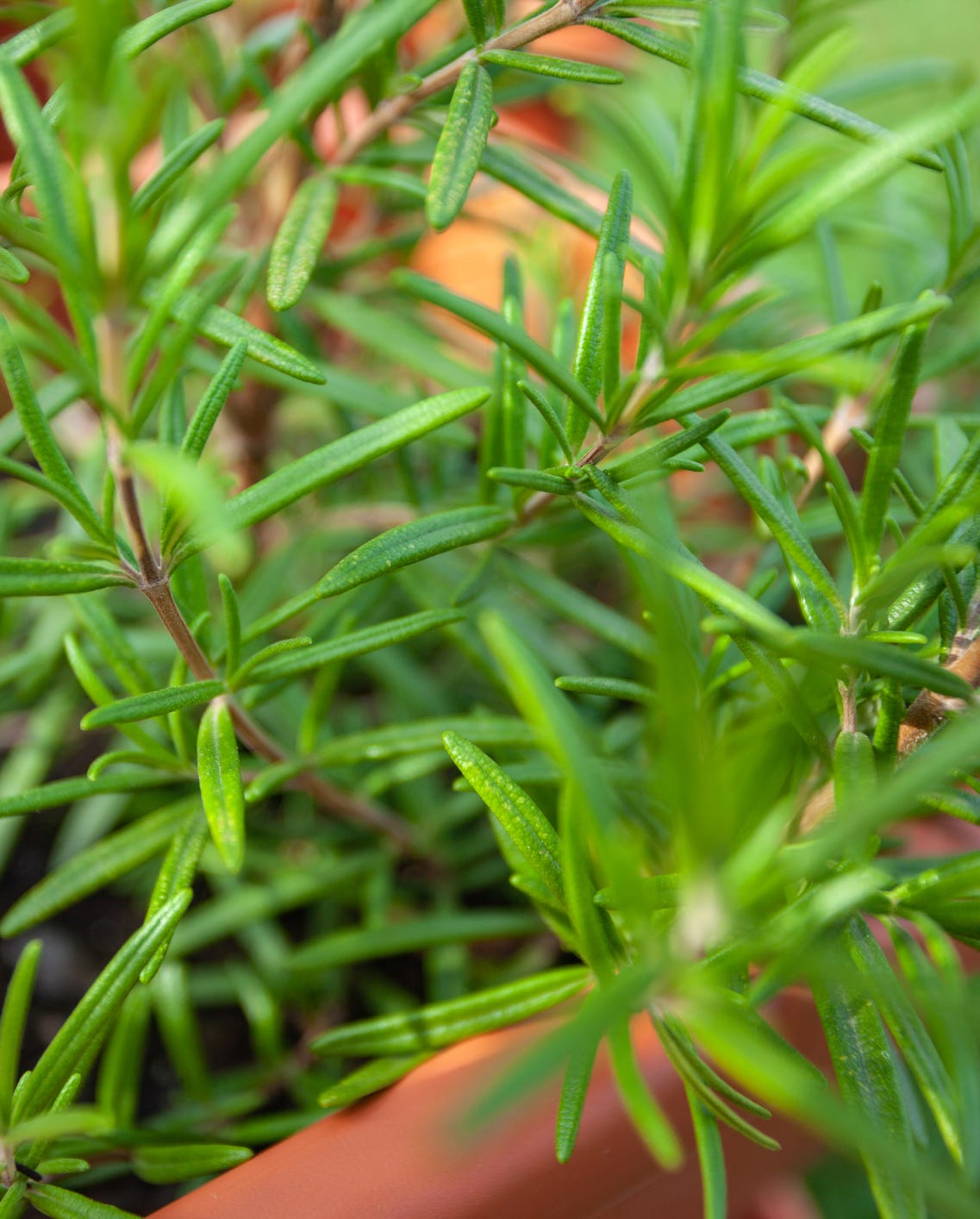 Kirill Rudenko//Getty Images
Take a 2- to 3-inch long stem piece, strip off the lower leaves, dip in rooting hormone, then poke into moist potting mix. Late winter and early spring are ideal times to root rosemary when it’s getting ready to kick into high growth.
Light: Bright, direct
Water: Allow to dry out slightly between waterings.
Read more:How to Grow an Herb Garden
10Spider Plant Lynne Brotchie//Getty Images
Spider plants make it so easy for you to propagate them because it forms “babies” on the ends of long stems. When you see little root nubs on the babies, trim the plantlet off and place in another pot of soil. Use a bent paper clip to keep it in contact with the soil, and water as usual.
Light: Medium to bright, indirect light
Water: Keep slightly moist.
Read more: How to Care for Spider Plant
Advertisement – Continue Reading Below
Readers Also Read
Advertisement – Continue Reading Below
Advertisement – Continue Reading Below
Comments are closed.