
Gardening enthusiasts have just over a week to get this budget-friendly, border-defining flower in the soil that can add colour and attract pollinators to your garden
Zahna Eklund Senior Social News Reporter
11:49, 19 Mar 2026

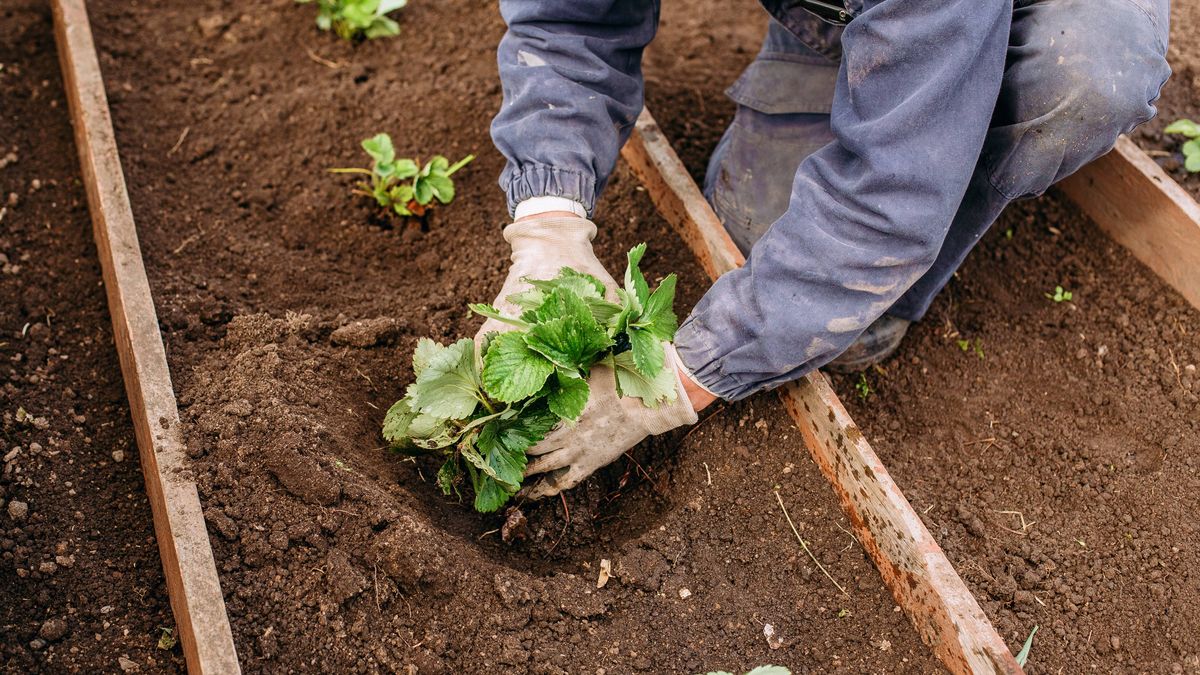
You should think about planting this flower before the end of March (stock photo)(Image: Elena Lavrinovich via Getty Images)
Attention all gardening enthusiasts – you have just over a week remaining to get this border-defining flower into the ground. We’re already past the midpoint of March, and if you’re keen on gardening, you’ve likely dedicated recent weekends to preparing your outdoor area for spring and summer, when most plants burst into flower.
Choosing which plants to grow in your garden can be tricky, as you must not only take into account your soil type and the level of sunlight your garden gets, but also consider plants and flowers of different heights to establish variety and depth in your flowerbeds and borders. If you’re looking for something to place at the back of a flowerbed and add height to your display, then one horticultural expert has recommended there’s only one plant worth considering – the echinacea.
Also known as a coneflower, echinaceas can grow to heights of up to a metre and possess a spread of around 60cm. They also showcase vivid colours, including pink and red, making them visually striking.
Ish, a gardener, stated March is the perfect time to plant echinaceas in your garden – advising you should move quickly to get them in during the next few days to guarantee you don’t miss this chance.
He explained in a TikTok video: “Today I’m going to be adding some height and drama into my borders with some echinaceas. Whether you’ve got them in full sun or partial shade, echinaceas will absolutely thrive and can reach heights of up to a metre. Place them somewhere with well-drained soil, and they’ll continue to thrive and give you a burst of colour throughout the seasons.”
Content cannot be displayed without consent
Ish revealed he would plant his flowers in containers instead of directly into the ground, as this enables him to control drainage more efficiently. Nevertheless, he stated he would place the pots at the back of his border so that other plants would hide them, whilst the gradual height difference would look “dramatic.”
The gardener bought his echinaceas from Morrisons, where he observed they are available as bare roots that can be planted straight into the soil. He also described the plants as “budget-friendly”, having spent just £2 for three.
He said: “They look like little tiny roots with a bit on top. You want to make sure that pointed bit is pointing up – that’s the important part. Ideally, you want to plant these about four inches below the ground. Spread the roots out and lay them in the soil, and then just cover.”
According to Gardener’s World, echinacea should be sown between March and April, and planted between May and June. The plant then flowers throughout summer from June until September. Echinaceas are described as “easy to grow” as they tolerate most soils apart from very dry ones, and their sturdy stems mean you don’t need to stake them, despite growing quite tall.
What’s more, the bloom is exceptionally attractive to pollinators. Attracting bees to your garden with flowers they love is beneficial regardless, but if you’re growing fruit or vegetables this year, you’ll be especially thankful for the pollinating insects.
How to grow echinaceas
1. Choose the Right Location
Sunlight: Echinaceas thrive in full sun (at least 6 hours of direct sunlight daily).Soil: Well-drained soil is essential. They tolerate poor to average soil but dislike soggy conditions.
2. Planting
From Seed: Sow seeds indoors 8–10 weeks before the last frost, or sow outdoors in early spring or fall. Lightly cover seeds with soil; they need some light to germinate.From Plants: Purchase young plants or divisions from a nursery. Space them 18–24 inches apart.
3. Watering
Water regularly during the first growing season to establish strong roots.Once established, echinaceas are drought-tolerant and only need occasional watering.
5. Maintenance
Gardening news, tips and inspiration plus selected offers and competitions Subscribe
We use your sign-up to provide content in ways you’ve consented to and to improve our understanding of you. This may include adverts from us and 3rd parties based on our understanding. You can unsubscribe at any time. Read our Privacy Policy
Deadheading: Remove spent flowers to encourage more blooms, but leave some at the end of the season for birds.Dividing: Every 3–4 years, divide clumps in early spring or fall to prevent overcrowding and promote vigour.Mulching: Apply a thin layer of mulch to conserve moisture and suppress weeds, but don’t pile it against the stems.
Echinaceas don’t require much fertiliser, but if your soil quality is poor, you can add some compost in the spring. They are also relatively pest- and disease-resistant, and should only be treated if necessary.
Comments are closed.