
Tips on growing asparagus to soil and compost, Jamie has lots of advice…
Before I continue my ‘how to create a vegetable garden’ series, I just want to share what I did on the nicest day of the year so far. Saturday was warm and sunny, perfect for being outside making my new asparagus bed.
I absolutely love asparagus, and I’m not sure why I haven’t got around to growing it until now. The main reason is that if you grow asparagus from seed, it can take around three to four years before you can harvest your first spear,s and even planting one year old crowns still means waiting about three years.
 Excitement on the allotment as Jamie plants asparagus crowns
To wait three whole years to enjoy one of the best-tasting vegetables always felt like a long time. I’m a bit of an ‘I want it now’ person, so I’ve always put it off. But a few weeks ago, while looking through an online auction site, I stumbled across some three-year-old asparagus crowns for sale.
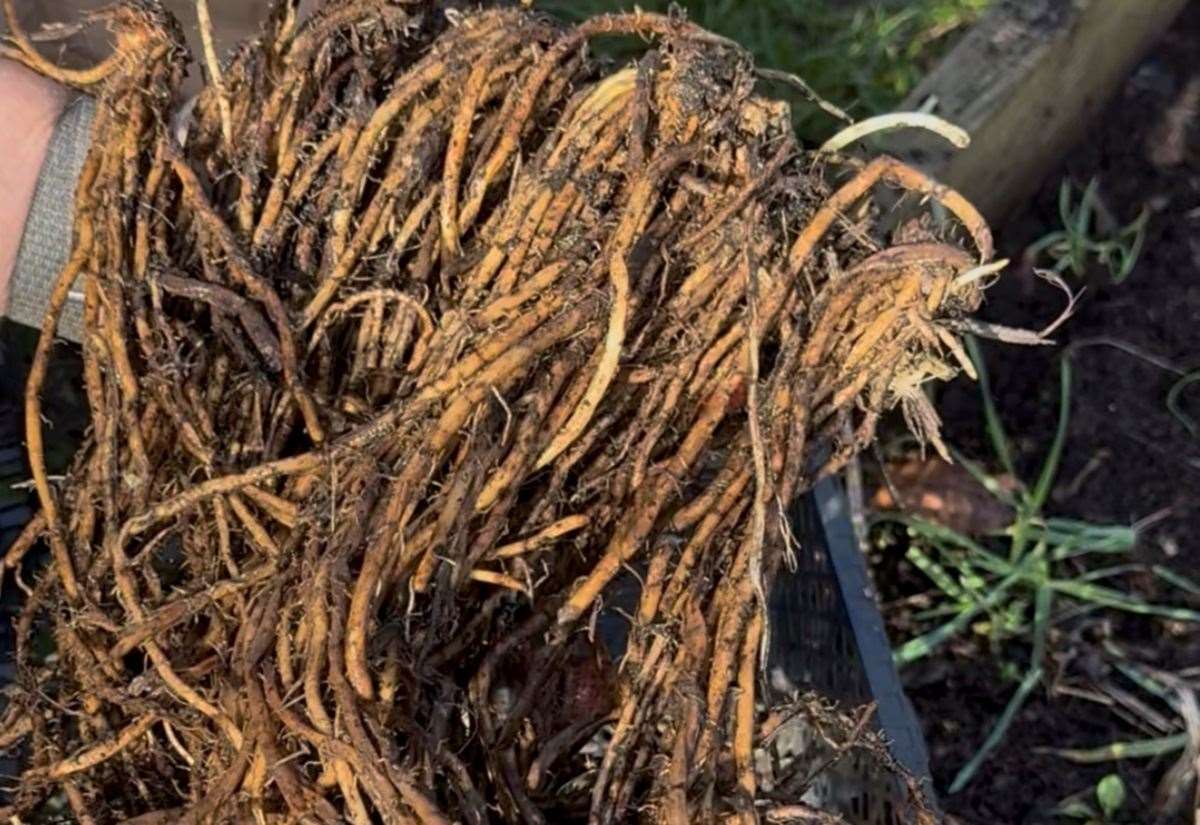
If they were already that old, I wouldn’t have to wait three years to reap the rewards. Four or five days later a box arrived with 12 lovely crowns, looking like dirty chunky noodles, all wrapped up in plastic to stop them drying out. I decided on which bed I wanted to use for my new asparagus, made sure it was properly weeded, then got digging.
I dug trenches about a spade’s width wide, four or five inches deep, and roughly two feet apart. The roots went in spread out, with the crown sitting just a couple of inches below the surface. Then I gently backfilled the trenches and finished with a generous layer of organic compost over the top to feed them as they wake up.
I’ve been told not to harvest every spear this first year. Just take a few and let the plants properly establish themselves. It’s hard when you’re excited, but patience is part of gardening, whether we like it or not.
Now, back to my series on how anyone can grow vegetables. We’ve already talked about where to put your veggie garden so this week I want to look at what we’re actually growing in, or the growing medium.
Of course, we can grow in soil, and plenty of people do, but when it comes to vegetables, you’re unlikely to get great results from soil alone. Most garden soil, especially in newer gardens or tired plots, just doesn’t have enough goodness in it to keep hungry crops happy.
That’s where compost or organic matter comes in. Adding compost improves the structure of the soil, helps it hold moisture in dry weather, drains better when it’s wet, and most importantly, feeds all the life beneath the surface that, in turn, feeds your plants.
Think of compost as upgrading your soil rather than replacing it. You’re building something better year by year, not starting from scratch.
You don’t need anything fancy to get started. Shop bought compost is absolutely fine, especially when you’re setting up new beds or containers. Mixing the compost with whatever soil you already have helps stop it drying out too quickly and gives your plants a steady supply of nutrients.
Over time though, I’d really encourage you to start making your own if you can. Even a small heap tucked in a corner of the garden will soon start turning kitchen peelings, grass clippings and garden waste into black gold. I always think of compost as alive. It’s full of worms, microbes and fungi working away beneath the surface.
Feed that life and it will reward you with healthier plants, stronger roots and better crops. It’s one of the simplest ways to garden more naturally, without reaching for chemical fertilisers.
If you’re growing in beds, I like to add a good layer of compost on top once or twice a year and let the worms do the hard work of pulling it down.
Next week I’ll talk all things compost, including how to make your own, what to put in, what to leave out, and how even beginners can create something brilliant from what would otherwise end up in the bin.
If you have any questions please email: Jamieslittleallotment@gmail.com
Comments are closed.