
Prefacing by saying I’m not sure if this is actually what’s happening but best I could find to put a word to it. Also that I am an amateur and this is my first time doing a paver job. Trying to learn.
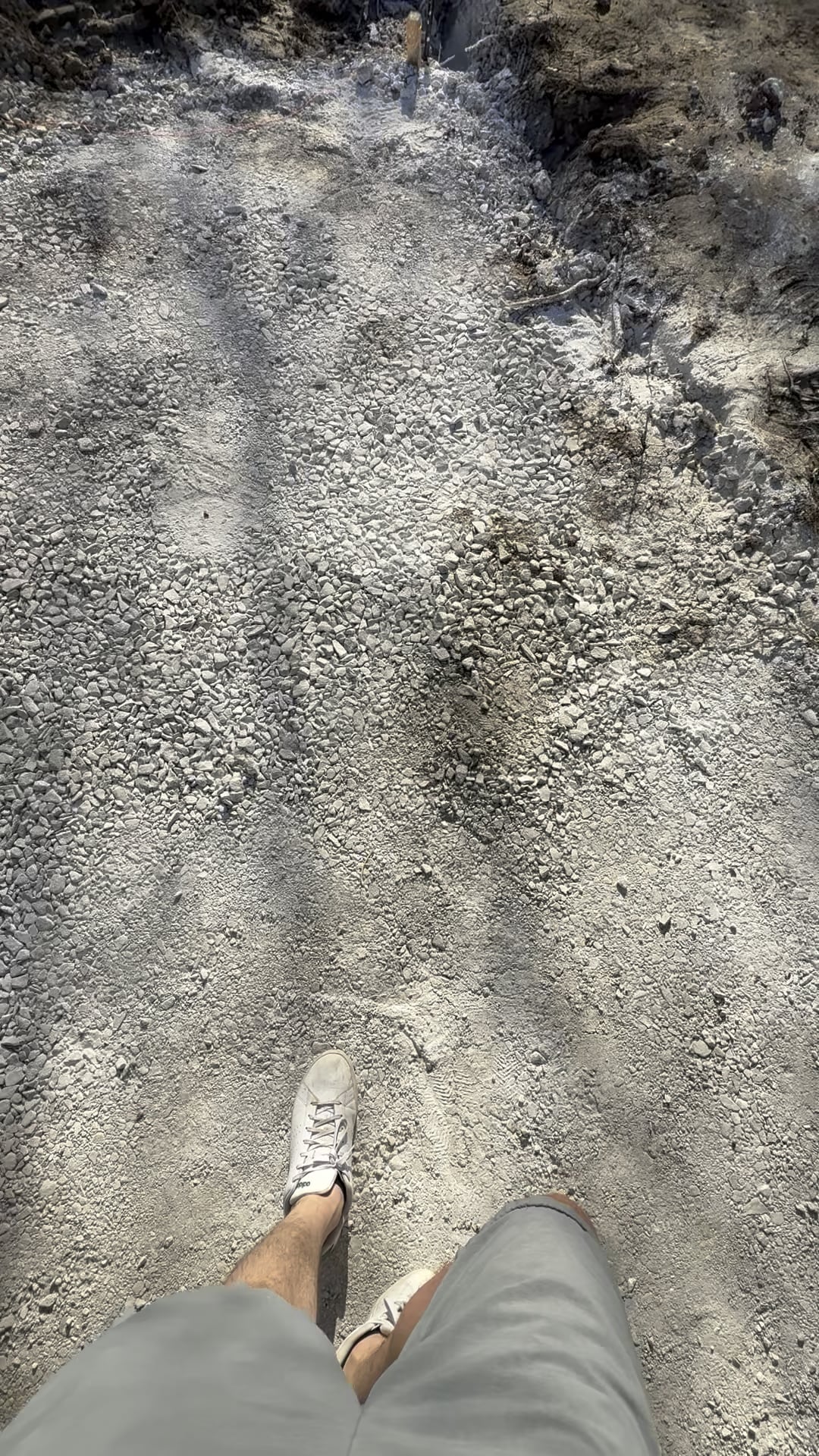
We dug out an existing concrete patio and under it was insanely soft mud. Almost like quicksand or jello. The original plan was to dig out 8 inches but we ended up digging down like 3 foot to find solid ground and get rid of all the mud. We brought in a some dry soil and compacted it down, then brought in extra rock to compact down. Most of the area is solid after compacting the rock but there are still a few area that are extremely soft. We put lime in the area and mixed it down to hopefully help dry it up and plan to let it dry out over the next few days. Then bring in some more rock to our finish grade, compact, and put the sand bedding layer down. My questions are as follows:
-
Anyone ever dealt with this?
-
What worked for you or didn’t work?
-
Whats the best path forward on this project?
by Proper_printer
21 Comments
Earth jelly
Keep pushing on it and you’ll fall into a looney toons episode
You need to find out where is the water coming from, and either stop it, if its a leak, or make a drainage system surrounding the area designed to remove it (think an underground moat)
Where are you doing this?
Is there a plastic layer underneath the stone?
You need a company to do a core sample
Your new material is probably soaking up surrounding moisture. If it was at all possible I personally would’ve told the customer I’ll be back after it’s dried up before proceeding on with anything else. I hate dealing with mud and wet yards. Sometimes it’s better just to let things dry up. Maybe grade or do whatever it takes to help it dry up then come back later.
If top soil was used to back fill that 3’ you dig down then unfortunately that’s where the problem is
This is a civil engineering question, not a landscaping question.
The moisture content is way too high. You need to figure out what the source of the moisture is and remove it. The subbase also needs to be ripped out, relaid and recompacted once you have mitigated the moisture.
The bottom layer is mud with no hold.
You can dig the top to dry out the bottom, but it may return to jello once it get wet again.
Idealy you would remove the jello, and fill the hole with compactable material.
Professional hardscaper/excavator here.
When you dug down the 3ft I would have started there with the lime. Then gone with a large 3-5” stone packed in with a jumping jack. That pushes the stone into the wet areas and helps drive the lime in. The point of the larger stone is to give more bearing capacity to what going on too. Before adding anything else I would have let that dried.
If you are packing in stone with a compactor that vibrates and the area isn’t dried/cured by the lime then you are just vibrating the water to the surface each time.
It looks like there is a mattress or something squishy buried there.
Either there is water moving into the area, or you did not get out all the plasticized soil. Usually when you encounter soil that moves like in your video, it’s on construction sites where there has been too much traffic (machines, truck, etc.) allowed on wet soil, causing the soil to plasticize, often because clays have welled up from below into a higher part of the soil horizons. You did right by removing that stuff, as I know from hard experience that doing any type of paving over soil that has reached that state will inevitably cause problems later.
So, at the least you have to remove the sections you show here. But first, find out if new water is moving in.
You need to add water
Digging it out was the right move, unfortunately when you compacted it you used some sort of vibratory compactor and it brought the liquid back up. You should dig it out again and backfill it but don’t use a vibratory compactor. Should be solid after that and if this is just a patio it should hold, but no vehicles or anything heavy should move across it or it will pump the liquid back up.
Did you never watch televisions as a kid?! You’re about to need those quicksand skills they convinced us would be essential on a daily basis.
You dug three feet into mud? Hopefully you didn’t break the water table.
Oh, WOW! I hadn’t seen or heard about quicksand since the 80s…
Is there a main water line under there? With a leak? Seems like a lot of water in that one spot. I have seen unknown water leaks like that. Is your water bill higher than normal? Or maybe there is an underground spring?
If the Simpsons has taught me anything, are you sure your city isn’t getting paid by other cities to cram their trash beneath your city?
Good lord, I hope this isn’t right next to your house.
“Patio” indicates that it is.
Is your home older? Pier and beam or slab? Are you in a rural area (undeveloped neighborhood)?
I ask these questions because, typically, a geotechnical report would have been ordered before anything was poured or built.
Some people don’t go to the expense and take their chances.
A Geotechnical report will tell you what type of soil is beneath and whether you should amend that soil.
Your patio sinking might be the least of your worries.
Wow. The quicksand we have all been warned about.