
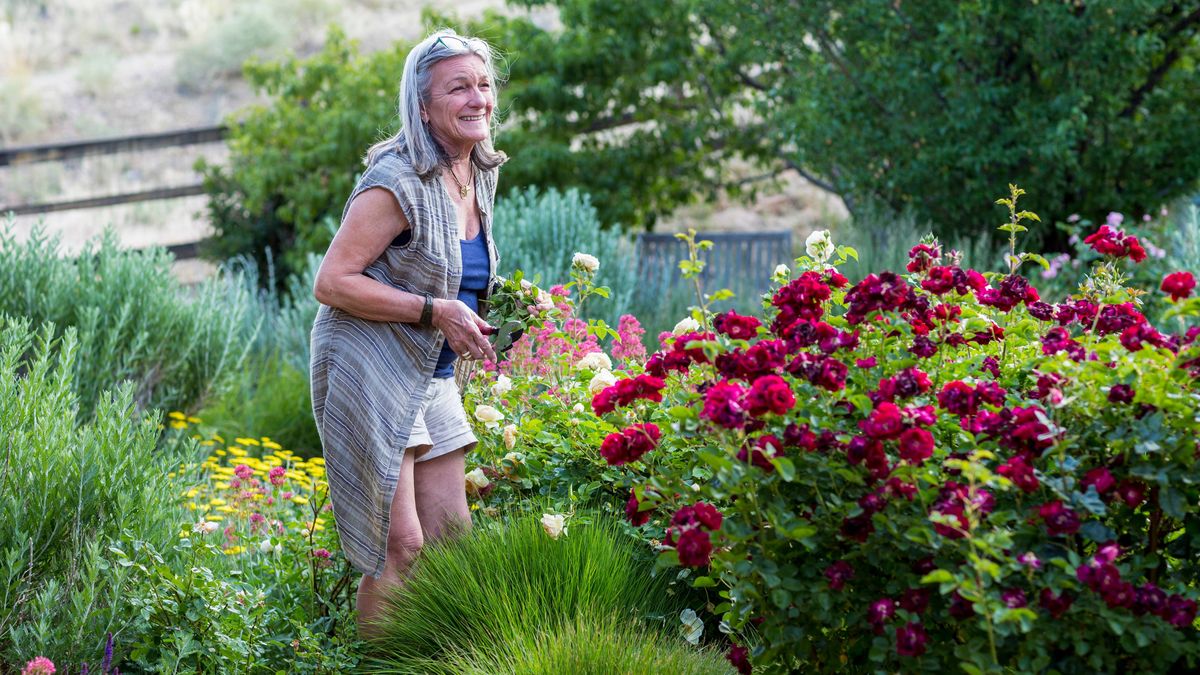
One gardening expert has shared the key tasks to tackle this March including a critical job for plant survival that you won’t want to forget to do if you want your garden to thrive
Samantha Bartlett Assistant Editor, Social News
15:02, 22 Mar 2026
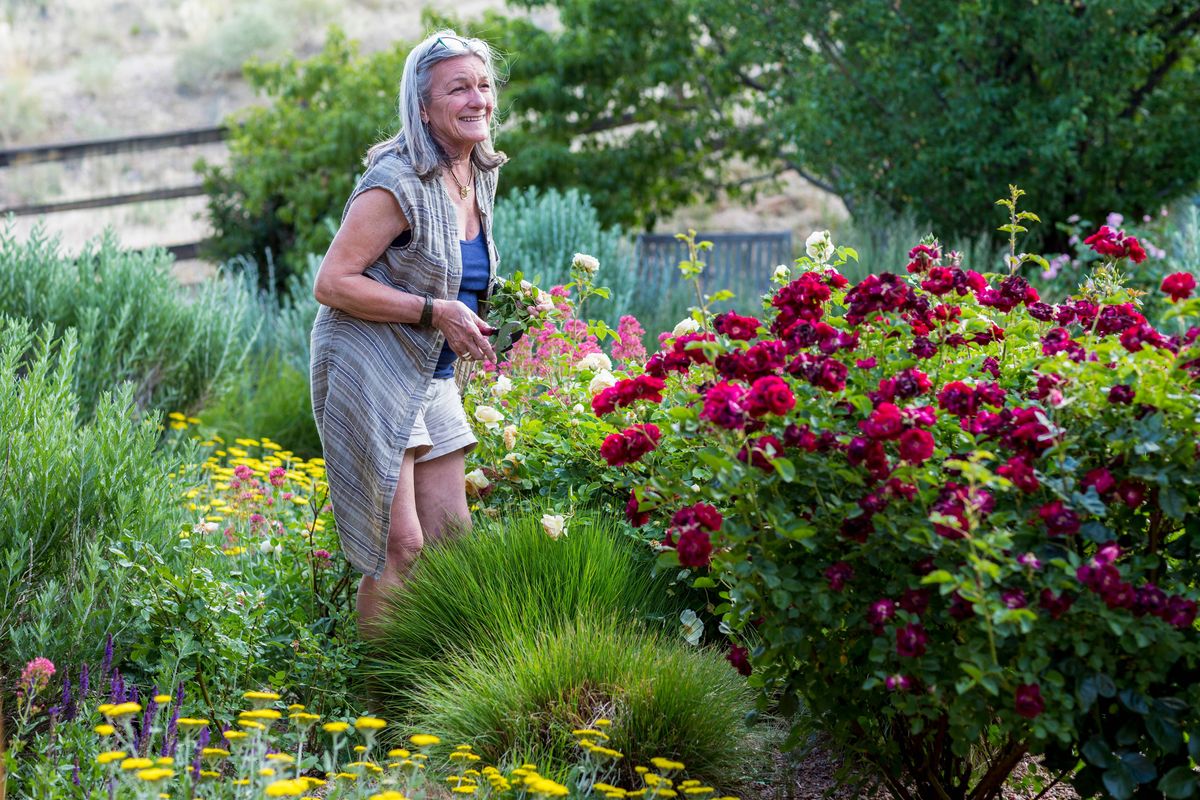
The tips should help your garden thrive in spring and beyond (stock image)(Image: Mint Images RF via Getty Images)
With spring now officially here, a gardening expert has shared the essential jobs to complete this March. Whilst countless individuals turn to social media for gardening tips, it’s vital to seek out professional expertise for trustworthy recommendations. With this in mind, James Ewens, gardening and wildlife expert at Green Feathers, has outlined the key gardening tasks to carry out in March to lay the groundwork for a flourishing garden all year long. This includes one vital job if you’re hoping for your plants to thrive.
The expert said: “It’s time to prepare your lawn – and cut it for some warmer regions – as well as tidy up your flowers, plant more, support wildlife, prune your shrubs, and de-clutter your garden ready for all that garden fun to come.
“The list doesn’t need to be exhaustive, just a few simple, easy tasks in the garden will allow you to make the most of it as the weather warms up.”
Check out Ewens’ recommendations below.
Ensure wildlife is a priority all year
Helping wildlife should be an ongoing priority throughout every season, and March remains a vital month for the survival of garden creatures – as natural food sources stay scarce whilst we see spring’s arrival.
Keep bird feeders consistently topped up with nourishing food, and leave any remaining seedheads on plants intact.
Resist over-tidying as this provides crucial natural food and protection for birds, insects and hedgehogs. Creating stacks of logs, leaves or branches offers crucial shelter for hedgehogs and insects.
By focusing on providing food, sanctuary and overall safety for wildlife, you’re offering them the best opportunity to survive and thrive when spring arrives.
Prepare your lawn for the first trim of 2026
Whilst it’s still too early to mow your lawn in most regions, now is the moment to start getting ready for your first cut of the year – and yes, the season is back again!
You can assist your lawn in emerging from its dormant phase, ready for a lively spring display.
One of the most effective strategies is to avoid treading on it if there’s any frost left, and on drier days, gently clear away any debris to improve air flow.
In areas where temperatures consistently remain above 6 degrees Celsius, it might be time for your first lawn trim of the year.
Ensure conditions are dry and mild to avoid damaging your lawn, and adjust the blade to its highest setting for the initial few cuts to prevent injuring the uncut grass.
Time to plant
March presents your final opportunity to plant bare-root trees and shrubs, including dogwood, blackcurrants and silver birch, whilst they’re still in their winter dormancy.
As soil temperatures rise, it’s an ideal time to get ahead with vegetable planting; if you sow chives, early varieties of carrots, peas and kale in March, you’ll soon be enjoying your five-a-day straight from the garden.
March also offers an ideal chance to plant hardy annuals, such as cornflowers and poppies, which will inject brilliant colour into your garden during June and the summer period.
Sunflowers and sweet peas can battle for height before summer’s arrival! Both are ideal for sowing in March, guaranteeing tall, flourishing blooms within several months.
Remember the pruning
Trimming back dead, damaged or diseased branches is vital for plant health. Pruning encourages vigorous new growth, preserves plant health, and allows you to shape and manage the dimensions of your plants – making it an essential job for March.
What needs pruning currently? Summer-flowering shrubs, such as buddleja and hardy fuchsias, respond well to March pruning as they awaken from their dormant phase, yet before new buds form.
Fruit trees like apple and pear trees also require pruning. Cut away dead, diseased or crossing branches to enhance air circulation and stop the spread of disease.
Ensure you declutter
Although it’s amongst the less enjoyable garden jobs, decluttering in March is essential. It enables you to prepare and optimise your garden’s capacity – whether for unwinding, entertaining, or holding gatherings in your summer garden.
It’s practical to divide your garden into three distinct categories – keep, store away, and throw out – an approach that makes tidying considerably more systematic. Remove and recycle any worn-out, damaged or unnecessary plant pots, together with any decaying material, corroded tools, and broken furniture.
Once you’ve disposed of unwanted items, you can start organising equipment into containers for shed storage – making the most of your garden space ahead of summer.
Comments are closed.