
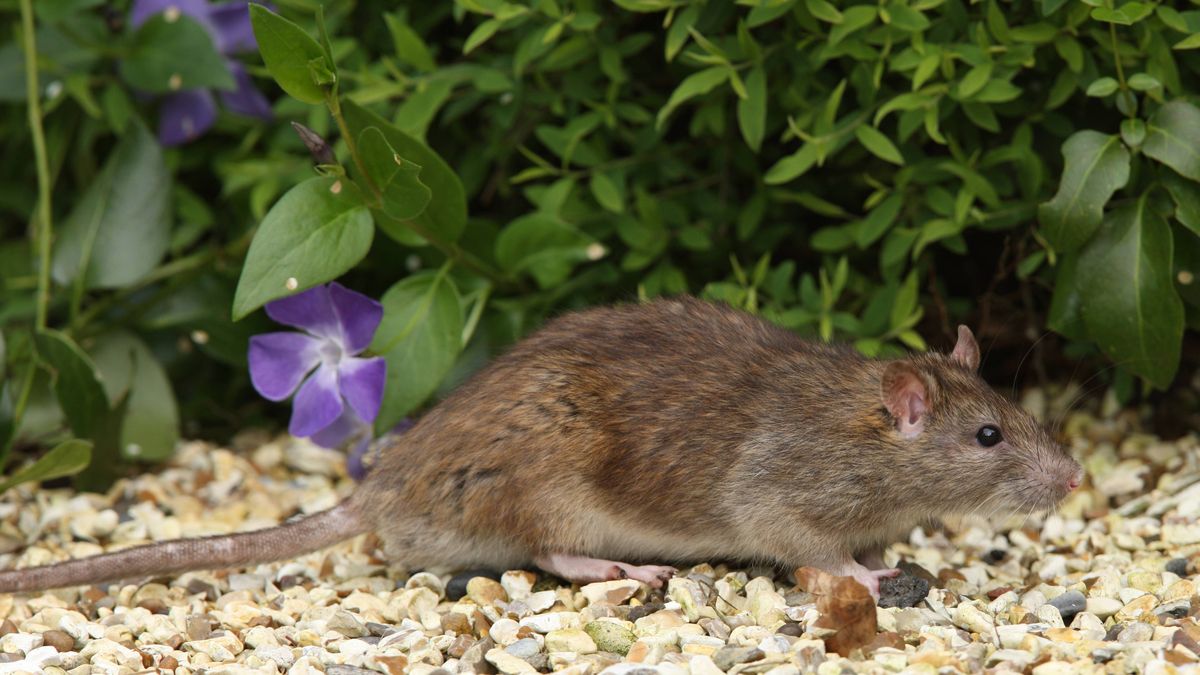
Spring is peak breeding season for rats and mice in the UK, and pest control experts have shared their top tips to prevent rodents from making your home their nesting ground.
Nicola Roy Spare Time writer
03:15, 22 Mar 2026
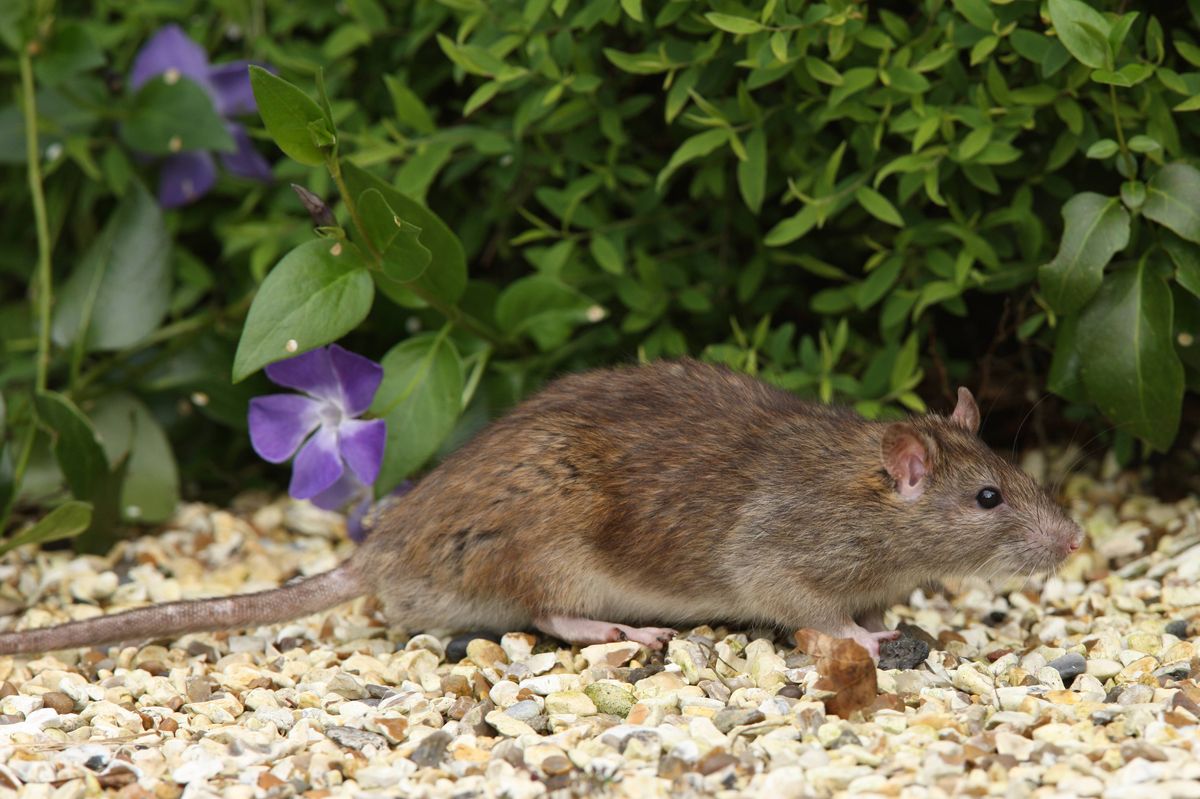
Rats and mice are likely to be spotted in your garden in spring(Image: scooperdigital via Getty Images)
As the weather begins to brighten, UK homeowners face an unwelcome change. Spring marks the prime breeding period for rats and mice – these rodents are searching for food and shelter, and our homes provide ideal nesting spots.
Dealing with an infestation once it takes hold can be both annoying and costly. That’s why prevention is absolutely essential. To find out the most effective approach, I spoke with multiple experts specialists, and they all had the same suggestion.
When considering pest management strategies, many might think of using foods or scents that rodents dislike, such as peppermint and garlic.
While these methods did feature in the experts’ guidance, there was another measure that was far more popular – and it’s safer and simpler too.
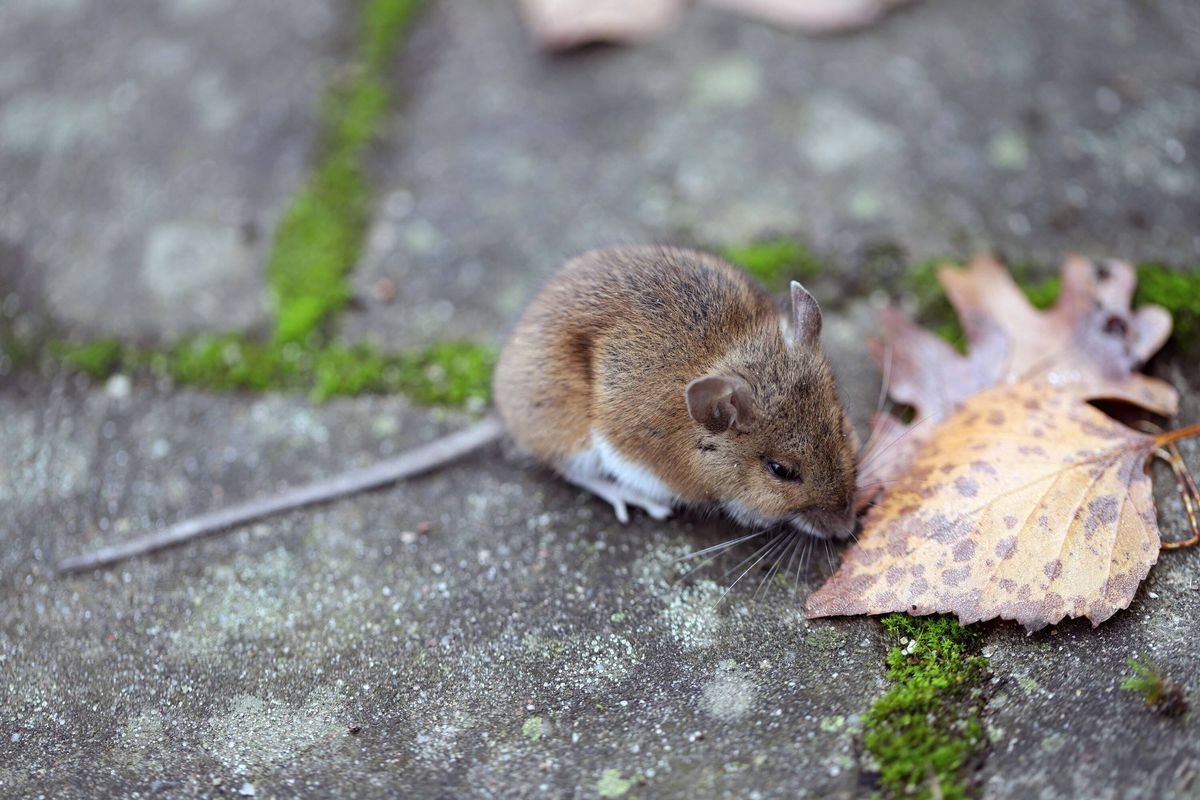
Mice and rats will be looking for shelter as breeding season begins(Image: Getty)
Daniel Steward, Managing Director at Shield Pest Control, says that eliminating potential shelter locations is absolutely vital. He explained: “Rodents often seek out sheltered areas to nest, so removing potential hiding spots is an important step. Trim back hedges and shrubs and keep grass short and well-maintained, as rodents like to hide in dense greenery where they can go unseen.
“Piles of materials can also create ideal nesting sites, so store items in sheds or sealed containers where possible. It’s also a good idea to use a rodent-proof compost bin and ensure all bins remain fully closed, preventing rodents from nesting inside where food waste is easily available.”
Laurence Barnard, Country Business Manager at BASF Pest Control Solutions, echoed this, warning: “Rats are highly adaptable and opportunistic creatures, often seeking shelter close to food and water sources. In gardens, they commonly nest in dense vegetation like bushes and shrubs, sheds, compost heaps, or beneath decking.”
He emphasised that the key to deterring these pests is to make your garden ‘less appealing’. This includes maintaining well-trimmed vegetation, sealing gaps under decking, and ensuring sheds are properly sealed, reports the Express.
It may seem obvious, but it’s crucial to ensure no food is left out in the garden or home. Eric Bramlett, a real estate broker and owner of Bramlett Partners, says that this is ‘one of the most effective ways’ to deter them.
He advised: “Rodents are usually drawn to easy food sources and sheltered spaces, so simple maintenance around the home can make a big difference.
“Keeping rubbish bins tightly sealed, clearing fallen fruit from gardens, and storing pet food indoors can significantly reduce what attracts rodents to a property. Regularly trimming back dense plants or hedges near the home also removes places where rodents may hide.”
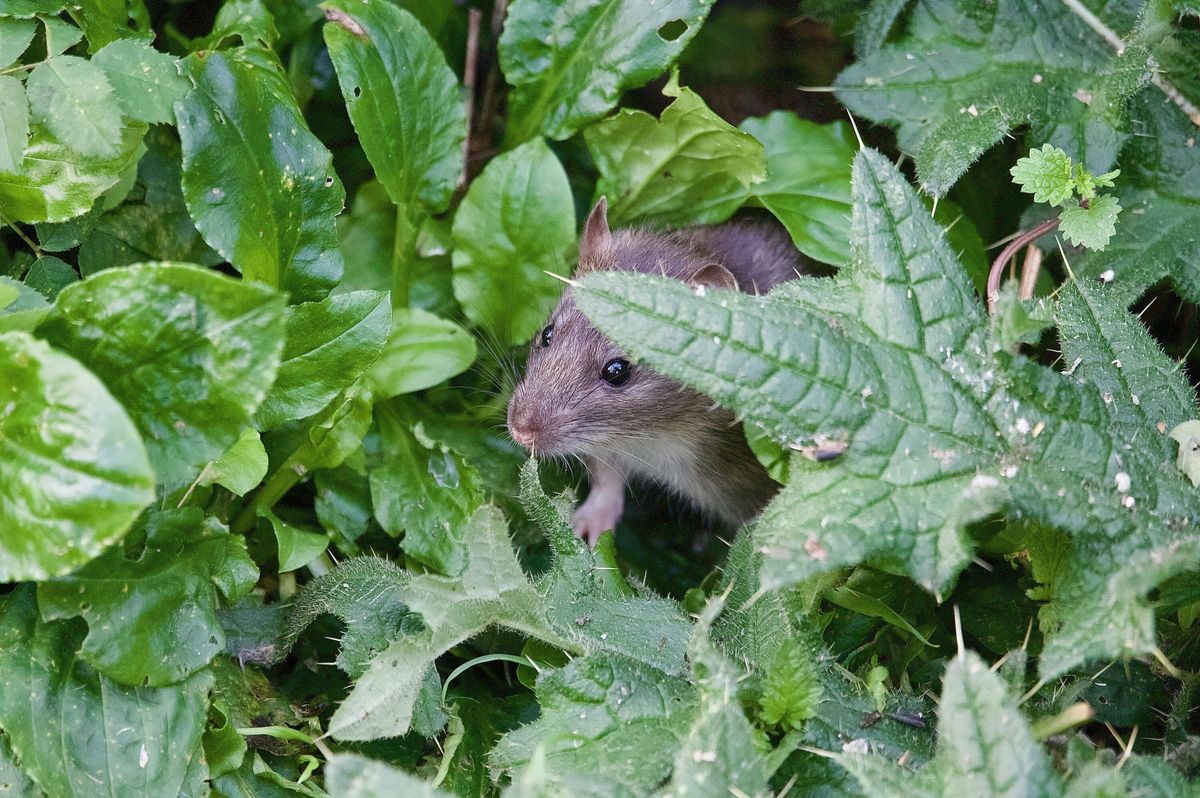
Keeping your garden tidy will create less opportunities for rats to hide(Image: Getty)
Mice are capable of squeezing through the smallest gaps, so if you notice any unsealed openings, stuffing them with steel wool can help keep them out.
If you’ve tidied your garden and blocked obvious entry points but remain worried about seeing rats and mice, there are additional measures you can take.
Dylan Stringer-Moth, Gardening Expert at One Click Plants, suggests that peppermint oil serves as a safe and straightforward deterrent. He said: “Peppermint oil is actually one of the best natural remedies out there for keeping rodents away as they rely heavily on their sense of smell. The strong scent of peppermint can be overwhelming on their receptors and stops them wanting to explore or nest there.
“A simple and budget-friendly way to use peppermint oil is to soak cotton balls in the oil and place them near entry points of the home or around the garden, in the shed and so on. Anywhere rats or mice may travel. Alternatively, you can mix a few drops with water and use a spray bottle to target key areas around the home, and in the shed or by the bins in the garden.”
Plants can also serve an important function in repelling pests. Dylan added: “There are plants out there that rodents, and many other pests, do find unpleasant. These are plants that have strong natural aromas, such as mint, rosemary, sage and lavender. Not only can they look lovely in your garden, but they will make the area less attractive to nesting or feeding.
“Consider planting them around patios, sheds, as garden borders or near compost areas to create a natural barrier.”
Comments are closed.