
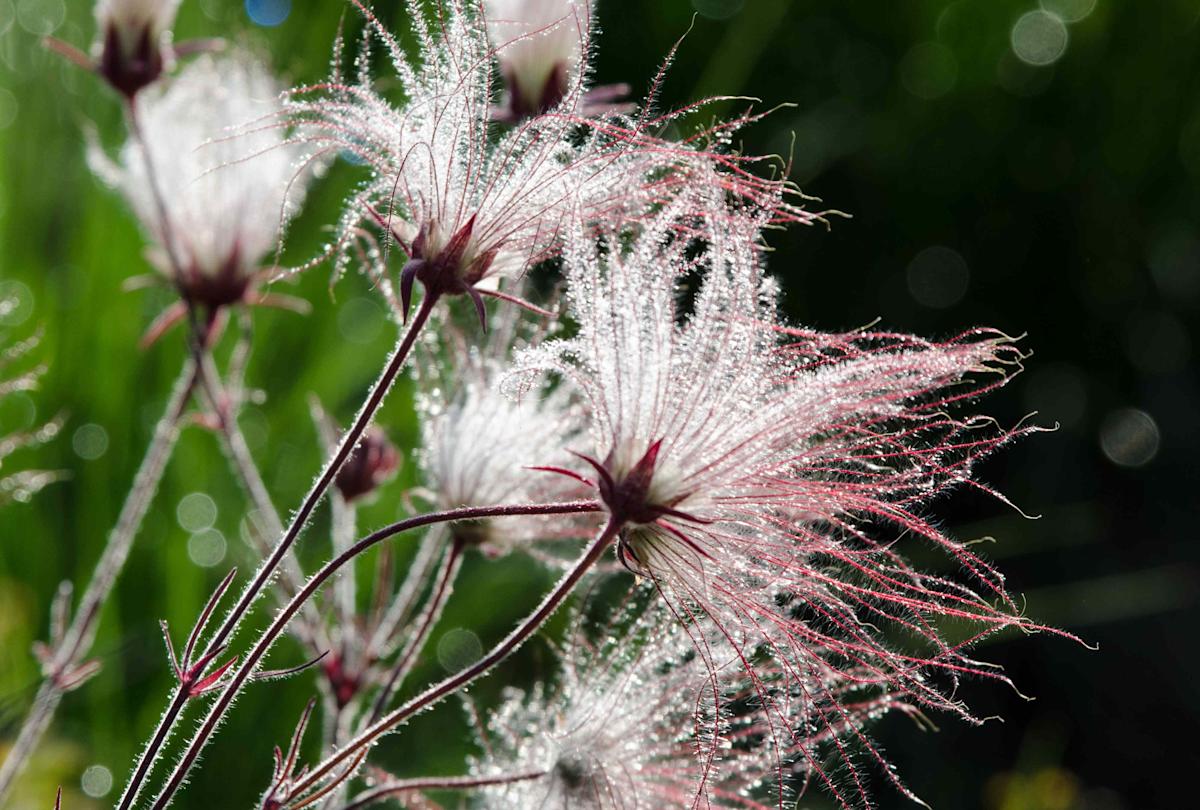
Planning a garden can be an overwhelming undertaking. One way to lighten the load is to plant self-seeding perennials, which spread throughout the garden on their own, filling your landscape with more blooms year after year without requiring any additional effort.
“Self-seeding perennials are some of the most rewarding plants to grow because they allow the garden to evolve naturally from year to year,” says Tabar Gifford, master gardener and partnership cultivator at American Meadows. “Rather than starting from scratch every spring, these plants quietly drop seed and return on their own—sometimes even choosing better spots in the garden than we would have planned ourselves.”
Not only do self-seeding flowers require minimal effort, they also offer a layer of spontaneity to the garden that the human eye sometimes struggles to design on its own. The result is a beautiful, naturalistic landscape that is, for the most part, self-sustaining. What could be better than that? Ahead, gardeners share the best self-seeding perennials to plant in your garden.
Meet Our Expert
Tabar Gifford, master gardener and partnership cultivator at American Meadows
Kelly Funk, president and CEO of Jackson & Perkins
01 of 10
Columbine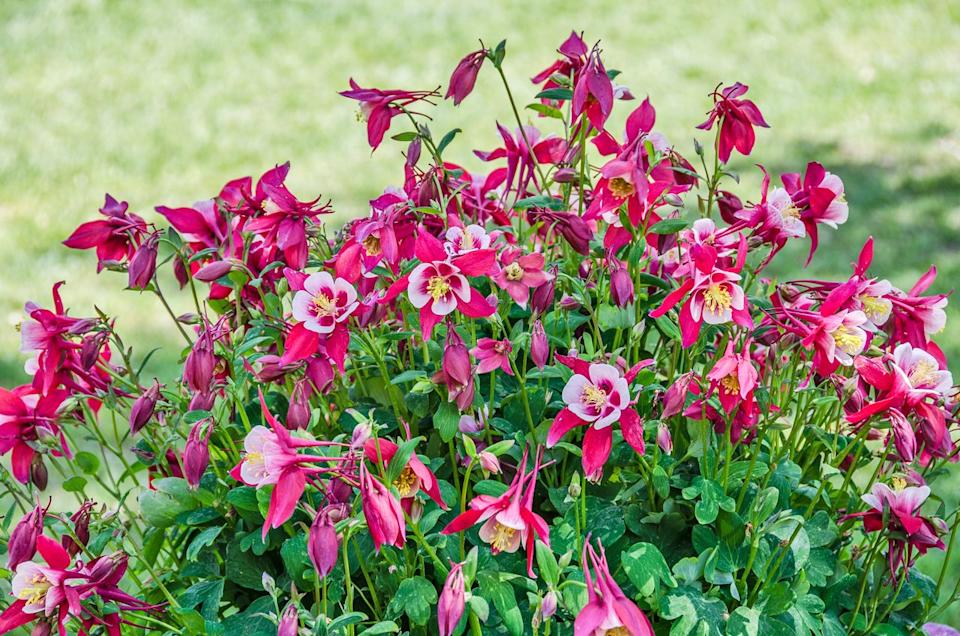
Credit: Getty Images
Columbine (Aquilegia spp.) is recognized by its delicate flowers with distinctive spurred petals in shades of red, purple, pink, yellow, and blue. “Their airy foliage and graceful blooms make them a natural fit for woodland gardens or partially shaded borders,” says Gifford. “Columbines are technically short-lived perennials, but they reseed so reliably that they often persist in gardens for many years.” She notes that the seedlings often display subtle variations from the parent plant, offering a surprise for gardeners every season.
02 of 10
Lemon Yellow Improved Coneflower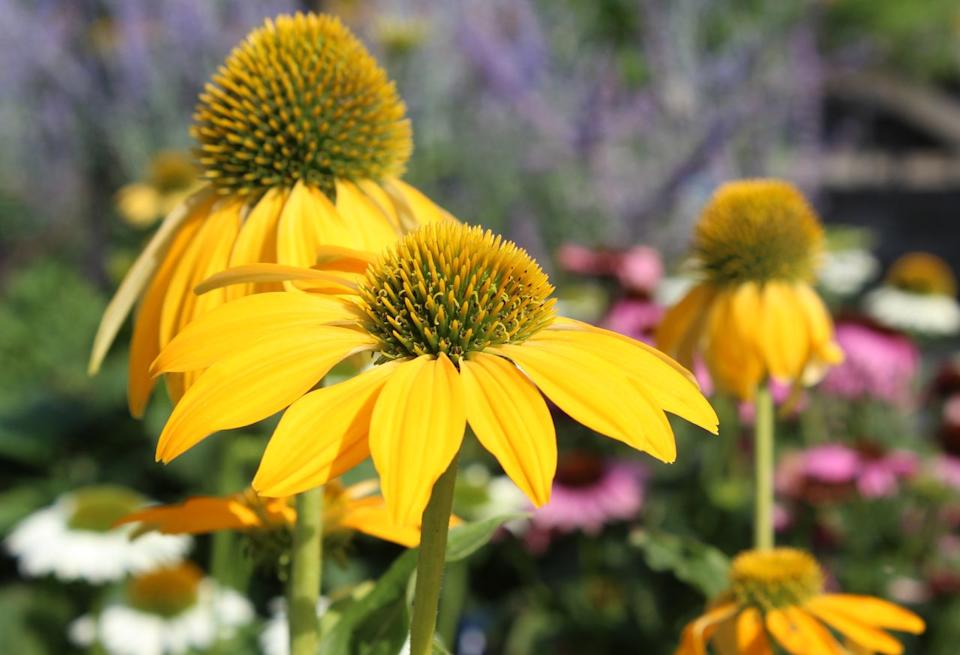
Credit: Getty Images
Coneflower is an excellent choice for a native, self-seeding perennial, and one especially beautiful variety is Echinacea Sombrero Lemon Yellow Improved Coneflower, says Kelly Funk, president and CEO of Jackson & Perkins. “This compact coneflower produces bright lemon-yellow petals surrounding a raised golden cone, creating sunny, daisy-like blooms that attract butterflies and pollinators throughout the season,” she says. “The plant grows in a tidy, upright mound, about 18 to 22 inches tall, making it ideal for borders or mixed perennial beds.” It prefers full sun and moist, well-draining soil.
03 of 10
Blanket Flower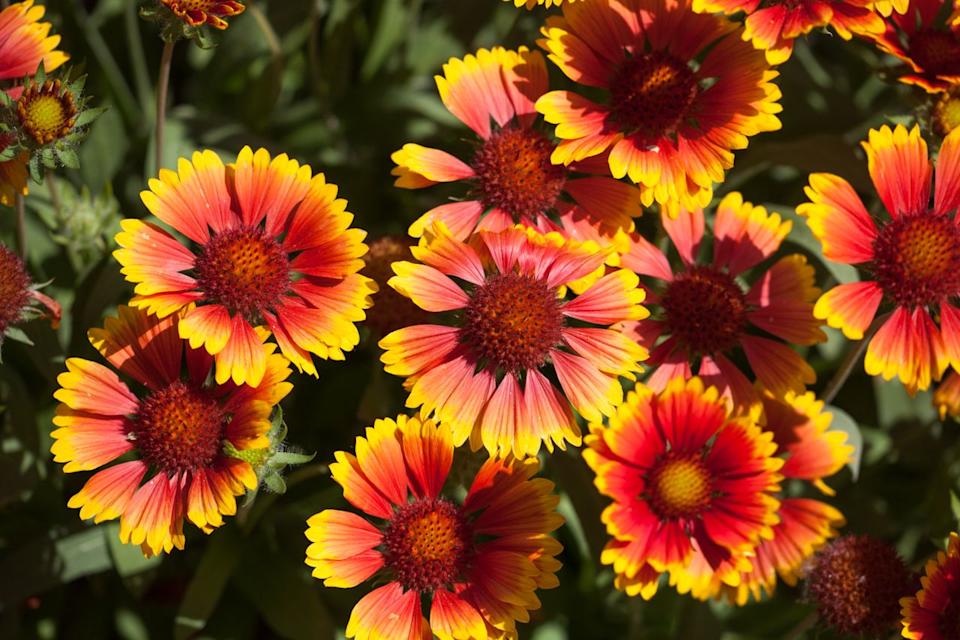
Credit: Getty Images
Blanket flowers (Gaillardia) look like small sunflowers, bringing warm tones to the garden with their red and golden daisy-like flowers. “These hardy perennials thrive in full sun and tolerate heat, drought, and poor soil surprisingly well,” says Gifford. “Because they prefer lean soil and open, sunny conditions, blanket flowers tend to reseed modestly rather than aggressively. Gardeners often find a few seedlings filling in gaps in the border, almost as if the garden is gently editing itself over time.”
04 of 10
Tickseed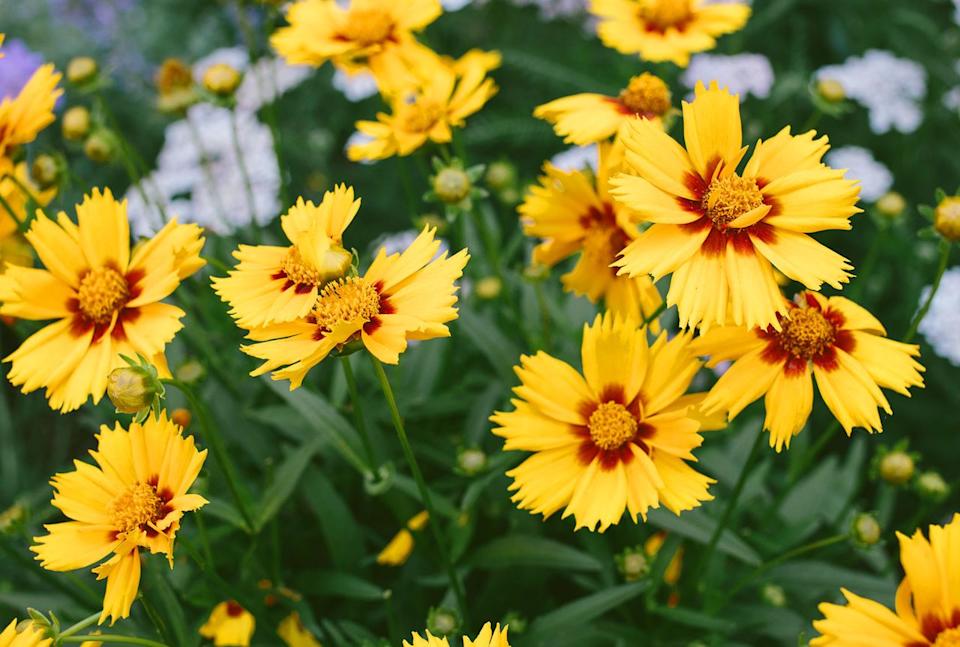
Credit: Getty Images
Tickseed (Coreopsis spp.) is admired for its whimsical, daisy-like blooms that appear in shades of yellow, soft pink, or bicolor combinations. “These easy-going perennials bloom generously throughout summer and produce small seeds after flowering that may sprout the following season,” says Gifford. “I often recommend coreopsis to gardeners who want a garden that feels a bit more natural and informal. When allowed to reseed lightly, the plants slowly fill in open spaces and soften the edges of garden beds.”
05 of 10
Wild Berry Coneflower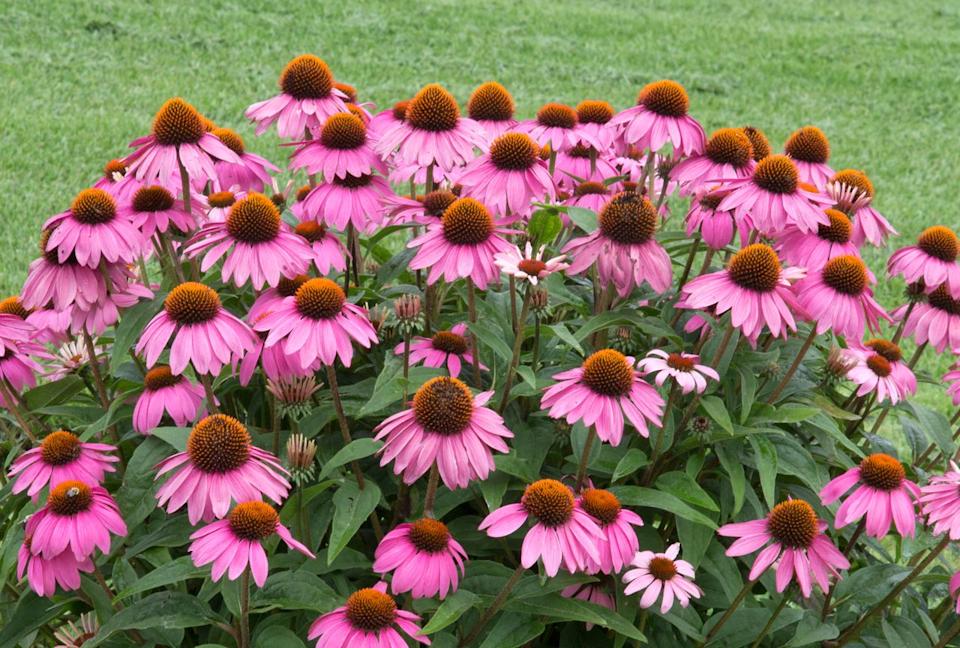
Credit: Getty Images
Another exceptional coneflower variety, Echinacea PowWow Wild Berry Coneflower produces large magenta-pink flowers with prominent central cones, putting on a show from early summer into fall. “The upright stems and long-lasting flowers also make it a popular choice for flower gardens,” says Funk. “Echinacea varieties are known for their resilience and ability to tolerate drought and poor soils once established, and they often reseed modestly if seedheads are left to mature.”
06 of 10
Bee Balm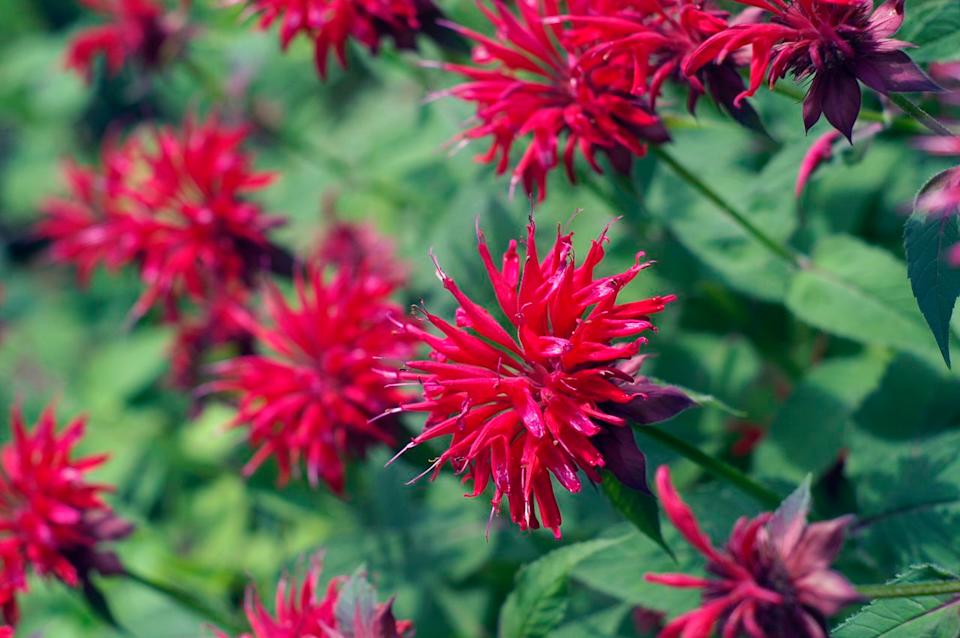
Credit: bg walker/ Getty Images
Bee balm (Monarda spp.) is a standout in pollinator gardens thanks to its bold blooms in shades of lavender, pink, and red. “Bee balm spreads slowly by underground rhizomes, but it also produces seeds that may germinate nearby,” says Gifford. “In many gardens, the occasional volunteer seedling helps create fuller clumps without much effort.” She recommends dividing bee balm every few years to keep it vigorous and contained.
07 of 10
Butterfly Weed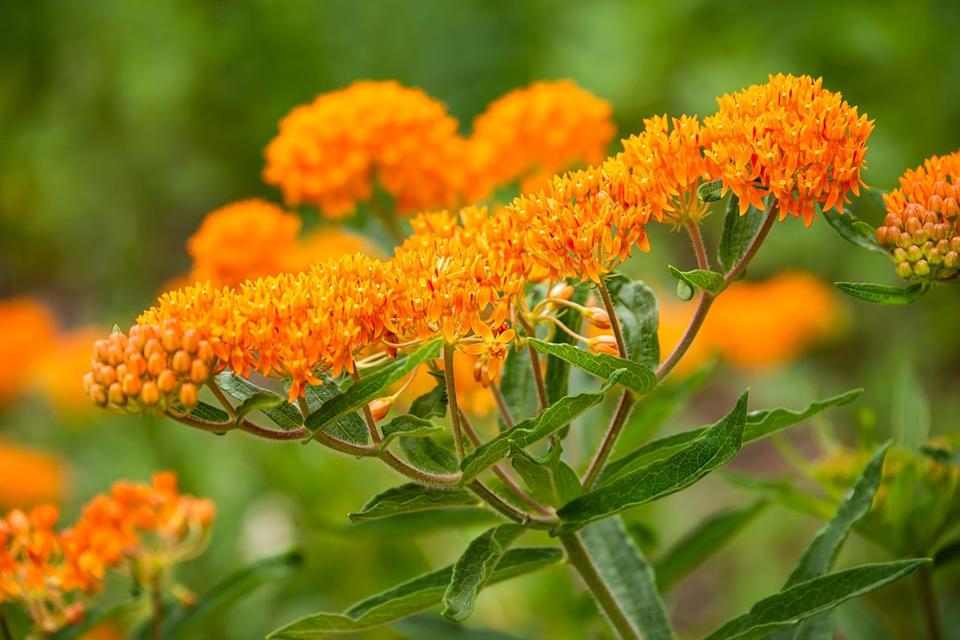
Credit: leekris / GETTY IMAGES
Despite its name, butterfly weed (Asclepias tuberosa) is a native perennial plant. It produces clusters of bright orange flowers throughout summer. It is an important nectar source for butterflies, making it a great addition to pollinator gardens. “Later in the season, slender seed pods form and eventually release silky seeds that drift on the breeze,” says Gifford. “Despite this dispersal strategy, butterfly weed tends to remain well behaved because it grows in tidy clumps.” It prefers sunny, well-draining soil; seedlings will only establish in the right conditions.
08 of 10
Beardtongue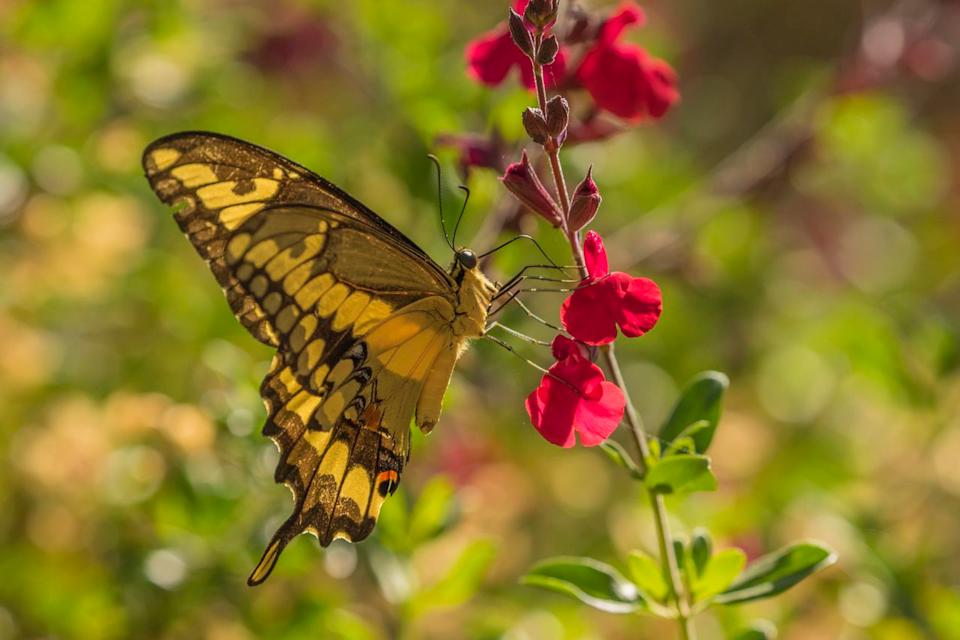
Credit: Danita Delimont / Getty Images
Beardtongue (Penstemon) varieties are irresistible to hummingbirds due to their spikes of tubular flowers that bloom in shades of pink, purple, and blue. “In the right conditions, penstemon will drop seed and occasionally produce a few new plants nearby,” says Gifford. “The seedlings are usually sparse and easy to relocate, which makes them ideal for gardeners who want a naturalized look without the risk of aggressive spreading.”
09 of 10
Black-Eyed Susan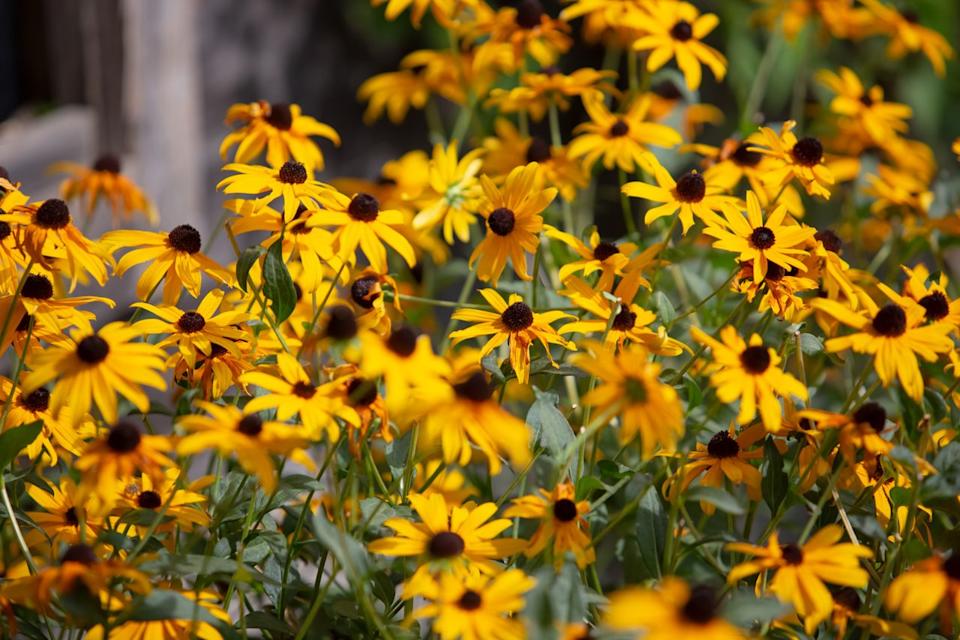
Credit: Photography By Tonelson / Getty Images
Black-eyed Susans (Rudbeckia) are classic garden flowers that brighten the landscape with their cheerful yellow blooms. Invaluable for birds and pollinators, this plant provides nectar and later produces edible seedheads that may scatter around the garden and reseed. “The resulting seedlings often create cheerful drifts of flowers the following season, particularly in sunny beds and meadow-style gardens,” says Gifford.
10 of 10
Prairie Smoke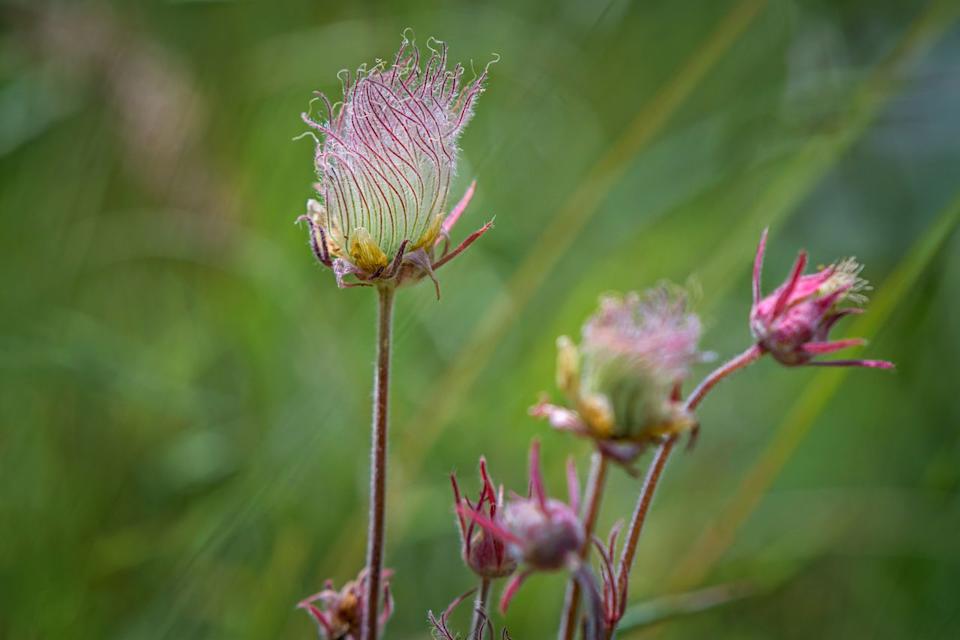
Credit: Diana Robinson Photography / Getty Images
A charming option for naturalistic gardens, prairie smoke (Geum triflorum) produces beautiful pink flowers from mid-spring through summer. “But their most memorable feature appears later when the seedheads develop into soft, feathery plumes that resemble wisps of smoke floating above the foliage,” says Gifford. “These seeds can settle into nearby soil and gradually establish new plants over time.”
Read the original article on Martha Stewart
Comments are closed.