
Your garden will thank you
Gardeners urged to add five surprising items to compost piles this spring(Image: Emilija Manevska via Getty Images)
Many gardeners will be eager to venture outdoors again as milder weather arrives. Aside from pruning and planting, another way green-fingered enthusiasts can launch their spring gardening is by producing the “perfect compost” to nurture new growth.
Richard King, garden expert at Dino Decking, has shared guidance on how to maximise your waste by revealing lesser-known items that can be added to your garden.
He said: “As spring brings longer days and warmer temperatures, gardeners will now see their compost piles thrive, and for those who are just starting theirs, now is a great time to get recycling.
“Compost heaps are great for the soil, feeding plants rich nutrients and are a great way to give back to nature. By composting these often-overlooked materials, you’re reducing waste whilst enriching your soil with diverse nutrients.”
Five things you can compostOld sponges
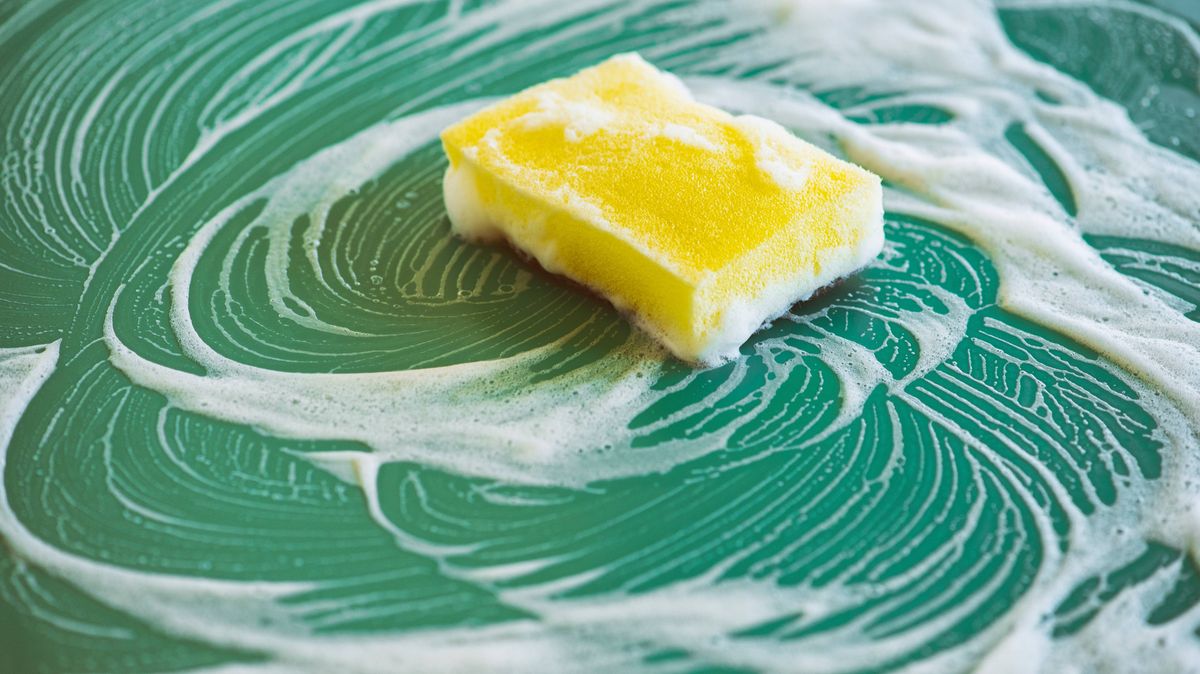
Rather than discarding worn-out sponges, cut them up and incorporate them into your compost heap.
Providing they’re manufactured from natural sources such as loofah or cellulose, the gardening expert explained they’re excellent for balancing the “nitrogen-rich materials” and absorbing moisture, reports the Express.
This helps maintain the compost pleasantly damp for microbial activity. Richard noted: “Synthetic kitchen sponges, however, should never be composted as they can add toxins to the compost.”
Old sponges can also go at the base of plant pots, underneath the soil and plant. Gradually, they can steadily release moisture to the plant, which proves particularly useful during summer.
Breads and pastries
Beyond old sponges, you can add any remaining plain bread, cracker fragments, or baked items to your compost, provided they’re free from butter.
Hairballs
The expert went on: “It might not be the most appealing addition, but both pet and human hair are great for composting.
“Hair is rich in nitrogen, which helps the other materials break down faster and contributes to a fertile final product.
“Hair can also help aerate compost piles, but too much may lump together in large amounts and can actually slow decomposition.”
Combining the hair with dry substances, like straw, can help you incorporate it more effectively.
Feathers
Much like hair, bird feathers also work brilliantly in compost heaps as they’re an excellent nitrogen source.
The expert noted: “However, they can take a long time to break down, so breaking them up into smaller pieces can help to decompose and contribute to a healthy, diverse compost.”
Corks
Following a glass of wine, simply throw the cork onto your compost heap to help create a “biodiverse compost”. Natural cork makes the “perfect” compost addition, the expert suggests, as it’s biodegradable.
Though remember to chop or grind it finely, as it can take considerable time to decompose.
Comments are closed.