
Credit: Getty Images / REDA&CO
Mother Nature is unpredictable. Despite our best efforts, record-breaking rainfall events or severe heat and drought can take their toll on plants. What’s a gardener to do in the face of such extremes? Plant tougher plants. These rugged perennials and shrubs stand up to the worst weather without sacrificing style to keep your garden looking its best all season long. They tolerate a range of growing conditions and thrive without pampering. Use these hard-to-kill plants to simplify gardening on your most challenging sites or anywhere in the garden to ensure lasting blooms and weather-resistant foliage.
While these plants are selected for their ability to withstand challenging weather and site conditions, they do require care during establishment. Provide supplemental irrigation as needed during the first year after planting to develop a robust root system.
01 of 14
Daylily
Credit: Getty Images
Botanical Name: Hemerocallis spp.
Sun Exposure: Full sun to part shade
Soil Type: Medium to moist, well-draining, rich
Soil pH: Slightly Acidic (6.0-6.5)
USDA Hardiness Zones: 4 to 9
Daylilies are surprisingly tough plants. They tolerate just about any well-drained soil and are drought tolerant once established, though foliage looks best when plants are watered during dry spells. Daylilies thrive in the heat and humidity of Southern gardens and are highly salt tolerant. Divide daylily clumps every three to four years for best performance.
02 of 14
Switchgrass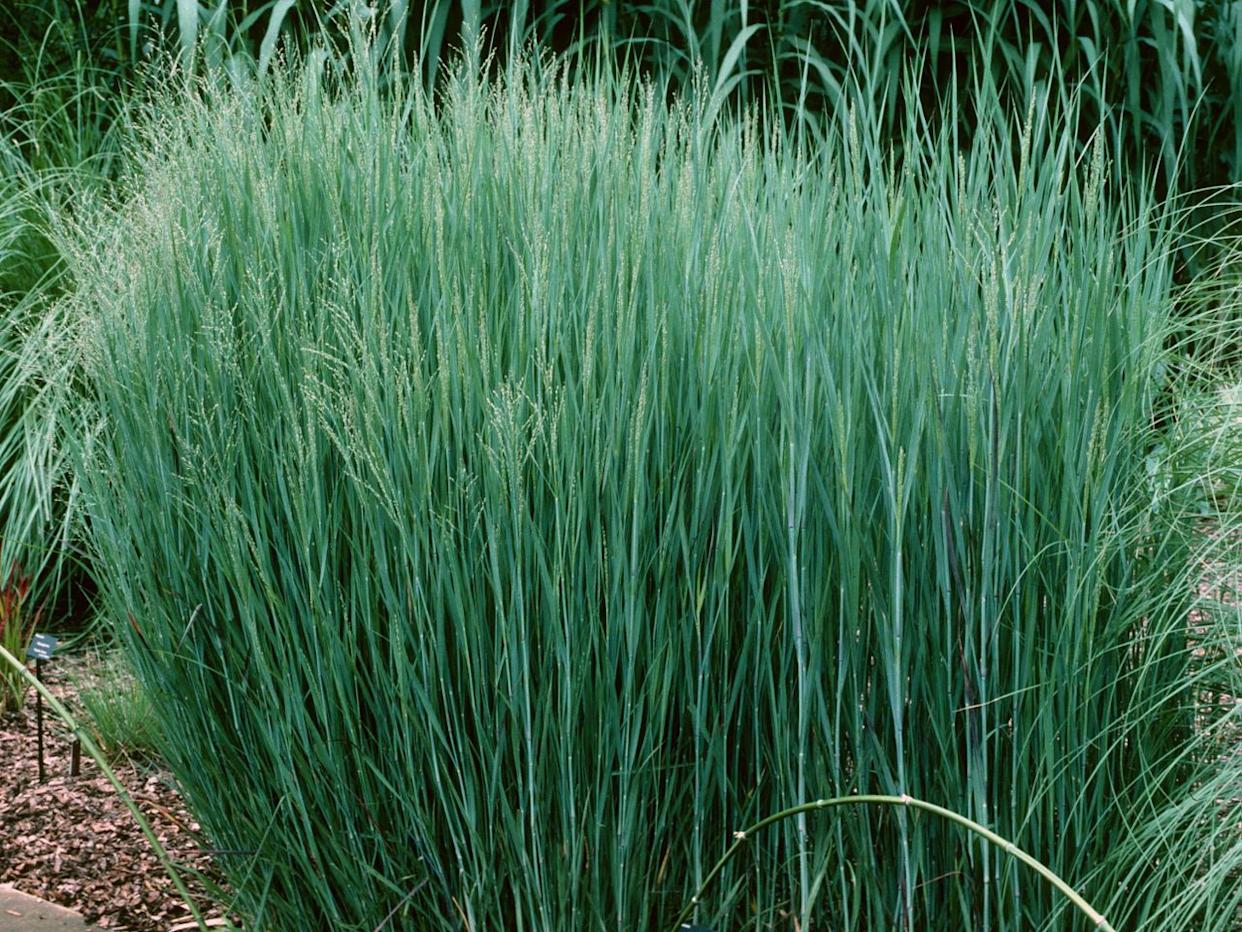
Credit: John Ruter, University of Georgia, Bugwood.org
Botanical Name: Panicum virgatum
Sun Exposure: Full sun to part shade
Soil Type: Medium to moist, well-draining, average
Soil pH: Acidic to alkaline (5.0-8.0)
USDA Hardiness Zones: 4 to 9
Grasses add drama and texture to the landscape, and many are quite adaptable. Switchgrass thrives in a variety of soil and moisture conditions, making it ideal for rain gardens and water-wise landscapes alike. Plants can be used on slopes to provide excellent erosion control and tolerate heat and humidity. They add vertical structure and airy seedheads to the garden aesthetic.
03 of 14
Flowering Quince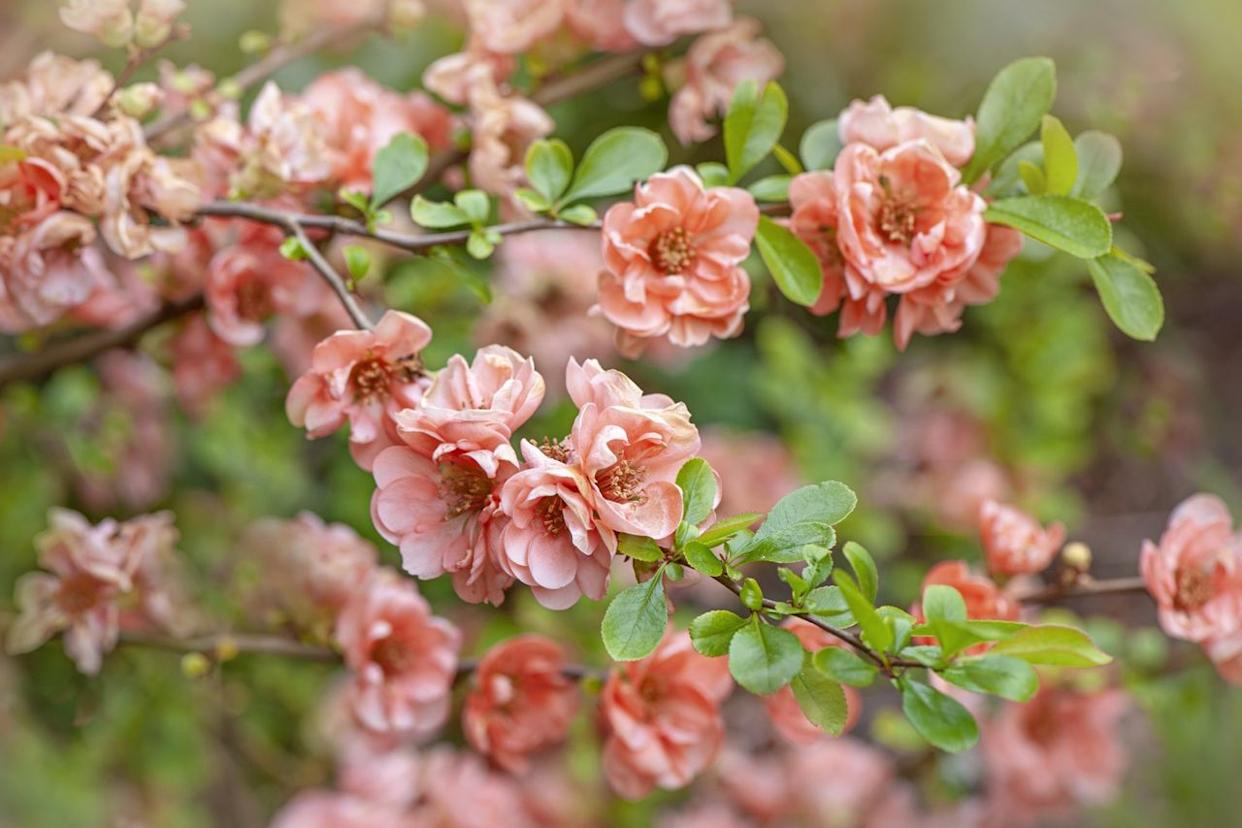
Credit: Jacky Parker Photography/Getty Images
Botanical Name: Chaenomeles speciosa
Sun Exposure: Full sun to part shade
Soil Type: Average, well-draining
Soil pH: Slightly Acidic (5.5-6.2)
USDA Hardiness Zones: 5 to 8
Drive along the country roads and you’ll see flowering quince blooming in the most neglected landscapes. This tough shrub puts on a stunning spring display, with showy rose-like blooms lining gracefully arching branches. Modern varieties are thornless and disease resistant.
04 of 14
Daffodils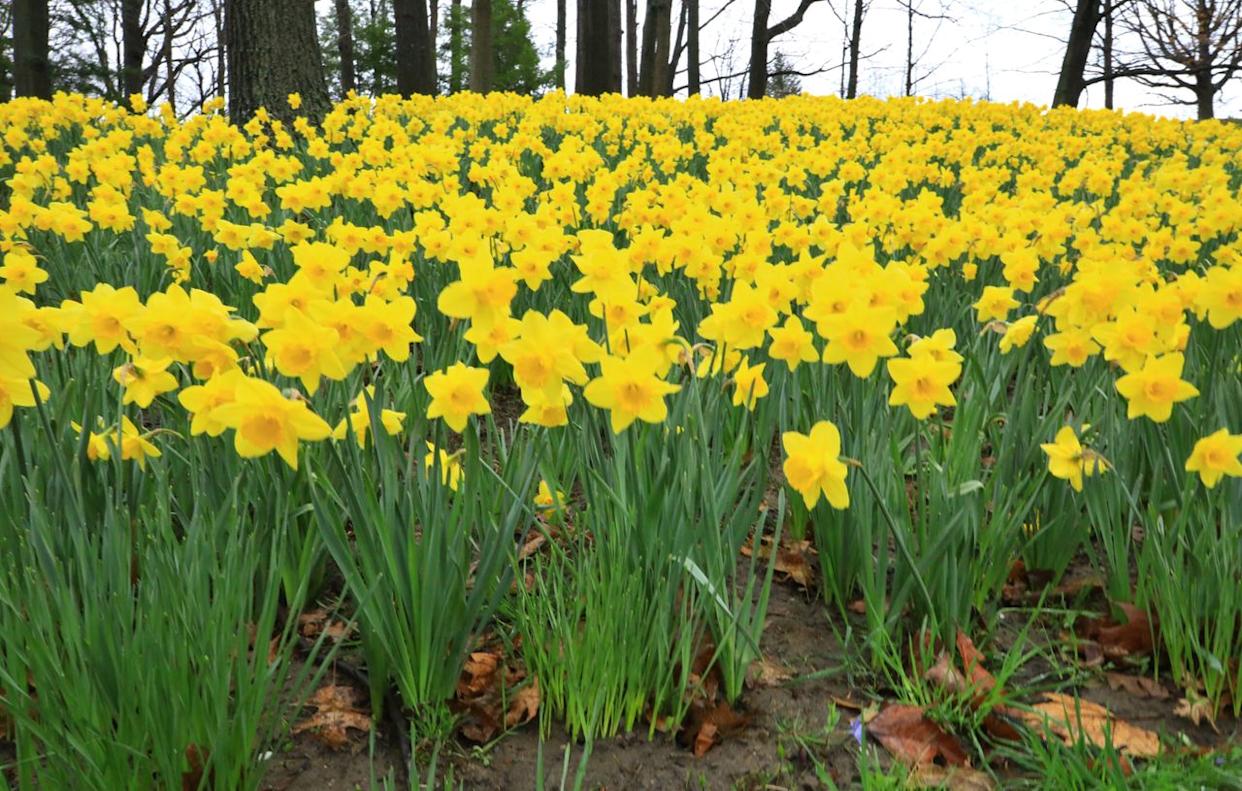
Credit: Getty Images
Botanical Name: Narcissus spp. and hybrids
Sun Exposure: Full sun to part shade
Soil Type: Medium to moist, well-draining
Soil pH: Acidic to neutral (6.0 to 7.0)
USDA Hardiness Zones: 3 to 8
Daffodils are among the most reliable spring bulbs, producing an abundance of cheerful yellow blooms in early spring. They go dormant during the most challenging times of the year and otherwise require very little care. Their one requirement is well-draining soil to prevent bulbs from rotting.
05 of 14
Autumn Sage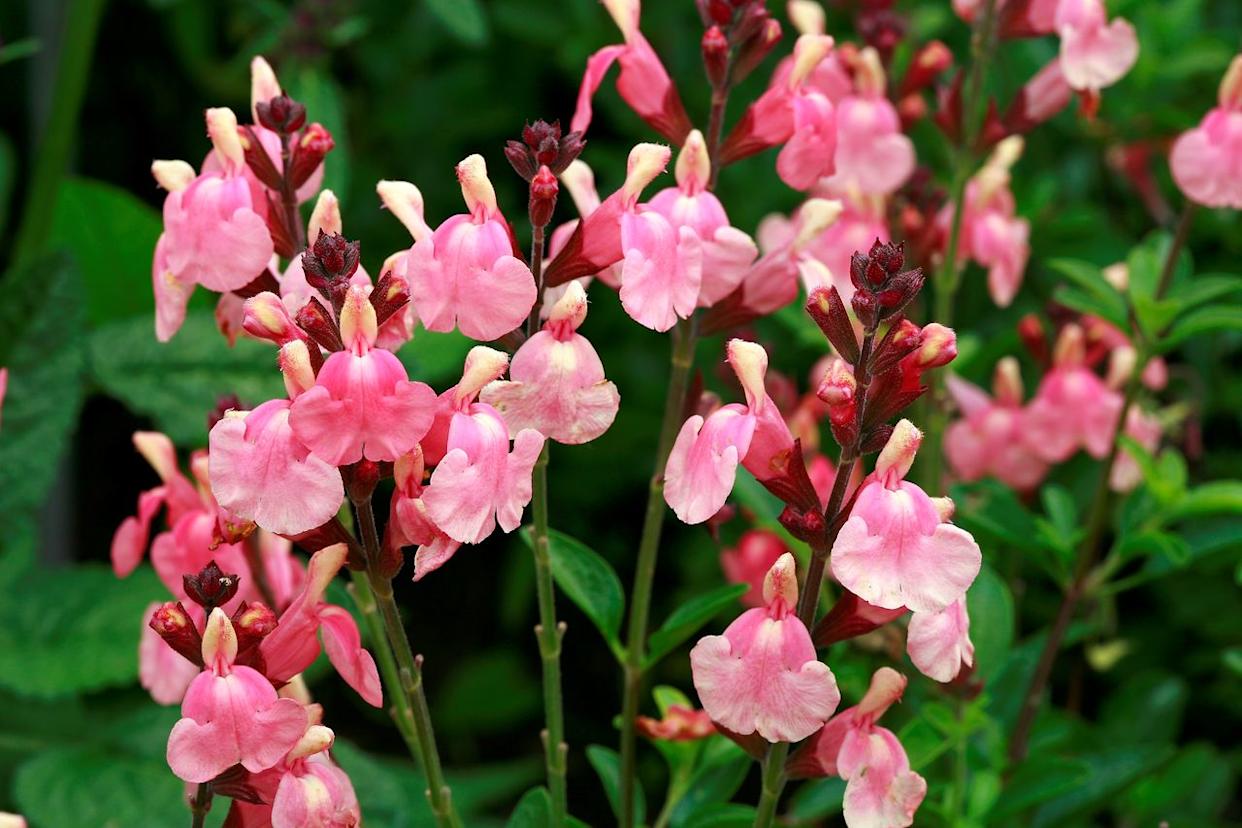
Credit: Getty Images / REDA&CO
Botanical Name: Salvia greggii
Sun Exposure: Full sun to part shade
Soil Type: Dry to medium, well-drained
Soil pH: Neutral to slightly alkaline (6.5-7.8)
USDA Hardiness Zones: 6 to 9
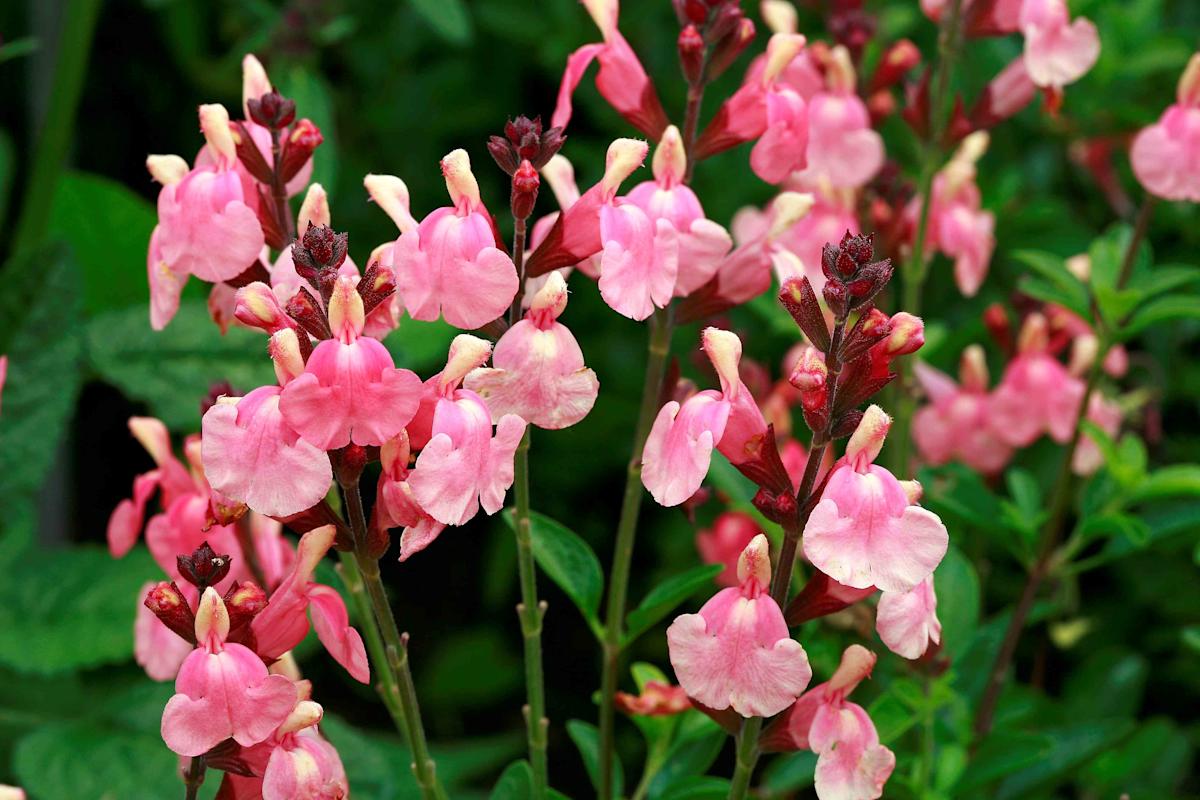
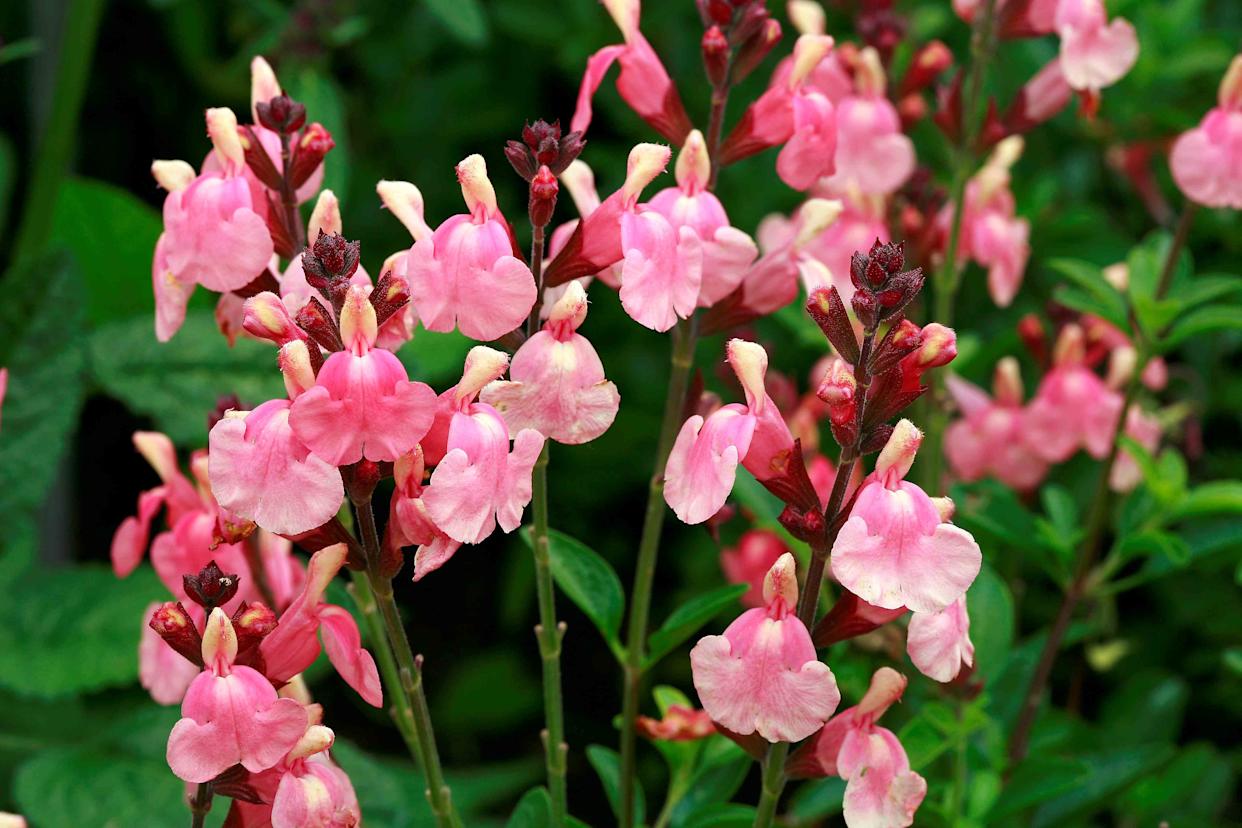
Autumn sage is a drought tolerant native that thrives in hot, sunny gardens on a range of soil types from rocky slopes to clay. Plants flower on and off throughout the season followed by a magnificent autumn display. The tubular blooms attract
hummingbirds and butterflies while the aromatic foliage remains evergreen through much of its range. Plants resist browsing deer and rabbits and tolerate coastal conditions.
06 of 14
Russian Sage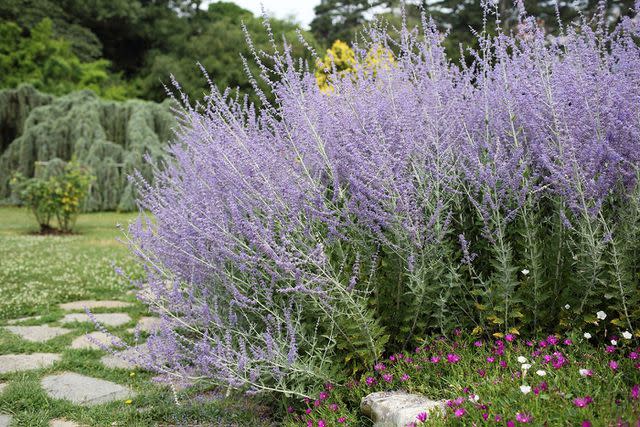
Credit: Photo: White Oak Gardens
Botanical Name: Salvia yangii (formerly Perovskia atriplicifola)
Soil Type: Dry to medium, well-drained, average
Soil pH: Slightly Acidic to alkaline (6.0-8.0)
USDA Hardiness Zones: 4 to 9
With silvery foliage and a long blooms season, Russian sage provides months of color and texture to the garden. Periwinkle blue flowers attract an abundance of bees, butterflies, and hummingbirds from mid-summer through fall and make excellent, fragrant cuttings. Russian sage thrives on hot, dry sites in any soil and tolerates deer and rabbit browsing.
07 of 14
Oakleaf Hydrangea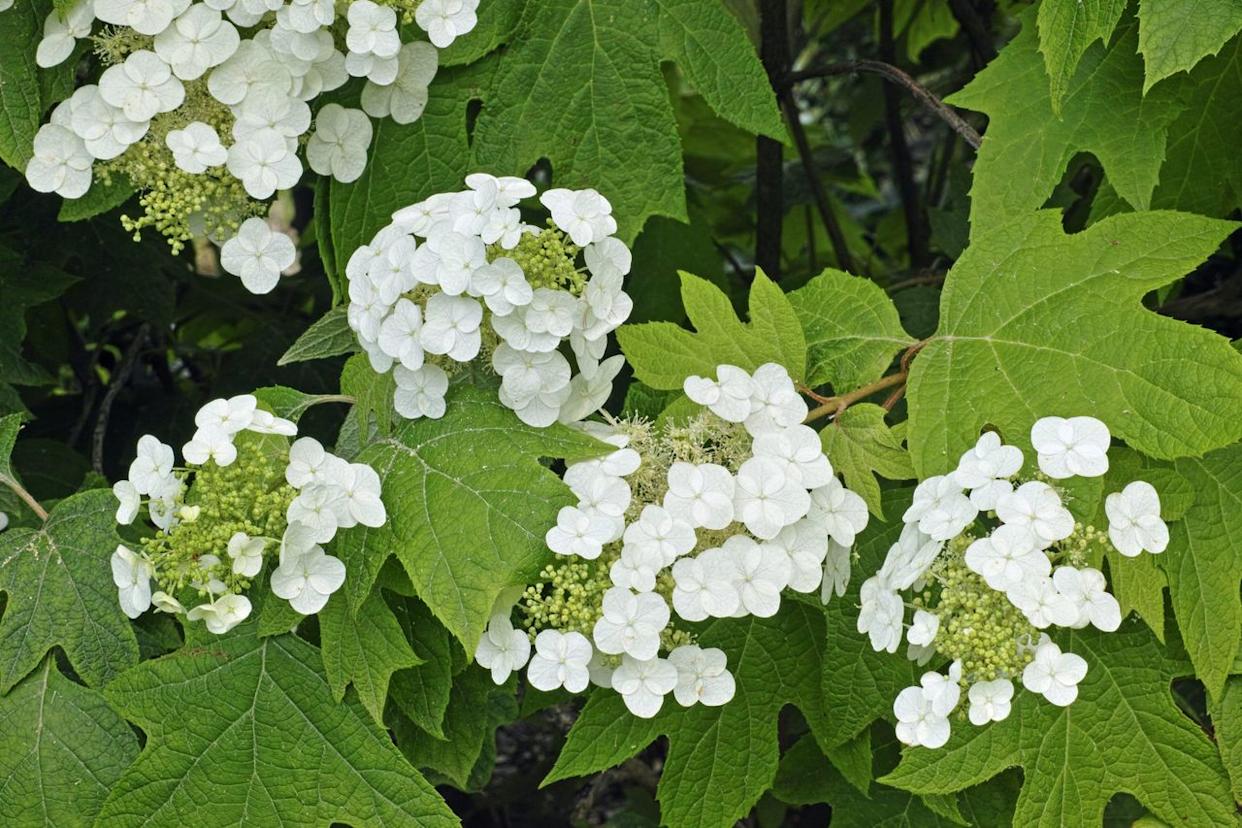
Credit: ffaber53/Getty Images
Botanical Name: Hydrangea quercifolia
Sun Exposure: Partial to full sun, filtered shade
Soil Type: Medium to moist, well-draining, rich
Soil pH: Acidic to neutral (5.0-7.0)
USDA Hardiness Zones: 5 to 9
With bold, deeply lobed foliage and large flower panicles, oakleaf hydrangeas add plenty of flair to shady gardens. Despite their native habitat in moist woods and along stream banks, plants tolerate dry soil and drought. The showy, long-lasting blooms make excellent cut flowers and attract pollinators to the garden. Seeds are eaten by songbirds in autumn, when foliage takes on gleaming red and purple hues.
08 of 14
Deciduous Holly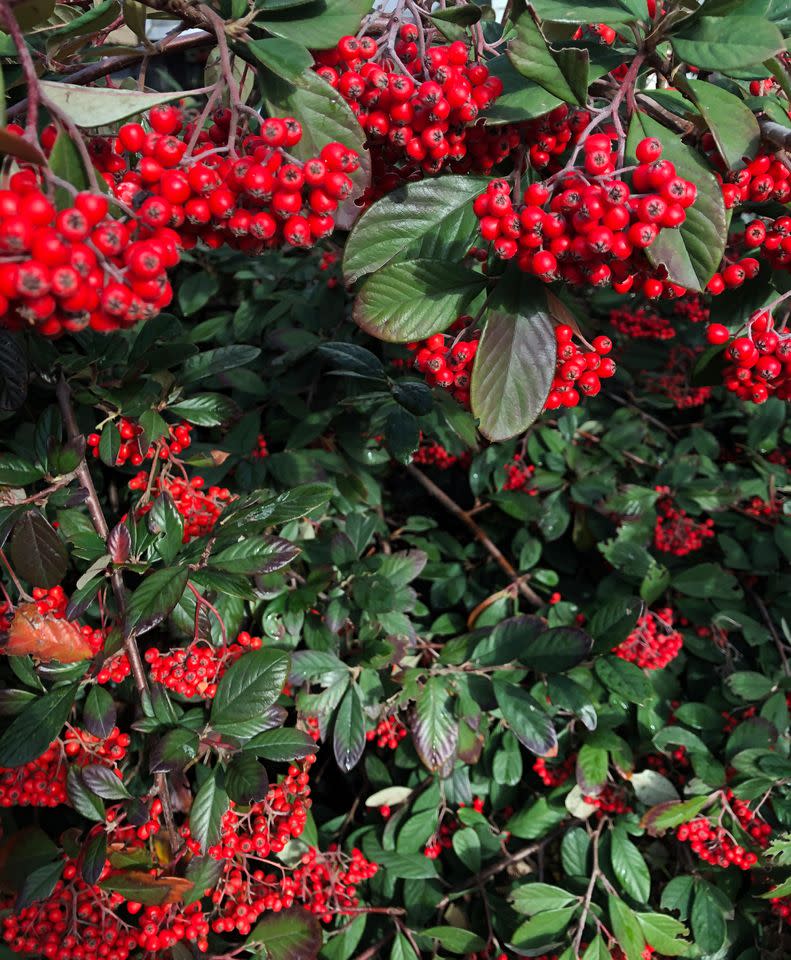
Credit: Getty Images
Botanical Name: Ilex decidua
Sun Exposure: Full sun to part shade
Soil Type: Medium moisture, average fertility
Soil pH: Acidic to neutral (5.5-7.0)
USDA Hardiness Zones: 5 to 9
Few plants make as big an impression as deciduous holly does when dressed in autumn berries. The red fruits cling to branches through most of the winter until songbirds strip them late in the season. Growing as a small tree or large shrub, deciduous holly tolerates both drought and periods of wet soil, making an ideal selection for raingardens or any area where water tends to collect after a rain.
09 of 14
Turk’s Cap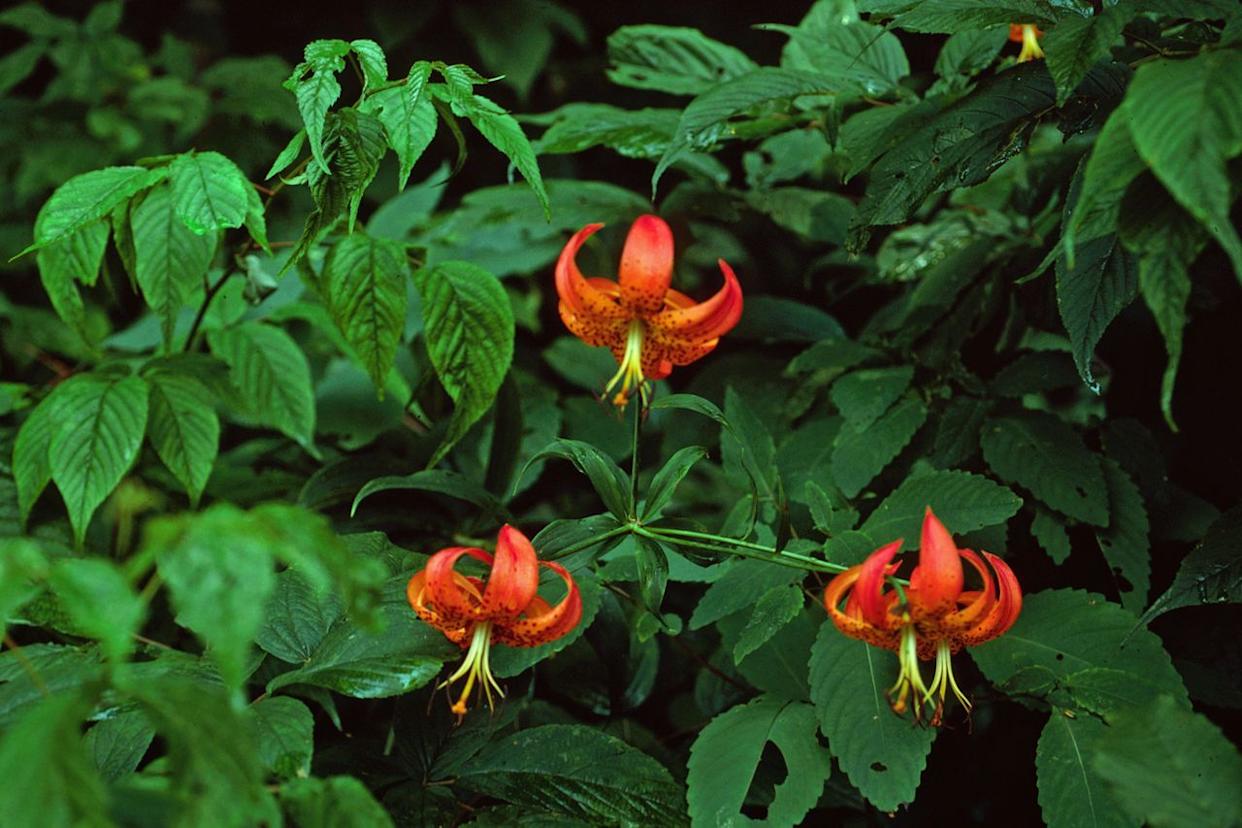
Credit: Charles T. Bryson, USDA Agricultural Research Service, Bugwood.org
Botanical Name: Malvaviscus arboreus var. drummondii
Sun Exposure: Full sun to shade
Soil Type: Dry to moist, well-draining
Soil pH: Slightly acidic to neutral (6.0-7.5)
USDA Hardiness Zones: 7 to 10
This drought tolerant native grows naturally on some challenging sites, from limestone ledges to erosion-prone streambanks. Plants flower summer through fall, bringing months of vibrant red color to the garden. The uniquely twisted flowers support hummingbirds and butterflies, while bright red fall fruits are favored by songbirds.
10 of 14
Threadleaf Coreopsis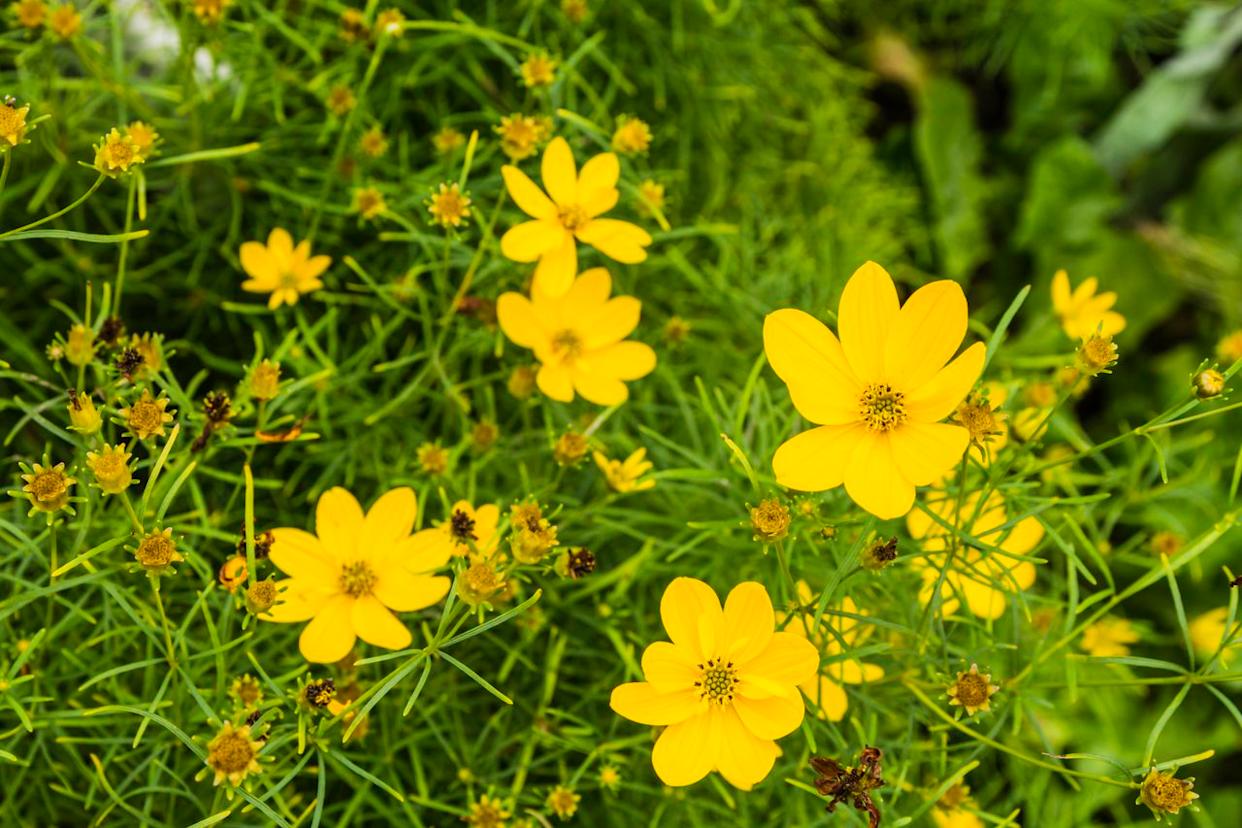
Credit: Getty Images
Botanical Name: Coreopsis verticillata
Soil Type: Dry to medium, well-draining, lean
Soil pH: Acidic to neutral (5.5-7.0)
USDA Hardiness Zones: 3 to 9
With airy foliage and sunny daisy-like blooms, threadleaf coreopsis may look delicate but this native perennial is one tough plant. Plants tolerate heat and drought, deer and rabbits, poor soil and salt, all while producing an abundance of long-lasting blooms. Numerous cultivated varieties are available, exhibiting compact growth and/or unique flower colors. This long-lived beauty looks stunning when planted in mass, where it draws native bees and butterflies to the garden.
11 of 14
Hellebore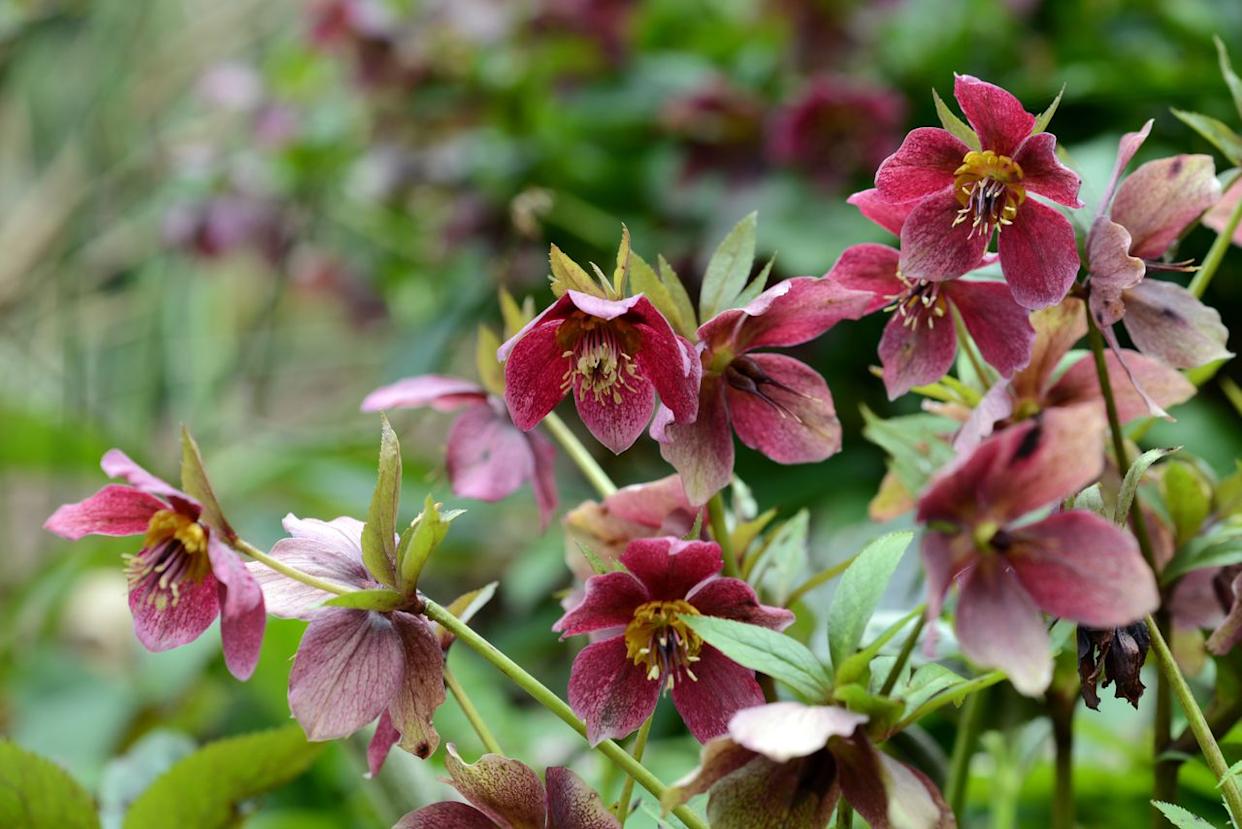
Credit: Getty Images
Botanical Name: Helleborus spp.
Sun Exposure: Partial to full shade, dappled sun
Soil Type: Dry to medium, well-draining, rich
Soil pH: Neutral to alkaline (6.5-8.0)
USDA Hardiness Zones: 4 to 9
The deeply lobed evergreen foliage and winter to early spring blooms of hellebores are a welcome sight when little else is showing in the garden. Hellebores make a hardy addition to shady gardens, where they are not bothered by deer and tolerate heavy shade and a range of soils, from loamy to dry, clay to shallow and rocky. With good tolerance to air pollution, hellebores also make great urban plantings.
12 of 14
Fragrant Sumac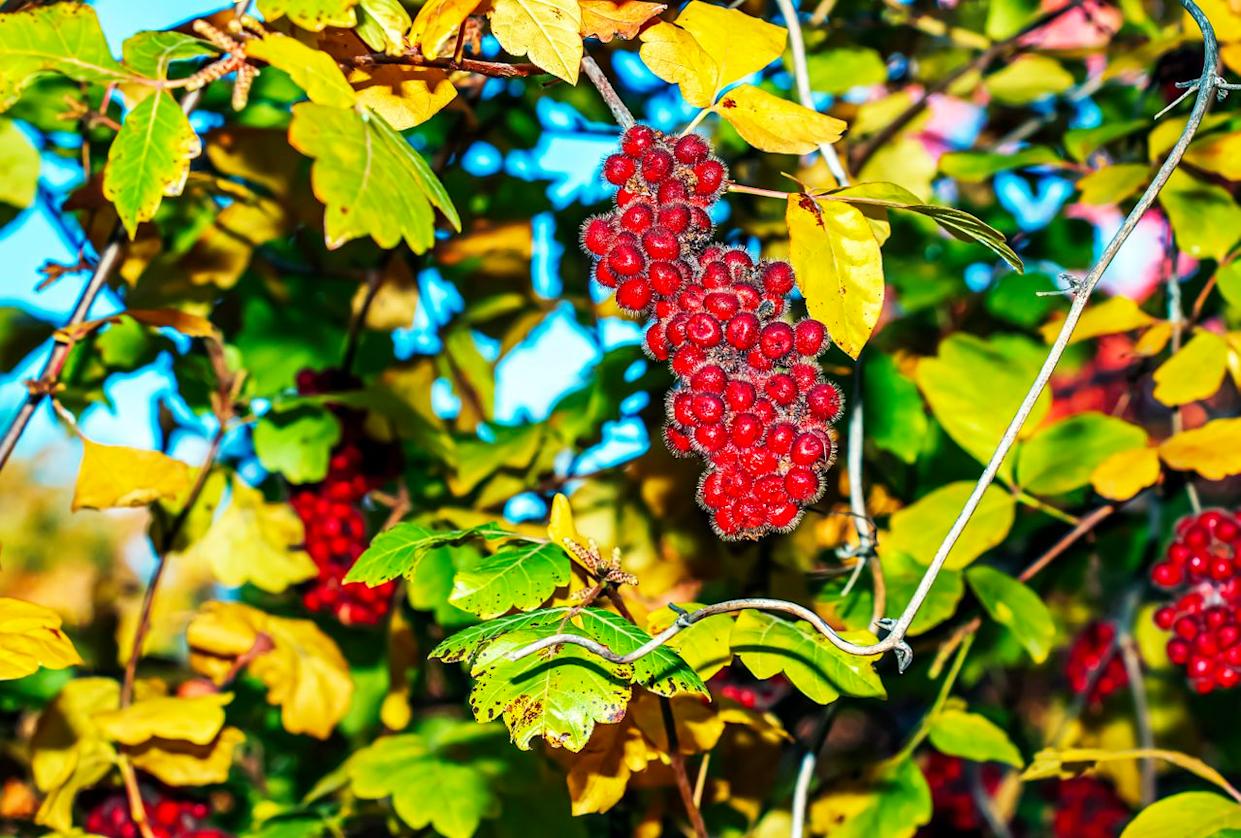
Credit: Getty Images
Botanical Name: Rhus aromatica
Sun Exposure: Full sun to part shade
Soil Type: Dry to medium, well-draining, average
Soil pH: Acidic to Alkaline (5.0 to 8.0)
USDA Hardiness Zones: 4 to 9
Named for its lemon-scented foliage, this native shrub is a real problem solver. It thrives under black walnuts, is resistant to rabbits, and makes an excellent groundcover for stabilizing slopes and eroded soils. The toothed, trifoliate leaves ramble to form a dense groundcover and turn brilliant red and orange hues in autumn. Small summer blooms attract butterflies and luna moths, while late season berries are favored by robins, flickers, and grouse. The variety ‘Gro-Low’ is widely available at garden centers, while native plant nurseries often carry wild-type plants.
13 of 14
Bearded Iris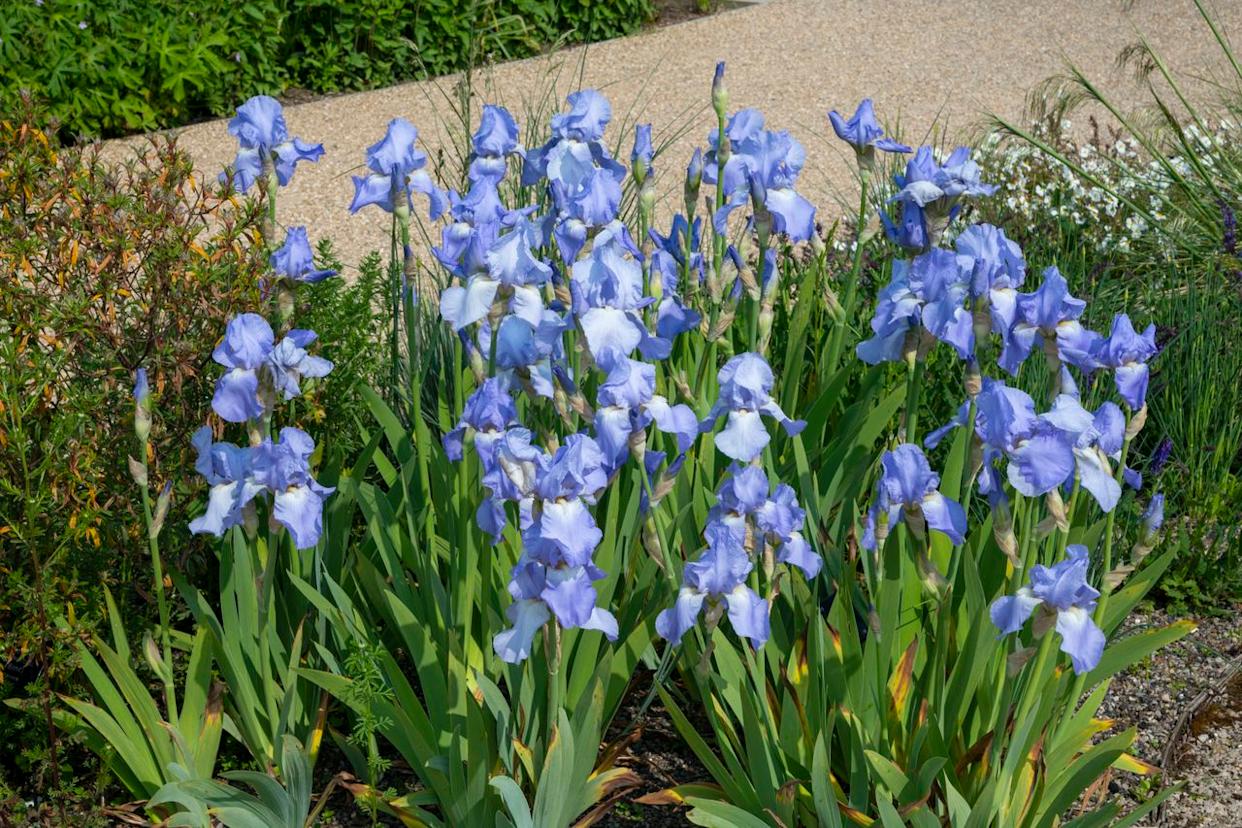
Credit: Getty Images
Botanical Name: Iris germanica
Soil Type: Medium, well-draining, rich
Soil pH: Slightly acidic to neutral (6.5-7.0)
USDA Hardiness Zones: 3 to 9
Named for the Greek goddess of the rainbow, irises are available in a wide range of flower colors and patterns. Blooms stand atop sturdy stems and make excellent cut flowers. Upright, sword-shaped foliage provides interesting structure and texture to any garden. Plants grow from a thick rhizome and spread to form dense clumps that benefit from late summer division every few years.
14 of 14
Yarrow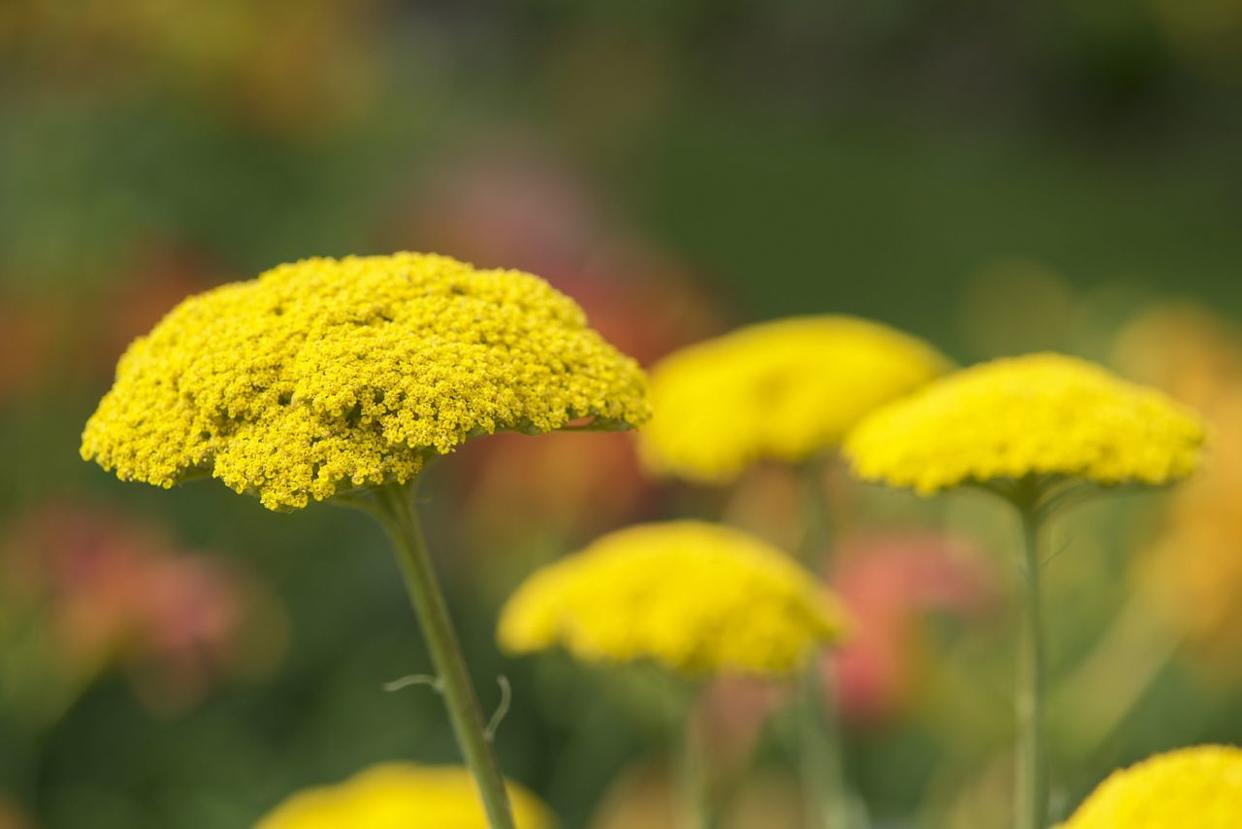
Credit: Gail Shotlander / Getty Images
Botanical Name: Achillea spp. and cltvs.
Sun Exposure: Full sun to part shade
Soil Type: Dry to medium, well-draining
USDA Hardiness Zones: 3 to 9
Yarrows include numerous species and cultivars, including some natives, all of which stand up to tough growing conditions. The flat-topped flower clusters hold hundreds of yellow, white, pink, or red blooms that provide a rich source of nectar to native bees, butterflies, and numerous beneficial insects. The ferny foliage spreads to create a gorgeous groundcover that remains evergreen in mild climates.
Read the original article on Southern Living
Comments are closed.