
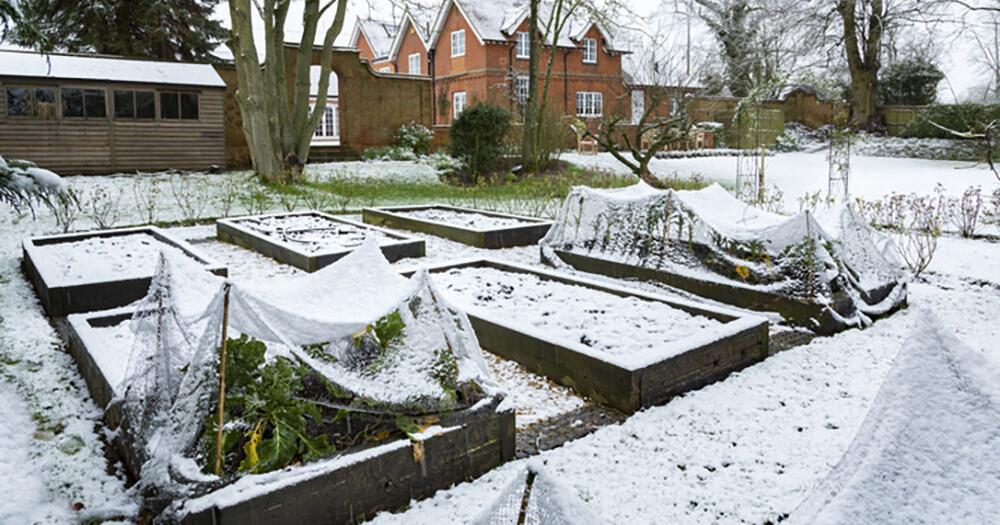
The snow is gradually melting, the sap is running and we gardeners are looking out our windows like kids looking at the tree on Christmas morning. It’s a delicate balance getting yourself and your garden ready. In a few days, I’ll go out and try to break up some of the snow and ice on the cement pad at the back of my garden which -— because of the shade and shelter from wind — collects a lot of snow. It is where I leave the planters that I don’t bring in over the winter.
I’ll break up the snow and ice and shovel it into the sunnier spots to melt. I will also be tempted to start tidying up in the beds themselves. I must resist this temptation, and so should you! Tromping around on wet earth that will freeze again compresses the soil which is bad for growth. Only walk where you don’t expect to grow things when the ground is sodden.
A few weeks from now will come a time when the ground has dried out a little and there is no real risk of a deep ground frost. Just before most green things start to come up is such a productive time in the garden. You can go out and rake up dead leaves, trim dead branches, etc. before the garden puts on its green party dress.
It is a great time to really see the bones of one’s garden as it were and assess. “Ah, that’s the spot where I put that hydrangea last year. Did the mock-orange survive being transplanted? Am I willing to give up that much space — yet again — to that spindly rose that has never flowered? Yeesh. That corner really looks bad; I’ll need to get in there.”
Even then it is a good idea to use your rake to reach as much as possible and try to stand in dry spots or steppingstones if you were clever enough to put them down last year. First, you won’t squash anything that is starting to come up and second, you won’t get scolded for tracking in mud. Spring is mud season even when the ground has begun to dry.
A word about pruning in early spring. Once I get the secateurs in my hand and am finally unleashed on the garden it can be hard for me to hold back from cutting. In those first few weeks it can be tough to know if a woody branch or vine is dead or just dormant. Grape vines will look terrible. Clematis looks absolutely horrid. Hydrangeas look like they have died right down to the ground. But grapes, clematis and some hydrangeas and many others grow new growth on old wood that is brittle and brown and dead looking until May or June.
All of the above can survive a hard spring prune but I have been shocked to find green buds on stems on a plant a week after I nearly trimmed them because they looked so very dead. This is important if you are trying to train a plant upward towards the sun. If you don’t positively know that a plant dies back to the ground and you want for it to reach up, trim dead leaves but don’t cut the wood.

Photo: Courtesy Jeremy Wexler
Another trick for deciding if something that has left an above-ground stem has died over the winter. Before cutting something back or digging it up, give it a tug. A plant that is solid in the soil is probably alive and just playing possum. This is also true if the above ground bit pulls away and leaves the root and a crown, like with peonies. A plant that is dead, the roots will usually come up quite easily with the stem. I have several sages which look like bundles of sad twigs at the end of the winter.
From time to time I think they have finally shuffled off their mortal coil, but when I give them a yank, I find that they are as solid as if they were nailed in place. A few weeks later the dead-looking wood produces buds. I planted lavender last year. I find lavender is a mixed bag in my garden and they look dreadful until they look gorgeous and who wants to have an ugly bunch of dead twigs taking up prime real estate. A good tug in mid-April will tell me whether they have a chance or not.
Jeremy Wexler lives and gardens in Montreal. He also loves reading great garden writing. Do you have a question, a tale of woe or a favourite plant you are waiting to see emerge from the snow? Jeremy will read everything you send.
jeremywexler9@gmail.com
Comments are closed.