
An everyday item can help keep snails and slugs at bay this spring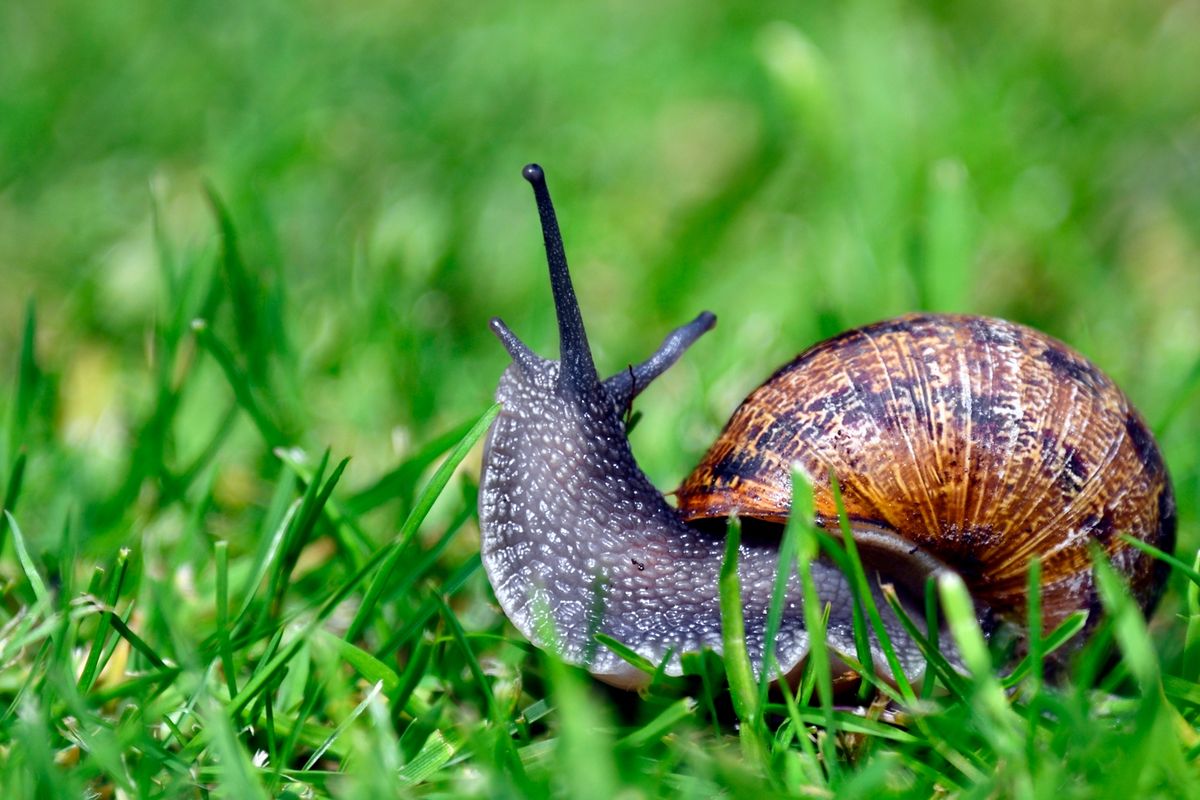
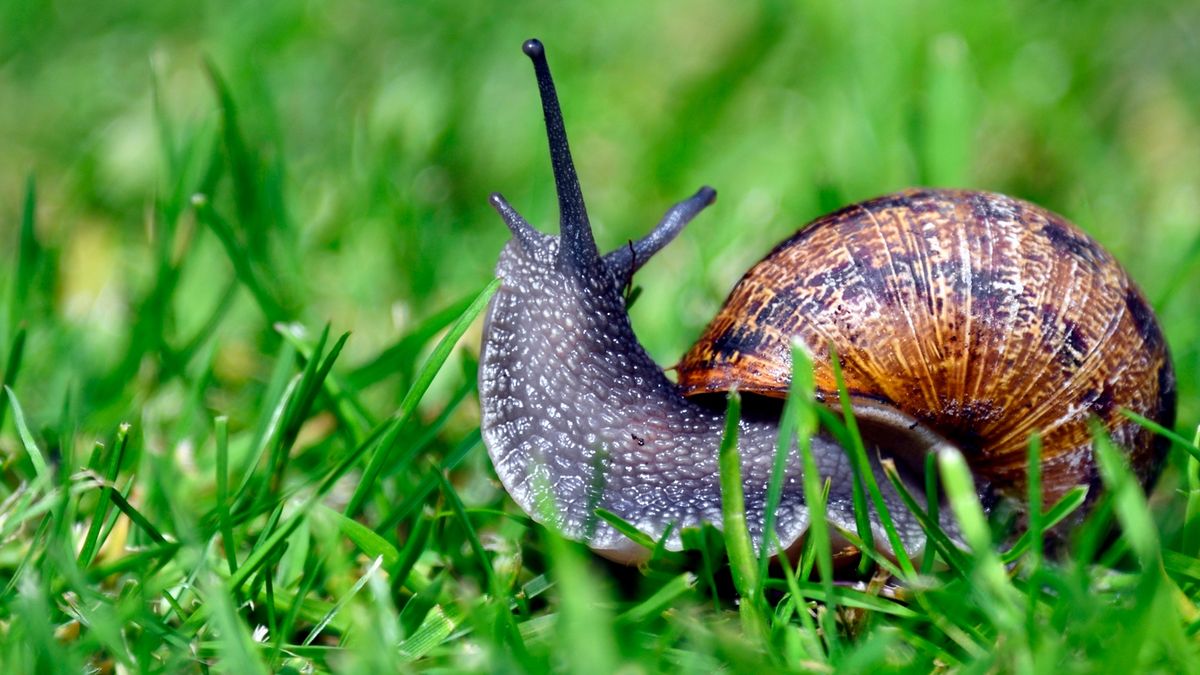
Snails and slugs will stay away from the common item(Image: Getty Images)
Growing plants can enhance any outdoor space, but it can be annoying when slugs and snails tuck into them. Keeping plant-eating pests at bay can be a challenge when wanting to maintain a healthy, vibrant garden.
Chemical treatments can be costly and even harm the environment. Thankfully, one gardener has shared a low-cost alternative that can deter slugs and snails while remaining environmentally friendly.
Used tea bags are usually tossed in the bin after a brew. However, they could be the secret to stronger plants and act as a pest repellent.
According to gardener Simon Akeroyd, who shares tips on social media, tea bags can help reduce slug and snail damage and improve soil fertility.
Most tea bags can’t be composted because the bags themselves don’t decompose. Simon urges gardeners not to toss out the tea bags, though.

Tea bags can be used in the garden(Image: Sunday Mirror)
He suggests opening the tea bags to retrieve the tea leaves. Simply leave them to dry and use them in the garden.
Simon explained: “Dried tea leaves are rich in tannins, which are reported to help deter slugs and snails, although they should be used alongside other pest control methods for the best results.
“In addition to pest deterrence, dried tea leaves can also provide essential nutrients to your plants, making them a beneficial additive to your soil.”
He added: “They can enhance soil fertility and serve as an effective soil conditioner. To use this method, simply break open used tea bags, allow the leaves to dry, and sprinkle them around the base of your plants.
“This eco-friendly approach not only recycles the waste from your tea consumption but also supports your gardening efforts.”
Content cannot be displayed without consent
Standard tea bags and herbal teas can be used for Simon’s technique. A follower asked if the hack can be used for indoor plants, too.
Simon said: “Yes ideal for indoor / house plants too.” Another social media user said: “This is a great idea for tea bags! Thanks.”
Someone else commented: “I remember doing this when I was little with my dad and I still do it.”
Comments are closed.