
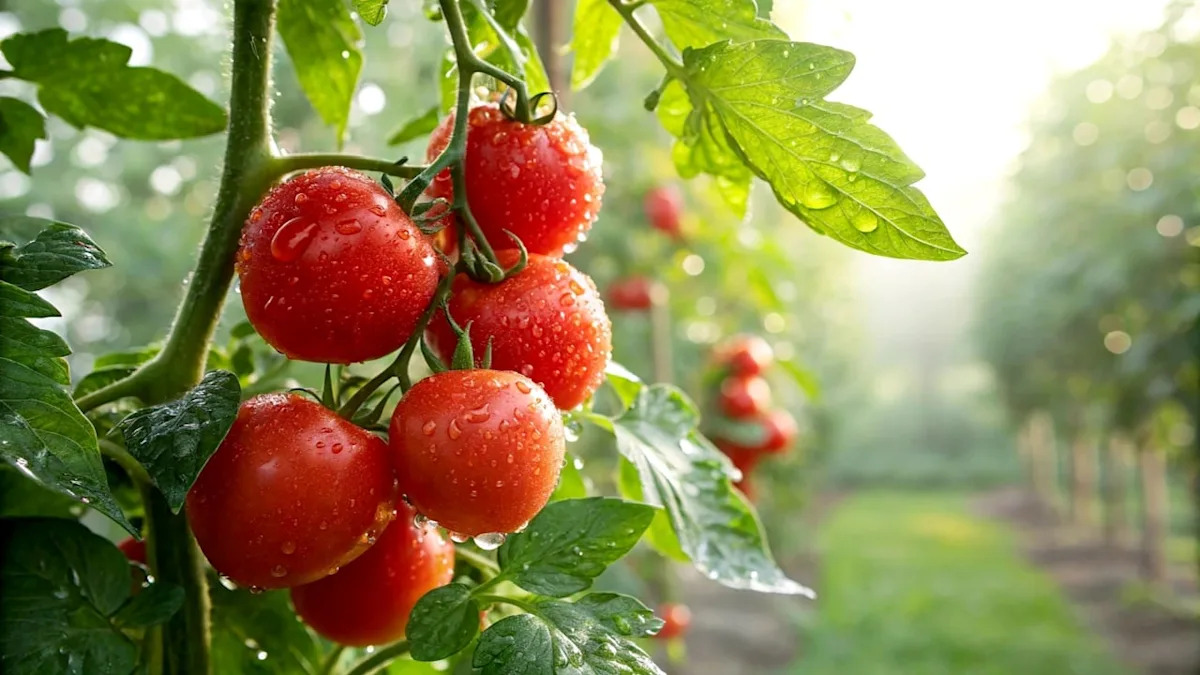
Every March, millions of gardeners stare at their tomato seedlings, watch a stretch of warm days roll in, and make the same impulsive decision: these are going in the ground today. And every year, those same gardeners spend the next three weeks watching their plants do absolutely nothing while the neighbor who waited another two weeks to plant outside ends up with the first ripe tomato of the summer.
The most common mistake in tomato growing isn’t pest management or watering — it’s rushing the calendar. Understanding the best time to plant tomatoes comes down to two specific numbers, your hardiness zone, and one principle that experienced gardeners have followed for generations: trust the soil, not the date.
Why Planting Tomatoes Too Early Actually Slows You Down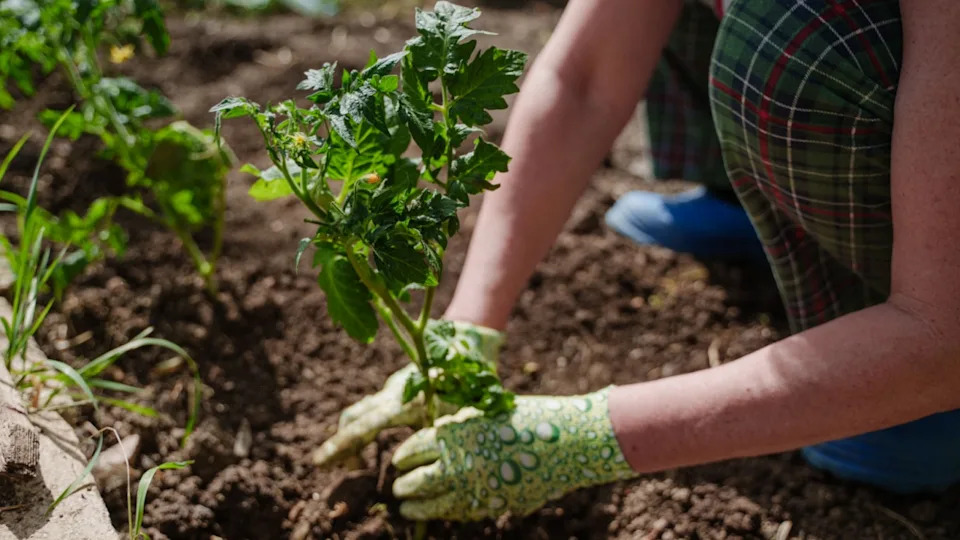
Image Credit: Shutterstock.
Here’s what most gardening advice glosses over: tomatoes don’t care what the air temperature is. They care about the temperature of the soil their roots are sitting in.
When a tomato seedling goes into cold ground, its root system stalls. Root cells struggle to absorb water and nutrients in cold conditions, and the plant can develop what looks like a disease — purple undersides on the leaves, stunted growth, and a general failure to thrive. In most cases, this is a phosphorus deficiency caused by cold-soil nutrient lockout, not a soil problem at all. Weston Miller, a horticulturist with Oregon State University Extension, puts it plainly: “The soil should be 60 degrees or more for warm-weather plants like tomatoes. In fact, for tomatoes, it should ideally be 65 to 70.”
The harder truth is that the damage from a cold-soil planting can follow a plant all season. Root systems stressed in the first two weeks after transplant may never develop the robust structure needed for heavy fruit production. Meanwhile, a tomato planted two weeks later into properly warm soil will grow with a ferocity that makes up the time difference within days. The later plant doesn’t just catch up — it frequently wins.
The other trap is nurseries. Garden centers put tomato transplants on the shelves when demand is high, not when the soil is ready. Seeing those plants for sale is not permission to buy them or plant them. It’s a retail decision, not a biological one.
The Two Numbers That Tell You When Tomatoes Are Ready to Go In the Ground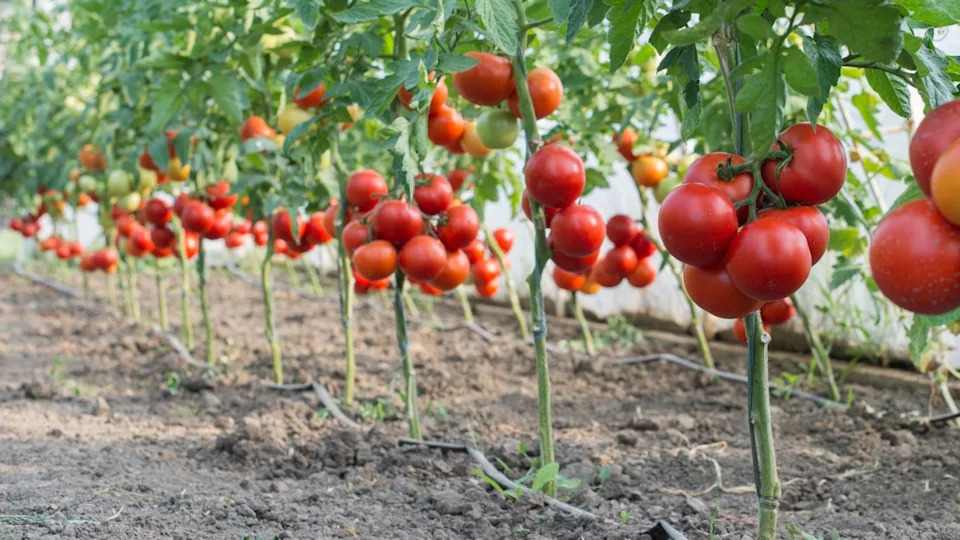
Image Credit: Shutterstock.
Before you plant a single tomato, check two things:
Nighttime air temperature should be consistently above 50°F. “Consistently” means checking the 10-day forecast, not just tomorrow. Tomatoes will not set fruit until nighttime temperatures reach 55°F, and temperatures in the low 40s will permanently stunt young transplants. Daytime air temperatures should be holding in the 65–70°F range.
Soil temperature at 4 inches deep should be at least 60°F, with 65–70°F being the target. This is the number most gardeners never check, and the one that matters most. A $10 soil thermometer, available at any garden center or hardware store, takes five seconds to use and will save an entire season’s worth of seedlings. Push it into the soil at the depth where roots will grow (about 4 inches), check it in the morning when readings are coolest, and wait until you see consistent numbers in the 60s before you plant.
Your average last frost date is a useful benchmark, but it is not a guarantee. That date represents a statistical average, meaning frost occurred after that date in roughly half of the recorded years. Gardeners who want genuine confidence should treat their last frost date as a starting point and watch actual conditions for another week or two before committing their plants.
The Best Time to Plant Tomatoes by Zone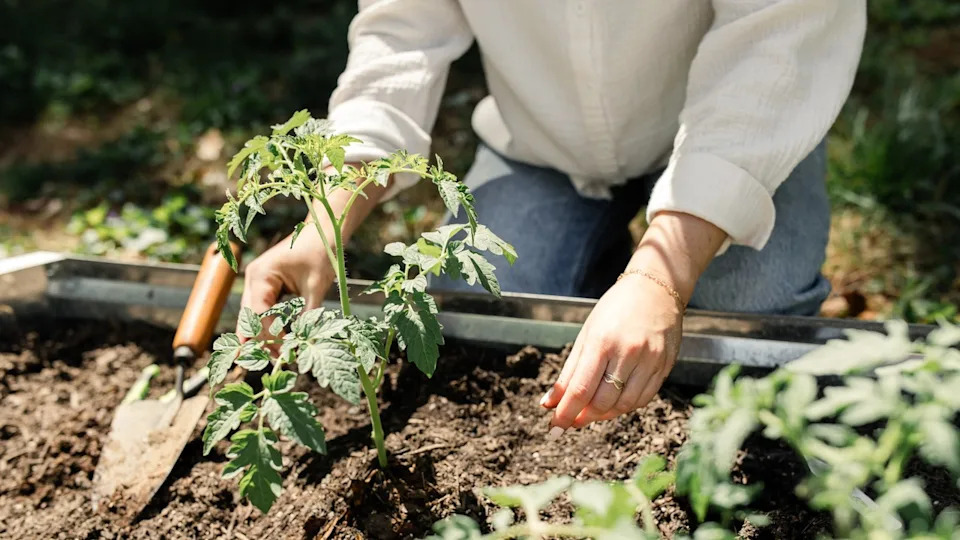
Image Credit: Shutterstock.
Because tomatoes are the most widely grown home vegetable in the country, nearly every USDA hardiness zone has a productive window — it just looks wildly different depending on where you live.
Zones 3–4 (northern Minnesota, Maine, Montana, northern Great Plains): Transplant outdoors from late May to early June, and do not rush it. Last frost dates stretch into late May in many of these areas, and soil temperatures in cold zones often lag 1–2 weeks behind air temperatures. In Cheyenne, Wyoming (Zone 5, high elevation), experienced local gardeners routinely wait until June 1 regardless of what the zone calendar suggests. Choose early-maturing varieties with fewer than 70 days to harvest — a 90-day beefsteak planted in late May may never ripen before September frost hits.
Zones 5–6 (much of the Midwest, mid-Atlantic, Pacific Northwest interior): Transplant from mid-May to early June. Last frost dates typically fall between late April and mid-May, but nighttime temperatures in these zones often stay in the 40s well past that date. The gap between “last frost date” and “safe planting date” can be two full weeks or more in Zone 5b.
Zone 7 (Virginia, Tennessee, Oregon coast, northern California): Mid-April through early May is the typical transplant window, with last frost dates falling around mid-April. Soil in Zone 7 warms reliably by late April. Gardeners in this zone have excellent flexibility in variety selection, including mid-season and larger-fruited types.
Zones 8–9 (coastal Pacific Northwest, Gulf Coast, Texas, much of California): Transplant from mid-March through April. Zone 8 gardeners in the Pacific Northwest benefit from mild temperatures but should watch for wet, cold springs that keep soil temperatures down longer than expected. Zone 9 gardeners in California and the Gulf Coast have a long growing season but face a summer heat ceiling: once nighttime temperatures consistently exceed 80°F, large-fruited tomatoes stop setting fruit. Getting plants in the ground in March allows the main harvest to come in before summer heat peaks.
Zone 10+ (South Florida, southernmost California, Hawaii): This is where tomato gardening flips completely. In Zone 10, summer is simply too hot for tomato production. The growing season runs from October through early May, with planting typically happening between October and January. Cherry and grape tomatoes handle the warmth better than large-fruited types and can often push further into the season. Gardeners in Zone 10 who think of tomatoes as a summer crop need to reframe their entire approach.
One universal advantage: raised beds consistently run 5–8°F warmer than in-ground beds in spring, effectively giving gardeners in cooler zones a one-zone timing boost. A Zone 5 gardener with raised beds can often treat their beds as Zone 6 for planting purposes.
How to Know If It’s Too Late to Plant Tomatoes in Your Area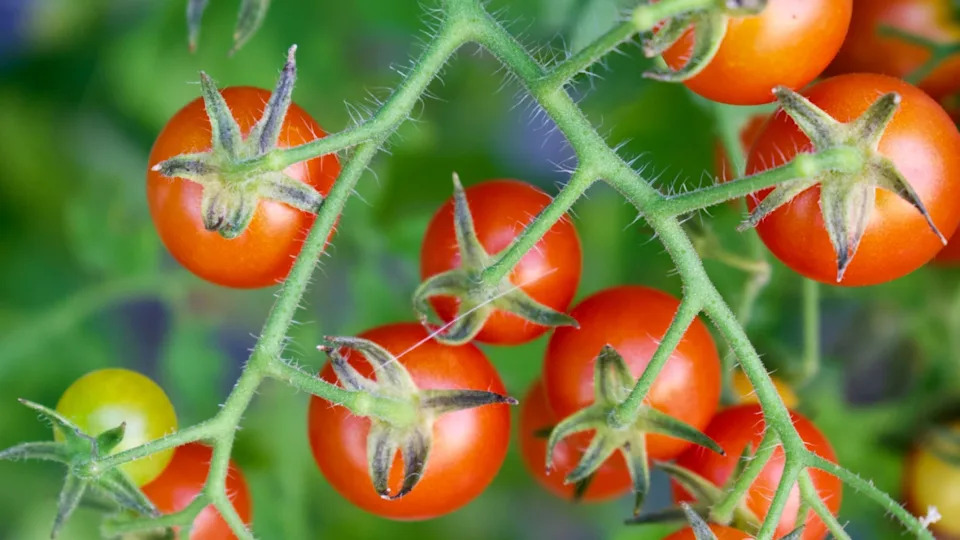
Image Credit: Shutterstock.
The most useful question a late-season gardener can ask is not “is it too late?” but “how many days do I have left?” Take your area’s average first fall frost date, count backward by the days-to-maturity listed on your tomato variety, and add two weeks for the plant to establish. If that math works, plant. If it doesn’t, choose a faster variety.
Early-maturing tomatoes like Early Girl (52 days), Stupice (52–68 days), or Sub-Arctic Plenty (42–45 days) are legitimate rescue tools for gardeners who missed their window. These varieties were developed precisely for short-season growing and perform reliably when later-season types cannot.
The short answer: In most of the country, tomatoes can go in as late as July 4 if an early-maturing variety is chosen and the plant is given a strong start. Beyond that, the math gets difficult.
Three Things You Can Do Right Now to Get Your Tomatoes in the Ground Sooner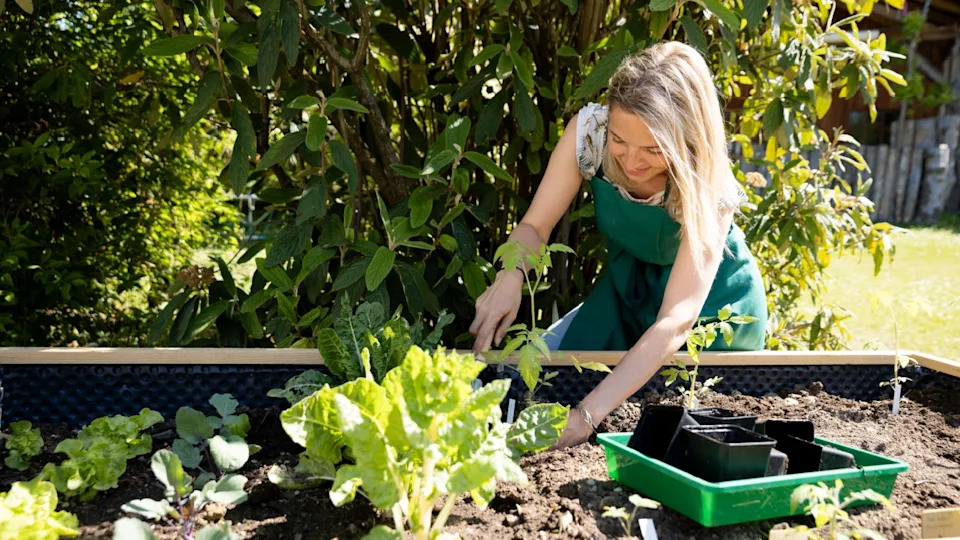
Image Credit: Shutterstock.
Pre-warm the soil with black or clear plastic mulch. Lay plastic sheeting over your bed 2–3 weeks before planting. Black plastic absorbs heat and raises soil temperatures significantly; according to multiple university extension services, this technique can advance planting dates by 1–2 weeks in cold zones. Cut X-shaped slits to plant through and leave the plastic in place as mulch for the season.
Use raised beds. If you’re not already growing tomatoes in raised beds, this is the single most impactful change you can make for timing and total yield. The combination of better drainage, faster warming, and improved soil structure means raised-bed gardeners can plant earlier with less risk.
Choose the right variety for your season length. A gardener in Zone 4 growing a 90-day beefsteak is working against themselves from day one. Matching variety to season length is as important as timing — arguably more so.
Patience Is Rewarded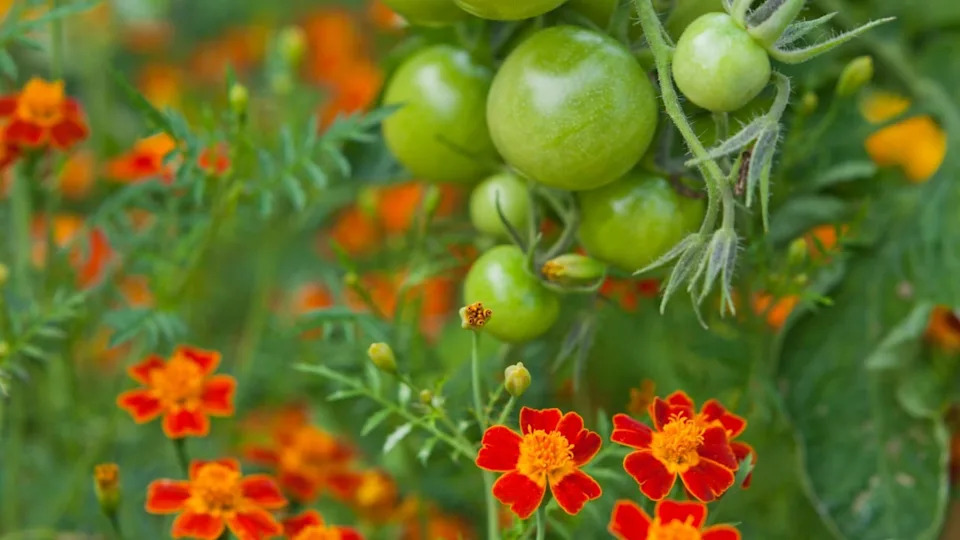
Image Credit: Shutterstock.
There is a particular kind of patience that experienced tomato growers develop over seasons of watching early plants get passed by late ones. The gardeners who grow the most tomatoes are not the ones who rush the calendar in March. They are the ones who check the soil, trust the numbers, and plant when conditions are genuinely ready. That patience, in the end, is the most productive thing a tomato gardener can cultivate.
Read more:
Do these 12 raised garden bed tasks before March ends, or lose your head start
12 vegetables to direct sow in the garden right now in March
Comments are closed.