
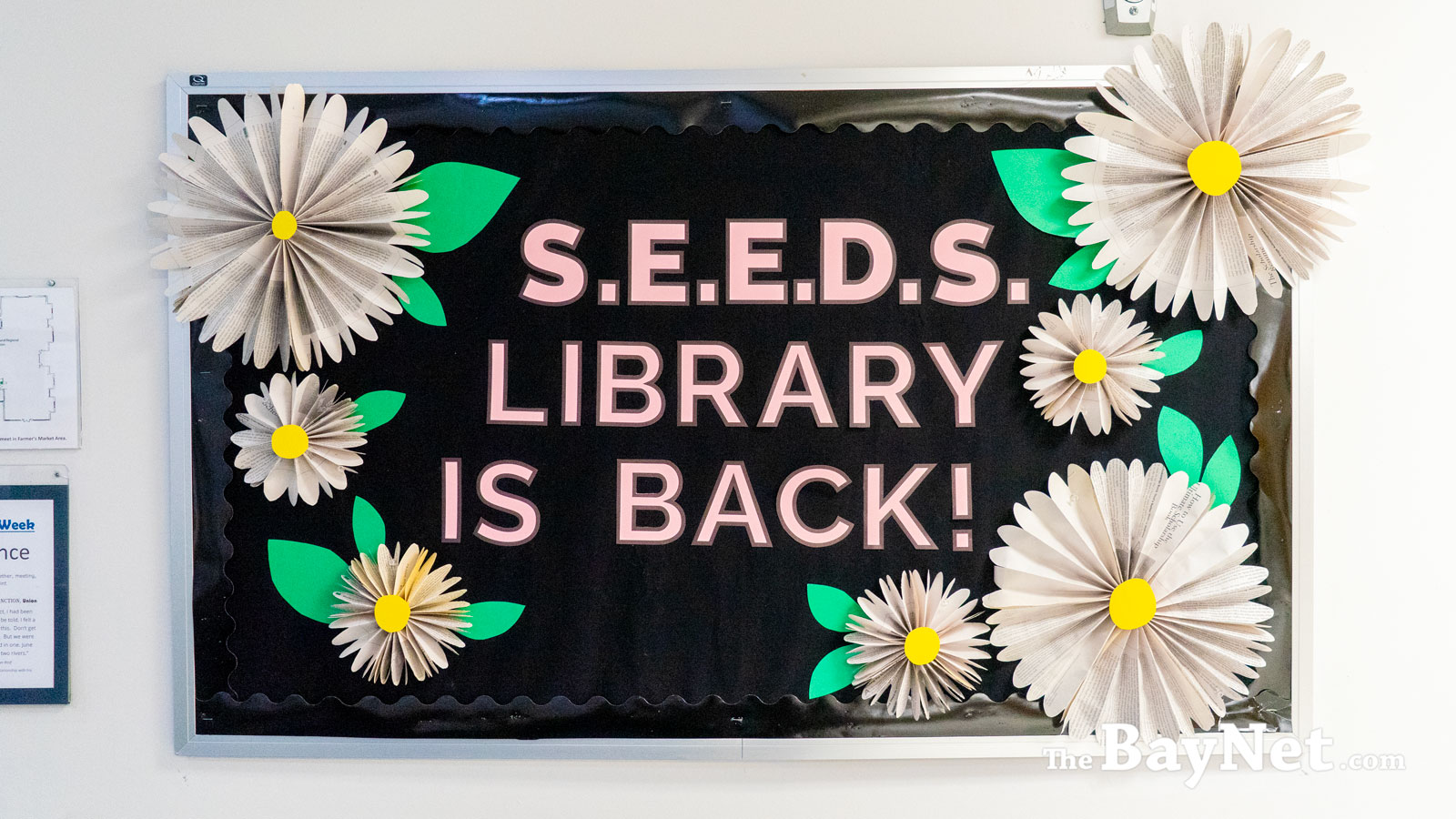
LEONARDTOWN, Md. — As spring begins, the St. Mary’s County Library is inviting residents to grow their own gardens through its Seed Endowment for Education Discovery and Sustainability S.E.E.D.S. Library, a community program that provides free vegetable, herb and native plant seeds along with educational resources for gardeners of all experience levels.
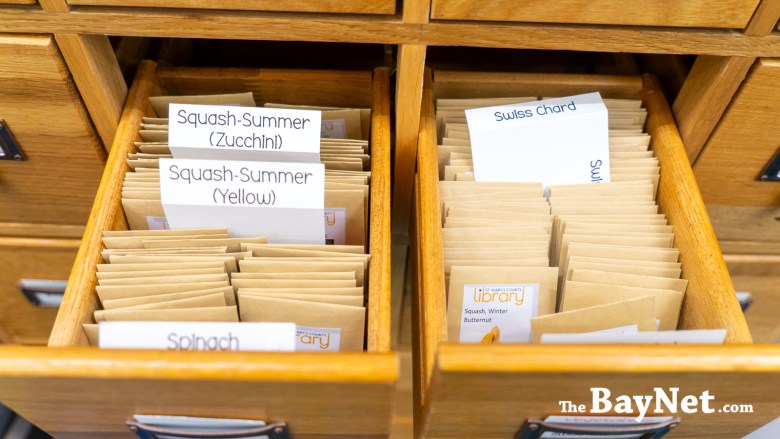
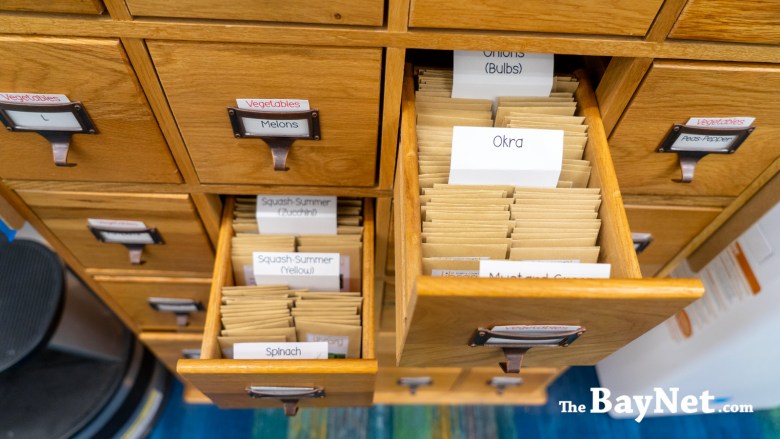
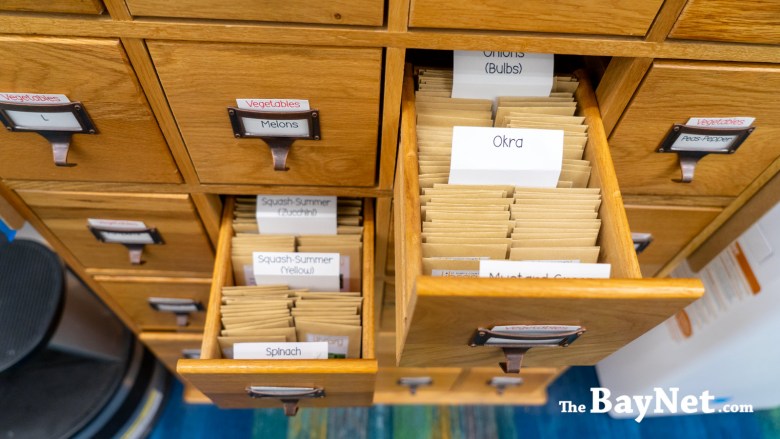
The S.E.E.D.S. Library, which launched in 2024, allows community members to “check out” seeds at the library’s three locations in Leonardtown, Lexington Park and Charlotte Hall. The program is designed to make gardening more accessible while encouraging the sharing of knowledge and environmental stewardship.
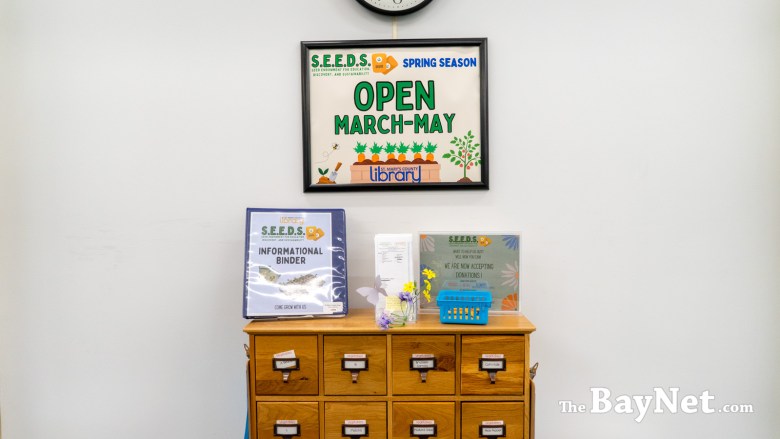
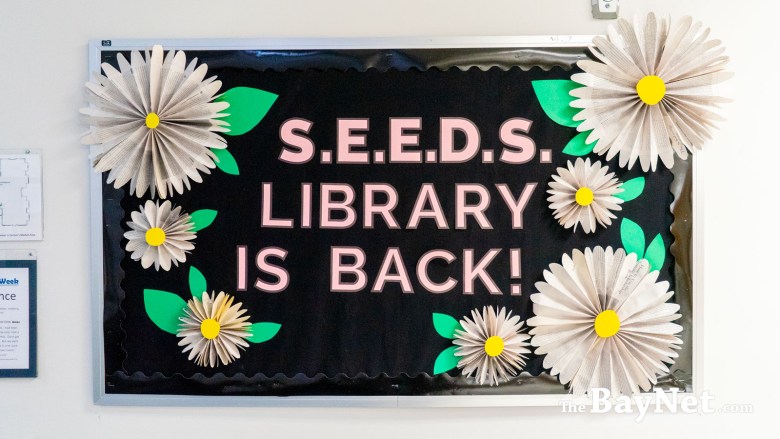 Image: S.E.E.D.S. Library is back, sign at Charlotte Hall Library
According to program materials, the initiative aims to bring community members together while giving them access to seeds and the information needed to grow their own plants.
Organizers said the goal is to cultivate a network of gardeners, plant enthusiasts and lifelong learners committed to sharing seeds and gardening knowledge.
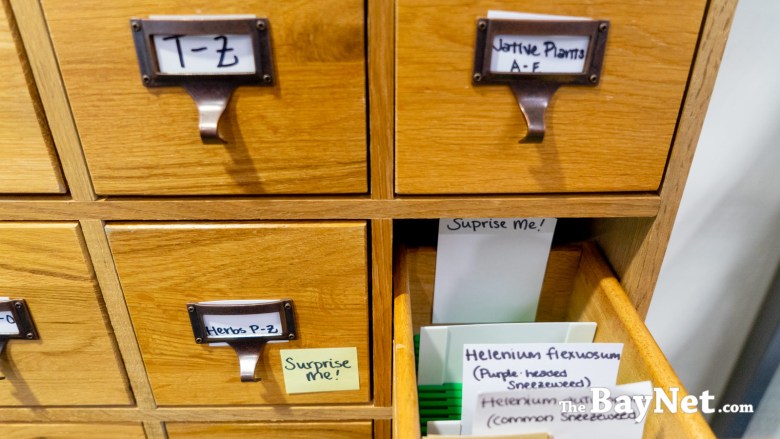
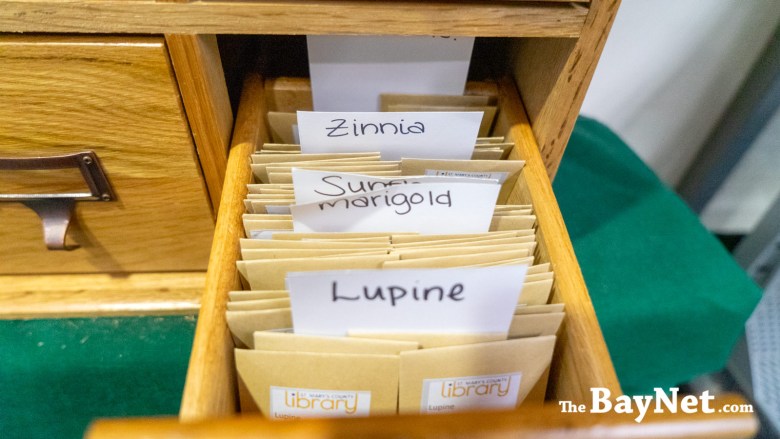
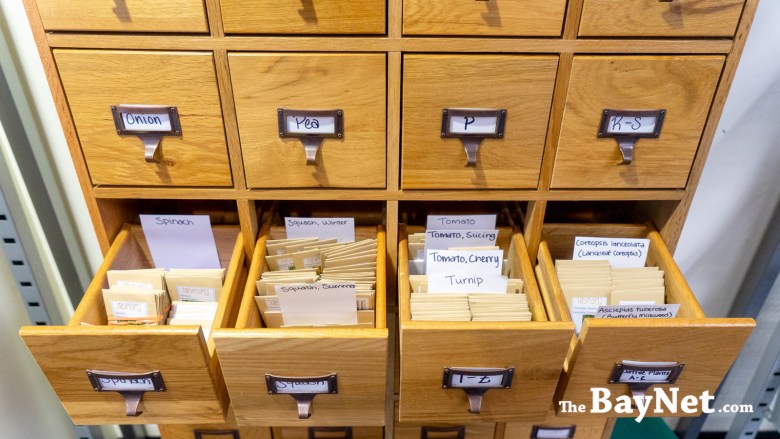
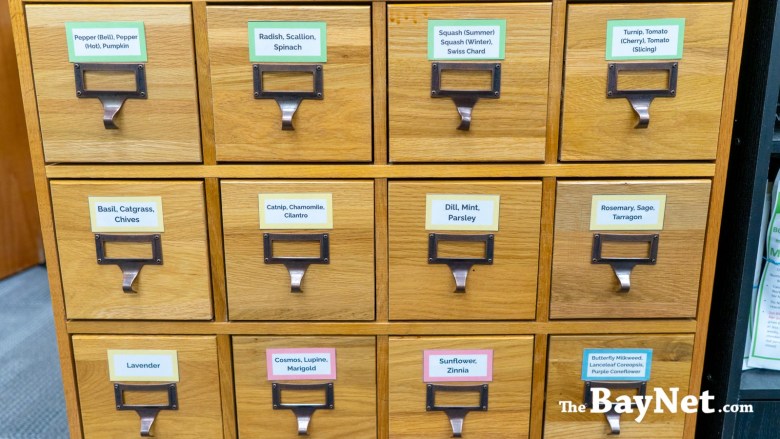
Seeds available through the program include vegetables, herbs and Maryland native plants that support pollinators and local biodiversity. Participants may use the seed library once per season, with spring access running from March through May and a second season scheduled from August through October.
The program is supported through a mix of donations from community members, local organizations and national seed companies. Contributing partners include the University of Maryland Extension Master Gardeners, the St. Mary’s County Community Development Corporation and several regional businesses and gardening organizations.
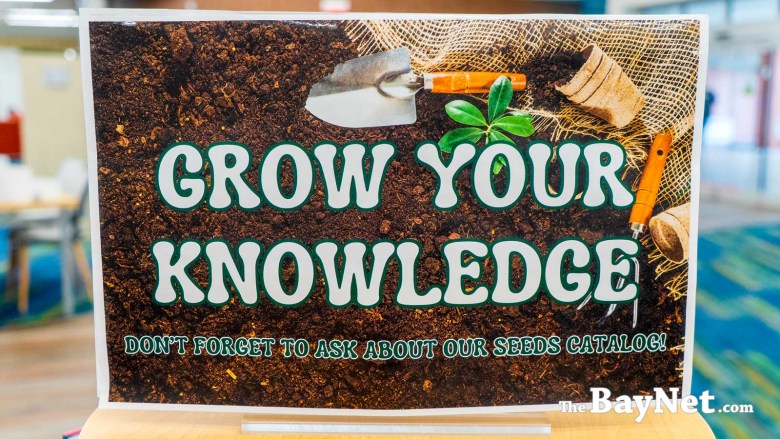 Image: Grow your knowledge display at Leonardtown Library
Seed Library Grows Community In St. Mary’s County
Since its launch, the program has distributed more than 14,500 seed packets, according to Nicole Hance, assistant branch manager for information services.
“We’ve been steadily growing the program,” Hance said, noting participation has increased significantly each season.
During its first season, the program distributed about 1,700 packets to more than 300 community members. By the following spring, that number grew to nearly 5,000 packets distributed to over 870 participants. The current spring season is already showing strong demand, with more than 1,300 packets distributed early in the season.
Participants can select up to 12 seed packets per season, including vegetables, herbs and native plants, with dozens of varieties available depending on supply.
Vegetables are by far the most popular selections, Hance said, with tomatoes appearing on nearly half of all order forms. Other frequently requested seeds include cucumbers, lettuce, bell peppers and summer squash, along with herbs like basil and flowers such as lavender and marigolds.
Beyond the numbers, library staff said the program is helping residents try new things and engage more deeply with gardening.
“I’ve heard on many occasions that gardeners are experimenting with seeds they’ve never tried before because the library offers them for free,” Hance said.
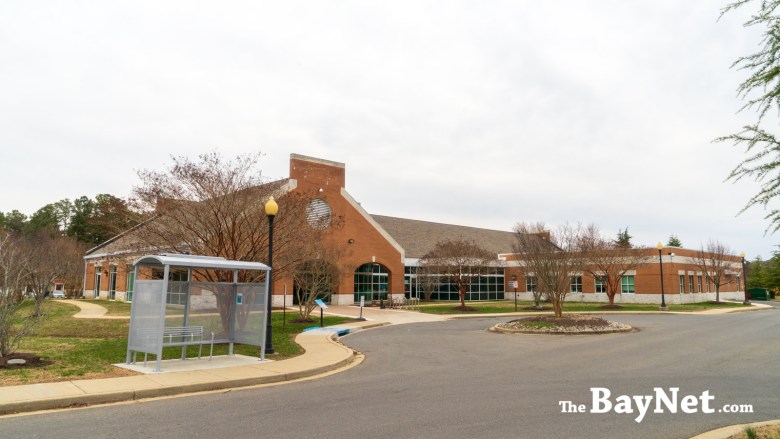 Image: Lexington Park Library
Lexington Park Library
At the Lexington Park Library, librarian Kimberlé Fields said the program is helping people step outside their usual gardening habits and try something new.
 Image: Kimberlé Fields, librarian at Lexington Park Library
“I’ve noticed that some people will take seeds that they haven’t previously used before,” Fields said. “If they’re normally a flower gardener, they’ll try vegetables, or the opposite, just because we have them and they’re free.”
Fields said cucumbers and native plants are among the most popular selections at the Lexington Park branch, with native species often going quickly due to their role in supporting pollinators.
“The native plants go pretty quickly, which is good, because we need them for the bees, the bugs and the birds,” Fields said.
The program’s accessibility is a key part of its impact, and Fields said, “you don’t need a library card. Anybody can come get seeds.”
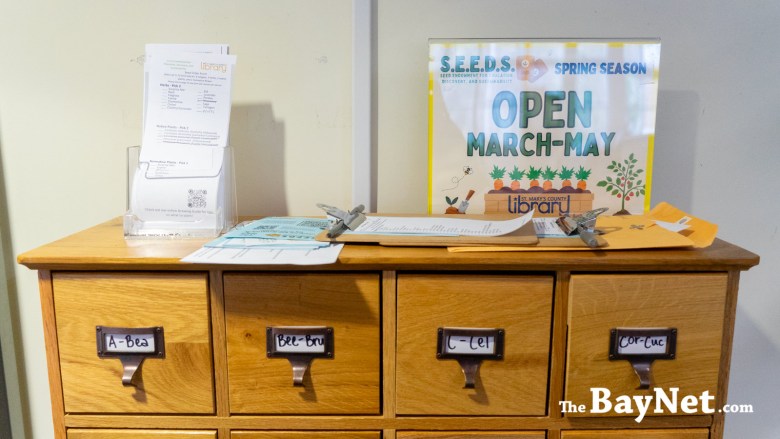 Image: S.E.E.D.S Library at Lexington Park Library
More broadly, Fields said the initiative is helping shift how residents think about their outdoor spaces.
“The goal is to get people to use their yard more for plants and vegetables instead of just grass, helping local wildlife and to educate people about native plants, but also just to get people to garden more,” Fields said.
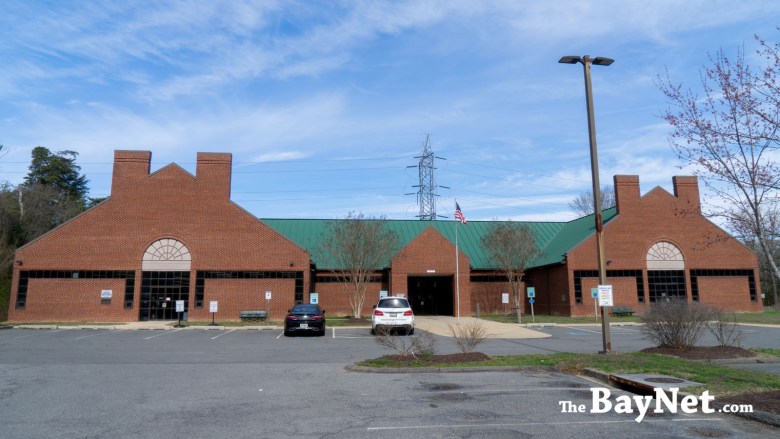 Image: Charlotte Hall Library
Charlotte Hall Library
At the Charlotte Hall Library, staff said the program has generated strong enthusiasm among residents interested in gardening and learning about new plant varieties.
“People are really excited about it,” Hannah Bear said, the librarian at the Charlotte Hall branch. “They like the opportunity to learn a little bit more about seeds that are available to them for their gardening.”
Native plant seeds are among the most in-demand offerings at the Charlotte Hall branch, often going quickly, along with vegetables like tomatoes and herbs such as rosemary.
“Native plant seeds are really popular, which is great for the local ecology,” Bear said.
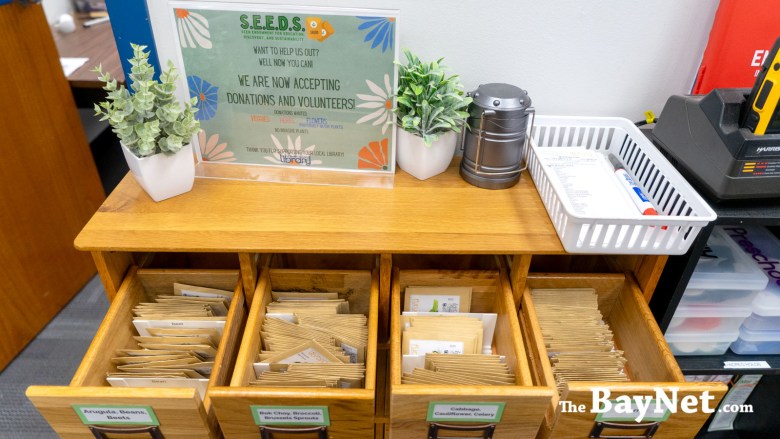 Image: S.E.E.D.S Library at Charlotte Hall Library
The program has also begun to show signs of long-term community impact. Bear said one participant who received seeds last season later returned to donate seeds collected from their own garden.
“We did have somebody come in who had taken seeds last season and wanted to donate seeds this season from plants that they grew, which is really neat,” Bear said.
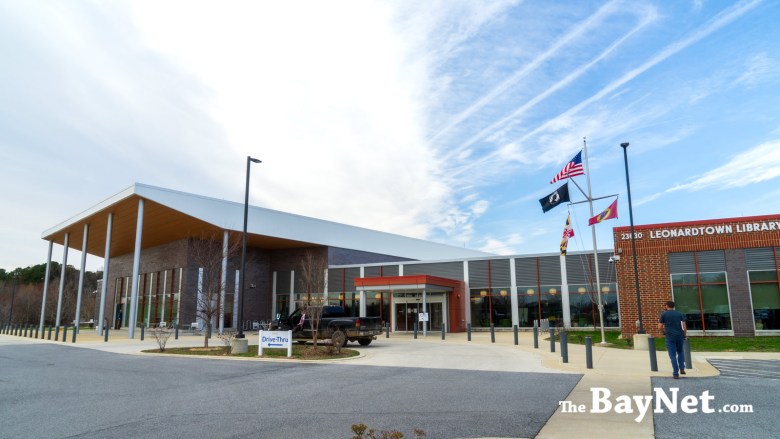 Image: Leonardtown Library
Leonardtown Library
At the Leonardtown Library, librarian Rini Nguyen described the S.E.E.D.S. Library as a program that is not only providing seeds but also actively building a community around gardening.
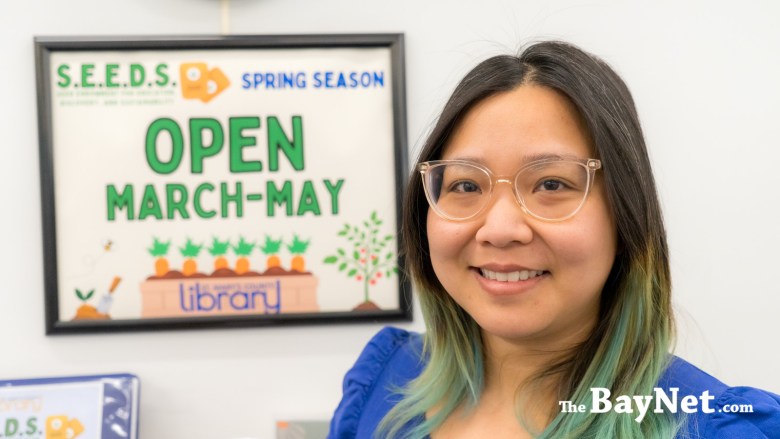 Image: Rini Nguyen, librarian at Leonardtown Library
“People have really been getting into native plants to help our local environment,” Nguyen said.
Nguyen said interest in native plants has grown significantly, with residents increasingly focused on supporting local ecosystems and pollinators. She also noted that the program has attracted new library users, particularly gardeners who may not have previously engaged with library services.
“There are a lot of people who previously were not library users, but because of the seeds program, they’ve come in and gotten involved,” Nguyen said.
A key impact has been the development of a “cycle” of participation, with some residents returning to donate seeds harvested from plants they originally received through the program.
“People will take seeds, grow them, and then want to come back and donate seeds. It creates a nice cycle,” Nguyen said.
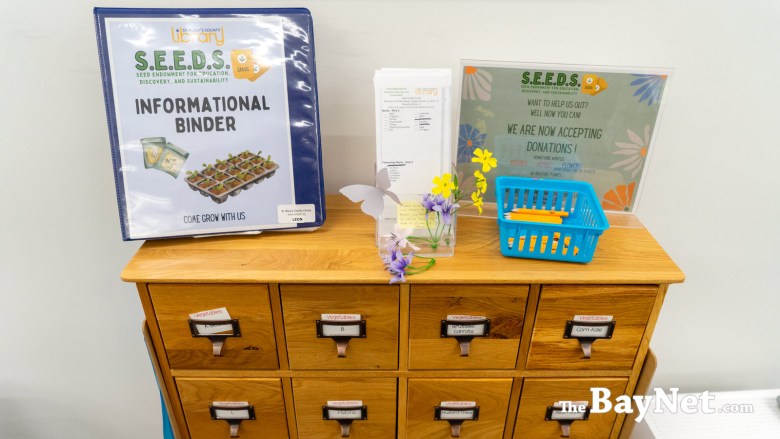 Image: S.E.E.D.S. Library at Leonardtown Library
In addition to supporting local ecosystems, Nguyen also emphasized the program’s broader benefits, including improving access to food, supporting family activities and creating opportunities for intergenerational learning.
“A lot of these plants are great for supplementing food and making them available to people has been really helpful,” Nguyen said. “Gardening is something people can do with their kids, and it helps build those connections while they’re learning.”
Luke Rowe, a Leonardtown Library assistant, said the S.E.E.D.S. Library draws in repeat visitors and helps introduce new gardeners to the hobby.
 Image: Luke Rowe, library assistant at Leonardtown Library
“We get a lot of repeat customers coming in each season, and I’ve seen people try gardening for the first time — they’ll pick up seeds and check out books on gardening,” Rowe said.
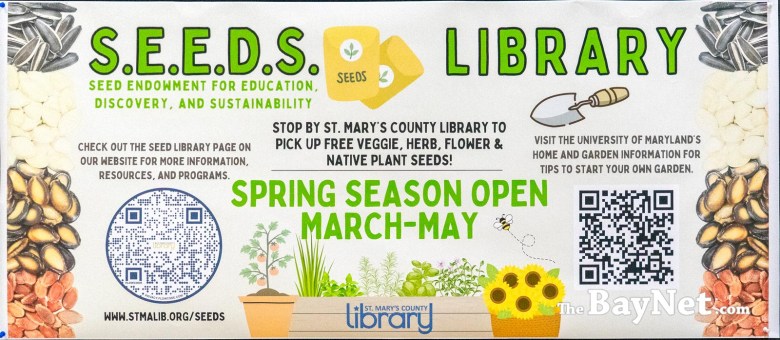 Image: S.E.E.D.S. Library display, Leonardtown Library
Seed Program Builds Partnerships, Education And Local Ecosystems
Seeds provided to community partners have also been used in community spaces, including plots at the Lexington Manor Passive Park Community Garden. Library partnerships have extended to local youth groups as well, with scout troops helping build and maintain garden beds at the Leonardtown Library.
In some cases, seeds have even made their way back into educational programming. Seeds provided to community partners were later used in a seed viability demonstration during a library gardening workshop, highlighting the program’s full-circle impact.
In addition to distributing seeds, the library provides educational resources to help residents learn the basics of gardening. The program’s information binder includes step-by-step guides on starting a vegetable garden, planting seeds, winter sowing and container gardening.
For beginners, the guide encourages starting with small gardens of about 50 to 75 square feet and selecting vegetables that are easy to grow and commonly used at home, such as tomatoes, cucumbers, peppers, beans and leafy greens.
The library also hosts seasonal programs tied to gardening and environmental education. Upcoming events this spring include a pollinator-themed program at Historic Sotterley, gardening workshops and a native plant and seed swap at the Leonardtown branch.
Educational materials connected to the program also include a visual gardening handbook created by local Girl Scout Eliza Szymendera, which introduces common garden plants and basic techniques for planting, watering and maintaining crops.
Library officials say the program not only helps residents grow food and flowers at home but also supports broader environmental goals by encouraging the planting of native species and pollinator-friendly gardens.
Residents interested in participating can visit any St. Mary’s County Library branch to access the S.E.E.D.S. Library and learn more about upcoming programs.
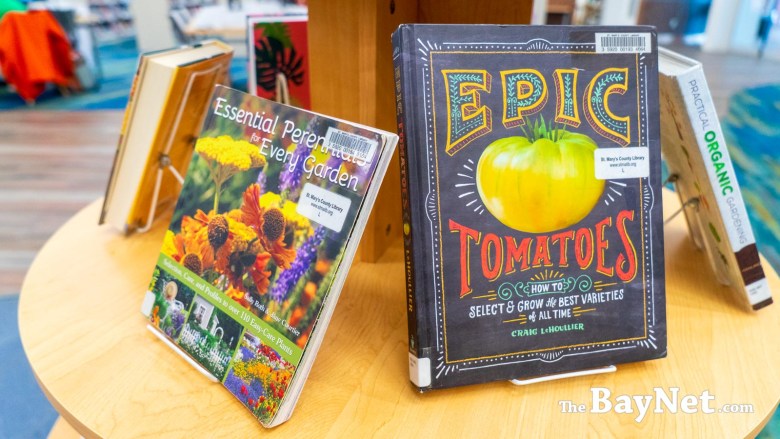
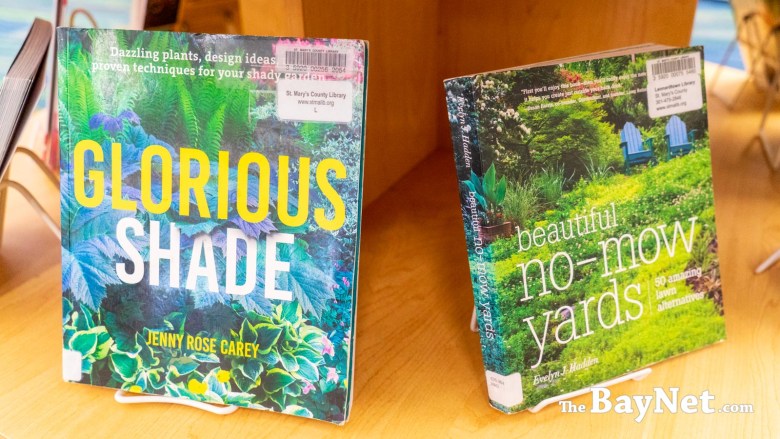
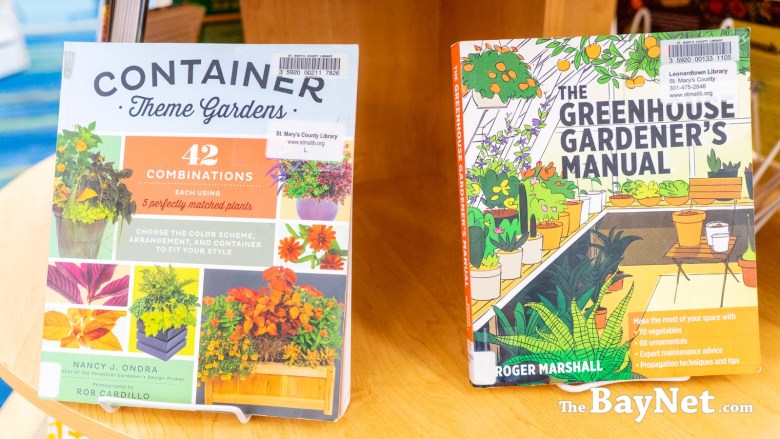
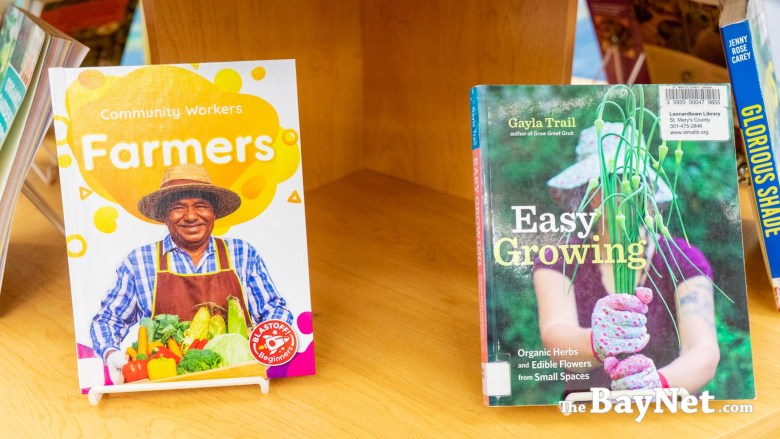
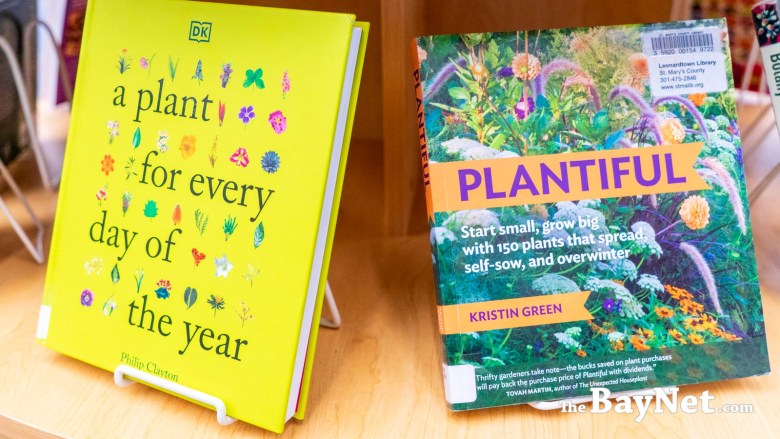
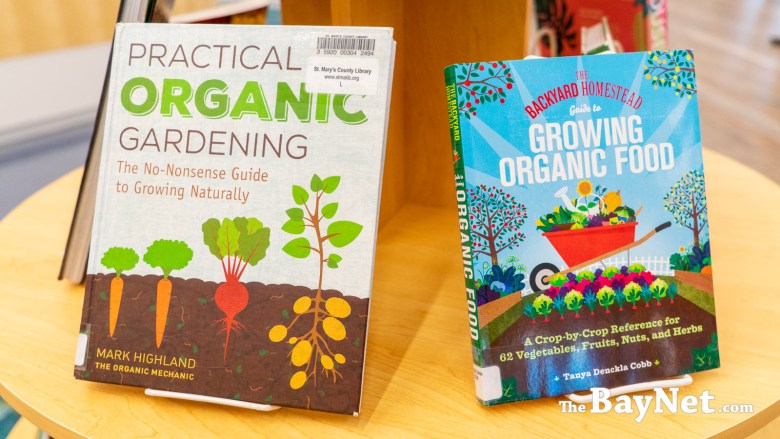
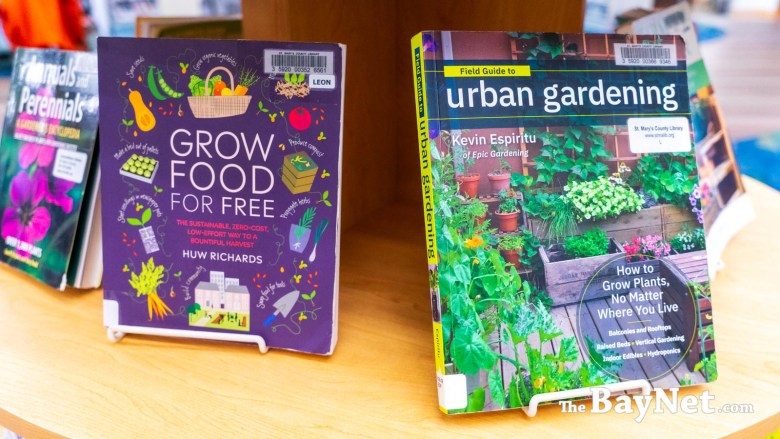
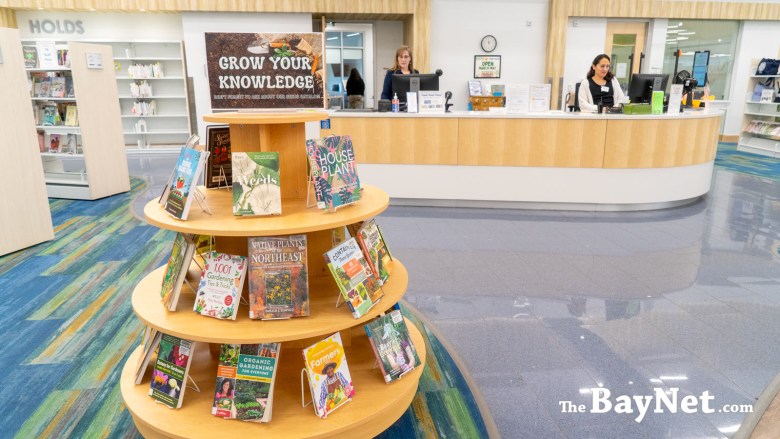 Image: Gardening books on display at Leonardtown Library
Fast Facts About The St. Mary’s County Library System
Residents can register for a St. Mary’s County Library card online or at any branch.
Library Hours
Monday–Thursday: 9 a.m.–8 p.m.
Friday–Saturday: 9 a.m.–5 p.m.
Sunday: 1–5 p.m. (Lexington Park Library only)
Leonardtown Library Drive-Thru Window Hours
Monday–Thursday: 10 a.m.–7 p.m.
Friday–Saturday: 10 a.m.–4:30 p.m.
Library Locations
Related
Comments are closed.