
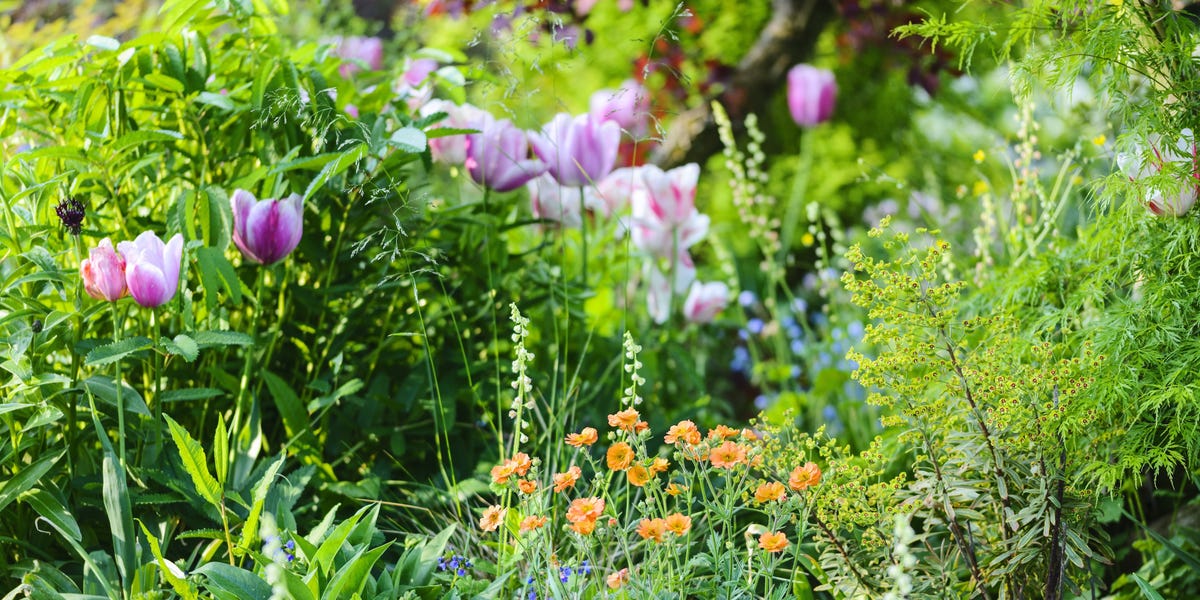
Growing a beautiful garden takes more than just a green thumb and patience. An instinct for space, proportion and colour is, arguably, just as important.
Becoming a skilled gardener (or garden designer) can take years, yet the underlying principles are surprisingly simple. At its core, a well-composed garden can be distilled into a carefully chosen palette of plants.
In fact, just five essential plant types are enough to create a balanced, cohesive space – one that delivers texture and colour throughout the year while being a boon to local wildlife.
“Every garden is unique, with its own character and needs,” says Andy Tudbury, head gardener at Belvoir Castle and show garden designer with 25 years’ experience.

Jason Ingram
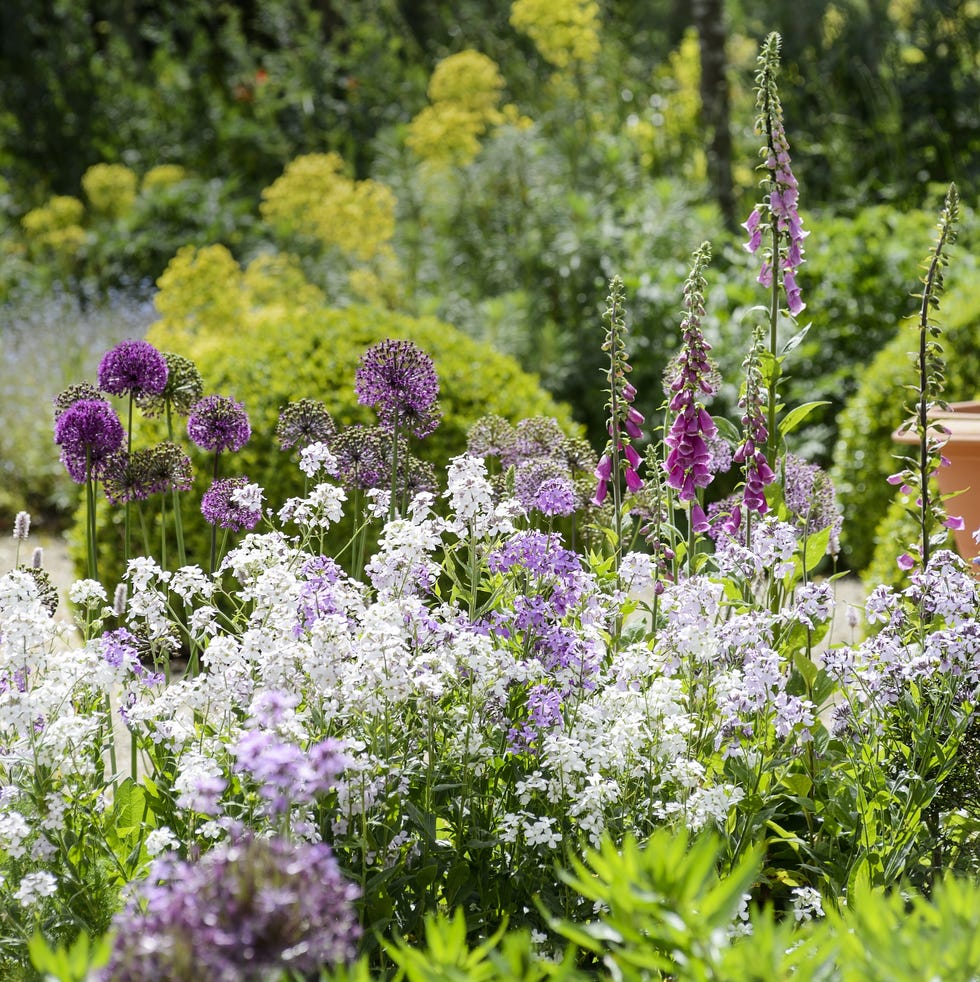
“From a design perspective, it’s helpful to include a mix of plants that provide structure, alongside those with both fine and bold textures. When planning a garden, it’s a good idea to think about plants that flower at different times of the year, and, perhaps most importantly, choose plants that attract and support wildlife.”
To help you create a beautiful space of your own, we put a single question to professional horticulturalists: if you could grow only five plants, what would they be?
These are the plants experts wouldn’t garden without.
The 5 types of plants that work in every garden1. Evergreens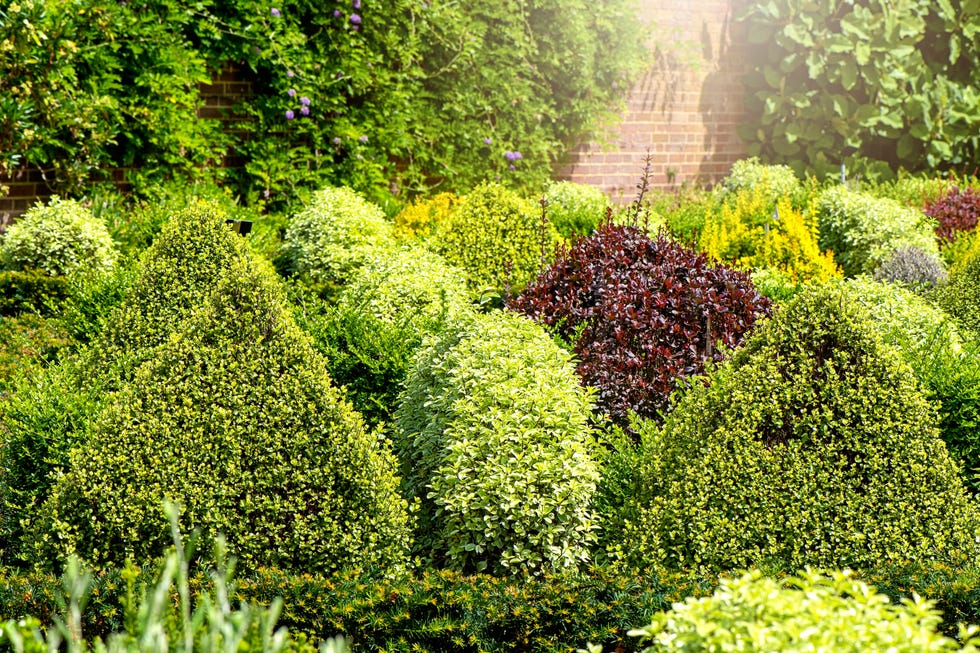
Jacky Parker//Getty Images
“Evergreen plants are vital for any garden. They create the structure throughout the year and act as the skeleton to the garden,” says Andy. He recommends low-maintenance Hebe shrubs, which offer green year-round foliage and summer blooms.
The go-to evergreen of horticultural expert Richard Barker is box, another easy-to-grow plant. “It can be used in a range of garden designs as it is suitable for topiary, hedges or growing in a container,” says the commercial director of LBS Horticulture. “It can adapt to a wide range of soils, and it can be planted in full sun, partial shade or in shaded areas.”
2. Seasonal blooms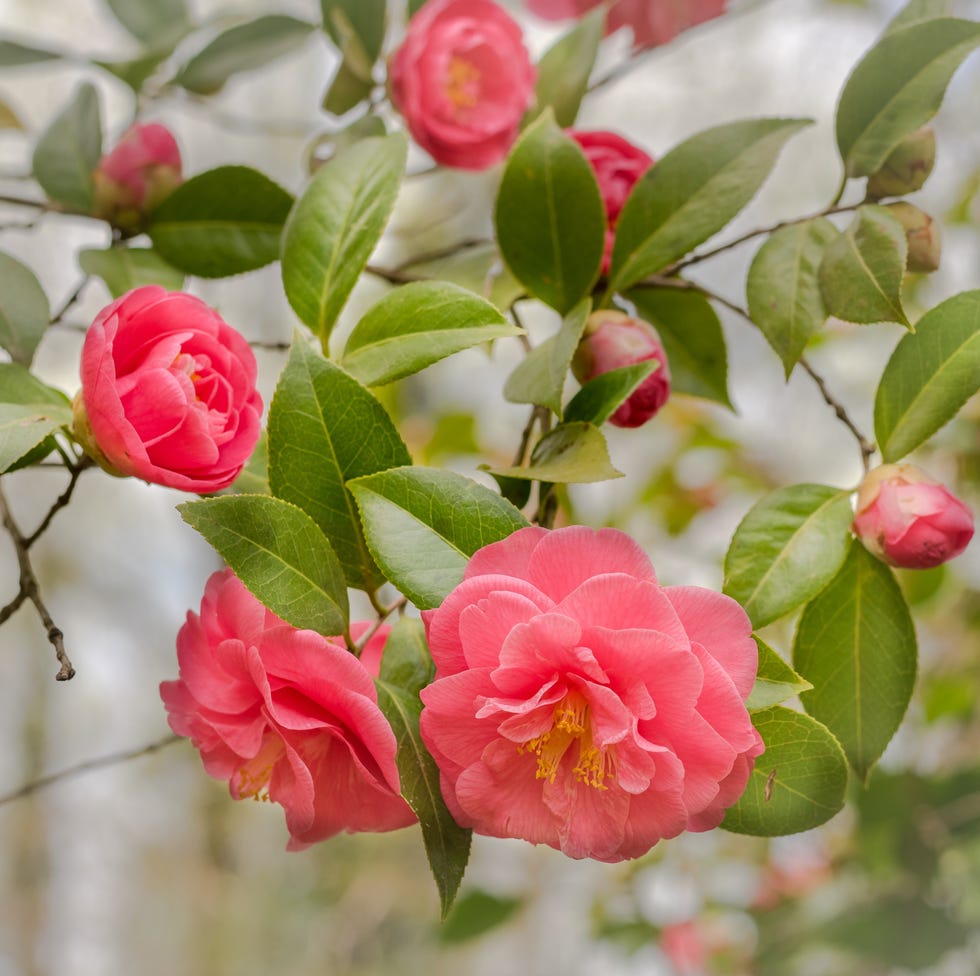
Teresa Kopec//Getty Images
Complementing your evergreens are seasonal flowers, delivering colour at different times of the year. Camellias are Andy’s must-grow for winter colour, while roses are his top choice for summer.
“I would recommend planting roses and David Austin’s shrub roses are a fantastic option because they bloom from April to November and add beautiful fragrances to your garden,” he says.
Dylan Stringer-Moth, gardening expert at One Click Plants, shares his favourite variety for autumn: miscanthus sinensis, an ornamental grass.
“Miscanthus brings movement, height and softness to a garden,” he says. “A must when it comes to adding texture and seasonal drama to a garden – particularly in the autumn and winter when its plumes will catch the ligh.”
3. Fragrant varieties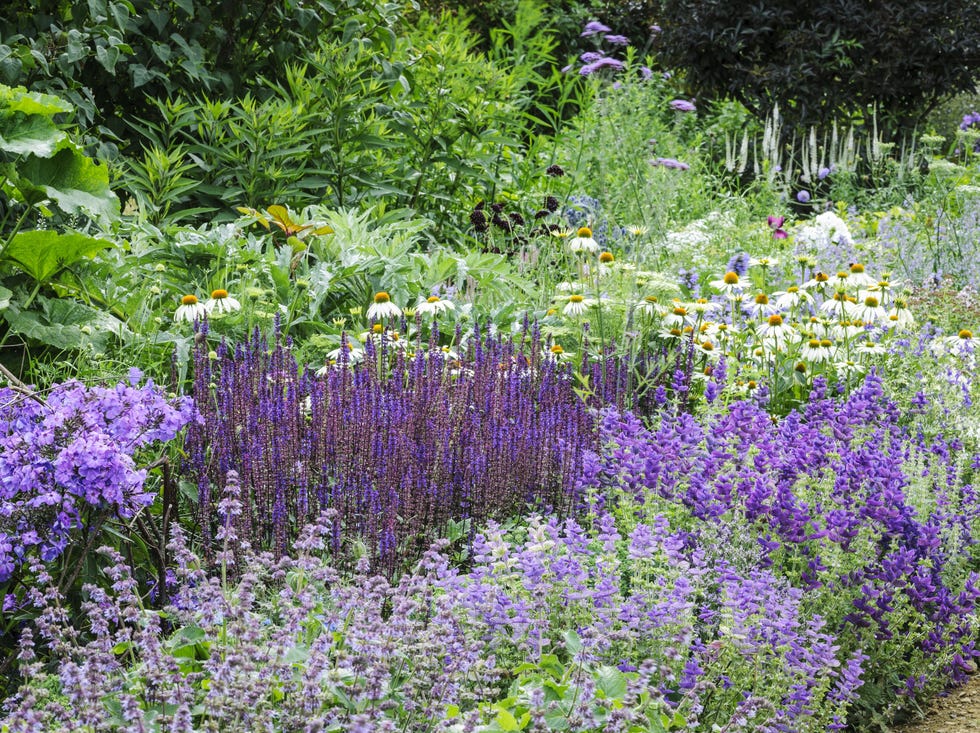
Jason Ingram
Scent plays a crucial role in garden design, shaping not only the atmosphere of a space but also its ecological value. Fragrant plants tend to attract pollinators, making them both sensory and environmentally beneficial choices.
Lavender, for example, is an excellent low-maintenance choice when planted in a sunny, well-draining position. “As it is evergreen, the plant will keep its silvery foliage all year round, making it great for lining borders or paths,” says Richard.
3. Pollinator-friendly plants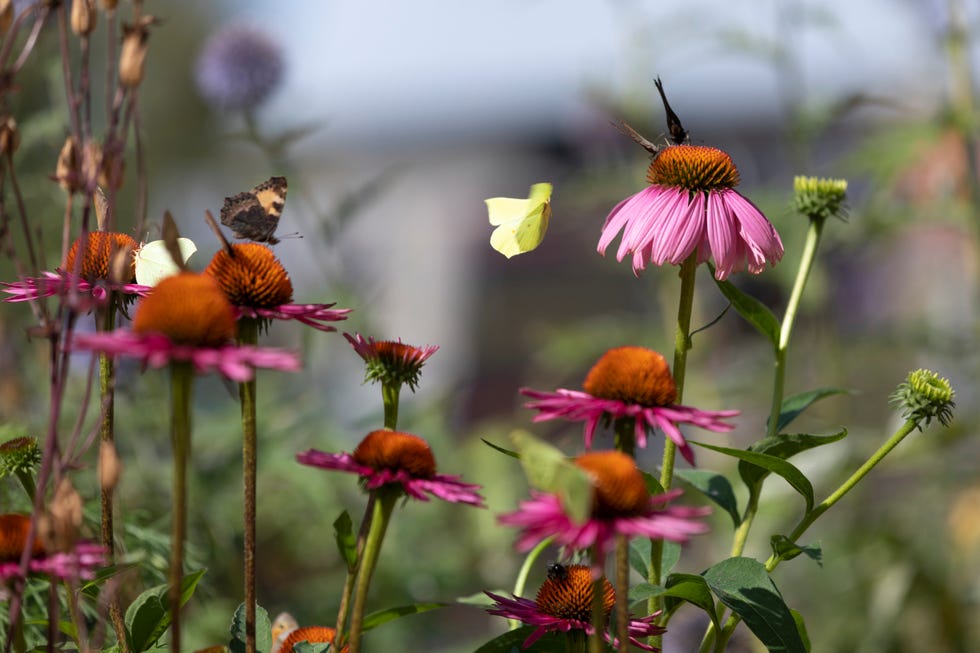
Johner Images//Getty Images
With biodiversity under growing pressure, wildlife-friendly gardening is becoming increasingly important. Yet, it’s not entirely selfless – a garden alive with birdsong, the rustle of hedgehogs and the steady hum of bees is a far richer, more rewarding place to be.
The expert choice? “Buddleia, also known as butterfly bushes, are a wonderful way to welcome in pollinators,” says Belvoir Castle’s head gardener. “The great thing about buddleia is that anyone can grow them – they’re almost bulletproof.”
Richard, meanwhile, recommends holly, a hardy evergreen bush that adds structure, colour and, most importantly, berries birds can feed on in winter.
5. Small trees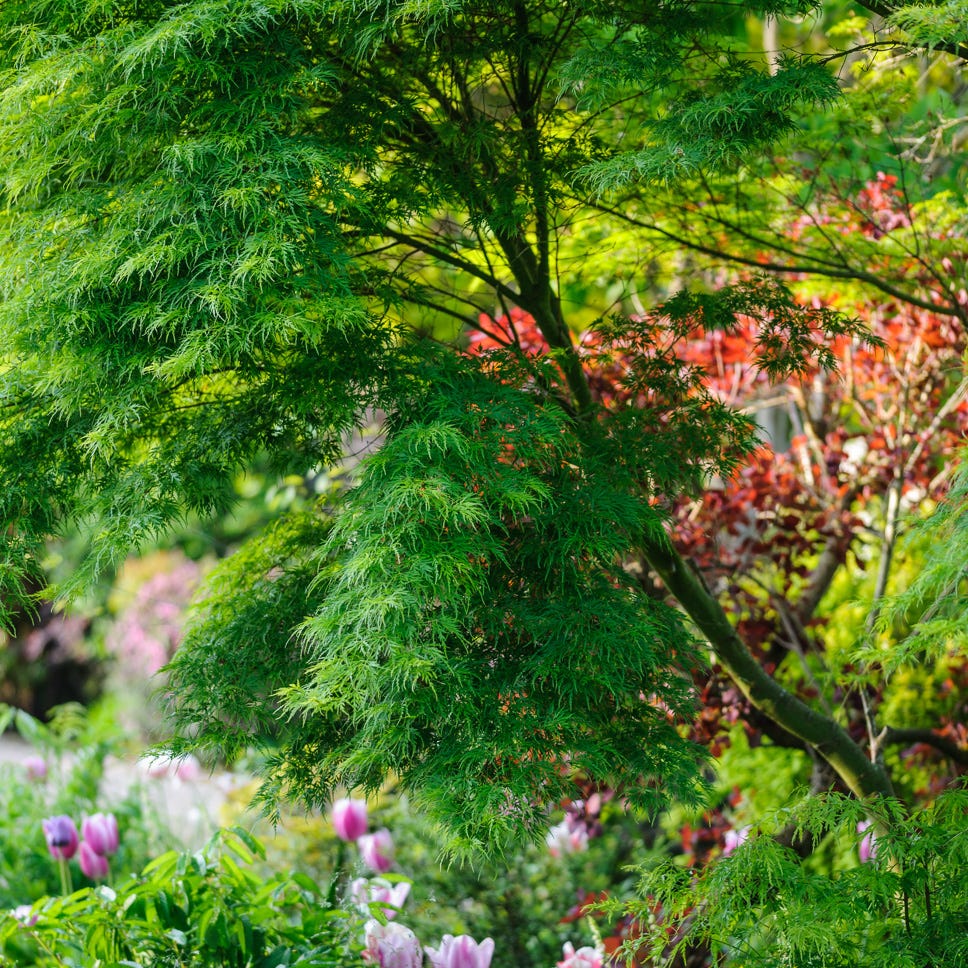
Jason Ingram
Finally, small trees offer height without overwhelming a space – particularly more compact ones – as well as shelter for animals.
“Japanese maple is always one of our favourites with its stunning seasonal colour. Come autumn, its foliage turns vibrant shades of red and orange and becomes a real focal point of the garden,” says Dylan.
Gardening must-haves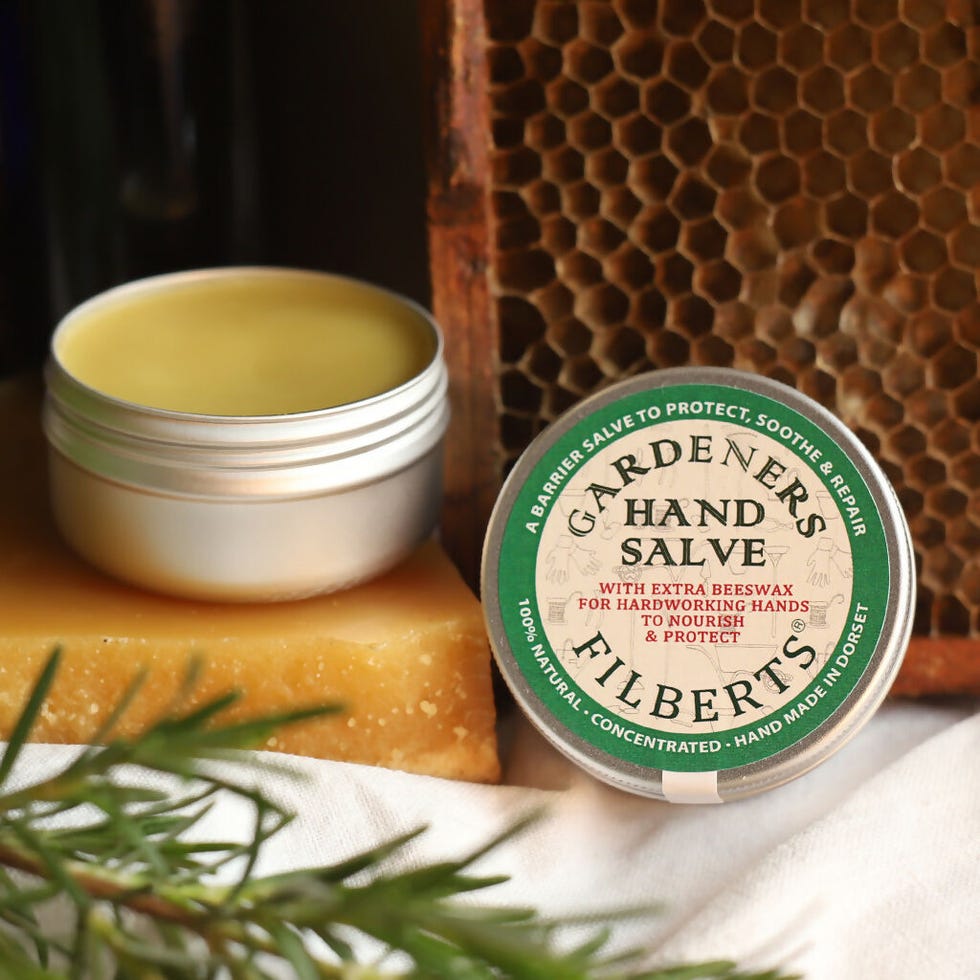 Filberts of Dorset Gardeners Hand Salve
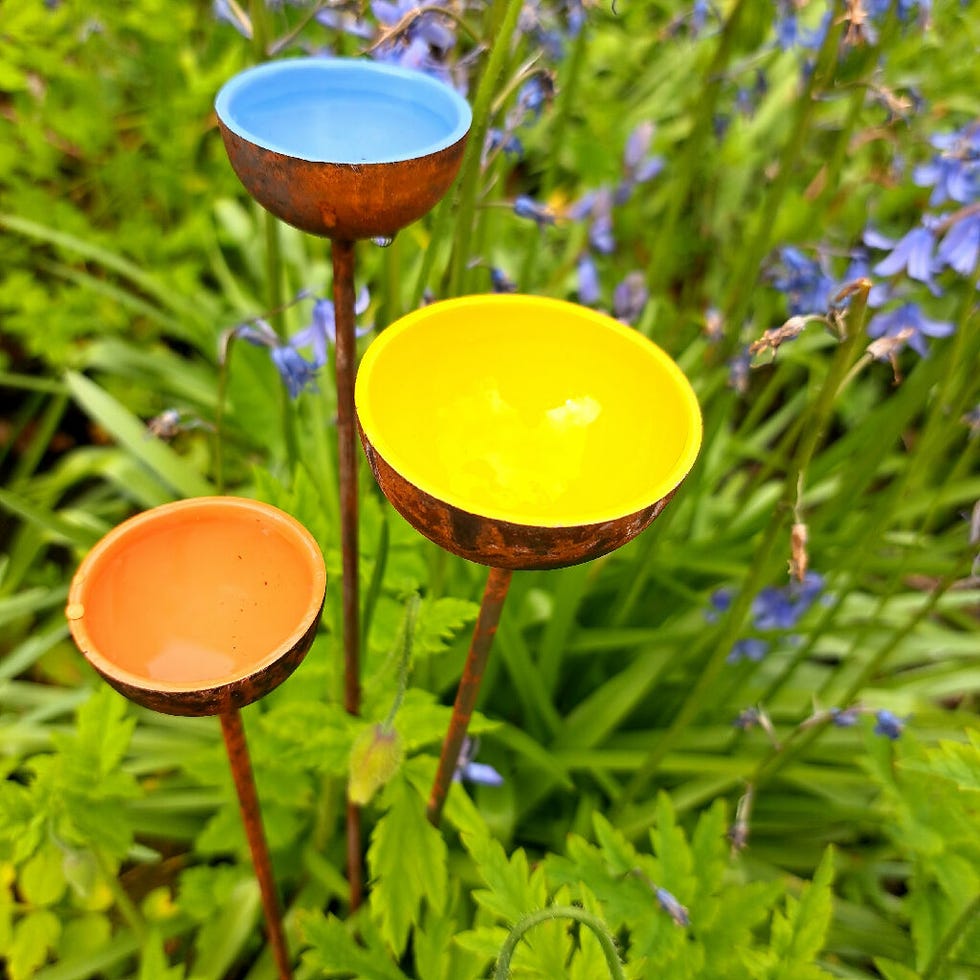 Haywards Garden Bee and Butterfly Water Stations, Garden Décor, set of three colourful bee water cups .
Now 17% Off
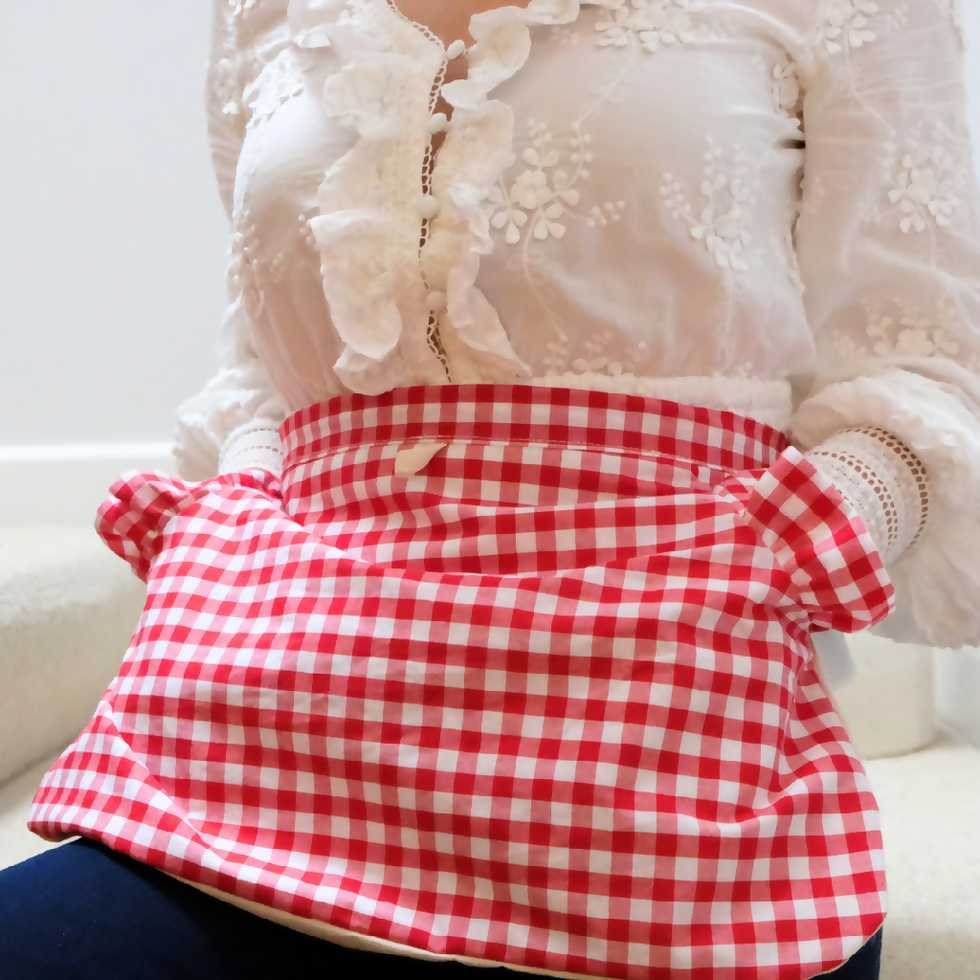 Home Sussex Handmade Peg Apron
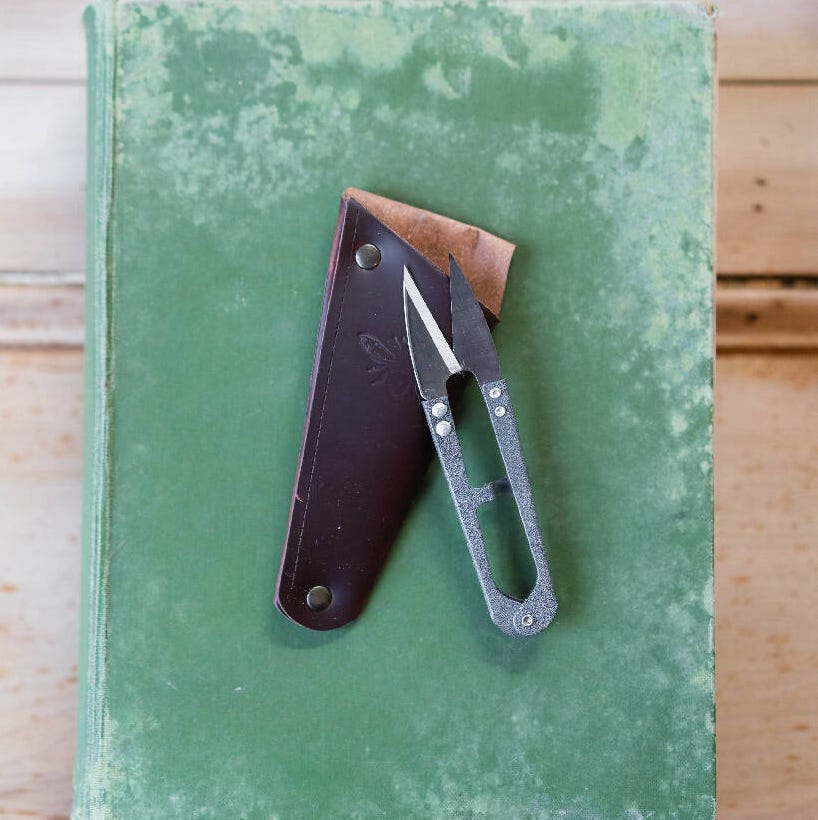 Garden Snips in Leather Pouch
 The Fae Potter Wild Bird Feeder ceramic hanging
 WhinnyPoo WhinnyPoo Box of 3 Plant Feed

Wanda Sachs is the Daily Writer for House Beautiful and Country Living, exploring the latest in interior design, home trends, property news, wellbeing and sustainable living. With a keen eye for style and a passion for storytelling, she previously served as an Associate Editor at The Berliner in Berlin, where she launched and led the magazine’s monthly style vertical, covering emerging fashion trends. Wanda holds a combined BA in English and German from Goethe University Frankfurt.
Comments are closed.