
Here are five things to do in the garden this week:
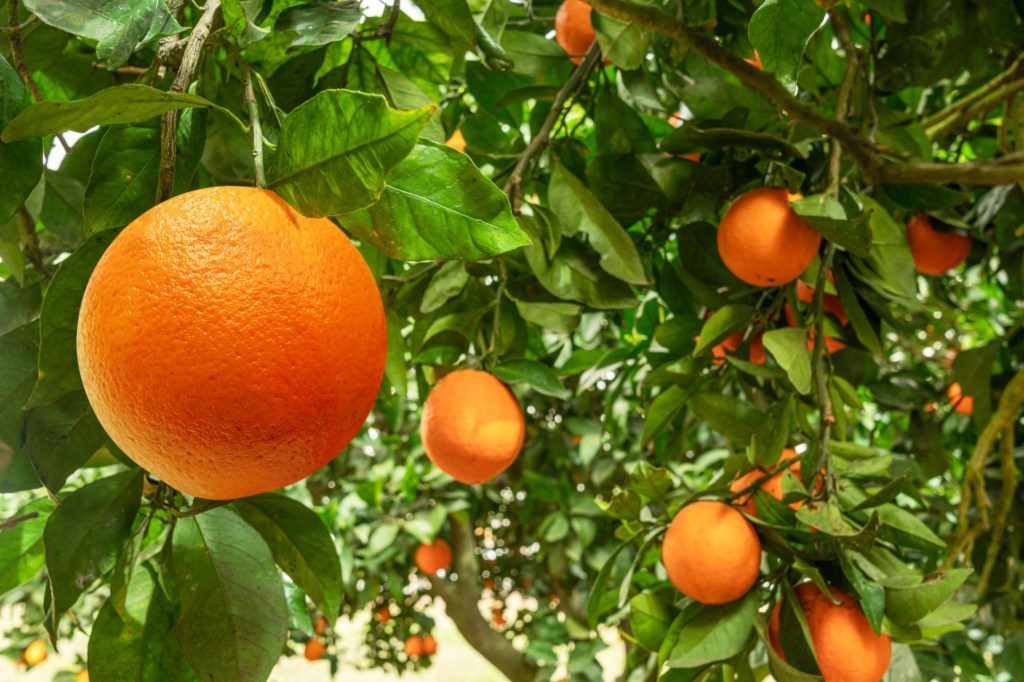
Fruit. March is an excellent time to plant citrus trees. If planted now, you’ll give these tropicals 8 months to settle in before cold weather comes. With deciduous fruit trees, the ideal planting time is fall since they are cold-tolerant but are stressed by scorching heat and so should be given 8 months to acclimate before scorching hot weather comes. Consider Moro blood oranges for their distinctive color and flavor. Procure a Moro orange on a semi-dwarf rootstock, and it will grow to 10-15 feet, while a tree on a dwarf rootstock will grow no more that 6-10 feet.
Vegetables. To grow vegetables successfully, you need at least 6 hours of direct sun on your patch of ground. It is preferable to build a raised bed out of railroad ties or 2 x 6 lengths of lumber. Build the bed as tall as you wish — the taller the better when it comes to deterring critters from poaching on your plants. I recommend a height of at least three feet for this project. Keep in mind that the taller your bed, the less you have to bend when working in it. Make it as long as you wish but no more than three feet wide so that you can comfortably nurture and harvest your crops.
Herbs. Perilla (Perilla frutescens), also known as shiso, is a member of the mint family that is commonly used to flavor East Asian cuisine. Perilla’s attractive serrated leaves exhibit one or more flavors, including mint, basil, licorice, and cinnamon. Green perilla is minty and the most popular type and is used to flavor sushi, salads, soups, noodles, and beef. Red or purple perilla has a taste between licorice and cinnamon and is used primarily for flavoring and coloring drinks. Seeds of both types should be planted now for harvest in 70 days and are available through many vendors on etsy.com.
Flowers. Classic baby’s breath (Gypsophila paniculata), the bouquet filler with tiny white flowers, is a perennial that is nearly impossible to grow unless you garden near the coast. Gypsophila paniculata var. Festival Star, however, is a different story and can be grown further inland. Creeping baby’s breath (Gypsophila repens ‘Rosea’) is a resilient ground cover and container specimen that does not require any special treatment or microclimate, other than a sunny or partially sunny exposure, to prosper. Gypsophila seeds are widely available through Internet vendors.
Now is the time to plant summer-flowering bulbs, tubers, corms, and rhizomes, namely lilies, dahlias, gladiolus, and cannas. This last glorious flower, which resembles an iris, is sometimes referred to as “canna lily,” a misnomer since cannas and lilies bear no botanical relationship, while canna is kin to ginger and turmeric. Cannas are probably the least needy flowering plants when it comes to maintenance. No matter how much you neglect them, they will bloom heavily as long as occasional water is available to them and you live in a frost-free location.
Comments are closed.