
 5 min read
While there’s nothing like a ripe tomato fresh from the vine or a beautiful porcelain-like white eggplant, let’s be honest: Some veggies are fussy and require a lot of TLC to grow. While I’m not a novice gardener, the staking, trimming, and battling diseases on some garden crops steals the joy from my time in the garden.
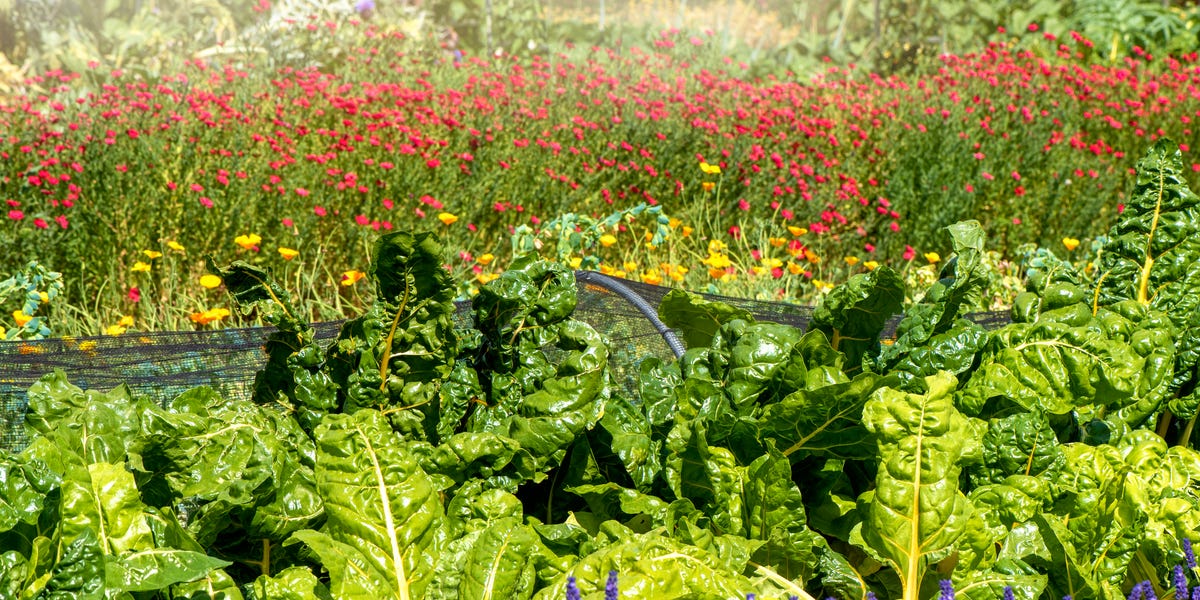
But there is one vegetable I grow every year because it’s easy, productive, rarely has pest or disease issues, and tolerates both heat and cold equally well. Its growing season extends well into late fall and early winter, even in cold climates. It’s also beautiful and can be planted in containers or alongside ornamental flowers if you’re short on space.
At just a few dollars per package of seeds, you can’t go wrong when planting it. It’s a prolific producer, too, so you’ll have plenty to use fresh, with enough to preserve for use next winter. This vegetable can be eaten both raw and cooked, and its mild flavor works well in soups, stews, frittatas, quiches, pasta dishes, and as a side dish. In a pinch, it can stand in as a topping on sandwiches.
Now for the reveal! The most underrated vegetable I recommend you grow is Swiss chard.
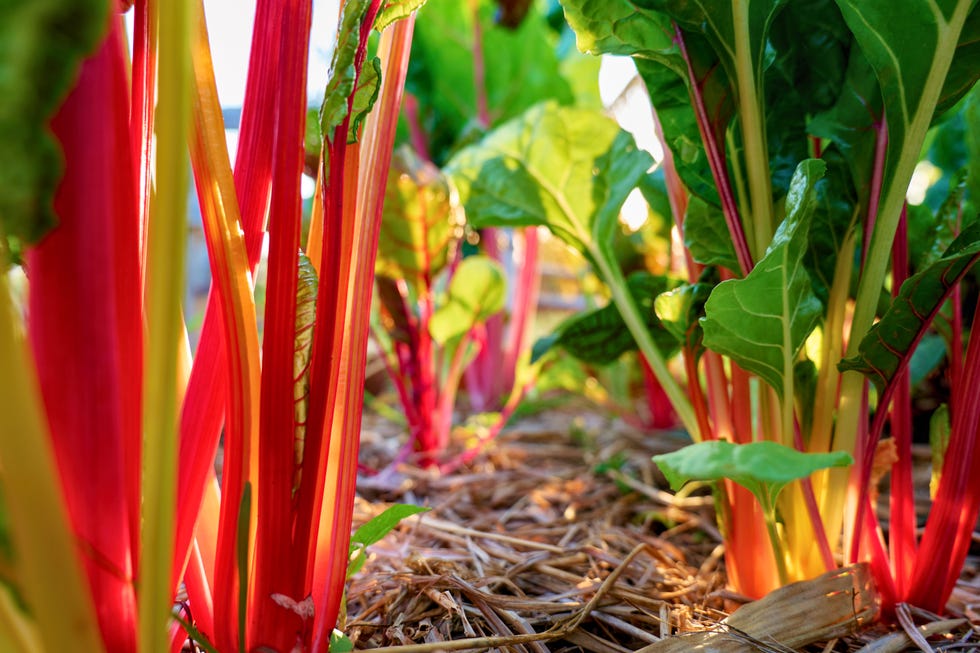
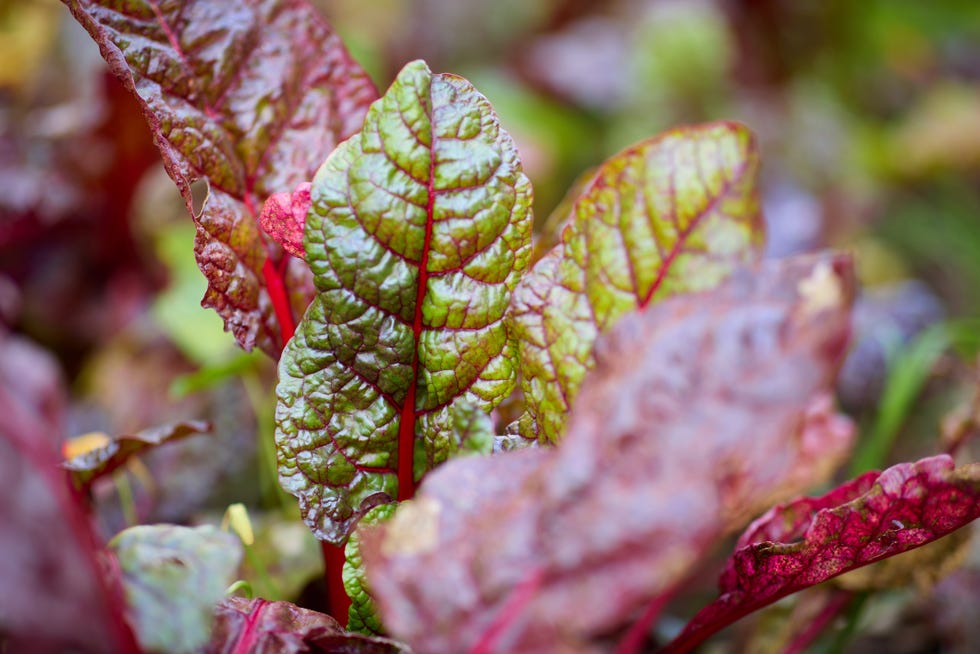
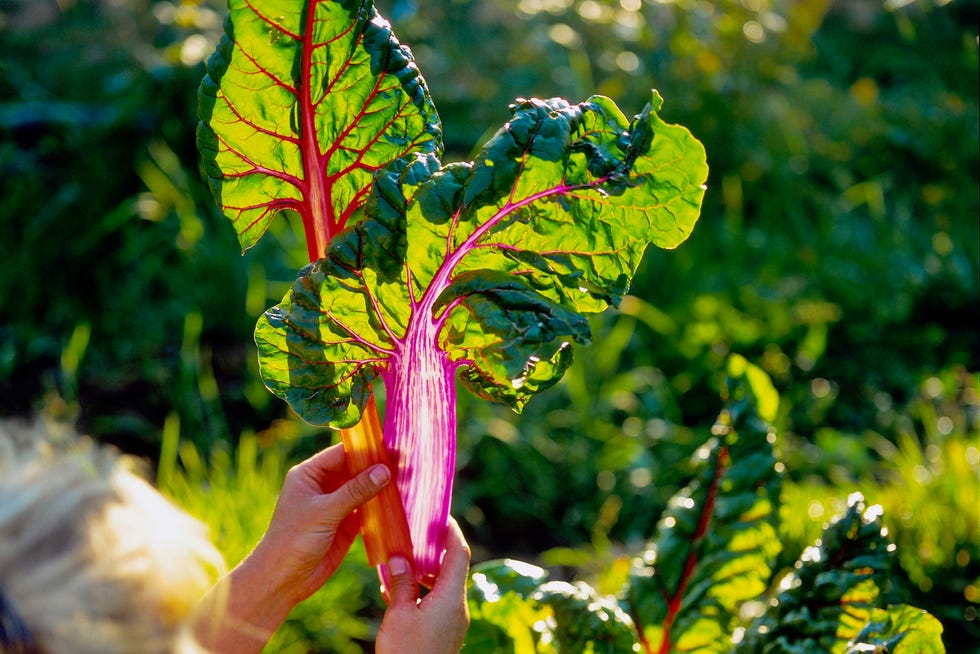
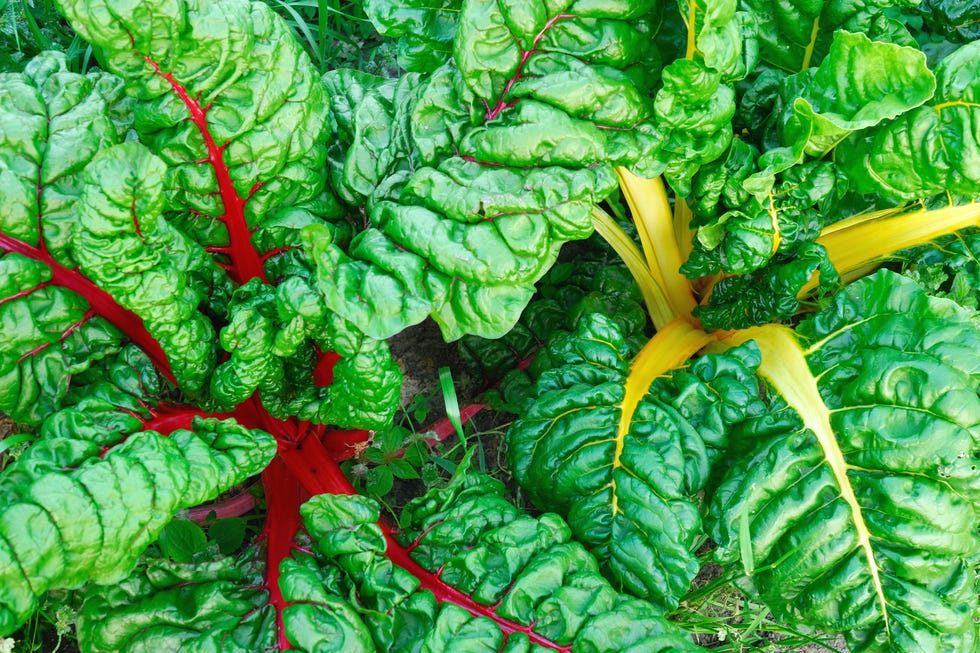
Native to the Mediterranean, Swiss chard is a practical and beautiful addition to your garden. As a member of the beet family, Swiss chard (Beta vulgaris) has huge, crinkly dark green leaves and colorful midribs and stems of white, bright yellow, orange, or deep red. Both the leaves and stems are edible.
Read on to learn how to grow your best harvest of Swiss chard ever:
Krit of Studio OMG//Getty Images
How to Grow Swiss Chard, From Seed to Harvest
As one of the easiest and most productive vegetables you can grow, Swiss chard is also a great alternative to spinach, which tends to bolt, or go to seed, in the heat. Chard also is cold-tolerant and will produce until temperatures are in the 20s.
When and Where to Plant Swiss Chard
Swiss chard needs full sun, which is considered 6 or more hours of direct sunlight per day. It’s not picky about soil types, as long as it’s well-draining. Direct-sow the seeds into your garden beds about a month before the last average frost date in your area (find yours here). Seeds take about 7 to 14 days to germinate.
Succession planting, about 10 days apart, also ensures a longer harvest window for Swiss chard. You also can start seeds indoors under grow lights, if you have a short growing season.
Sprinkle the seeds about an inch or so apart; they’re large so you can space them out by hand. Plant seeds about ½ to 1 inch deep and about 6 inches apart. Add compost or a slow-release fertilizer at planting time.
When the plant has a few leaves, thin plants to about a foot apart, if you wish. I find that chard still produces well when slightly crowded (with plants around 6 inches apart), though the leaves will be smaller.
DebraLee Wiseberg//Getty Images
Can You Grow Swiss Chard in Containers?
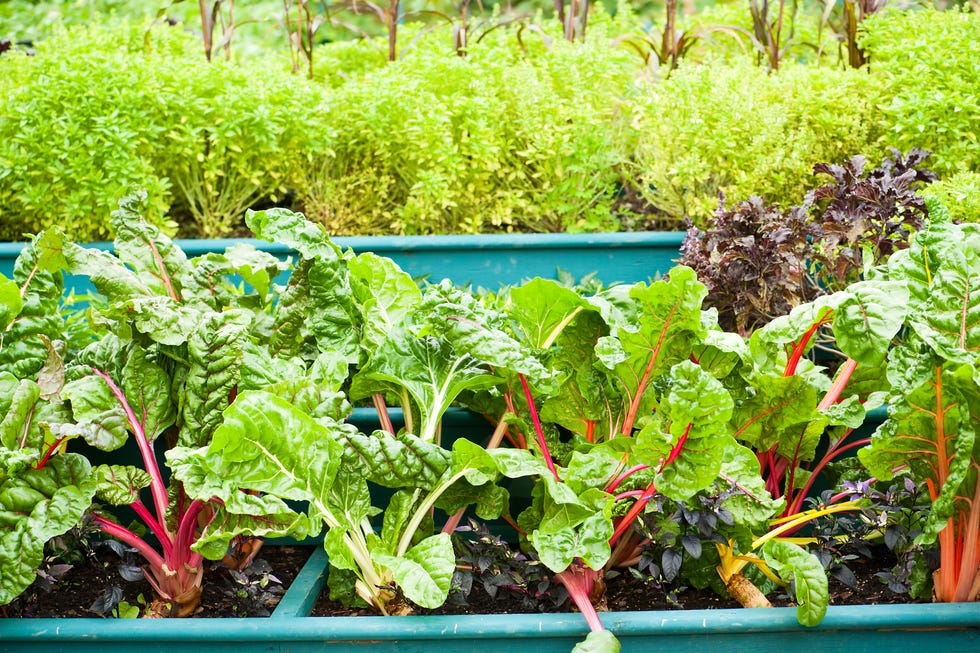
You can grow this plant in containers, but ensure you use a pot that’s at least a foot deep to give its roots room to stretch. Note that chard grown in containers usually won’t get as large as that grown in beds.
Compassionate Eye Foundation/Richard Boll//Getty Images
How to Water and Shade Swiss Chard for Steady Production
Water chard seeds or seedlings well after planting, then give chard about an inch or two of water per week. If you let chard get too dry or don’t water during a drought, its growth slows and it’s more likely to bolt. While Swiss chard tolerates heat much better than greens such as spinach, you also can set up a shade cover in mid-summer if you live in a very hot climate. This helps keep the plant cooler for better production.
Common Pests and Problems (and How to Fix Them)
I’ve never had a pest or disease problem, though aphids can sometimes be problematic for some home gardeners. If you see them, blast them off with your garden hose. I do rotate my planting location from year to year to cut down on disease risk.
Aaron McCoy//Getty Images
Related StoryWhen and How to Harvest Swiss Chard for Continuous Growth
Some varieties of chard are ready to harvest in as little as 50 days. Cut leaves from the outside of the plant, which grows in a bunching habit, within about 2 inches of the ground. Harvesting will encourage the plant to push new leaves. Both baby and full-sized leaves can be picked. Use a knife to cut off individual leaves so you don’t inadvertently pull out the entire plant.
Swiss chard is tough and will continue to grow until temperatures drop to the 20s. In mild winters, I’ve had chard plants survive until spring and push new leaves. A cold frame also can extend the season by a few more weeks in both spring and late fall.
nojustice//Getty Images
How to Store and Preserve Swiss Chard (Freezing Made Easy)
Chard stores well in the fridge for a couple of weeks, but I’ve found it’s incredibly simple to preserve. Simply harvest, rinse the leaves, then chop or chiffonade. Pop into a freezer bag, flatten to remove all the air, and freeze. That’s it!
Cook frozen chard (or thaw it first, if you prefer) any way you wish. I’ve never noticed a difference in quality of cooked chard when it’s been previously frozen. Most years, I get all the way to spring using my store of frozen chard.
Alexandra C. Ribeiro//Getty Images
Best Swiss Chard Varieties to Grow in Your Garden
There are many different cultivars, but here are some of the varieties that have performed well in my garden:
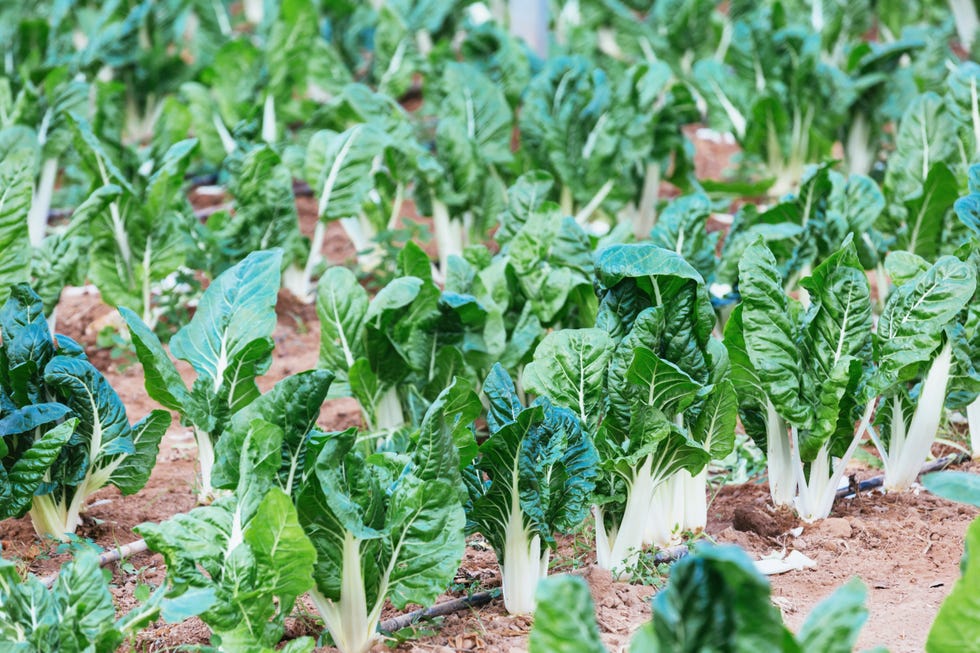
Fordhook Giant—My all-time favorite for its humongous leaves, long harvest time, and cold tolerance. It matures in about 50 days and has broad white midribs and sturdy leaves.Bright Lights—Matures in about 55 days and boasts pretty yellow, red, pink, and orange stems. Slow to bolt and an All-America Selections winner that’s been tested in many different climates.Firebird—It’s not as productive as other types, but its dark red leaves and stems add nice color to fresh salads. It matures in about 30 days for baby leaves, twice as long for mature leaves.Ruby Red—If you want classic red midribs, veins, and stems against medium-green leaves, this is the variety for you. It takes about 55 days to mature, but you also can harvest as baby greens in half that time.Swiss Chard Recipes to Try
Comments are closed.