

Daffodils brighten gardens in spring with their cheerful yellow blooms, but their blooms can cause big problems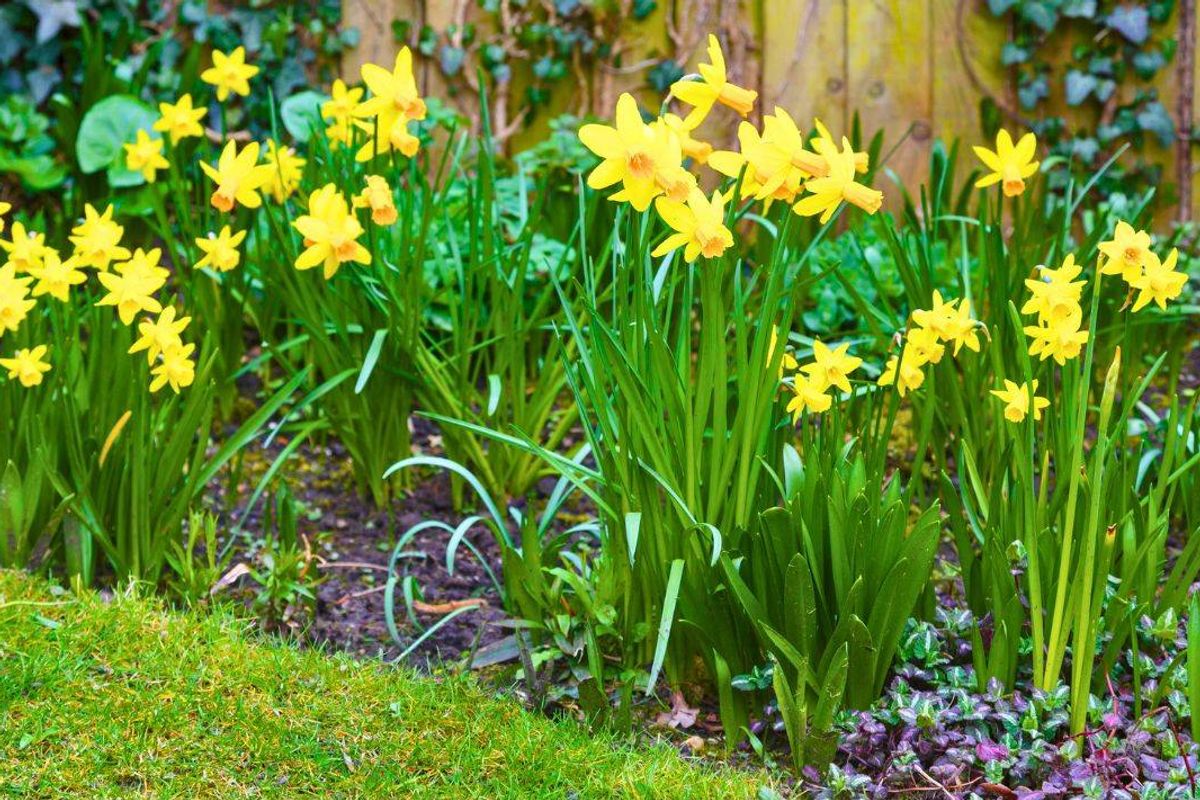
Daffodil are common sight in gardens throughout March and April(Image: Getty)
Spring brings natural beauty as daffodils emerge from the earth and inject plenty of colour into gardens with minimal fuss. However, daffodils only flourish for a few weeks at best before they start to fade, and gardeners need to be mindful about clearing away any dying foliage if they wish to safeguard their outdoor spaces.
Spent blooms left to decompose can promote mould or fungal infections spreading through the soil, particularly during spring, as spores flourish in damp and mild conditions. Decaying petals can also lure slugs, snails and aphids into gardens, which may begin feasting on newly emerging plants and hinder their growth.
Steven Bradley, a professional gardener and founder of Busy Gardening, has revealed there’s a “quick and easy” deadheading technique to dispose of fading daffodils and guarantee abundant spring blooms next year.
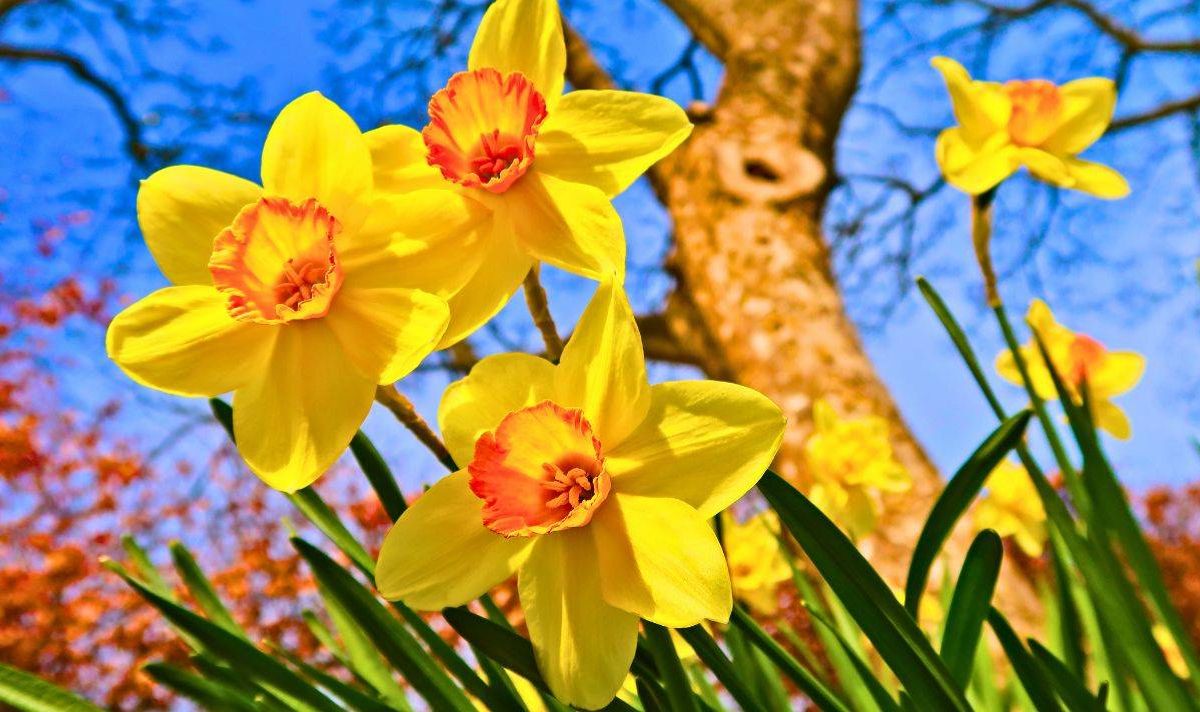
Anyone with daffodils should do a quick 5-second task before they start wilting(Image: Getty)
Steven explained: “Now I know that no one goes around dead-heading all those wild daffodils marauding across the woodlands and verges of the land; however, dead-heading is a way to ensure your daffs put the maximum amount of effort back into their bulbs for next year’s show.”
Why should you deadhead daffodils in spring?
Deadheading daffodils requires just a few seconds per plant at most and represents one of the easiest methods to shield gardens from pests and plant diseases during spring.
Rotting foliage is more prone to spreading illness and drawing in unwanted pests, but deadheading helps reduce that danger so your entire garden remains in good health.
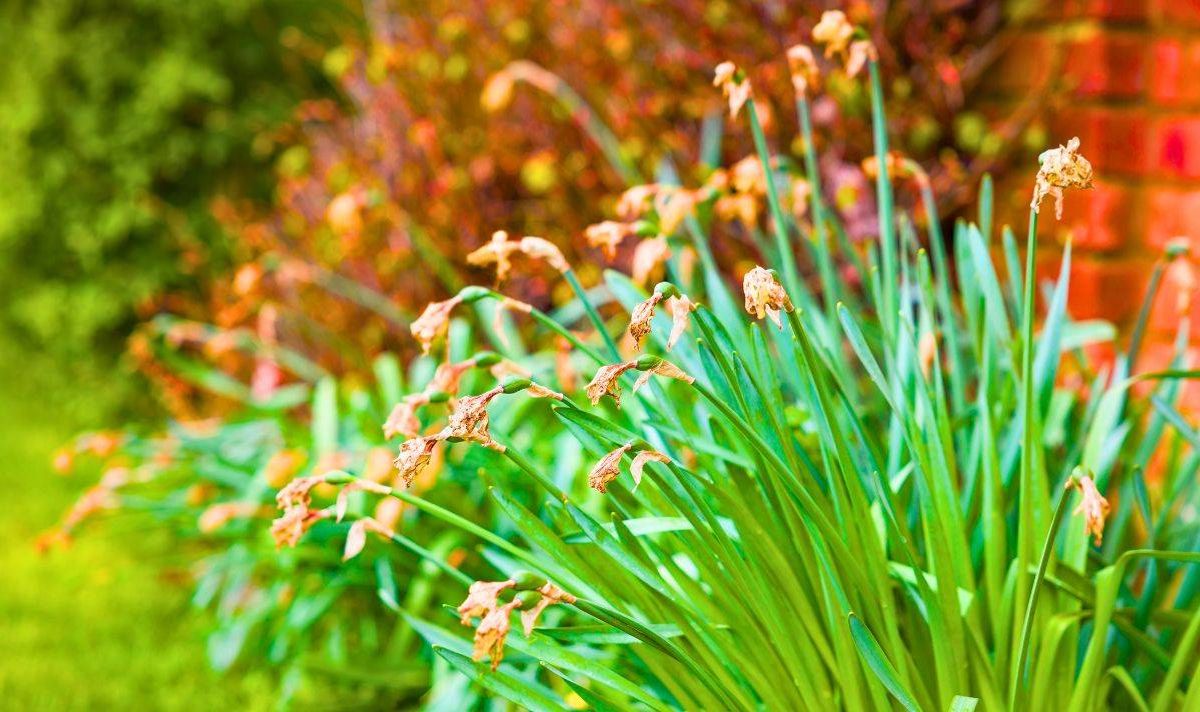
Once daffodils begin wilting away they can attract fungal diseases to your garden(Image: Getty)
It’s particularly beneficial for daffodils as the petals start to wilt, since the plant will begin producing additional seeds that scatter across the garden once the flowerhead completely decomposes.
Taking off the faded flower head stops seed development, meaning all the energy the plant generates returns to the bulb. This helps guarantee the flower returns larger, stronger and with more enduring blooms the following year, allowing you to appreciate daffodils in your garden throughout spring.
How to deadhead daffodils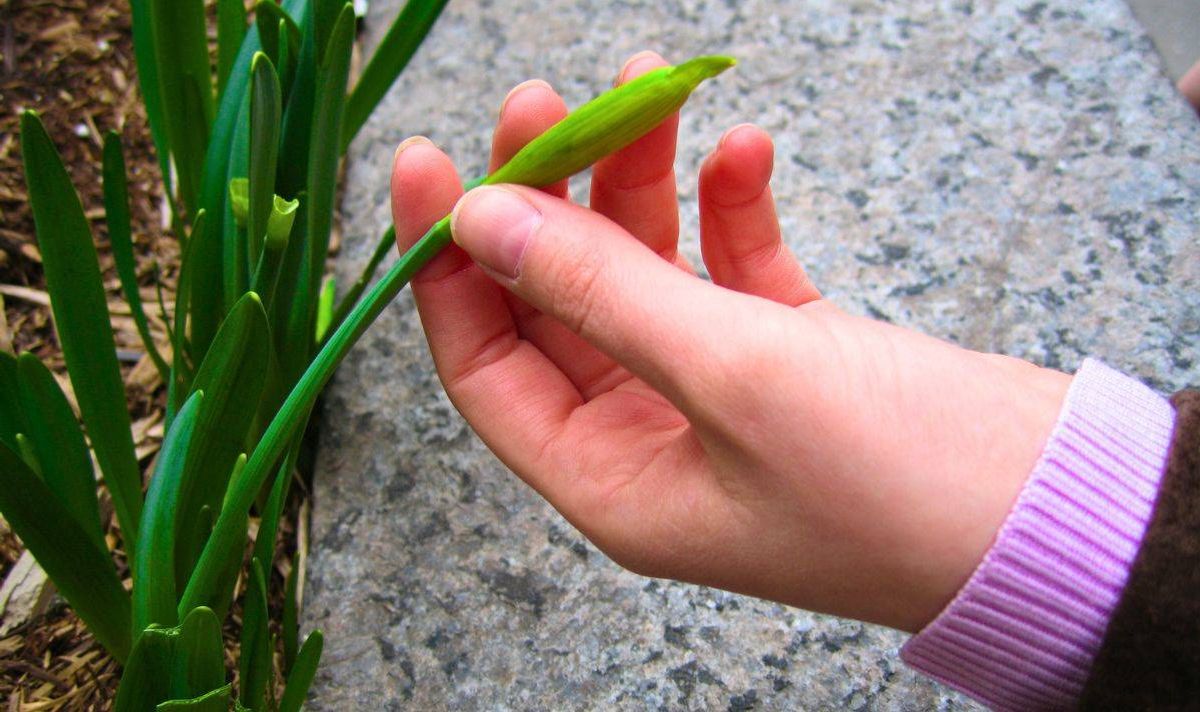
Deadheading takes seconds and is a simple way to help your garden in spring(Image: Getty)
First, hold off until the daffodils start looking shrivelled, which should occur roughly six weeks following flowering. Only deadhead wilting flowers otherwise you risk destroying the whole daffodil plant, preventing it from returning next year.
Simply grasp and hold a daffodil flower gently above the point where the green stem connects with the brown head, just beneath the petals.
Then use your thumb and forefinger to bend the daffodil backwards, and the flowerhead ought to break off cleanly without damaging the foliage or stems.
Put any dead flowers in the compost heap. Your garden will remain tidy during spring, and you’re assured of having plenty of vibrant flowers next year.
Comments are closed.