

Connie Smith, Special to the Eagle-Gazette

The Benefits of Pruning Your Plants
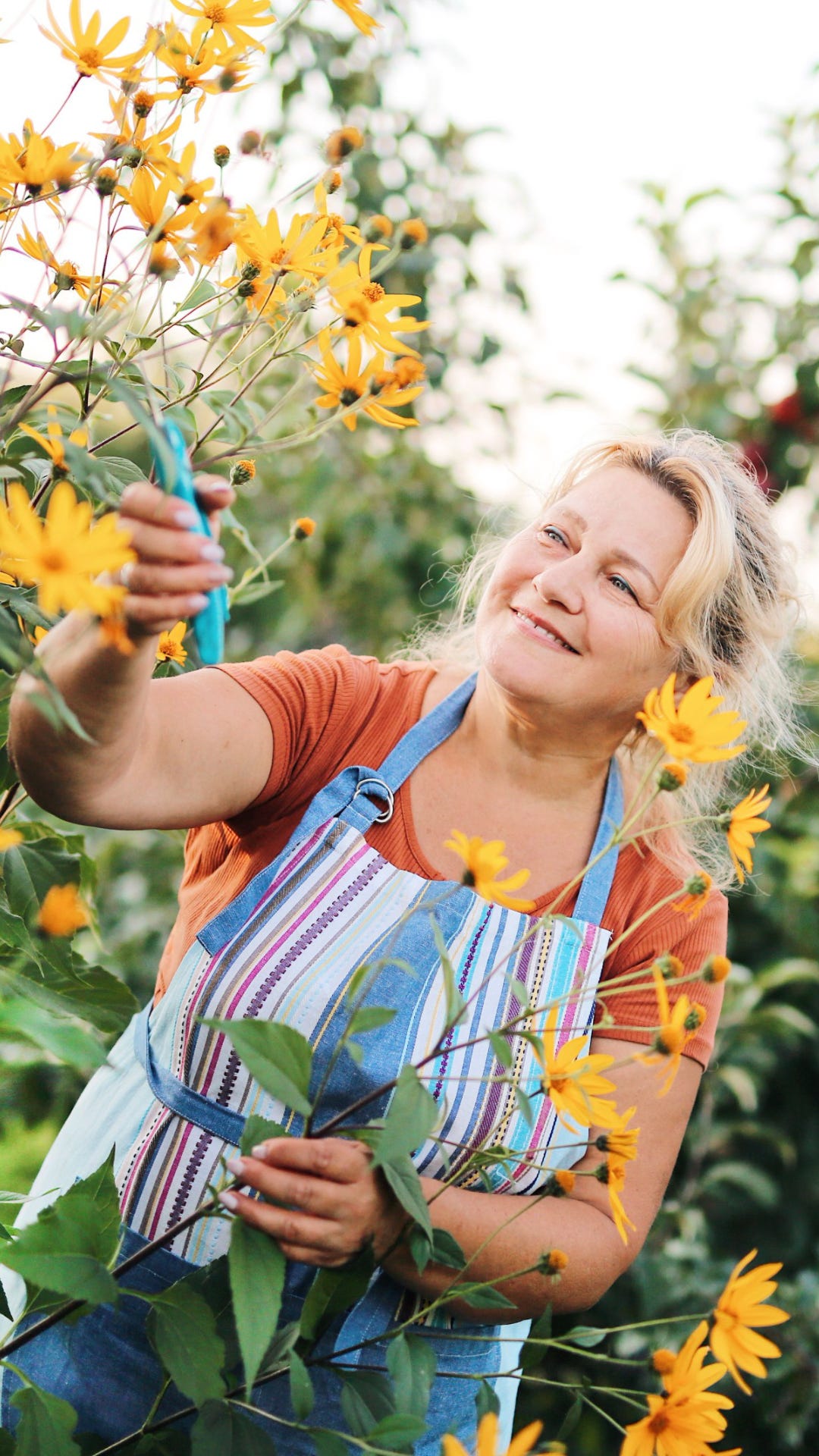
Pruning is more than just an aesthetic ‘haircut’ for your greenery. It can impact the health, safety, and productivity of your plants.
This is the time of year when we gardeners start thinking about our gardens and perhaps starting a few plants inside to get a jump on the season. If you do decide to start some plants inside, there are a few things to consider as you do this, which will help you have a greater degree of success with this project.
Timing
One of the biggest problems people have with starting seedlings is timing. Starting seeds too early often results in poor-quality plants that fail to thrive even when transplanted into the garden. Deciding when to plant your seeds should be based upon when they can be safely transplanted outdoors. Of course, late frosts are always possible, so pay attention to the forecast before you plant. In Columbus, Ohio, the last date of early frost in 2025 was April 12. But back in 2020, the last frost in Columbus was May 9. So, when planning your planting date think about frost dates and warm soil temperatures! Adequate soil temperatures for germination range widely for different crops. For example, spinach needs a soil temperature of at least 38 degrees to germinate while lettuces, onions and peas like a 42-43-degree soil temperature. Potatoes do best at 45 degrees, even though legend suggests St. Patrick’s Day is the perfect day for planting our potatoes. And those tomatoes, cucumbers and pumpkins prefer soil temperatures in the 58-60 degree soil temperature range.
Use the instructions on the seed packets as a guide for when to start your seeds. It is best to make a chart or use a calendar to keep track of when you need to plant indoors for the optimal time for them to go outside.
Seed Selection
It is always best to start with good-quality seeds from a reliable supplier. There are many seed companies to choose from, but if you have a choice, purchase seeds from reputable companies and or garden centers. If you saved your own seeds from last year’s crop, you can try sowing these as well. However, you may not end up with the plants you expected if the seeds you saved were from a hybrid variety or if they were cross-pollinated. If you have seeds leftover from previous years, you can use those as well, but realize that seed viability goes down with each successive year.
Starting Media
A good seed starting medium should be fine, uniform, well aerated, and loosely packed. It also needs to be free of insects, disease organisms, and weed seeds. For best results, choose a soil-less seed starting mix composed of peat moss, fine-grade vermiculite or perlite. Reusing old potting soil is not recommended because it may be contaminated with diseases. You can make your own potting medium as follows: 4 quarts of shredded peat moss, 4 quarts of fine-grade vermiculite, and 2 Tbsp. of ground limestone. These mixes have no fertility, so the seedlings need to be watered with a dilute fertilizer as the first true leaves appear.
Water
Seedlings need a steady supply of water and are best watered from the bottom. Do not allow them to become water-logged as this will reduce the oxygen that is available to the plant. So do keep the media moist, but not water-logged or saturated.
Light
Certain seeds need light to germinate, and if so, it should be stated on the package. Some seeds, like lettuce, need light in order to germinate, so plant them uncovered or lightly cover them with a sprinkling of seed-starting media. Other seeds require darkness to germinate and should be covered. Once your seeds have sprouted, they will need supplemental lighting to prevent them from getting “leggy”. Seedlings that do not get enough light tend to develop long, weak stems as they reach for the light. You can prevent this by providing the necessary light. You can suspend two 40-watt fluorescent lights six to twelve inches above your seedlings for 18 hours a day. If at all possible, move them outside for increasing amounts of time when the weather permits so that they can get used to full sunlight.
Temperature
Most seeds germinate between 65-75 degrees F. If the ambient temperature in your home is lower than this, heating mats placed beneath your seedlings can elevate the temperature of the growing medium and encourage germination. Heating mats are almost essential for growing plants like tomatoes which prefer the temperature to be around 80 degrees F. to germinate. You might even consider using the top of your hot water tank, the top of your clothes dryer or refrigerator if the conditions are right as the heat source for starting your seeds.
Hardening Off
Plants grown from seed need to be acclimated to outdoor conditions before they are planted in the garden. One to two weeks before transplanting, plants should be moved to an area that is 45 to 50 degrees F indoors, or outdoors in a shady location out of the wind. A ventilated cold frame or a shelter covered with a shade cloth will work well for this purpose. Gradually move them into the sunlight for a few hours a day, gradually increasing their exposure. Don’t put new seedlings out on windy days or when the temperature is below 45 degrees F. Reduce watering as the plants as you harden them off, but do not allow them to wilt.
The main advantage of starting seeds inside is that you will be able to try new varieties or unusual plants or herbs that you cannot otherwise buy. Gardening is an adventure that you go on each year. Starting things inside allows you step out into different directions than you have in previous years and go down new and interesting paths.
4-H Cloverbud Easter Egg Hunt and More
The Fairfield County Junior Leaders presents the JAS’s Easter Eggstravaganza for all 4-H Cloverbuds and family members ages 8 and younger. This event is being hosted in memory of 4-H Advisor Jane Sharp, who was an amazing 4-H advisor for 24 years. This event will be held on March 28, at the Fairfield County Agriculture Center at 831 College Avenue, Lancaster, Ohio. There will be crafts, door prizes, an egg hunt and maybe a visit from the Easter Bunny too! Crafts and activities will begin at 1 p.m. with the egg hunt at 2 p.m. For details, contact OSU Extension in Fairfield County at 740.653.5419
Comments are closed.