
A growing number of experts say doing less in your garden could actually lead to healthier plants, better soil and more wildlife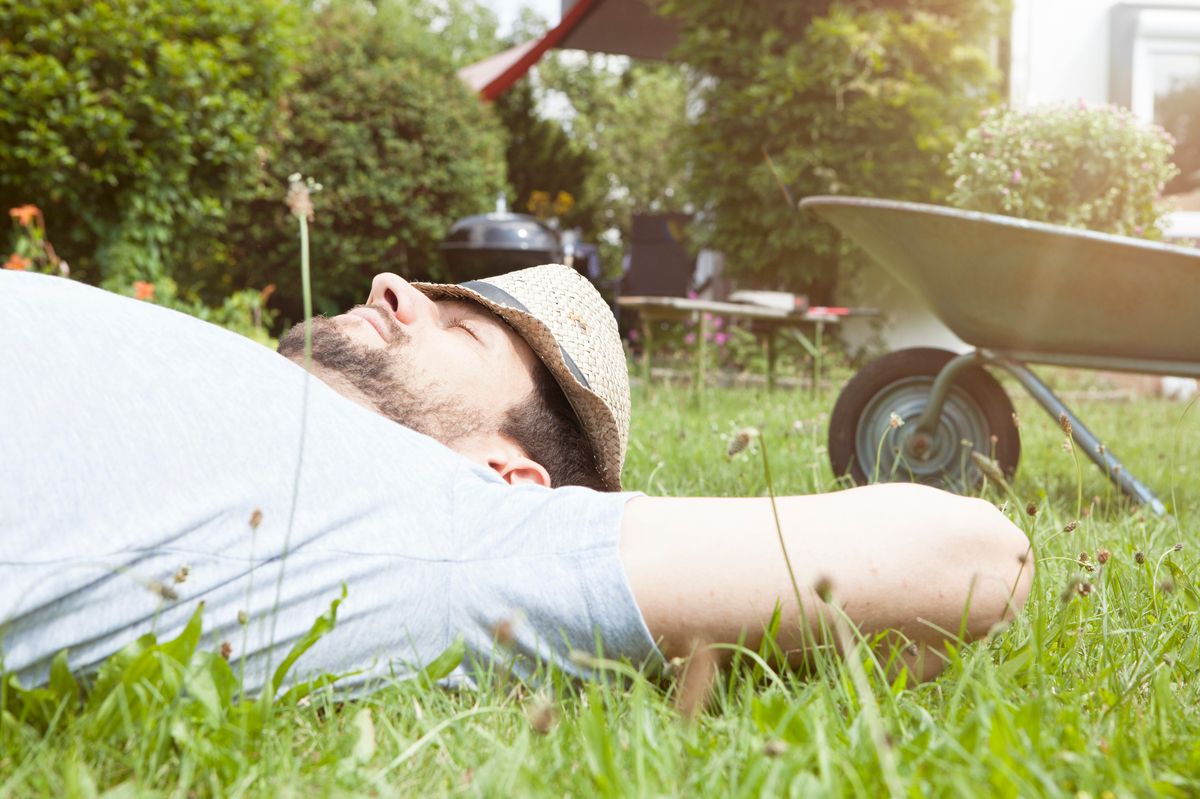
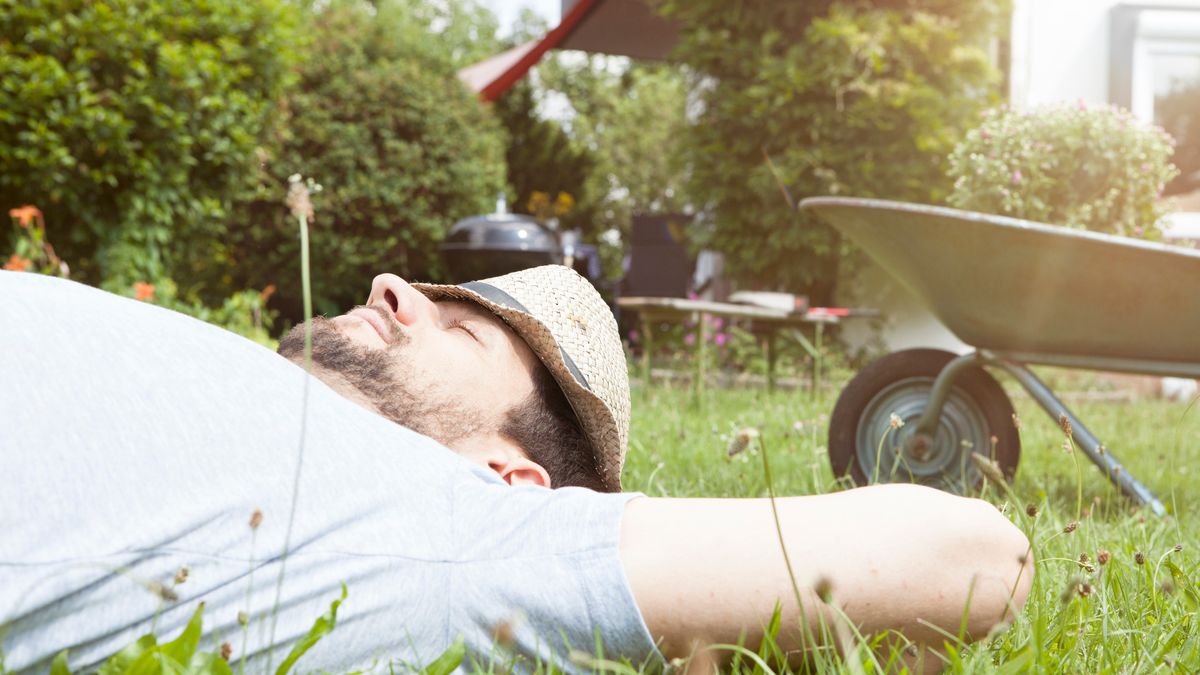
Lazy gardening is trending from mowing less frequently to leaving leaf litter in place(Image: GettyImages)
For generations, the benchmark of a well-kept garden has been controlled through immaculate lawns, weed-free borders, and a regular schedule of trimming, treating and tidying. But a different approach is now gaining serious attention among gardeners, sustainability advocates and environmental experts alike.
‘Lazy gardening’, which has also been dubbed as low-intervention gardening, challenges the idea that a healthy garden is one that is constantly managed. Instead it’s more a sense of less is more.
It suggests that stepping back by cutting the grass less, ditching chemicals to get rid of weeds, and letting nature take the lead, can actually produce better results, both for your outdoor space and the wildlife that depends on it.
At first glance, the name ‘lazy gardening’ might sound misleading as it isn’t about neglect, it focuses on the idea of knowing when it’s time to hold back on gardening and let nature take its course.
The main idea of the lazy gardening technique is to reduce unnecessary interference and allow natural processes to do more of the work. That might mean cutting the grass less often, letting wildflowers grow more freely, leaving fallen leaves in place over winter, or choosing low-maintenance plants that don’t need constant attention.
“People hear ‘lazy gardening’ and assume it means not caring about your garden,” says Patrick Martin, owner of Frantoio Grove. “But it’s a very deliberate approach. You’re making conscious choices to work with what nature is already trying to do, rather than constantly fighting against it. The goal isn’t a messy garden, it’s a resilient one.”
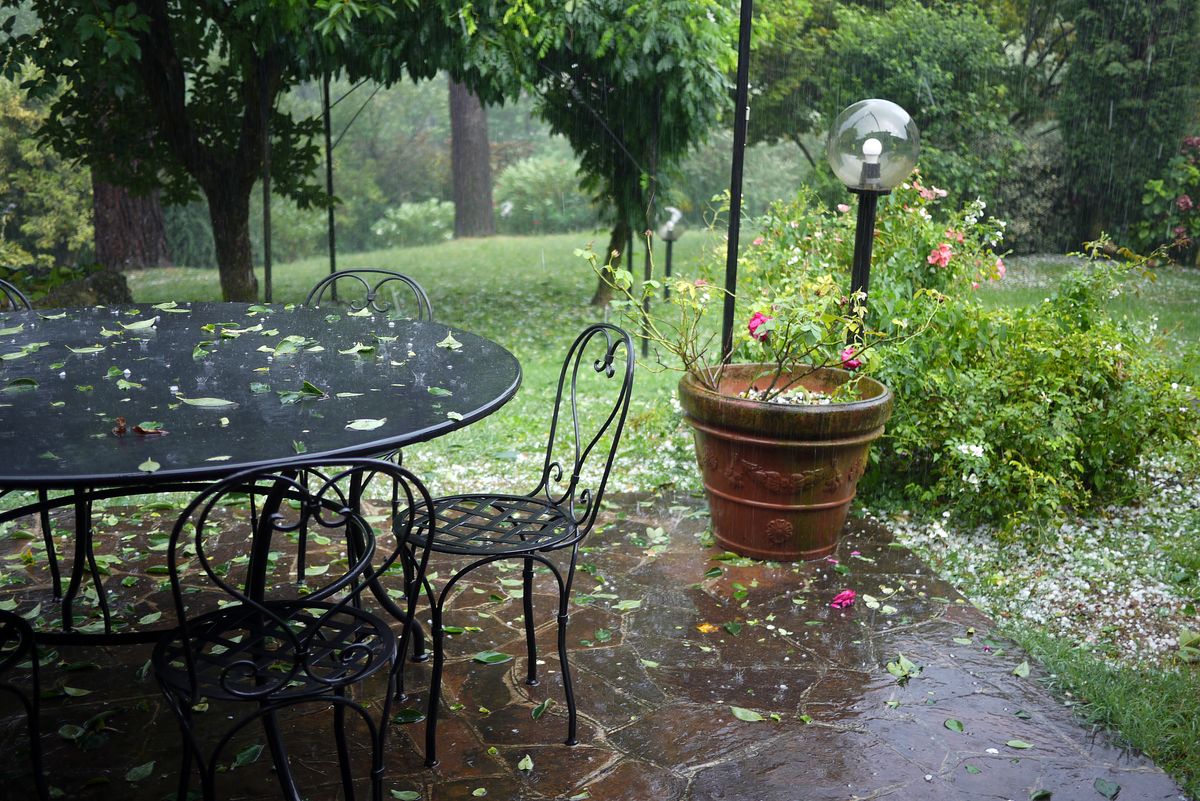
Lazy gardening is a technique that allows the garden to flourish on its own(Image: GettyImages)
According to Martin, the key difference between a neglected garden and a low-intervention one comes down to intention. Lazy gardening still involves observation, planning and some level of care, but it strips away the habits that can disrupt the garden’s natural balance.
In fact, over-managing outdoor spaces can sometimes do more harm than good. Frequent mowing, excessive pruning and heavy use of chemical treatments can damage soil health, reduce biodiversity and make gardens more dependent on ongoing maintenance.
According to Martin, a lighter-touch approach encourages stronger ecosystems. Healthier soil, more insects and pollinators, and a better balance between plants all contribute to a garden that can largely sustain itself.
For those curious about giving it a try, Martin says there’s no need to completely rethink your garden overnight. He says: “If you’re curious about trying lazy gardening, you don’t need to overhaul your entire outdoor space to see results. Start small.”
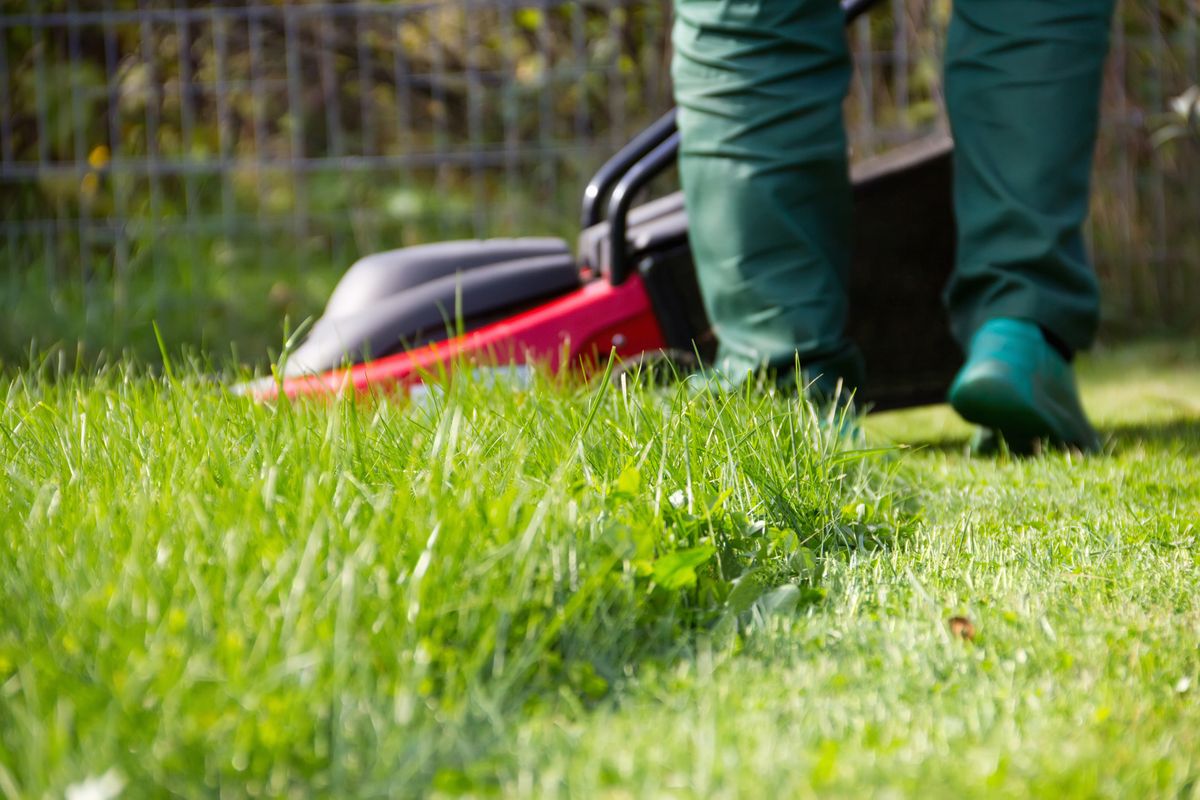
The expert says starting small can help with lazy gardening(Image: Getty Images)
The expert recommends taking small steps such as picking one area of your garden and leaving it uncut, as well as swapping out high maintenance plants and leaving grass clippings on the ground after cutting the grass.
Martin explained: “Pick one area of your lawn and leave it unmowed for a month. Swap one high-maintenance plant for a native species that supports local pollinators.
“Stop bagging your grass clippings and let them break down where they fall. Reduce or eliminate chemical treatments and see how your soil responds over a season.
“None of these steps requires significant time or money, but together, they begin to restore the natural balance that over-managed gardens often lose. The garden doesn’t need you to do more. In most cases, it needs you to do a little less.”
Comments are closed.