

Strawberries are a popular fruit to grow in the garden, but they can be prone to slug infestations. Luckily, there’s a simple method to help deter slugs without harming the plants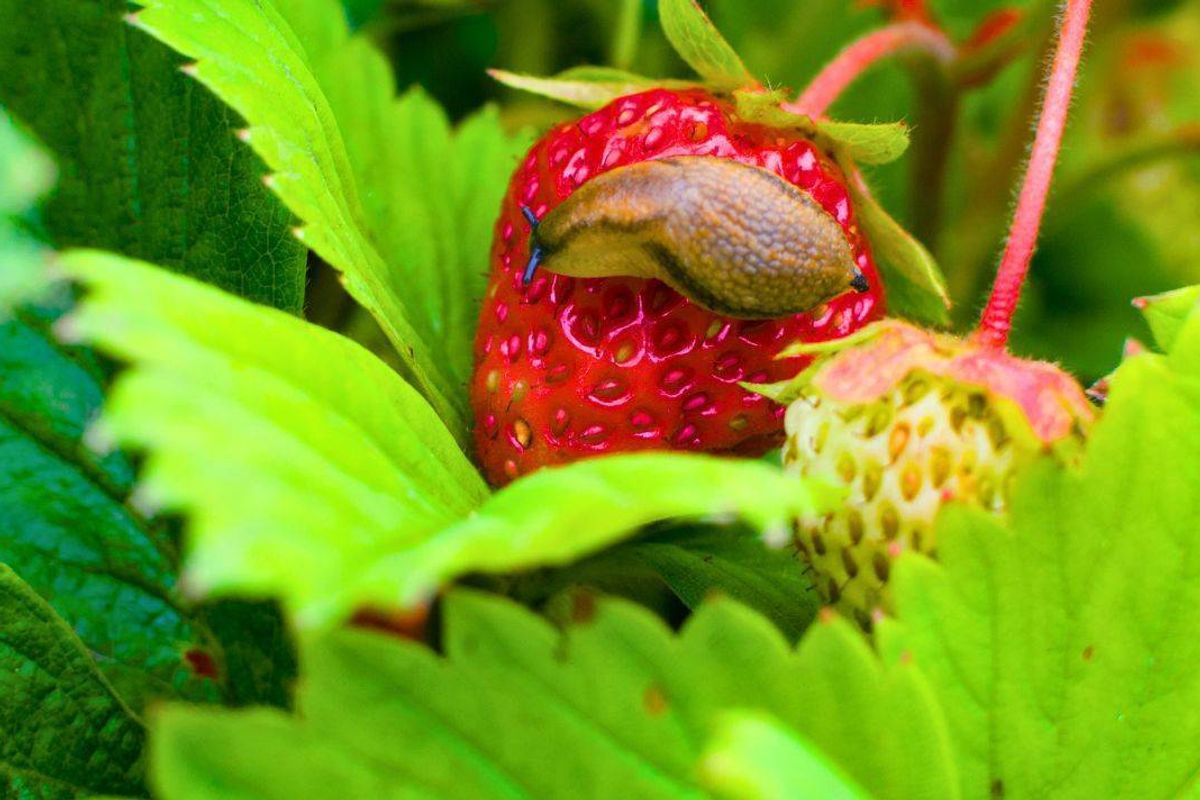
Strawberry plants will stay healthy and slug-free if you place 1 simple item in the garden soil(Image: Getty)
March marks the moment when frost finally melts away, and touches of green begin to emerge in gardens, signalling that it’s time for gardeners to get planting again, including strawberries.
Strawberries are generally quite easy to grow, benefiting from warmer soil and spring showers, but the moist environment can make them prime targets for slugs.
Slugs are particularly drawn to strawberries when the young shoots have delicate leaves, and any damage to the buds can result in a reduced crop or potentially no fruit at all. It’s highly recommended to avoid using pest sprays on strawberries, as these chemicals can taint the fruit and pose serious risks to bees, which are essential for pollinating the flowers during this period.
Instead, Jeff Begin, who operates Begin Family Farm, has shared that protecting strawberries from slugs is actually quite simple if you mulch them correctly.
How to mulch strawberries to keep slugs away
Mulching is an easy gardening technique where organic material is placed around plants to protect them from temperature extremes and unwanted pests, reports the Express.
One of the most common mistakes when mulching strawberries is choosing unsuitable material, as certain mulches available at garden centres can actually attract slugs rather than deter them.
Jeff explained: “Slug’s role in nature is to clean up decomposing organic matter by eating holes in it. So don’t use decomposing organic matter as a much – use already decomposed organic matter!”
Gardeners often turn to straw, bark or grass clippings as mulch because they naturally boost the soil as they break down, but these materials hold onto a lot of moisture.
When these mulches begin to decompose, they’ll foster the perfect habitat for slugs to take up residence and breed, making them particularly difficult to shift.
To protect your strawberries, opt for compost that’s thoroughly rotted and has a crumbly texture, as it dries out quickly whilst still delivering essential nutrients to the plant.
Slugs only thrive in moist conditions, so if strawberries aren’t sitting in pooled water, the area becomes far less inviting for them to shelter beneath, encouraging them to relocate elsewhere.
Jeff explained: “There’s no fresh or partially decomposed organic matter, only a semi-fine compost where everything has already broken down. Slugs don’t seem to like living here.”
Simply clear away debris around your strawberry plants and try to maintain a relatively weed-free zone, as dense foliage provides perfect cover for slugs.
Next, create a barrier roughly five to 10 centimetres deep encircling your strawberry plants and pack it with compost. Your strawberries will then be able to thrive without suffering from bite marks or holes for the rest of spring.
Want to see more of the stories you love from RSVP ? To add RSVP as a preferred source of news on Google, simply click here
Comments are closed.