
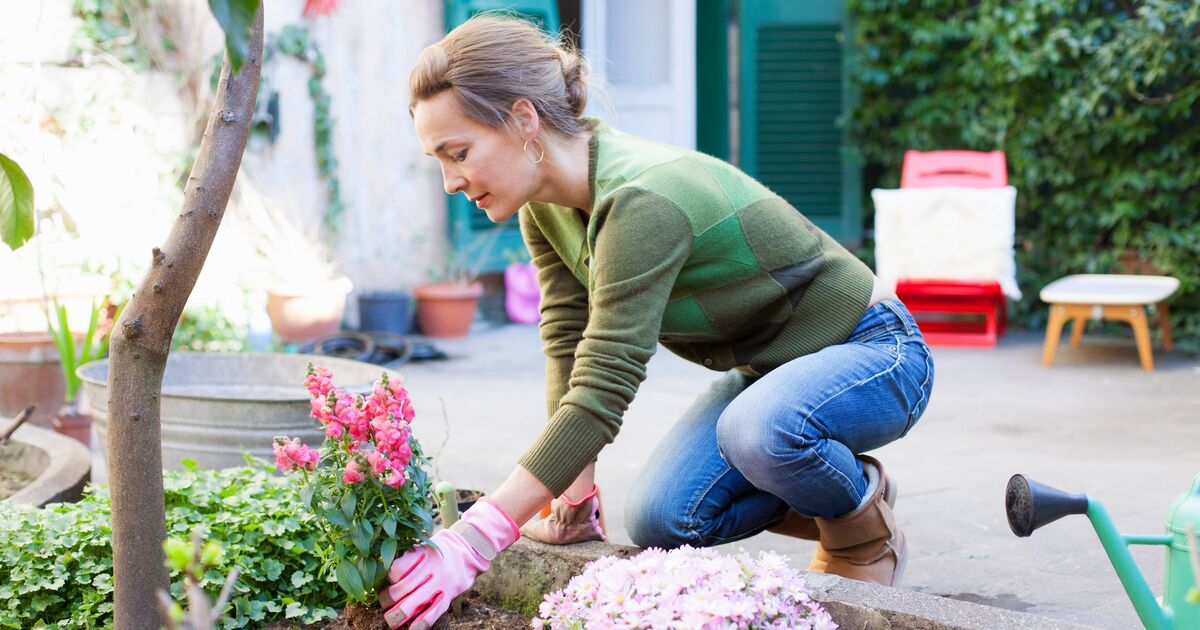
Planting one flower this month could bring colour to your garden (stock photo) (Image: Kathrin Ziegler via Getty Images)
Attention all gardening enthusiasts – you only have just over a week to get this border-defining flower in the soil.
We’re already over halfway through March, and if you’re passionate about gardening, you’ve probably devoted recent weekends to preparing your outdoor space for spring and summer, when the majority of plants come into bloom.
Selecting which plants to cultivate in your garden can prove challenging, as you must not only consider your soil composition and the amount of sunlight your garden receives, but also think about plants and flowers of varying heights to create diversity and dimension in your flowerbeds and borders.
While there appear to be countless flowers and plants available that remain relatively close to the ground, if you’re seeking something to position at the rear of a flowerbed and add stature to your arrangement, then one horticultural expert has suggested there’s only one plant worth considering – the echinacea.
Also referred to as a coneflower, echinaceas can reach heights of up to a metre and boast a spread of approximately 60cm. They also feature vibrant shades, including pink and red, rendering them visually stunning.
Read more: Don’t throw out tin cans, they have clever use in spring
Ish, a gardener, said March is the ideal moment to plant echinaceas in your garden – suggesting you should act swiftly to get them in within the coming days to ensure you don’t miss this opportunity.
He said in a TikTok video: “Today I’m going to be adding some height and drama into my borders with some echinaceas. Whether you’ve got them in full sun or partial shade, echinaceas will absolutely thrive and can reach heights of up to a metre.
“Place them somewhere with well-drained soil, and they’ll continue to thrive and give you a burst of colour throughout the seasons.”
Ish explained he would plant his flowers in containers rather than straight into the ground, as this allows him to manage drainage more effectively. However, he mentioned he would position the pots towards the rear of his border so that other blooms would conceal them, whilst the progressive height variation would appear “dramatic.”
The gardener purchased his echinaceas from Morrisons, where he noted they are sold as bare roots that can be planted directly into the earth. He also characterised the plants as “budget-friendly”, having paid merely £2 for three.
He said: “They look like little tiny roots with a bit on top. You want to make sure that pointed bit is pointing up – that’s the important part. Ideally, you want to plant these about four inches below the ground. Spread the roots out and lay them in the soil, and then just cover.”
According to Gardener’s World, echinacea should be sown between March and April, and planted between May and June. The plant then flowers right the way through summer from June until September.
Echinaceas are characterised as “easy to grow” as they tolerate most soils except for very dry ones, and their robust stems mean you don’t need to stake them, despite growing quite tall.
What’s more, the bloom is extremely appealing to pollinators. Luring bees to your garden with flowers they adore is advantageous regardless, but if you’re cultivating fruit or vegetables this year, you’ll be particularly grateful for the pollinating insects.
How to grow echinaceas
1. Choose the Right Location
Sunlight: Echinaceas thrive in full sun (at least 6 hours of direct sunlight daily).Soil: Well-drained soil is essential. They tolerate poor to average soil but dislike soggy conditions.
2. Planting
From Seed: Sow seeds indoors 8–10 weeks before the last frost, or sow outdoors in early spring or fall. Lightly cover seeds with soil; they need some light to germinate.From Plants: Purchase young plants or divisions from a nursery. Space them 18–24 inches apart.
3. Watering
Water regularly during the first growing season to establish strong roots.Once established, echinaceas are drought-tolerant and only need occasional watering.
5. Maintenance
Deadheading: Remove spent flowers to encourage more blooms, but leave some at the end of the season for birds.Dividing: Every 3–4 years, divide clumps in early spring or fall to prevent overcrowding and promote vigour.Mulching: Apply a thin layer of mulch to conserve moisture and suppress weeds, but don’t pile it against the stems.
Echinaceas don’t require much fertiliser, but if your soil quality is poor, you can add some compost in the spring. They are also relatively pest- and disease-resistant, and should only be treated if necessary.
Comments are closed.