
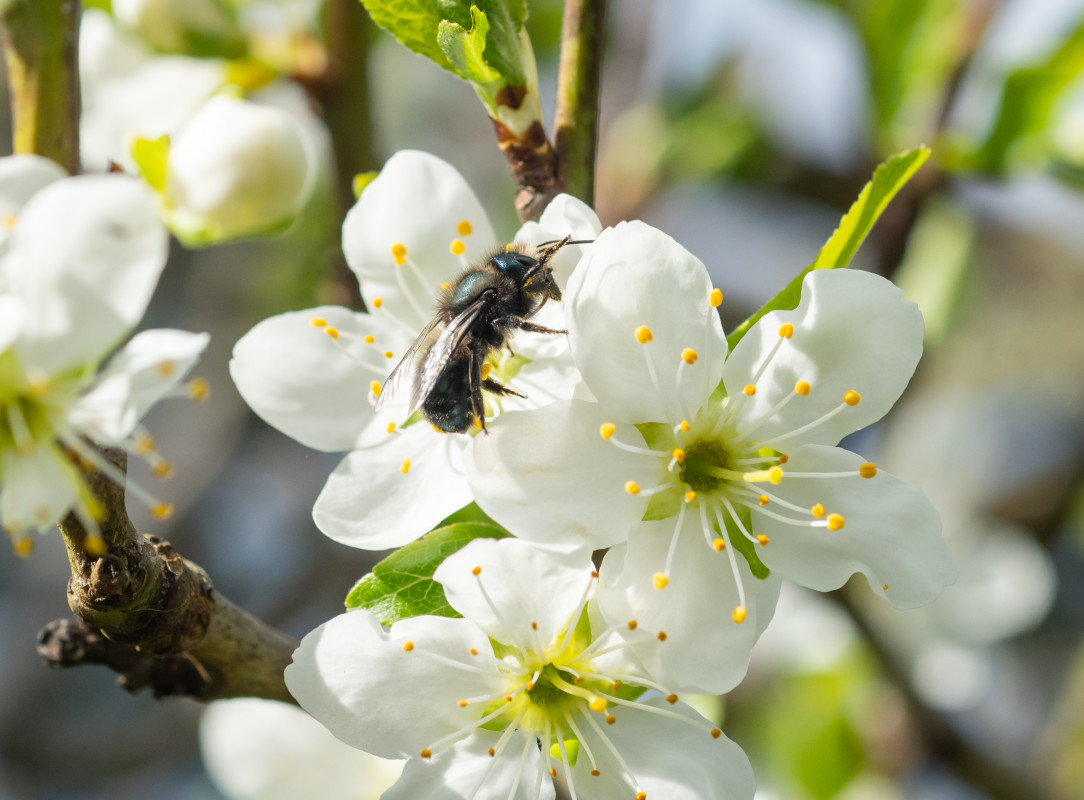
Gardeners are always looking for natural ways to improve their harvest, and one solution gaining attention involves a surprising helper: mason bees. Unlike honeybees, these gentle, solitary pollinators don’t live in hives or produce honey, but they can play a major role in helping backyard gardens thrive.
According to a recent announcement from Rent Mason Bees, the company has prepared more than 3 million mason bee cocoons for the 2026 spring growing season, offering gardeners an easy way to support pollination in backyard gardens and small orchards.
SIGN UP for the Dengarden / Parade Home & Garden newsletter for a weekly dose of our favorite house hacks, decor trends and shopping deals
Why Mason Bees Are Valuable Pollinators
Mason bees are considered extremely efficient pollinators because of how they collect and transfer pollen. Unlike honeybees that store pollen on their hind legs, mason bees carry pollen loosely over their entire bodies, allowing it to spread more easily from flower to flower.
These bees can visit thousands of blooms per day and may pollinate a large percentage of the flowers they land on, helping improve fruit development and vegetable yields in home gardens.
Mason bees also tend to be easier for beginners to host than traditional beekeeping setups. Because mason bees are solitary and don’t defend a hive, they are generally considered non-aggressive and rarely sting, making them suitable for residential gardens.
Related: The 2026 Garden Must-Grow List
How Hosting Mason Bees Works
Rent Mason Bees offers gardeners a structured way to host pollinators without the complexity of traditional beekeeping. According to the company, participants receive mason bee cocoons along with nesting materials designed to support pollination during the early spring growing season.
After the bees emerge and complete their pollination cycle, the nesting materials can be returned to the company, where the cocoons are cleaned and protected from parasites and disease before being prepared for the following season. The program is designed to help maintain healthy bee populations while making it easier for home gardeners to support pollinators.
The company says the approach allows gardeners to benefit from improved pollination while avoiding the long-term commitment and maintenance typically associated with keeping honeybees.
A Simple Way to Support Bees and Improve Harvests
With pollinator populations facing ongoing challenges, many gardeners are also interested in ways to support beneficial insects while improving their own growing success. Hosting mason bees can serve both purposes. By providing a nesting habitat, early spring flowers and access to mud for nest building, gardeners can help support pollinator populations while also encouraging better pollination of fruit trees, berries and garden vegetables.
For gardeners looking to take a more natural approach to improving plant productivity this season, these small but efficient pollinators may be worth considering. Sometimes, improving your harvest isn’t about adding fertilizer or new tools, but about inviting the right helpers into your garden.
Related: Tomatoes and Basil Aren’t Just a Classic Plate Pairing—They’re Great Garden Partners Too
This story was originally published by Dengarden on Mar 19, 2026, where it first appeared in the News section. Add Dengarden as a Preferred Source by clicking here.
Comments are closed.