
Happy vernal equinox—tomorrow at 10:46 a.m. that is! It will be the first day of spring when daylight shines on us for an equal amount of time as darkness surrounds us on March 20. Nature is cool. But what is also truly marvelous is that plants have been reacting to the growing daylight. They are “waking up” and have already begun to produce leaves and other photoreceptors to photosynthesize, make food, and grow.
This solar energy is what sparks plants to grow and ignites our enthusiasm to make things grow faster!
Gardening tasks for the next three months involve harnessing that energy and using it to expand our landscape, to grow more food, or to improve our surroundings. That is why spring is typically the busiest time of year.
So what do we need to do to take advantage?
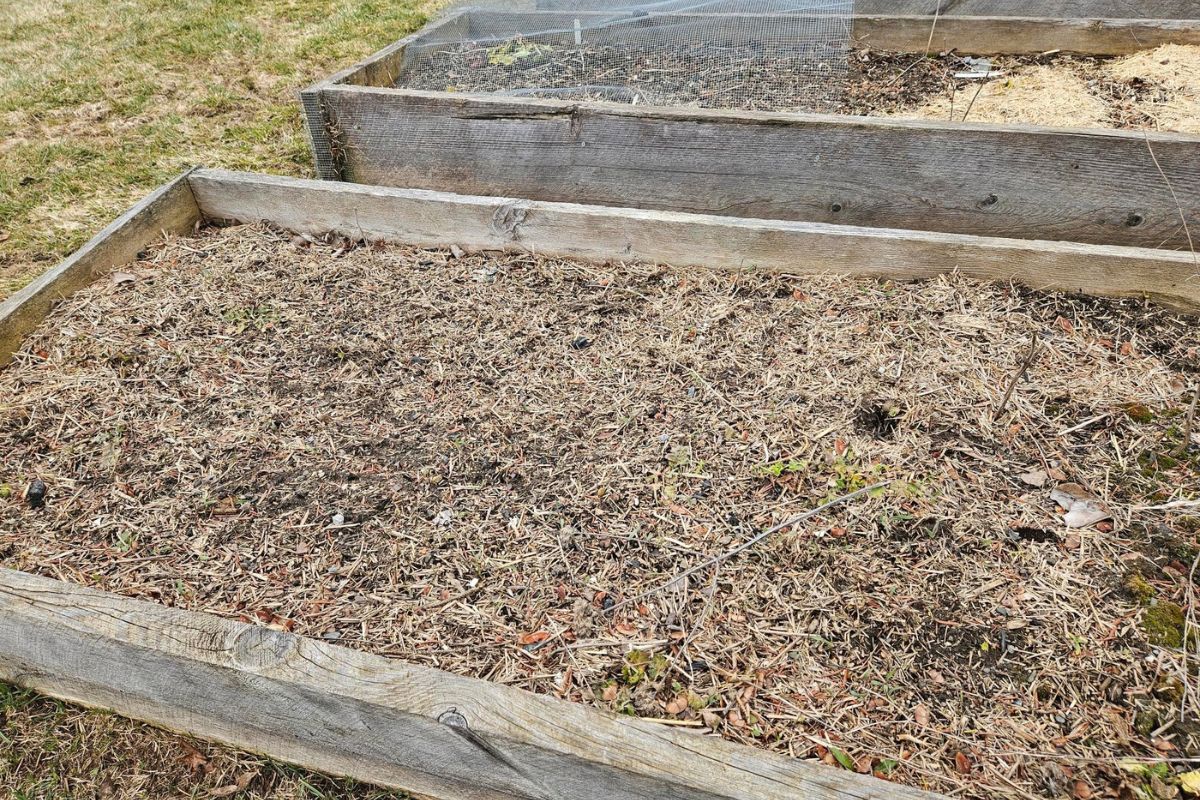
In the vegetable garden, dark soils absorb more heat and fertile soils stay warm longer. Add a quarter-inch layer of compost to your vegetable and garden beds to improve the soil’s ability to absorb moisture. Compost also adds fertility and microbial activity. Activity in the soil makes it warm faster. You might be able to plant peas this weekend after all if your raised beds for vegetables have drained.
Since everything is ready to get growing all at once, be lazy and choose the issues you care about the most. Don’t care about a lawn? Ignore what I say next.
Repair lawns or grassy margins where salt and gravel piled up. First rake out dead grass and debris. Fill ruts with good, weed-free topsoil. Spread a pre-emergent weed control and leave the area alone for a few weeks before trying to reseed.
Here is where you might want to jump in for advice. Add a layer of compost to garden areas adjacent to driveways and walkways that were treated with salts this winter. Salts have damaged the soil life, and by introducing compost, you give your soil a “newly rehabbed” sign for important microbes and invite them back to help rejuvenate soil for your plants. Compost microbes break down the important nutrients into a soluble form that plant roots can absorb for healthy growth.
Have you scouted your gardens and spotted the new growth from bulbs like daffodils, snowdrops, and crocus? Apply water-soluble fertilizers to these spring-flowering bulbs just as they emerge. They need that fertilizer to feed the bulbs for next year. Tulip leaves will emerge in about six weeks in the Berkshires.
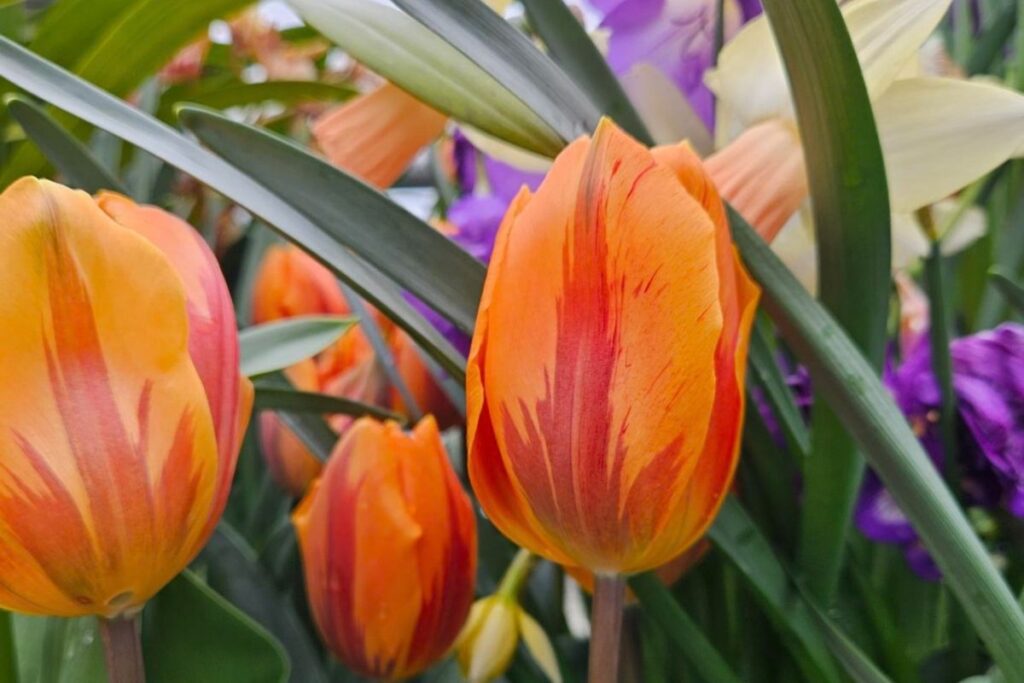 These “Heritage” tulips have a stunning color variation and added to the “wow” of the bulb show at Smith College recently. The bulb show at Berkshire Botanical Garden closes on Friday March 20. Stop in for a spring boost.
Before they get too large, pull perennial weeds now. Because the soil is moist, you can leverage out the deep roots of perennial weeds. Inspect your garden beds and borders for the early signs of goutweed, bittersweet, and garlic mustard. Once you have removed the usual pests, spread slow-release fertilizer and work into the soil surface. The fertilizer will feed your plants well into the summer.
Larger weed patches or invasive plant problems might be a better job for a professional. You can estimate the value based on time, experience, the cost of tools, and whether it makes more sense to hire a professional or fight the problem on your own time. Garden centers offer guidance, and you will find plenty of advice online. Ultimately, invasive plants are best combatted repeatedly for multiple seasons and sometimes with specific systemic chemicals. Eradicating invasive plants is in the best interest of our natural ecosystem, but the methods used vary. Review your options—mechanical removal, chemical destruction, or barriers—and decide what works best for your goals.
As the daylight grows stronger, houseplants needing low light should be moved back or out of direct sunlight. I have a philodendron that sometimes looks great and sometimes looks scorched. I have kept it close to a south-facing window and now accept that it must move to another spot. The new leaves look great and then a week later look scorched by the sun. The plant now lives in a bright room but away from direct sunlight.
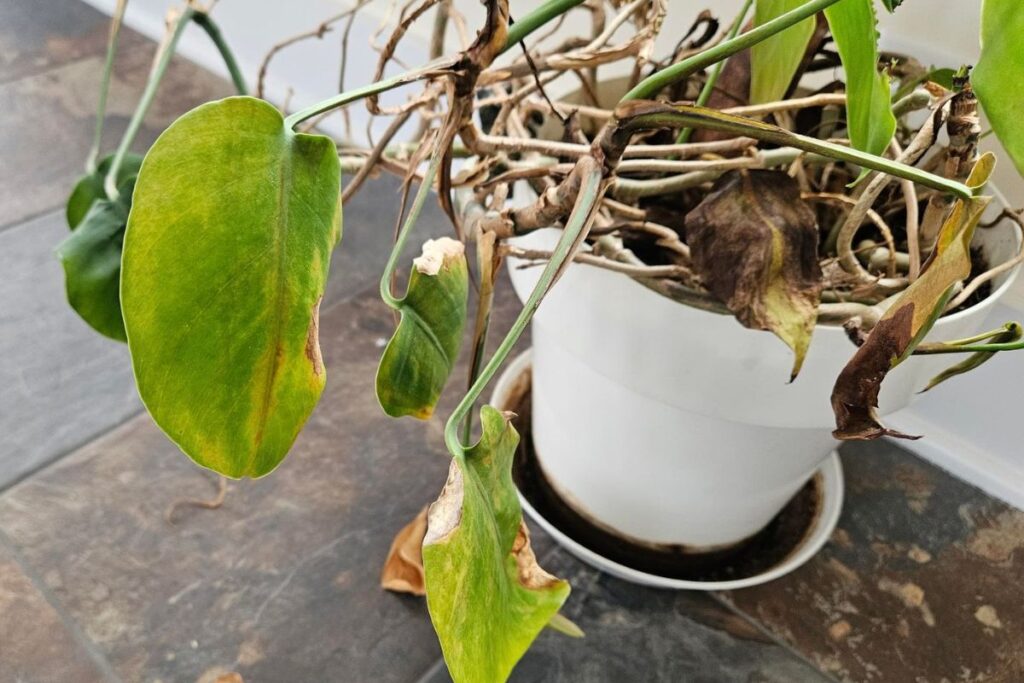 My philodendron vine has struggled lately. I will cut it back and get new growth that promptly gets bleached out and yellow. It may be too much water and too much direct sun. My current plan is to move it back from even short-term direct sun and reduce the water frequency.
In addition to pruning shrubs and trees as mentioned last week, take a serrated knife to your perennial grasses. Leaving the blades for winter interest has been great, but now it is time to cut the grass back and make room for new growth. My hori-hori knife works well for cutting back perennial grasses. While I’m at it, pruning now before growth begins will encourage strong new stems and flowers on just about all my plants. However, before you cut, make sure you have sharp blades! Cut your ornamental grasses back to about six inches above ground level now.
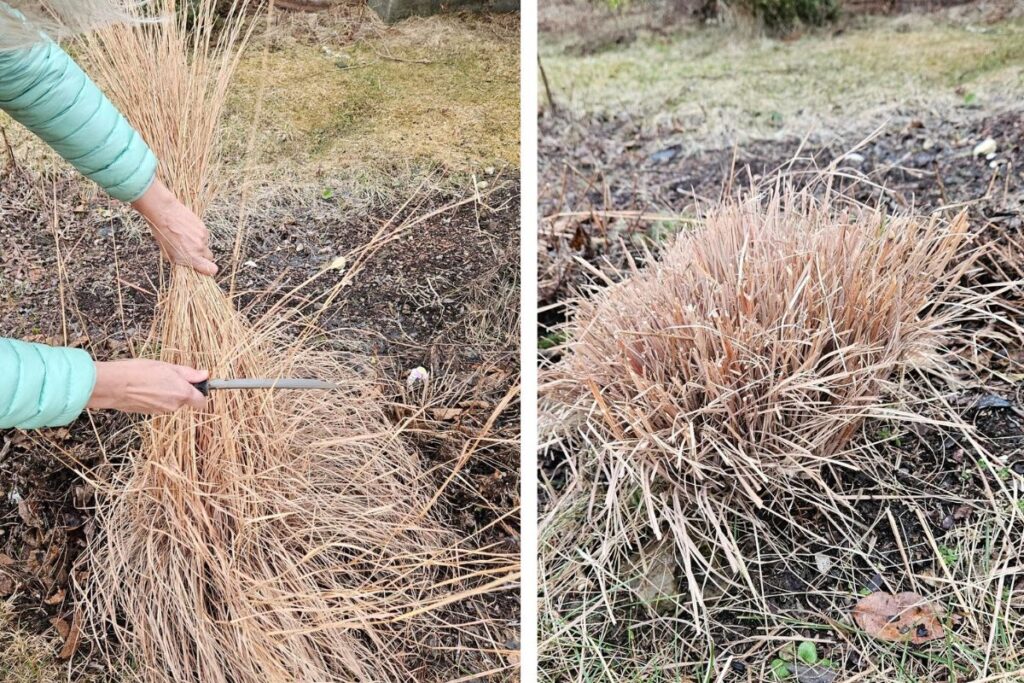 This little blue-stem native grass has been pretty all winter. But tufts of perennial grasses can be cut back now to about six inches above the soil level. At left, use a serrated knife to saw at the dead leaves. At right, leave a short, tidy clump where fresh growth will appear. Gently tug and remove the dead leaves as the green growth comes in.
Now that snow has just about vanished, multiple tracks from voles have appeared! The tracks tell a story and indicate a food source. I imagine a couple things contribute to the track’s location: cover from predators and access to birdseed. I will need to inspect and improve the barriers around all the bases of my raised beds before planting this spring.
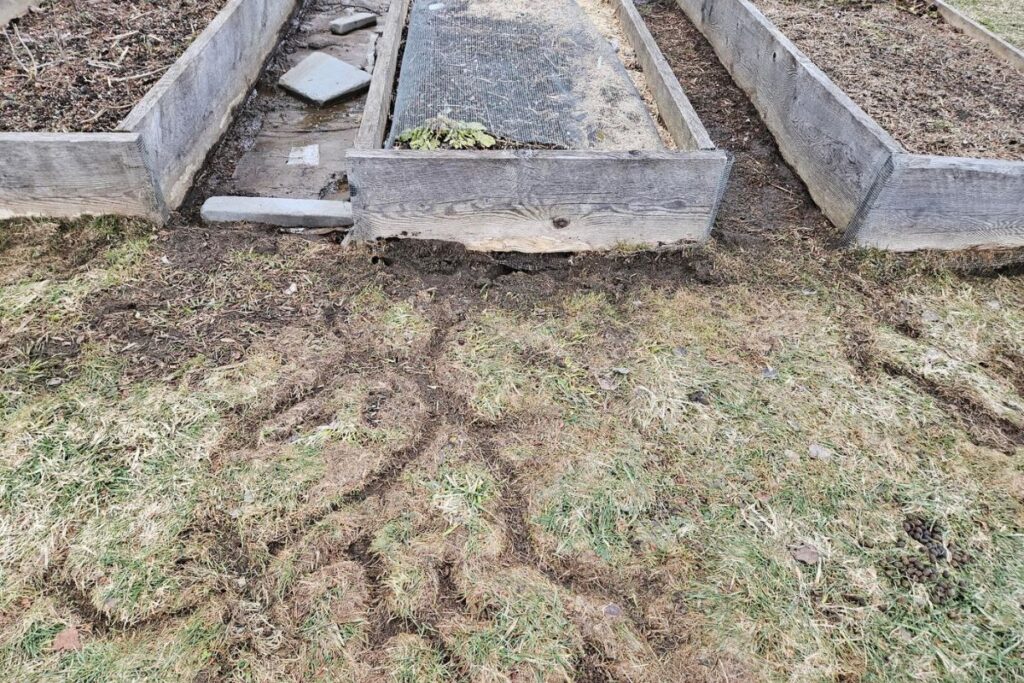 Vole trails appear in the lawn surface and map where voles have found grubs, seed, and protective cover over the winter. The trails lead under raised beds that have a protective mesh barrier underneath but the voles may have found a way in. Sadly, the lazy gardener needs to monitor the vegetable beds for pest activity.
To “dig deeper” into strategies for living with our native creatures, consider signing up for the Berkshire County Symposium from the Western Mass. Master Gardener Association. The gathering in Lenox on Saturday, April 11, offers a keynote address, “Sustainable Landscaping to Support Berkshires Wildlife,” from Mass Audubon Naturalist Nicaela Haig. Attendees can then choose for a second session to explore one of the following topics: “Kitchen Medicine: Cooking with Herbs,” “Invasive Species of Western Mass.,” “Growing Better Blueberries,” ”Deer Defense: How to Outwit the Wiliest of Wildlife,” or “Localizing Your Landscapes with Native Trees and Shrubs.” Fees, deadlines, and more information can be found on the website above.
I call myself the Lazy Berkshire Gardener because I don’t want to work too hard in my gardens. I want to enjoy them. I find it easier to observe my landscape and let the compost happen, the water pool up, or daisies to self-sow. I look for ways to do the minimum task for the biggest impact. For example, mulching is better than spraying and much better than weeding all season. I look for beautiful, low-maintenance plants that thrive in or at least tolerate my garden conditions. Plus, I am willing to live with the consequences if I miss something.
Comments are closed.