
A gardening expert shared some little-known tips.
Sophie Harris Senior Lifestyle Reporter
15:52, 18 Mar 2026
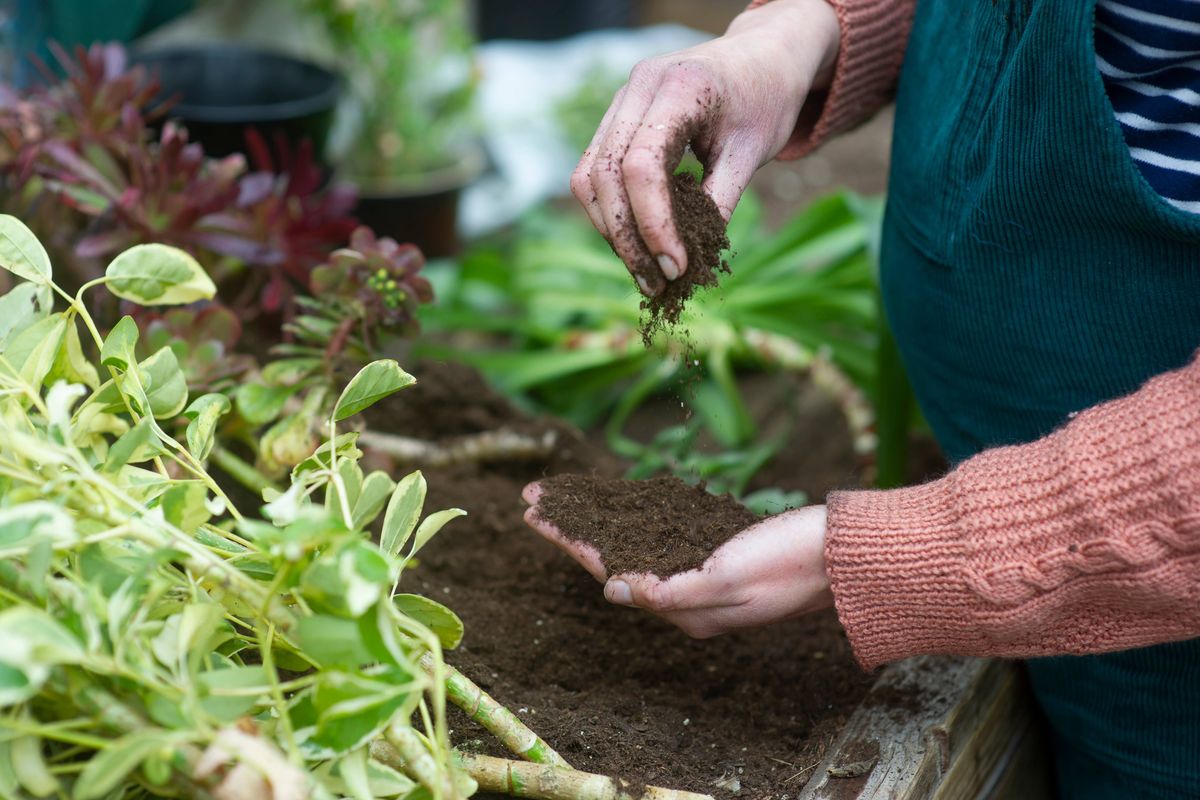
Welsh households told to put old sponges in their gardens this week(Image: Dougal Waters via Getty Images)
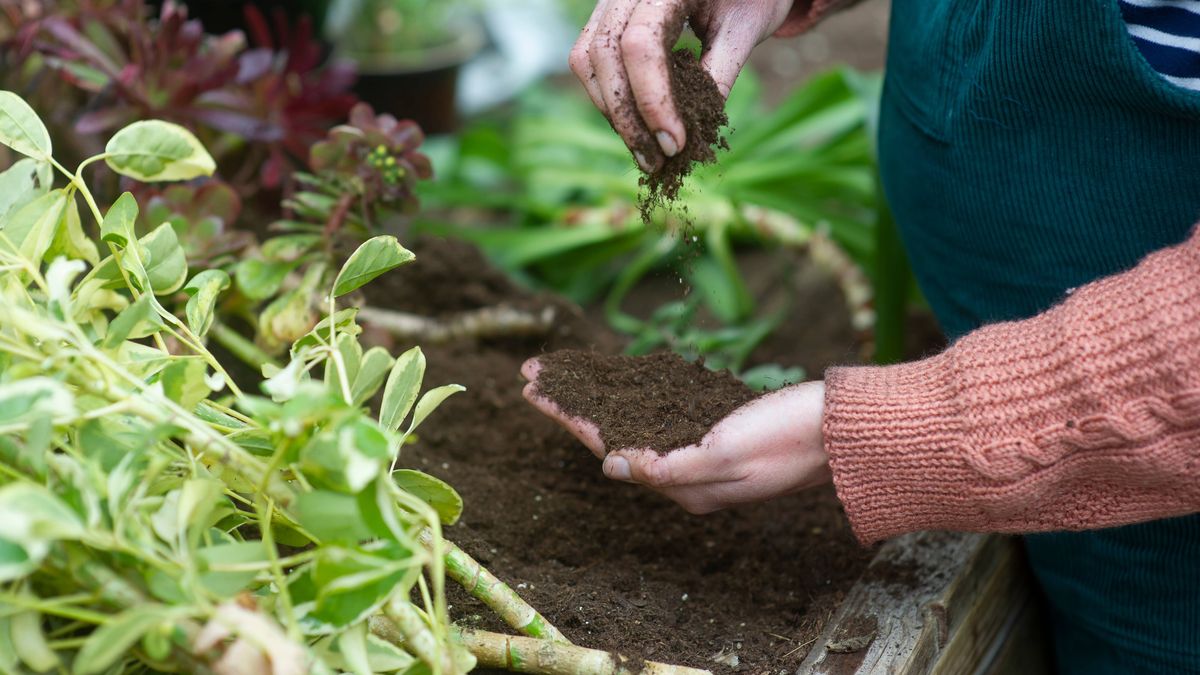
As the weather begins to warm up, many gardeners are eager to return to their outdoor spaces, undertaking tasks such as pruning and planting. One way to kickstart spring gardening is by creating the “perfect compost” to nourish new growth in the garden, says an expert.
Richard King, a gardening specialist at Dino Decking, has provided tips on how to maximise your waste by revealing lesser-known items that can be added to your compost heap.
He stated: “As spring brings longer days and warmer temperatures, gardeners will now see their compost piles thrive, and for those who are just starting theirs, now is a great time to get recycling.
“Compost heaps are great for the soil, feeding plants rich nutrients and are a great way to give back to nature. By composting these often-overlooked materials, you’re reducing waste whilst enriching your soil with diverse nutrients.”
Old sponges
Rather than discarding old sponges, cut them up and add them to your compost pile.
Provided they originate from natural sources like loofah or cellulose, the gardening expert said they are excellent for balancing the “nitrogen-rich materials” and absorbing water, reports the Express.
This helps maintain the compost’s moisture level, promoting microbial activity. Richard pointed out: “Synthetic kitchen sponges, however, should never be composted as they can add toxins to the compost.”
Used sponges can additionally be placed at the base of plant containers, underneath the compost and the plant. Gradually, they can provide a steady water supply to the plant, which proves particularly beneficial during warmer months.
Bread products and baked items
Alongside used sponges, you can add any remaining plain bread, biscuit fragments, or baked products, provided they’re free from butter.
Hair clumps
Combining the hair with dried materials, including straw, can assist you in incorporating it more effectively.
“It might not be the most appealing addition, but both pet and human hair are great for composting,” said Richard.
“Hair is rich in nitrogen, which helps the other materials break down faster and contributes to a fertile final product. Hair can also help aerate compost piles, but too much may lump together in large amounts and can actually slow decomposition.”
Feathers
Like hair, bird feathers also work excellently in compost heaps as they provide an outstanding nitrogen source.
The specialist noted: “However, they can take a long time to break down, so breaking them up into smaller pieces can help to decompose and contribute to a healthy, diverse compost.”
Corks
Following a glass of wine, simply add the stopper to the compost heap to help create a “biodiverse compost”. Natural cork represents the “perfect” contribution to compost, the specialist suggests, as it naturally biodegrades.
Nevertheless, ensure you cut or crush it finely, as decomposition can be lengthy.
Comments are closed.