
This segment is part of a recurring WKBN+ exclusive show, “Let’s Grow There.” For directions on how to download the free streaming app, click here. You can catch the full interview streaming on WKBN+ Thursday, March 19, at 12:30 p.m. and again at 6:30 p.m.
BOARDMAN, Ohio (WKBN) — Before you can start planting your garden, it’s important to know what climate zone you’re in to determine which plants will thrive while others may need a bit more specialized care.
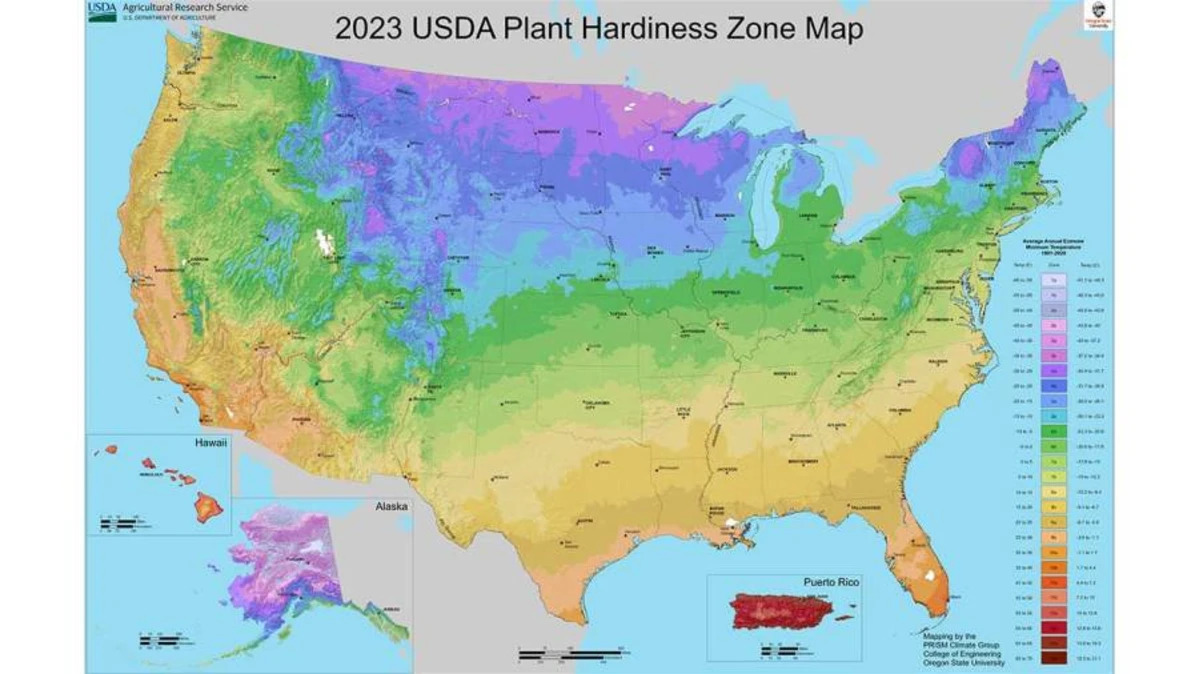
The USDA Plant Hardiness Zone Map is the standard by which gardeners and growers can determine which perennial plants are most likely to thrive at a location. The USDA website displays the most recent zone map, from 2023, and is searchable by zip code to give gardeners precision.
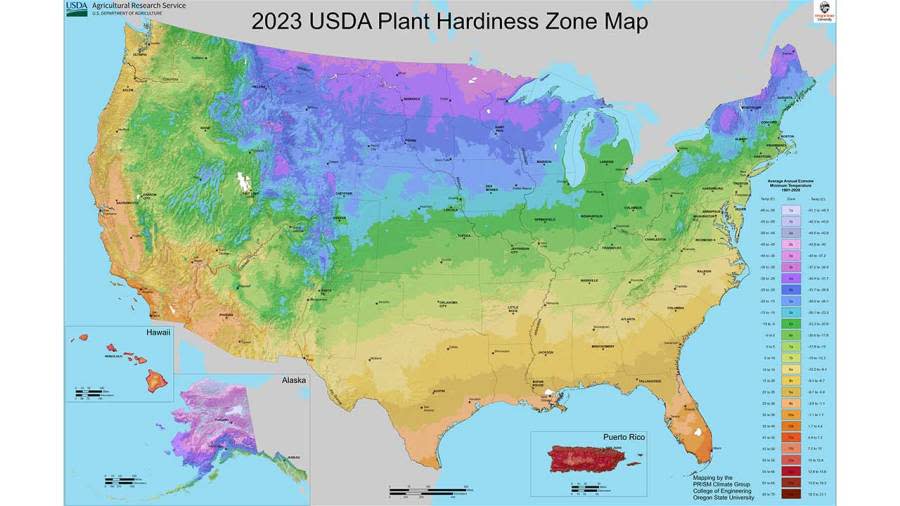
The map is based on the average annual extreme minimum winter temperature, displayed as 10-degree Fahrenheit zones and 5-degree half zones. They range from Zone 1, which is the coldest, to Zone 13, which is the warmest.
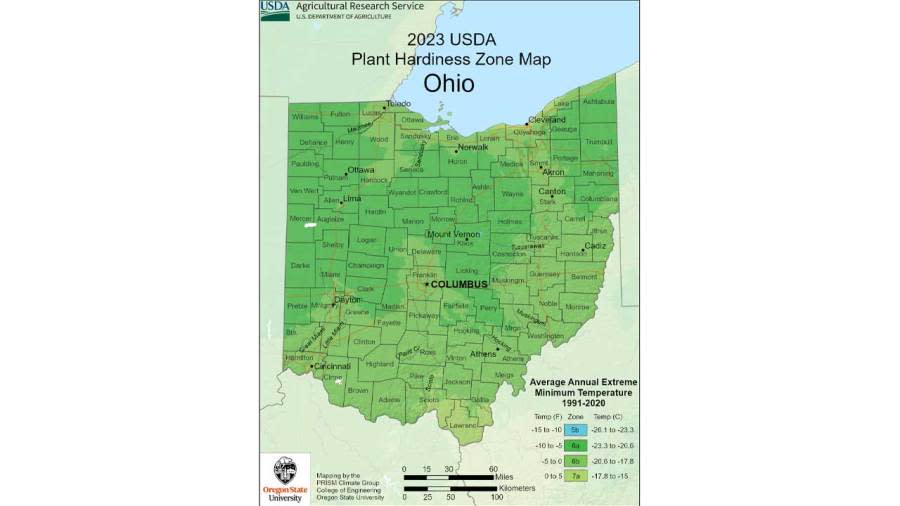
Most of Ohio is in zones 5b through 7a, which means the average extreme minimum temperature for the state ranges between as low as -15 degrees Fahrenheit (in the northern parts of the state) and 0 degrees in the southernmost portion.
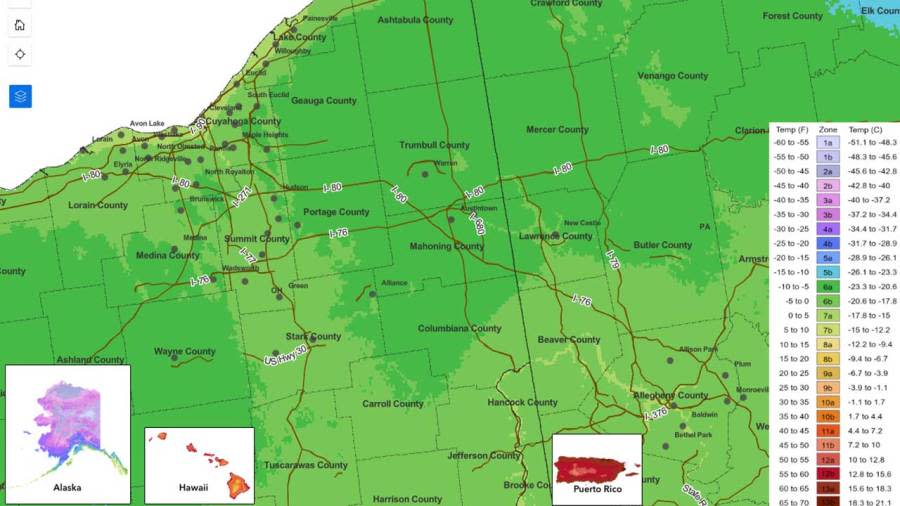
Trumbull and Mahoning counties fall into zone 6a, along with half of Columbiana County, before it shifts a level to 6b.
Chevy Motswaledi is the Mahoning County OSU extension educator for agriculture and natural resources. The extension regularly hosts clinics, answers questions, and conducts research on all things environmental.
“In Mahoning [County], in Ohio, the recommended variety for blueberry is a high bush because it’s well-suited for our climate,” Motswaledi said. “That is one example that you can use the USDA zones for.”
Most seed packets will include a map or list the hardiness zone, instructing gardeners when to plant them based on the climate.
Once you know what is successful in our climate, you can start to integrate plants that might not thrive, as long as you know the proper tips for caring for them and mimicking a more native environment.
“A lot of people are actually doing it in Ohio, especially Mahoning. I know a grower who grows banana trees, people grow lemon trees,” Motswaledi said. “They have them out when it’s warm in the summer, and then as soon as the temperatures start to drop, they’ll bring them back in.”
It’s important to remember that when bringing a plant that lived indoors outside, you have to harden it off so it doesn’t get shocked by the temperature change and die.
To read more local gardening tips, visit our “Let’s Grow There” webpage.
Copyright 2026 Nexstar Media, Inc. All rights reserved. This material may not be published, broadcast, rewritten, or redistributed.
For the latest news, weather, sports, and streaming video, head to WKBN.com.
Comments are closed.