
 Tue, March 17, 2026 at 4:45 PM UTC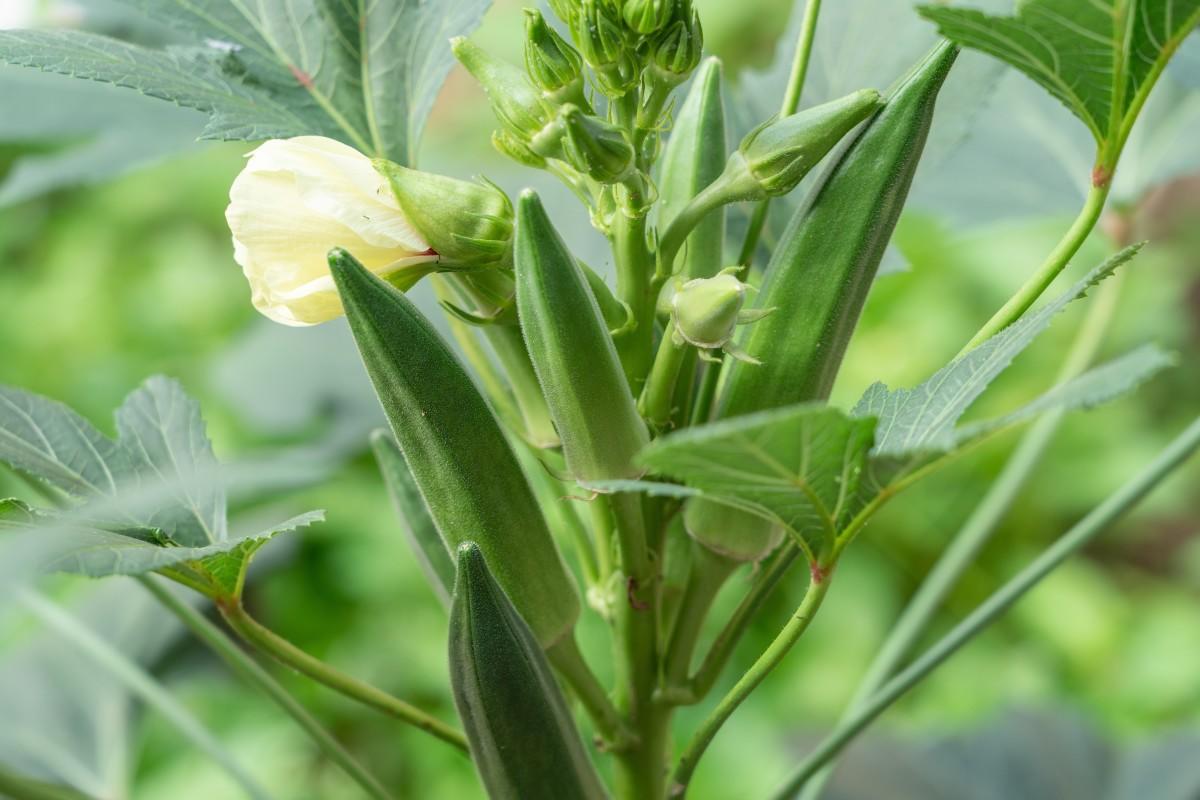
(kungfu01 / Shutterstock.com)
March is a key transition month for gardeners. As daylight hours increase and spring approaches, it becomes the ideal time to start certain seeds indoors so they’re strong enough to transplant once temperatures stabilize. Getting the timing right is important. Start too early and plants can become leggy or rootbound. Start too late and you may miss peak growing season.
Many warm-season vegetables and fast growers only need a short indoor head start of about two to eight weeks before they’re ready to move outside. According to gardening guidance shared by @gardenflowers688 on Instagram, these 12 plants are among the best seeds to start in March if you want a productive summer garden.
SIGN UP for the Dengarden / Parade Home & Garden newsletter for a weekly dose of our favorite house hacks, decor trends and shopping deals
Seeds With a Longer Lead Time (Start Now)
Some crops benefit from extra time indoors because they develop slowly or require warm conditions to germinate properly.
Ground cherries should be started about six to eight weeks before your last frost date. These slow starters are related to tomatillos and produce small, sweet fruits wrapped in papery husks that many gardeners find are worth the extra patience.
Sweet potatoes can also be started now by growing slips from tubers. Whether you use the warm water method or soil, expect about six to eight weeks before you have viable transplants.
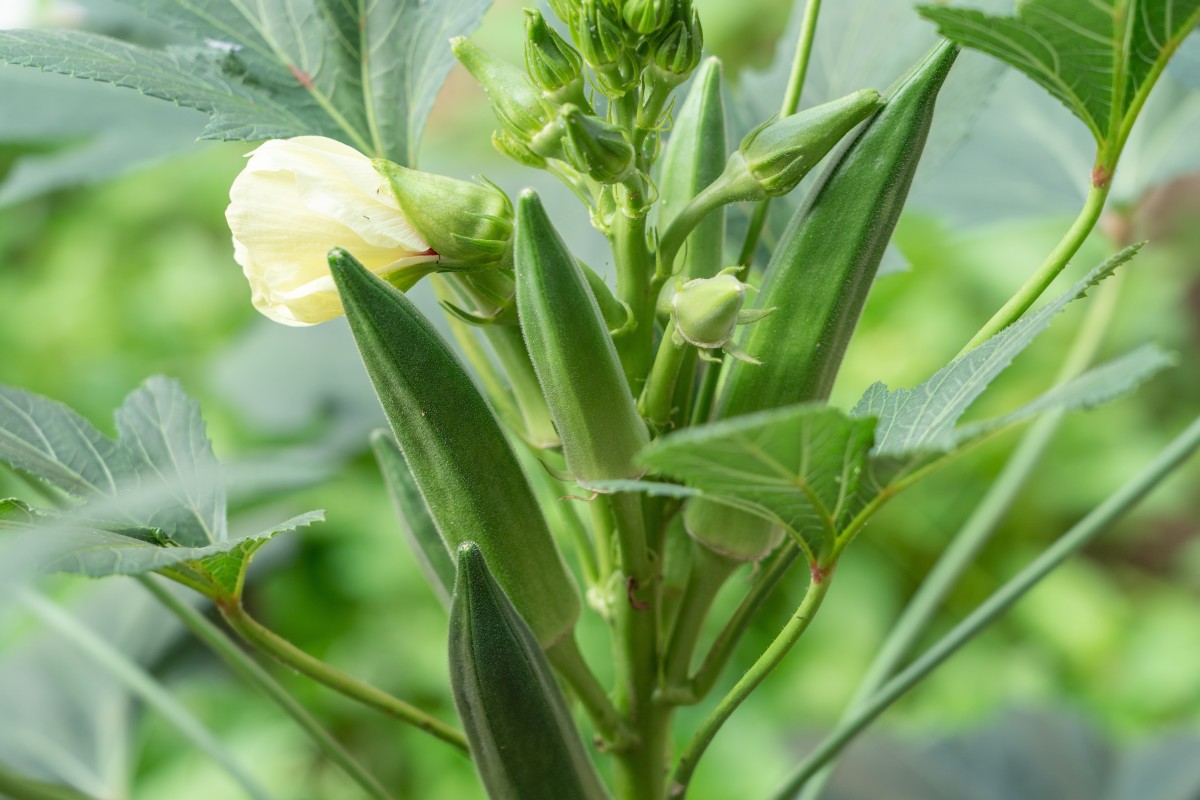
Okra benefits from being started four to six weeks early, especially in cooler climates. Just remember that it won’t germinate well unless soil temperatures stay above about 65 degrees.
Amaranth is another good early starter. Begin seeds indoors about four to six weeks ahead of transplanting for a plant that can serve as both an edible green and a grain crop while thriving in summer heat.
Seeds With a Medium Lead Time
Other plants grow quickly and should only be started a few weeks before transplanting to avoid overcrowding their containers.
Zucchini should be started about three to four weeks before your last frost date. Because it grows quickly, starting too early can leave you with oversized seedlings before planting time.
Cucumbers also fall into the three- to four-week window. Since they dislike root disturbance, starting them in peat pots or soil blocks can make transplanting easier.
Watermelon benefits from a similar schedule. These heat lovers need warm soil, ideally about 80 degrees, and strong light from the beginning.
Cantaloupe follows the same timeline and preferences, thriving with warmth and struggling if exposed to cold soil or transplant shock.
Nasturtiums, known for their edible flowers and easy growth habit, can be started about two to four weeks before the last frost. They tend to perform best with direct light and relatively lean soil.
Related: An Unexpected Flower Hack May Improve This Year’s Vegetable Garden
Seeds With the Shortest Lead Time
Some of the fastest growers should be started closer to your outdoor planting date.
Pumpkins should typically be started only two to three weeks before transplanting. Their vigorous growth means they can quickly become rootbound if started too early.
Sweet corn can be started in deep cells about two to three weeks early if you want a slight head start, although direct sowing outdoors works just as well once soil warms.
Sunflowers can also be started indoors two to three weeks before planting outside. Because they develop deep taproots quickly, they should be transplanted before they outgrow their containers.
The key takeaway for March planting is simple: match the plant’s growth speed with the right starting window. Slow growers benefit from an early start, while fast growers perform better when started later. With the right timing, gardeners can set themselves up for stronger plants and a more productive summer harvest.
Related: 9 Vegetables You Can Direct Sow in March
This story was originally published by Dengarden on Mar 17, 2026, where it first appeared in the News section. Add Dengarden as a Preferred Source by clicking here.
Comments are closed.