
I’m trying to have a retaining wall built in the most cost effective way. Am I on the right path by using ecology blocks?
Quotes have been all over the place and one guy gave me a $985 price for wood timbers, but I was concerned about the longevity of it.
Another guy said $4800 for just the wall using blocks from home depot.
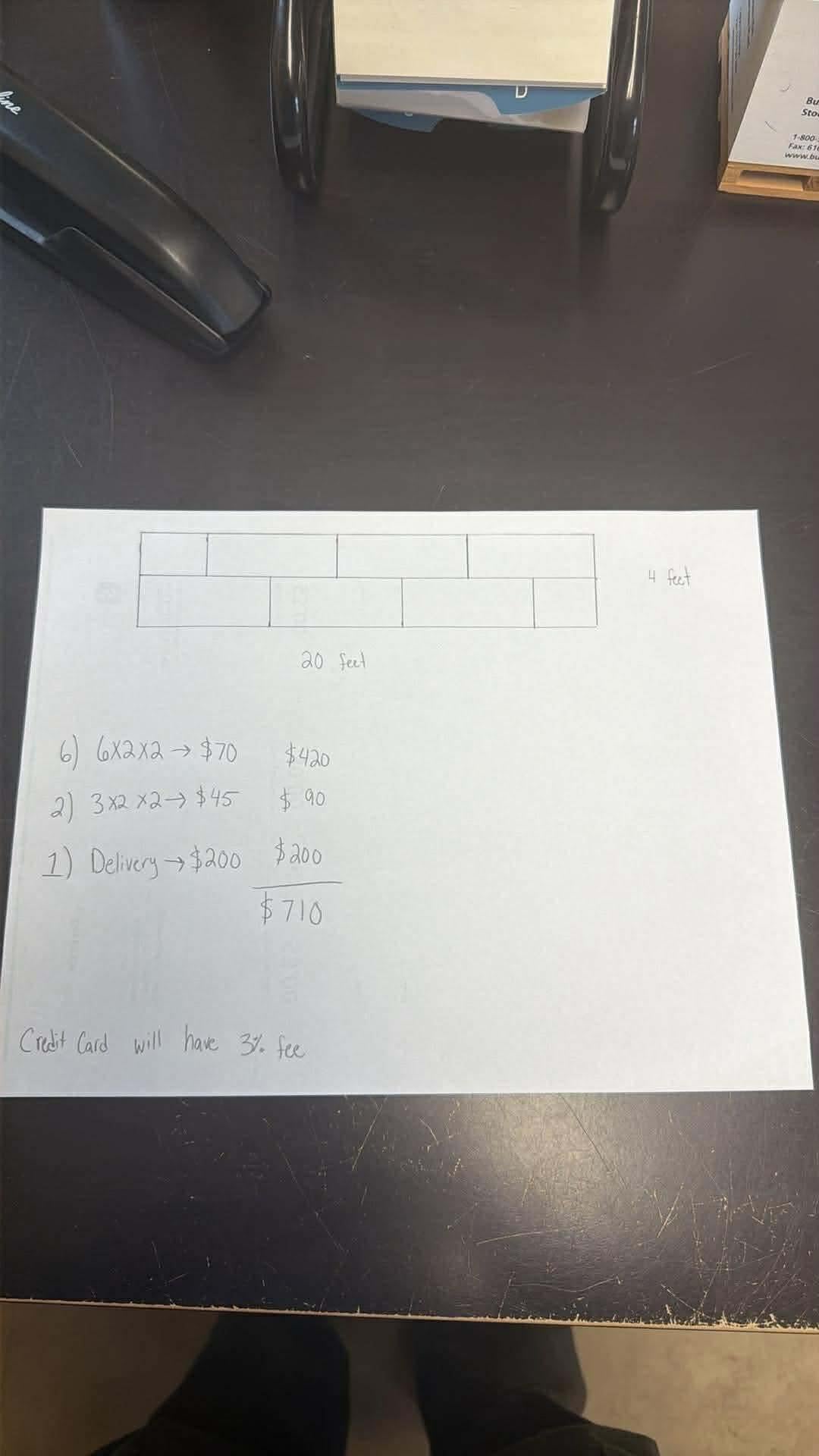
My current plan is to use ecology blocks. The guy wants $1500 labor and the blocks are $700. I don’t know if that includes drainage, etc. Should I expect drainage and gravel behind the wall to be included for this price?
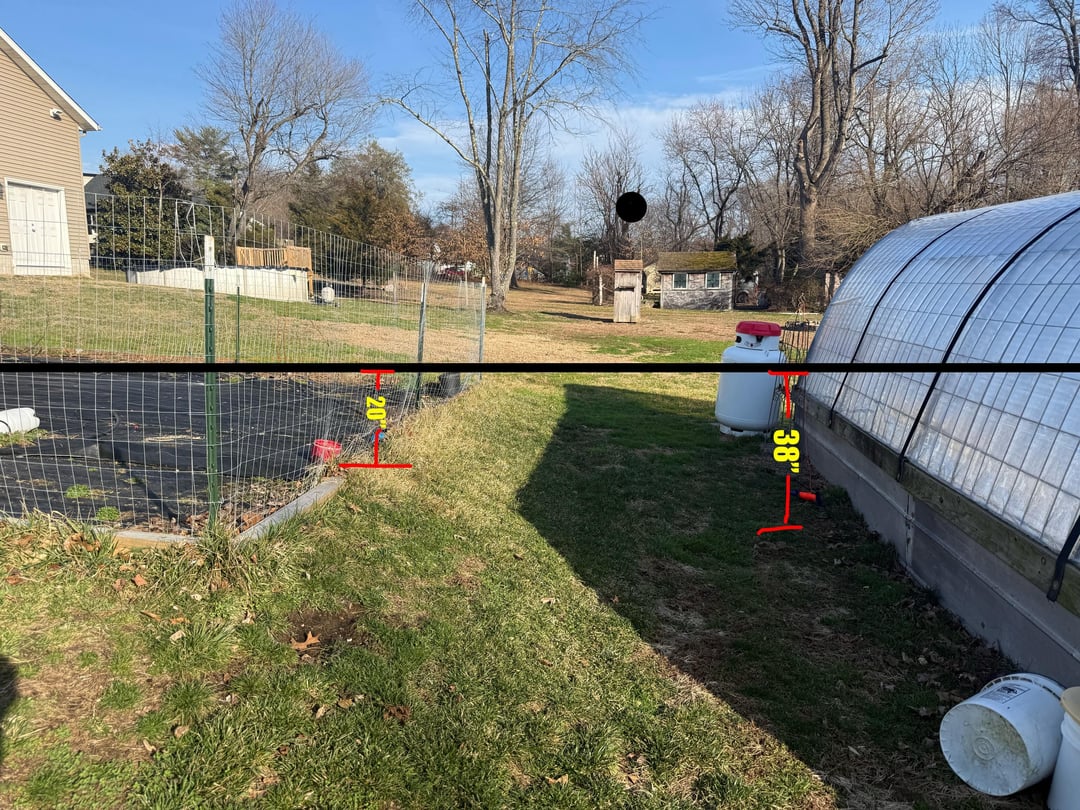
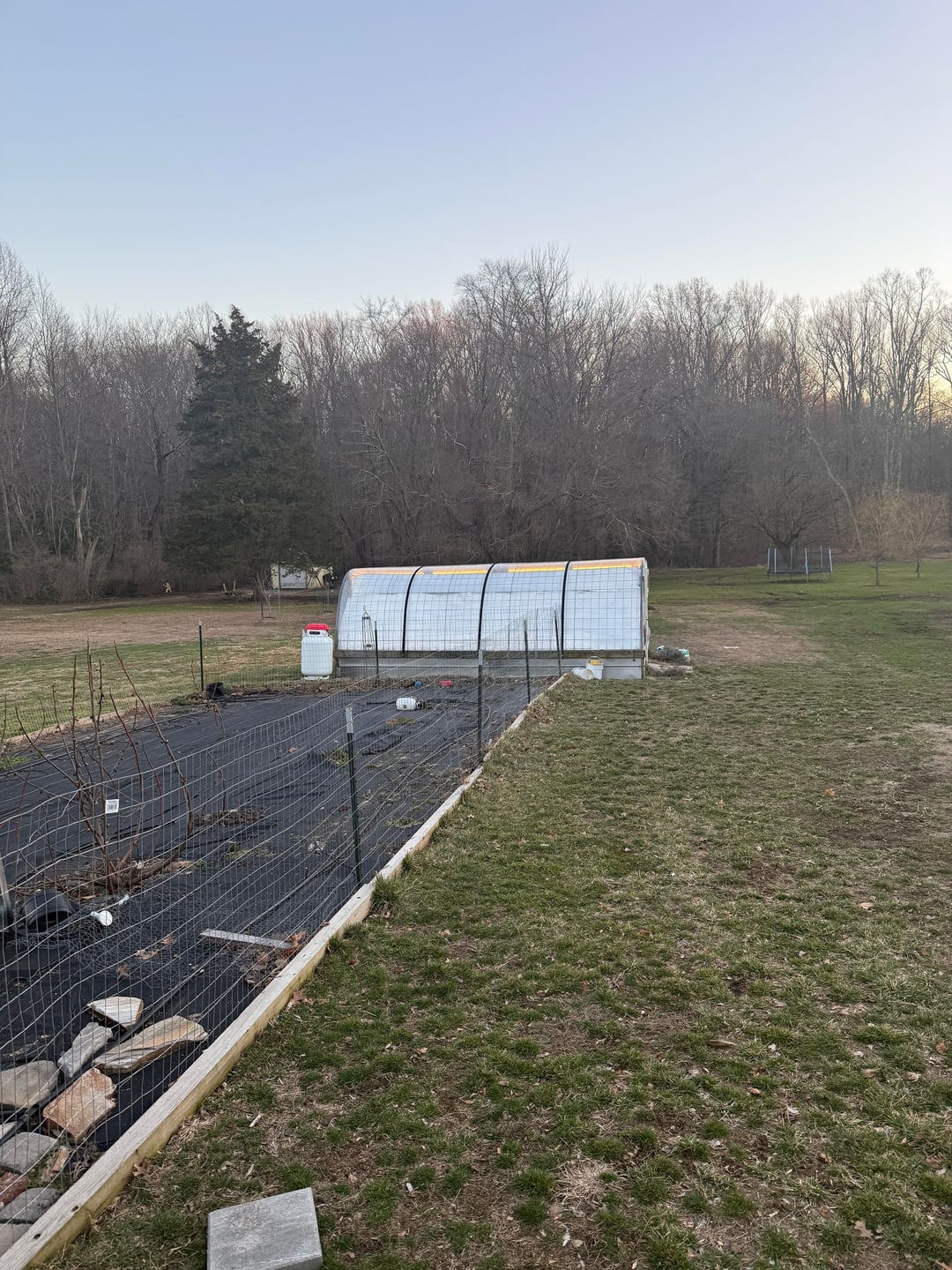
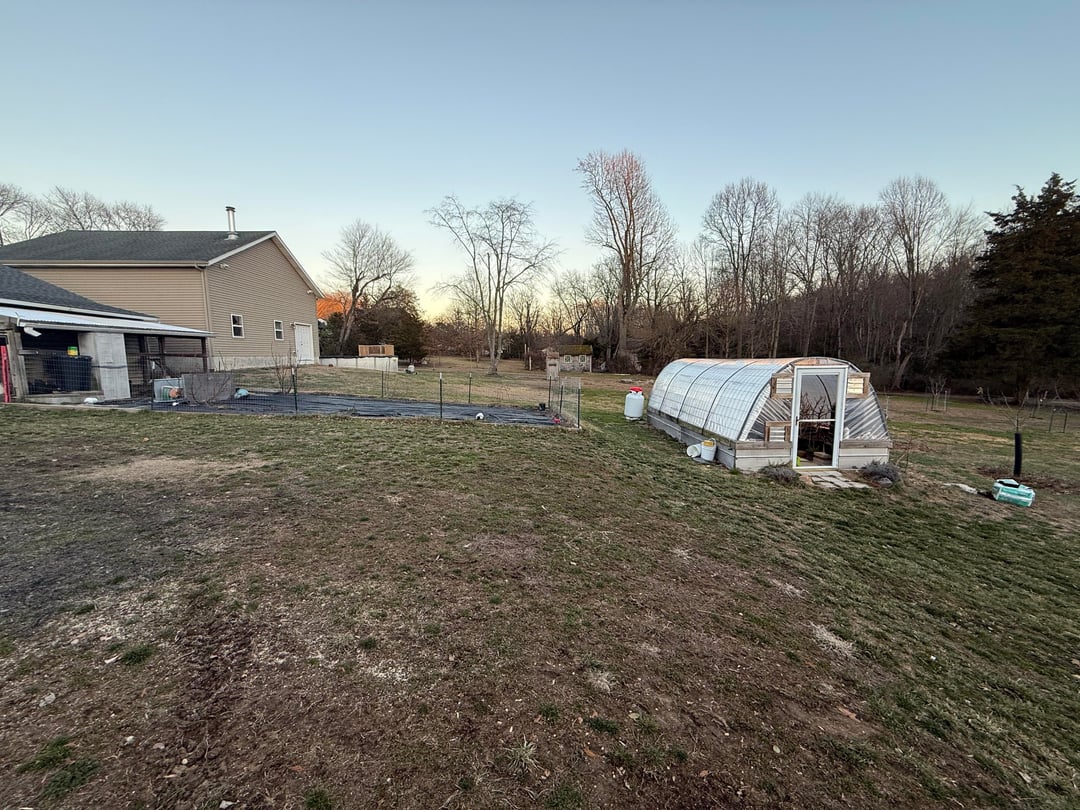
The wall needs to run parallel to the greenhouse on the right at 20 foot wide and 3foot high.
by Tronracer
10 Comments
Ecology blocks are massive industrial concrete chunks used at municipal recycling centers and they weigh thousands of pounds each. For fifteen hundred dollars in labor that guy is just showing up with a machine dropping them straight on your dirt and driving away. Do not expect any compacted base or drainage at that price. Without a proper footing and gravel backfill they will settle and lean the second the ground gets saturated because water always wins.
Never assume drainage is included in a bid unless it is explicitly written on the contract. A three foot wall holds back serious soil weight and hydrostatic pressure. The wood timber quote is cheap but timber rots in the dirt and you will just be paying to rip it out in ten years. That forty eight hundred dollar quote is actually the most realistic price for a properly engineered wall that includes excavation sub base preparation clear stone backfill and a drain pipe.
Skip the ecology blocks unless you want your property to look like a highway staging area. Go to a local masonry yard instead of a big box store and look at proper retaining wall blocks. Tell your contractors you want a written bid specifying exactly how many inches of compacted gravel base they are putting down and making sure filter fabric and clean drainage stone are included behind the wall.
Proper retaining walls require proper material. I would say either use no wall or prepare to spend a ton of money on a proper one (10k+). I wouldn’t even trust the $4800 one unless he’s going to excavate out all the native soil and replace with gravel and moisture control.
Rotate your camera clockwise a little bit and the slope becomes flat and you will no longer need a retaining wall. I just saved you like $4000 or something so I’ll accept $40 for my professional advice. Thanks for your business.
First question is what are you planning to do with the ends of the wall? Creating a single straight wall like that in a sloping paddock, you will have to batter the sides so your actual flat area behind a 20ft wall will be more like 12ft. Get around that by adding walls on sides but that increases costs obviously. Though a three sided shape is more fundamentally self-supporting vs a single line.
Next, what are you retaining? Will you be bringing in fill to create a flat area behind the wall? What surcharges will you need to support?
Do you plan to build something or drive on that flat area?
I don’t see a need for a retaining wall. What exactly are you trying to retain?
The only concern I could see is water puddling up next to your greenhouse. Seems like you just need drainage, not a wall without any drainage.
Cinder blocks probably with steel rod and some quikrete
Are you trying to prevent water intrusion to the greenhouse?
If yes, it may be more cost effective to build a berm between the two structures
I have used VersaLok block on a few projects.
Keep it under four feet tall and you should not need a permit. YMMV
These are not hard to put in. decide where you want it. dig down for the footer/base gravel. First block is basically put below ground level. then the following courses are staggered back 3/4″ and use special pins.
Split face look and several colors available.
My projects have shifted slightly because of time. 20+ years. soil moves.
[Retaining Wall Blocks for Every Landscaping Need; Reliable and Beautiful. | VERSA-LOK Retaining Wall Systems](https://www.versa-lok.com/)
Drainage is placed behind it Largely clean gravel and a drain pipe (if needed), landscape fabric to keep gravel clean.
Best wishes. for you pictured area this is easily a DIY project.
Most cost effective in the long term will be concrete blocks of some kind. The MOST cost effective is when you can get materials or labor for free.
As another comment says, the ecology blocks will just be dropped into place. Here’s where the free labor comes into it: you can dig your own trench with a shovel, 3 feet wide, 20 feet long, a foot deep, fill it with 8 inches of gravel (I use “3/4 minus”, which packs well), and compact it yourself after watching YouTube videos on the process. Make it perfectly level. Have the blocks installed, then run your own drainage and fill (4″ corrugated PVC along the entire length of the wall, covered by 3/4 gravel WITHOUT fines – that is, gravel where all pieces are the same size, about 3/4 inch.) Look on the internet for diagrams of how the drainage is done – normally it’ll be about a foot wide, separated from the soil with fabric that allows water to seep through but doesn’t let mud infiltrate the gravel.
Thr point is , most of the work is straightforward and you can do it yourself if you have the ability to haul gravel.
Railroad tie walls are the cheapest, and easiest to install yourself. A lot of people think they’re ugly but I personally like them just fine