
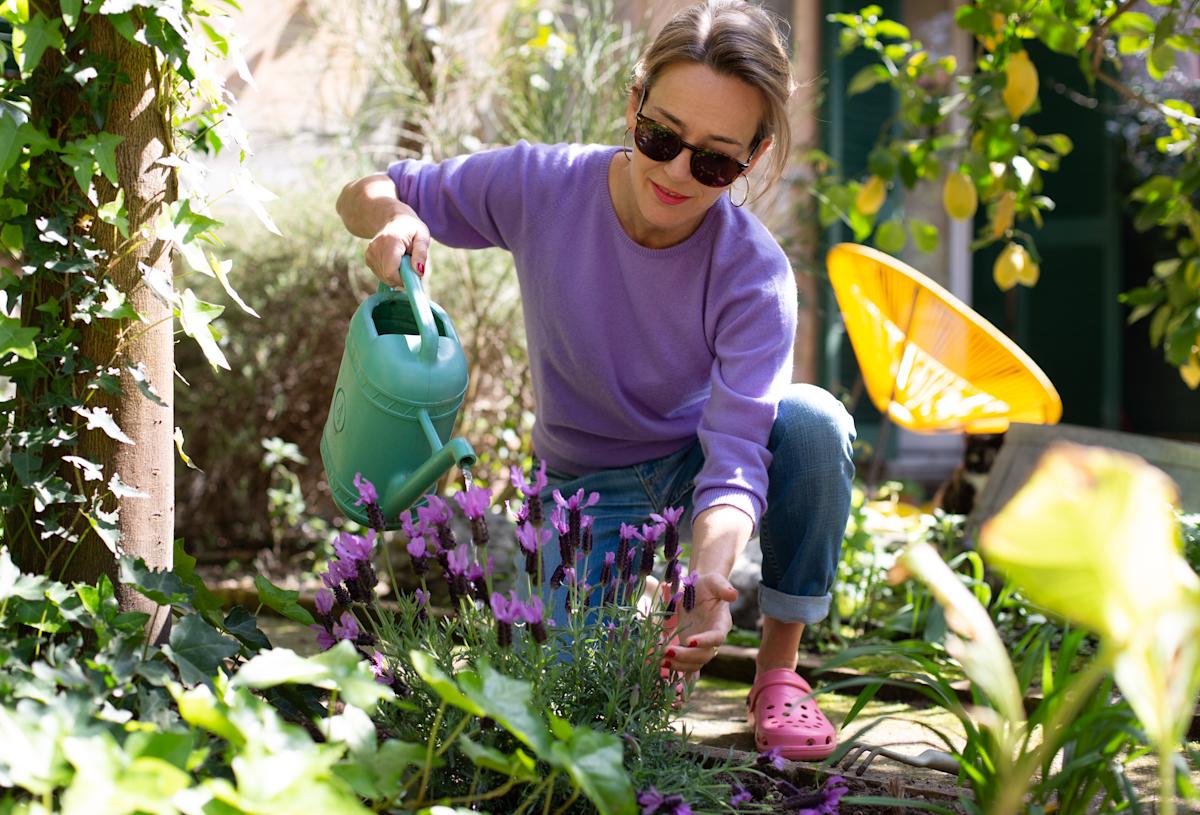
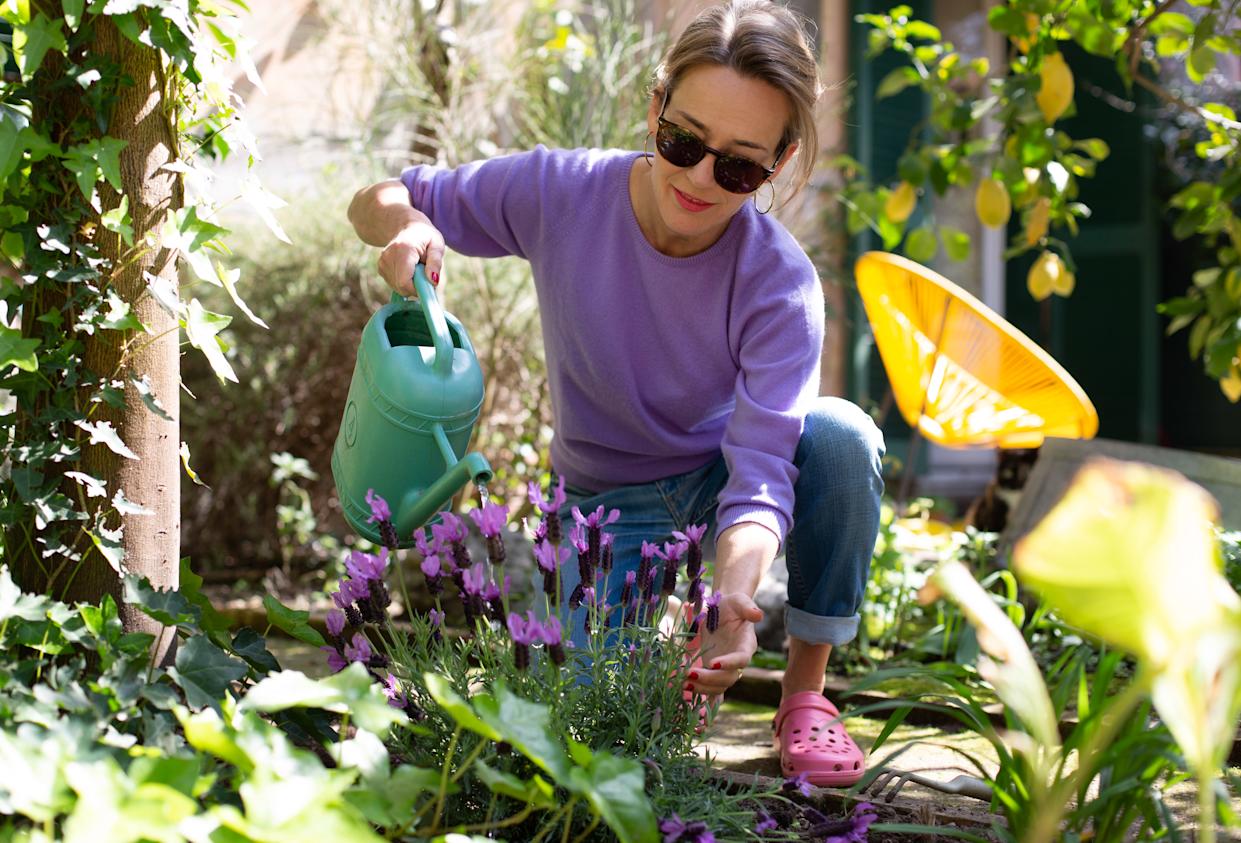
Choosing plants that can easily thrive in your region helps gardening feel empowering and fun (Kathrin Ziegler via Getty Images)
Gardening can feel like a lot of work, especially when you’re starting out. Some plants require constant attention, maintenance and watering, and things can start feeling overwhelming fast. For new gardeners, it’s helpful to start with plants that can fare well without too much fuss, while still offering color, fragrance and depth.
Kate Herlihey and Callyn Owen manage The Nursery at Mount Si, a popular plant nursery in North Bend, Wash. Together, Owen and Herlihey shared their six favorite beginner-friendly plants — including flowering annuals, herbaceous perennials and ornamental shrubs — and told us exactly why these plants are the perfect picks for new gardeners.
Best beginner annuals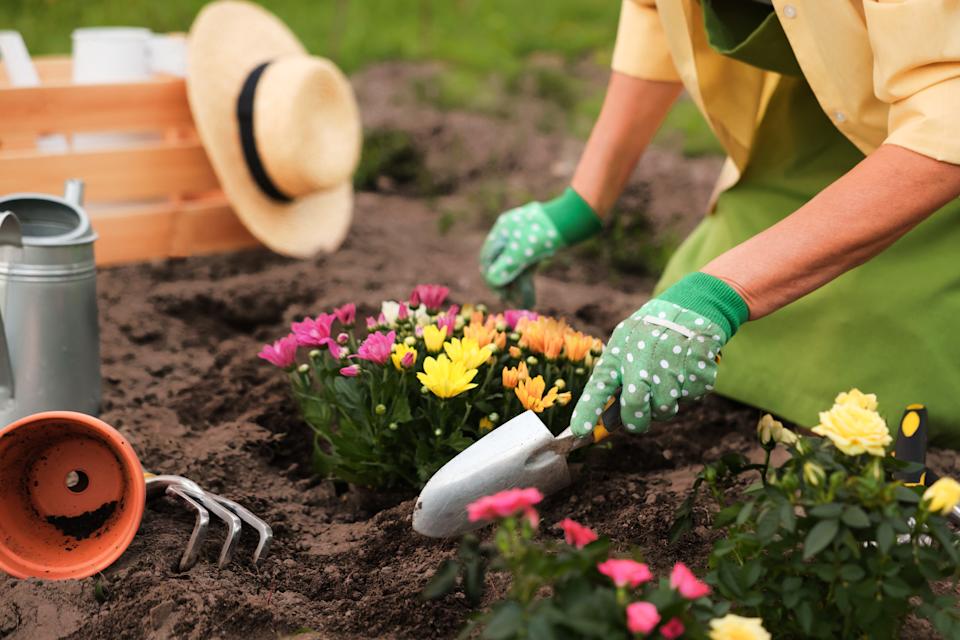
Annual flowers are a great way for new gardeners to have fun without needing a long-term plan (Olga Yastremska via Getty Images)
Flowering annuals offer pops of color during the growing season, before dying off in the late fall or early winter. They tend to be colorful, and many are fragrant and fast growing. They also don’t require too much space or commitment in your garden, allowing you to switch things out from year to year.
Lantana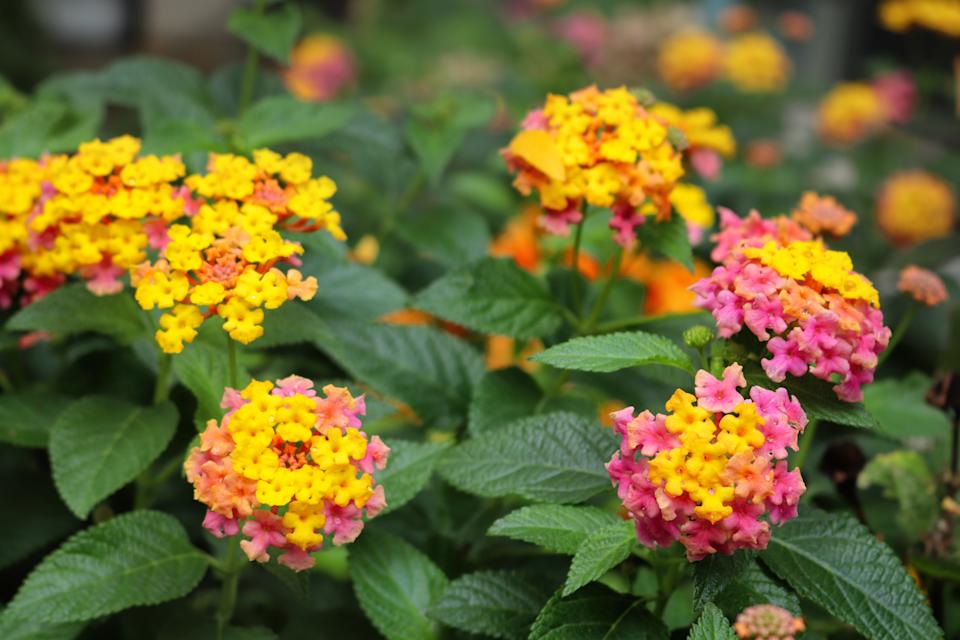
Common Lantana flowers in bloom, featuring yellow, orange and pink clusters (Katrin Ray Shumakov via Getty Images)
Recommended variety: Common Lantana
Known for its vibrant clustered flowers, Lantana camara (sometimes called “shrub verbena”) is a small flowering shrub that can bring color and depth to your garden from the beginning of the growing season until the first frost. Usually grown as an annual, Lantana can also thrive as a perennial (returning year after year) in frost-free climates. It grows in a mounded shape and works well as both a landscape plant and in containers, according to Owen, who has extensive experience arranging planter baskets and containers. Lantana flowers come in a wide range of colors spanning almost the whole rainbow, and some varieties offer multiple bloom colors on the same plant, as shown above.
Why pro gardeners recommend Lantana
There are lots of reasons to love this plant, including its bright colors, adaptability to containers and landscaping, and the fact that it can be grown as both an annual and a perennial depending on where you live. If you’re in a frost-free southern climate, your Lantana plants may survive the winter, returning with new blooms in spring without needing to be “dead-headed” the previous fall. Lantana usually stays fairly compact, but some varieties can get larger and more sprawling. However, it won’t take over your garden the way some other plants can. Like many of the plants featured in this roundup, Lantana is both deer and rabbit resistant, according to Owen and Herlihey.
Plant care tips
Lantana typically requires full sun to thrive and likely won’t do as well in too much shade. “Full sun” means at least six hours of direct sun exposure per day. Newly planted Lantana plants should be watered fairly regularly to prevent drying, but more established plants are considered drought tolerant. Lantana can be grown as an annual in most planting zones, though it’s perennial in zones nine through 11. Some varieties may survive in zone eight.
 Begonia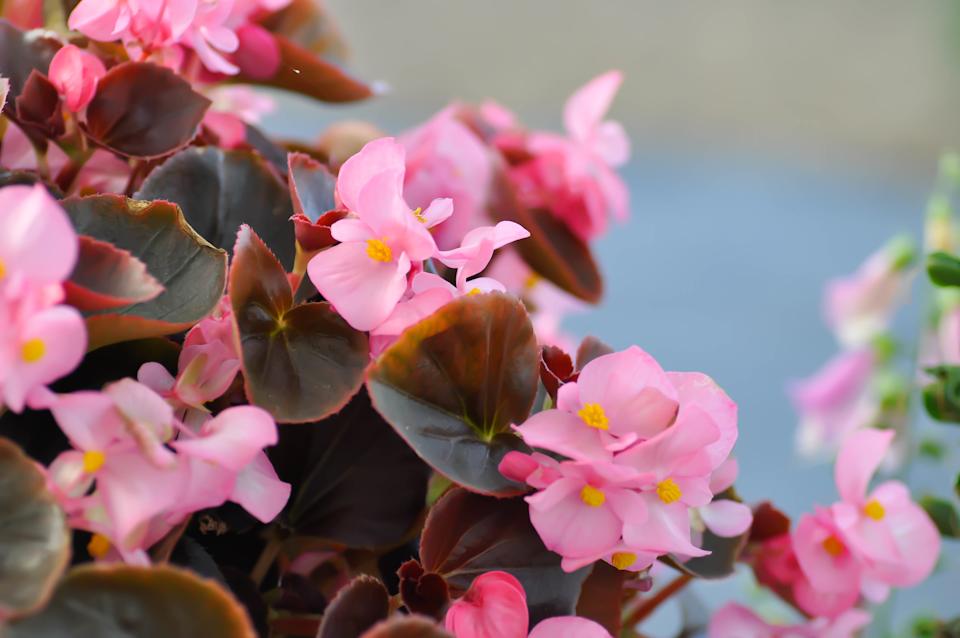
Wax begonias are a popular plant in both landscaping and container gardens (Jobrestful via Getty Images)
Recommended variety: Begonia x semperflorens-cultorum (or “wax begonia”)
Wax begonia is another flowering plant sometimes referred to as a “tender perennial” but almost exclusively grown as an annual. It’s a popular choice for both landscaping and containers, and when planted in the ground, it can spread out to fill in gaps between other plants and shrubs. Wax begonias remain relatively low to the ground (about six to 12 inches tall at most), and they do well in both shady and sunny spots. The blooms come in a variety of shades ranging from reds and pinks to oranges and whites, and the foliage also comes in different shades, like greens and reds.
Why pro gardeners recommend wax begonias
The best thing about wax begonias (aside from their blooms and foliage) is that they’re easy to establish and care for. They’re versatile and can thrive in many areas of a garden. Owen and Herlihey pointed out that they’re also cost-effective, as they often come in packs of four or six and can fill out quickly in a single season.
Plant care tips
Wax begonias can thrive in both sunny and shady areas, making them a great choice for beginners. They have minimal care needs and can get by with occasional watering once established. As always, take extra care of newly planted plants, and drought tolerance will increase as they become more established. As annuals, wax begonias can be planted in just about any planting zone. In zones nine and above, they can survive as perennials.
 Best beginner perennials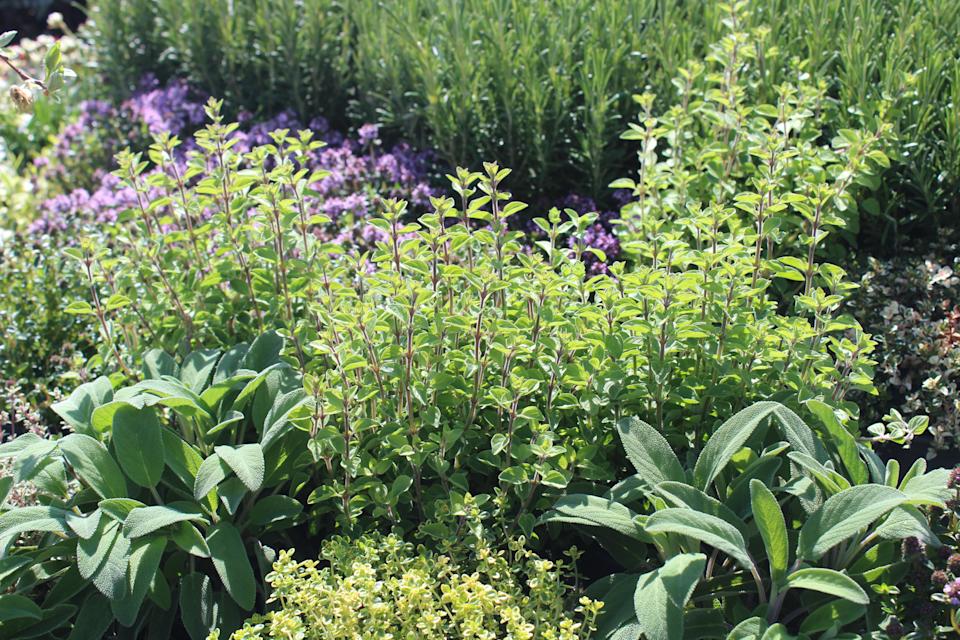
Many herbaceous perennials can get by in a variety of soil types with minimal water (Martina Unbehauen via Getty Images)
Unlike flowering annuals, perennials return each spring after dying back in fall and winter. They also tend to fill out from year to year, so they require slightly more spatial planning. However, the perennials recommended here aren’t aggressive spreaders, and they don’t need to be fussed over in the fall. They also offer beautiful colors and can be used in cut-flower arrangements throughout the growing season.
Salvia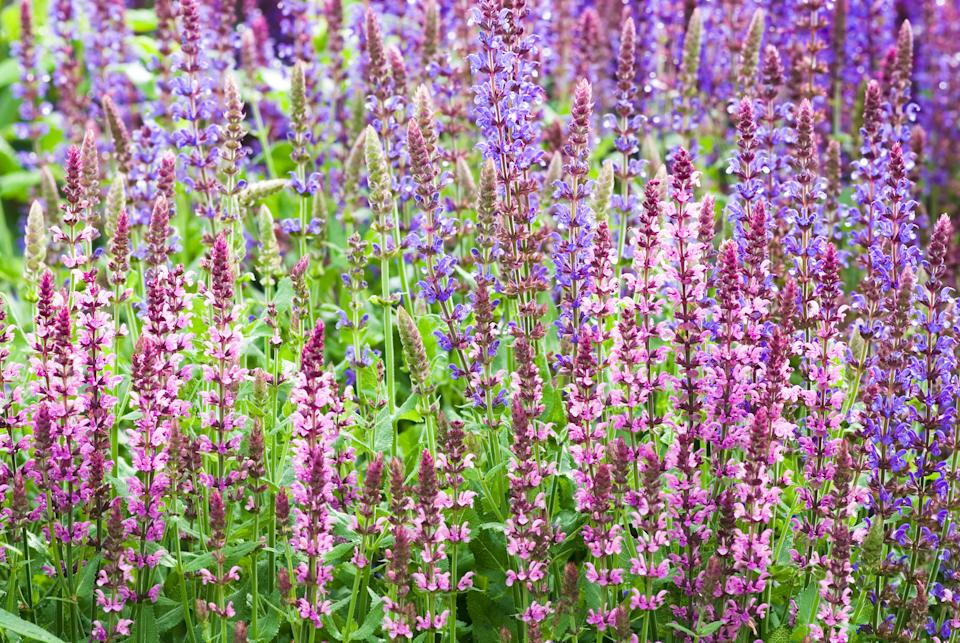
The “Caradonna” and “Amethyst” varieties of Salvia nemerosa offer beautiful pink and purple blooms (AlpamayoPhoto via Getty Images)
Recommended variety: Salvia nemerosa (specifically “Caradonna”)
Salvia, which includes more than 1,000 species, is part of the sage family, according to the Chicago Botanic Garden. S. nemerosa, or “woodland sage,” stands out as one of the best varieties to add to a new garden. With stunning purple, pink or white flowers that return year after year, woodland sage is a hardy perennial that offers a big “wow factor” for very little work, according to Owen and Herlihey.
Why pro gardeners recommend Salvia
Salvia is a great pollinator plant, especially for bees, and it’s also deer resistant. It’s taller than many other perennial herbs, reaching about two feet, which helps add height and variety to your garden. It’s not an aggressive spreader, so you won’t have to worry about it outcompeting other plants. Owen and Herlihey recommend the Caradonna variety specifically, noting that when these purple flowers start blooming nearby, the plant nursery they manage gets frequent questions from customers. “Hot Lips” is another popular Salvia variety, though our experts note that it’s a bit more sensitive and does not always come back after winter.
Plant care tips
S. nemerosa requires minimal maintenance and prefers to dry out between waterings. It should be watered more frequently during prolonged dry spells and will also require routine watering before it’s fully established. Salvia doesn’t need to be dead-headed in the fall; you can simply cut back the dead growth in spring when new growth starts to emerge. S. nemerosa grows best in zones four through nine.
 Catmint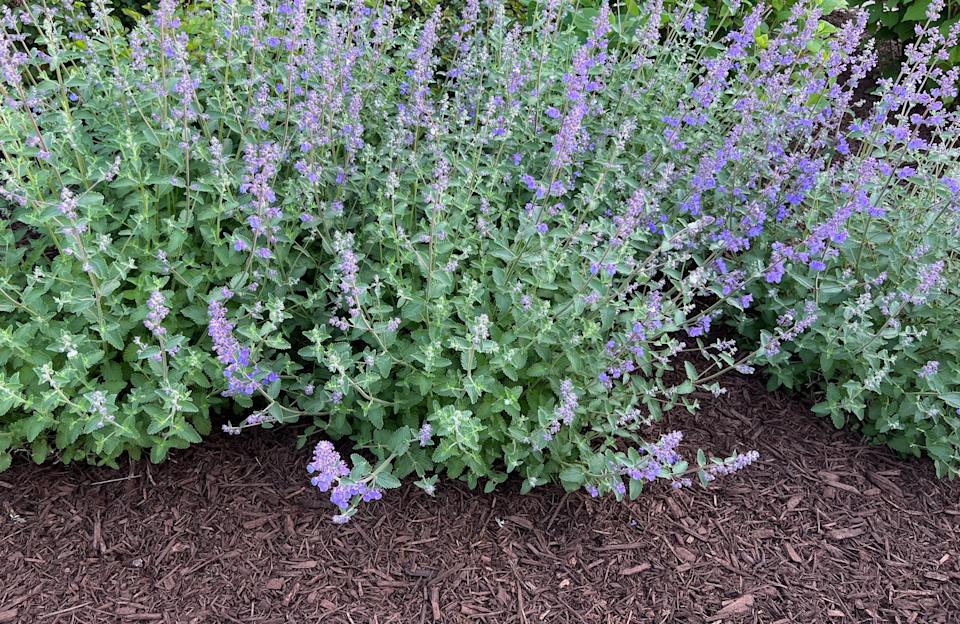
Catmint is a fragrant, colorful and low-maintenance perennial that can work well in most gardens (bgwalker via Getty Images)
Recommended variety: Nepeta × faassenii or Nepeta racemosa
Often referred to solely as Nepeta (the Latin genus name), catmint is a flowering perennial that can bring color, depth and a sweet, fresh aroma to your garden. Catmint flowers tend to be purple, though there’s a lot of variation in the shades. This mid-height perennial works well in both containers and landscaping and can continue to thrive for years after planting. Not to be confused with catnip (N. cataria), catmint is known for its tidier growth pattern and more eye-catching, fragrant flowers than its feline-adored relative.
Why pro gardeners recommend catmint
Like most of the picks in this guide, catmint is considered low maintenance, deer resistant and shouldn’t need much dedicated care after it’s established. Don’t be scared off by the word “mint,” though — catmint can expand without taking over the whole garden like other mint varieties. Catmint’s flowers and leaves have a fresh, citrusy, slightly sweet fragrance, and the blooms can be cut throughout the growing season for bouquets. Cutting it back after the first flush of blooms can encourage a second flush for even more color. Herlihey and Owen also pointed out how fun the variety names tend to be for this cat-themed plant including “Cat’s Pajamas,” “Cat’s Meow” and “Kitten Around.”
Plant care tips
Catmint likes sun, but it can do OK in partial shade too. It’s considered drought tolerant once established and will only need routine watering during its first year. To make sure it comes back nice and full in the spring, it should be cut back in the fall. Owen and Herlihey said this doesn’t have to be a finicky process, though, and you can simply “shave it down” with scissors or pruners, an inch or so above the ground. Catmint is hardiest in zones three through eight.
 Best beginner shrubs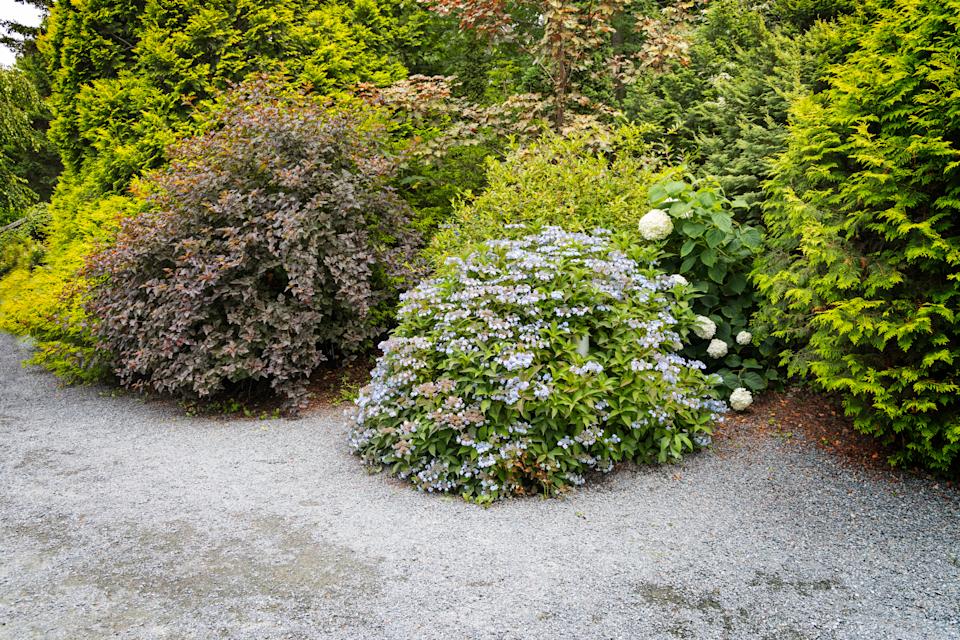
Shrubs add shape, height and depth to your garden, especially if you’re landscaping a whole yard (twomeows via Getty Images)
If you’re making longer-term plans for your garden, shrubs are an excellent way to start mapping out a landscaping plan and adding more depth and variety. While some shrubs can be difficult to establish, these two are considered hardy and relatively low-maintenance (though they will still need watering during the first year until they are established).
Spirea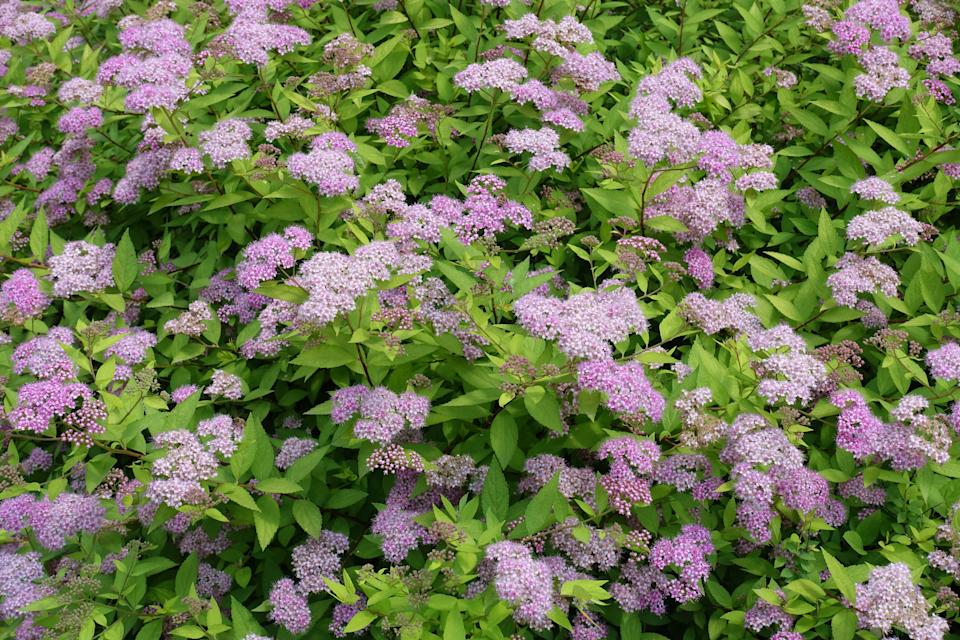
Japanese spirea is a popular landscaping plant with a wide range of colors, shapes and sizes (apugach via Getty Images)
Recommended variety: “Magic Carpet” (also known as “Walbuma”)
Spirea japonica (also known as Japanese meadowsweet or Japanese spirea) is a flowering deciduous shrub that leafs out in early spring, flowers in spring and early summer, and loses its leaves in winter. Some varieties are reblooming, meaning they can flower again later in the summer. Spirea flowers come in whites, pinks and sometimes purples, and the foliage ranges from shades of bright green to golden yellows, oranges and reds, depending on the variety and time of year. Sizes vary depending on variety as well, making it easy to find one with the shape and size needed for a particular spot in the garden, Herlihey said.
Why pro gardeners recommend Spirea
Spirea is widely regarded as one of the best low-maintenance plants for almost any yard. Owen and Herlihey said it’s extremely easy to establish, deer resistant and attractive to both bees and butterflies. Spirea offers pops of color throughout the growing season (including spring and fall) through its flowers and color-changing foliage. It’s also “very forgiving to pruning,” Herlihey said, meaning it’s hard to over-prune or under-prune. This adaptable shrub comes in a range of sizes and shapes, with some varieties being smaller and more mounded, while others are larger and more arching. Depending on the variety, S. japonica can reach heights between two feet and more than six feet when fully grown.
Plant care tips
S. japonica typically prefers full sun, Herlihey said, but it can tolerate some shade as well. Once established, Spirea is drought tolerant and can usually get by without extra watering. However, like most plants, it will need to be watered during its first year to keep it from drying out. S. japonica is adaptable to different planting zones, but it tends to do best in zones three through nine.
 Sarcococca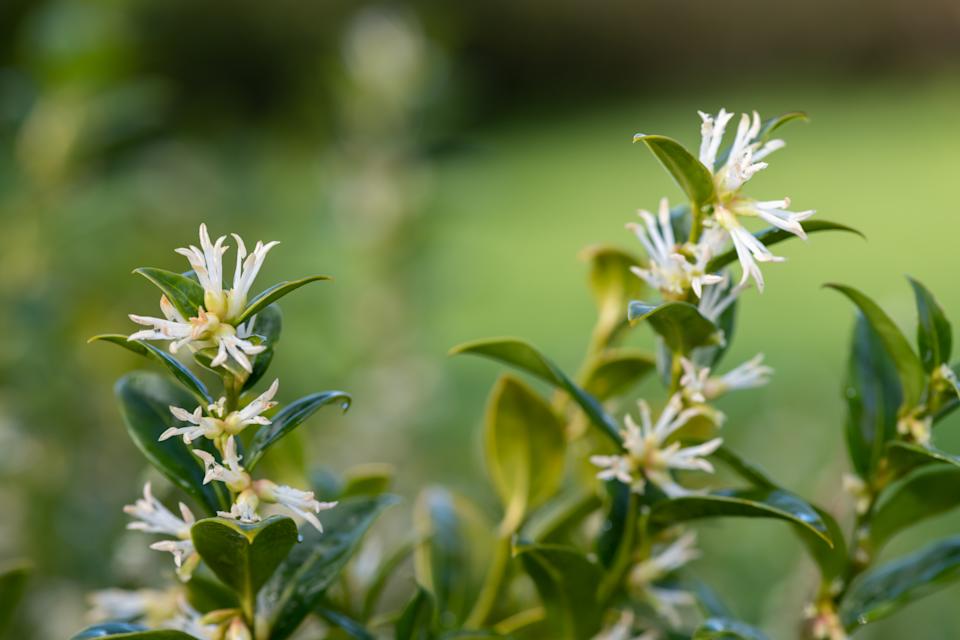
Sarcococca loves being in the shade and offers a sweet scent in early spring (Tom Meaker via Getty Images)
Recommended variety: Sarcococca confusa (“sweet box”)
S. confusa, or “sweet box,” is a fragrant, shade-loving shrub that offers year-round greenery and delicate, sweet-smelling flowers in spring. It’s often used in commercial landscaping, Owen noted, because it’s easy to grow and prune. The sweet box variety tends to grow to between three and five feet tall, while other Sarcococca varieties can reach up to 12 feet.
Why pro gardeners recommend Sarcococca
Herlihey said one of her favorite things about Sarcococca is its sweet-smelling white flowers that emerge in very early spring. It tends to be one of the first landscaping flowers to emerge, and Herlihey recommends planting it near a doorway so you can enjoy the sweet aroma as spring arrives. Sweet box is also shade-loving and evergreen, meaning it offers greenery year-round and doesn’t require much (if any) sun. It also tends to be deer resistant.
Plant care tips
Unlike most other plants in this guide, sweet box is truly shade loving and should not be planted in direct sunlight. It can even do well in full shade and under trees where there is minimal light. If you live in an area with cold winters, consider mulching around the base to provide extra protection during freezes. Due to its slight sensitivity to both cold and heat, Sarcococca does best in zones six through nine.
 Top tools to get you started in your garden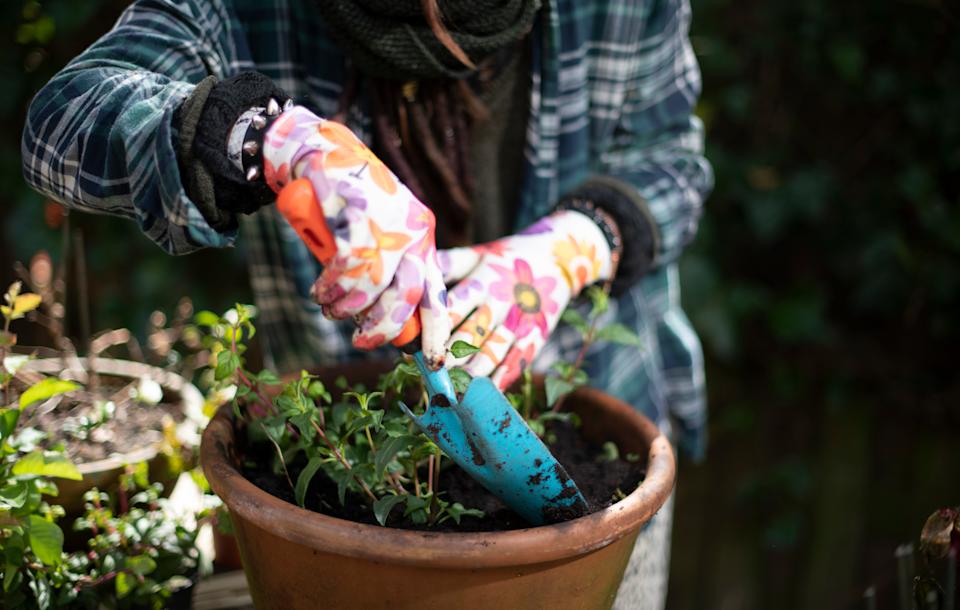
Once you have the right tools, gear and plants, starting a small garden can be done during a weekend (Lucy Lambriex via Getty Images)
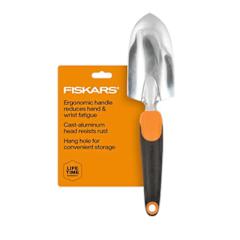
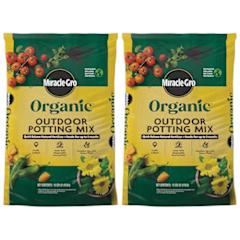
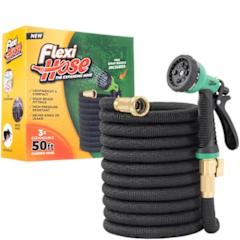
Every gardener needs a good set of gardening tools. Your collection will likely grow over time, but to get started, all you really need is a sturdy trowel or shovel, some soil and a hose or watering can. Most gardeners also like wearing gloves to protect their hands, and knee pads or a kneeling pad can be helpful for long gardening sessions.
Here are a few popular picks to consider before spring planting season.


 More Yahoo gardening
See all Yahoo gardening articles
Comments are closed.