
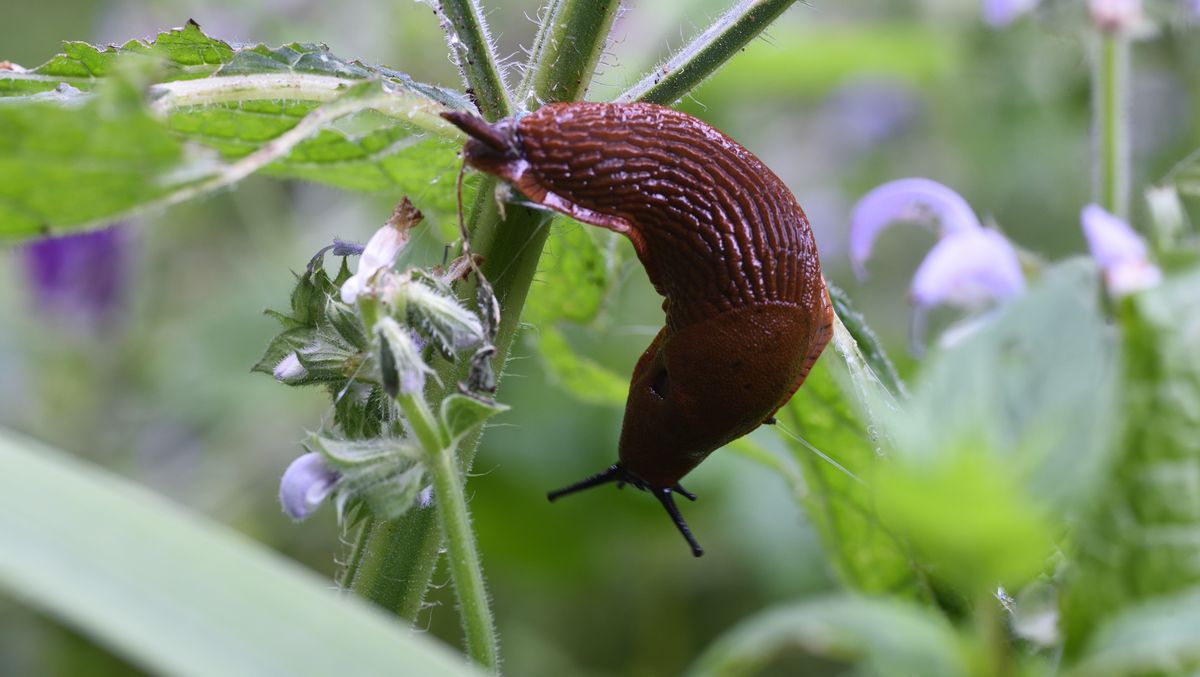
Slugs are known to chew through leaves, stems, and young shoots, but experts say they can be kept away naturally without using chemicals.Aditi Rane and Ambarish Awale Trainee Trends, Showbiz and Lifestyle Writer
22:51, 16 Mar 2026
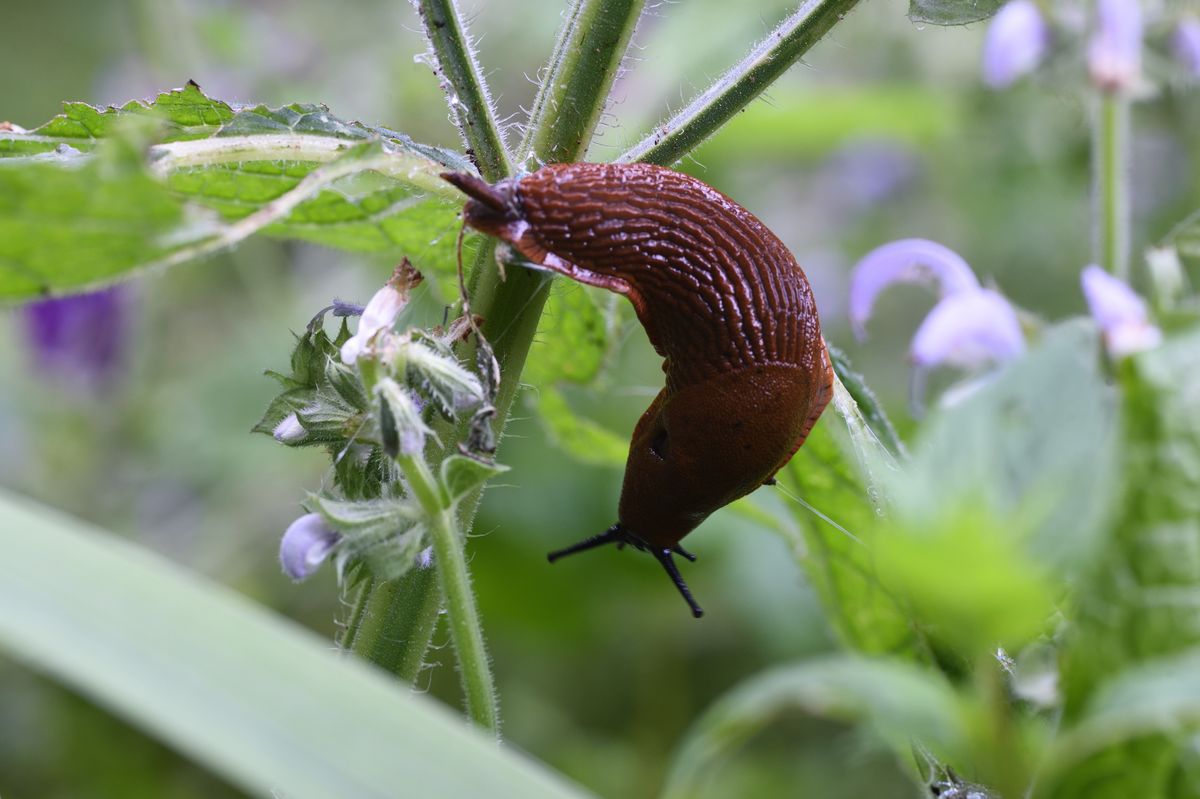
Gardeners are being urged to plant a simple herb that slugs hate(Image: Getty Images)
Gardeners are being encouraged to plant a simple herb that slugs reportedly hate, as spring brings a fresh wave of pests across the United Kingdom. With flower beds, vegetable patches and allotments coming back to life in warmer weather, experts say slugs are becoming more active.
The pests are notorious for damaging plants by chewing through leaves, stems and young shoots, often destroying seedlings overnight. However, gardening specialists say there is a natural way to discourage them without resorting to chemical pellets – garlic.
Experts at Gardenia say the strong scent released by garlic can act as a deterrent, protecting nearby plants from being eaten. A spokesperson for Gardenia warned that slugs can quickly cause widespread damage if left unchecked, Express reports.
“Slugs can cause significant damage to crops, plants and gardens,” the spokesperson said, adding that they are a common problem for both home gardeners and farmers during the growing season. “They feed on a variety of plants, including vegetables, fruits, flowers, and foliage, and they can quickly defoliate a plant or devour entire seedlings.”
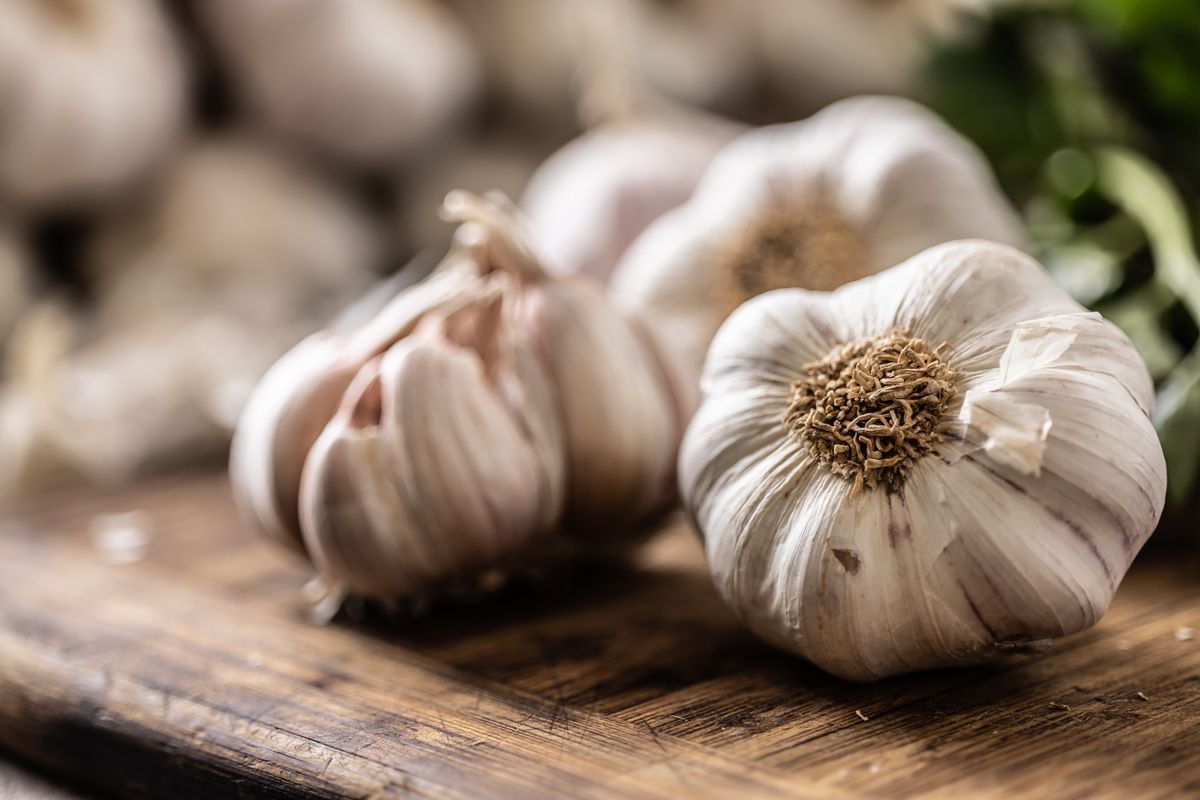
Experts say garlic’s strong scent can deter slugs in the garden(Image: Getty Images)
Slugs are not just unsightly. They chew through leaves, stems and even fruits, making crops unmarketable and reducing yields. They are particularly problematic in greenhouses, where damp, sheltered conditions provide ideal breeding grounds.
Fortunately, there is an easy and natural solution – planting alliums. “Alliums, such as garlic, onions, and chives, are excellent for companion planting,” Gardenia explained.
They help deter slugs because the pests cannot tolerate the smell, which overwhelms their sensory receptors and discourages them from entering the area.
Companion planting with alliums also offers additional benefits.
They can improve soil health and enhance the flavour of neighbouring vegetables.
Garlic and chives are especially popular with home gardeners because they are easy to grow, thriving in pots or beds, and double up as useful kitchen herbs.
Gardeners hoping to slug-proof their gardens are advised to plant a border of alliums around vulnerable vegetables and flowers or intersperse them throughout beds.
Alongside other organic strategies, such as crushed eggshells, coffee grounds or copper tape, the use of alliums can make a noticeable difference in controlling slug populations.
As slugs begin their nocturnal feasts during damp evenings, being prepared can help gardeners protect plants without the need for pesticides.
Daily Record previously reported that spring also marks a crucial breeding period for rats and mice, which are attracted to homes in search of food, shelter and nesting sites.
Failing to act early can lead to a full-scale infestation.
Beyond costly extermination, rodents can pose health risks by spreading disease.
DIY expert Glen Peskett from Saxton Blades suggests that there is a simple, inexpensive way to keep rodents at bay – garlic.
The same herb that can protect gardens from slugs can also deter rats from homes throughout the year.
Comments are closed.