
Key Takeaways
Most vegetable gardens need 1 to 2 inches of water weekly, best delivered in deep, thorough waterings a few times a week rather than daily sprinkles.
Check soil moisture by poking your finger 2 inches deep—if it feels dry, it’s time to water; mulch, soil type, and garden setup (like containers or raised beds) all affect how often watering is needed.
Water in the morning to avoid disease and evaporation, and adjust frequency based on plant types, weather, and growth stages—young plants and shallow-rooted veggies need extra care.
Don’t let the hard work of planning and planting a vegetable garden go to waste. Once the plants are in, they need more than sunshine to thrive. They’ll need plenty of water, and rain showers may not be enough. The question is, how often should you water your vegetable garden? Gauging the amount of water your garden needs can be tricky since it depends on several factors, including weather, type of soil, time of day, type of garden, and the plants growing there. Here’s how to determine frequency and how much water your garden needs.
Credit:
Getty Images
How Much Water Does A Vegetable Garden Need?
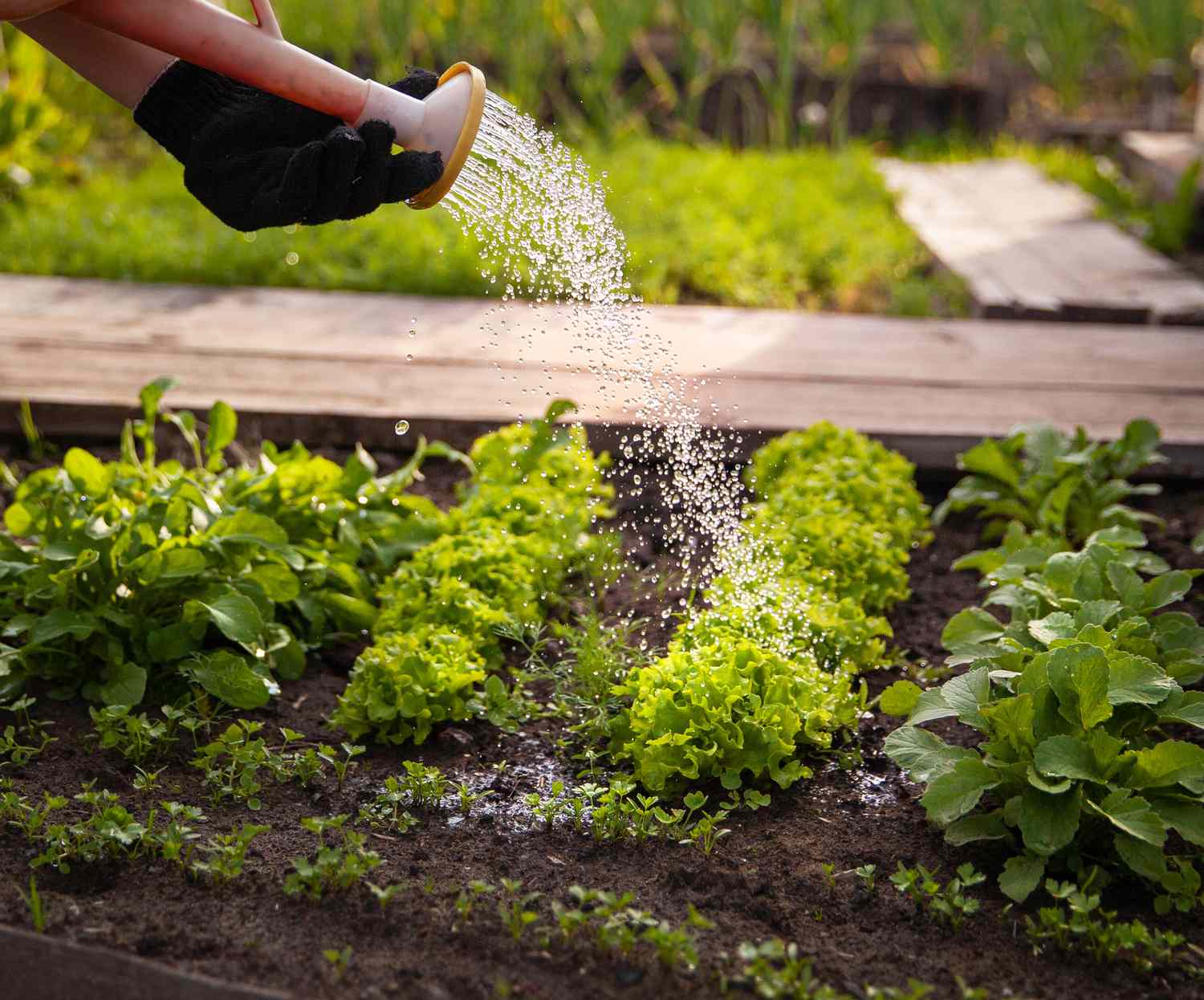
In general, vegetable gardens need 1 to 2 inches of water per week, either from rainfall or the garden hose. You need to provide the garden with any water not supplied by rainfall, and it doesn’t need to be watered all at once. Make sure to water the soil around the plants since wet leaves can lead to diseases.
Should You Water Your Vegetable Garden Every Day?
Established vegetable gardens do not need water every day. Too much water can lead to root rot, nutrient deficiency, and other diseases. Deep, thorough watering one to three times a week is better than frequent short watering, which can cause shallow root growth. Plants dry out more quickly in hot weather when roots are closer to the soil’s surface, and they struggle to dig deep for water during drought conditions.
Credit:
Zbynek Pospisil / Getty Images
What Factors To Consider When Watering
Weather
Take rainfall into consideration when watering. Some weeks, your vegetable plants may get plenty of water—and then some—from summer showers. But if those rain showers were light, you probably need to supplement your garden with more water to make sure plants get the amount they need.
Hot weather may require increased watering in some gardens. Keep an eye out for wilting leaves, and check the soil for dryness.
Soil
Soil is a good indicator of knowing when the garden needs water, as well as how often. To determine whether the garden needs watering, poke your finger about 2 inches into the soil. If it’s damp, the garden doesn’t need watering just yet. If it feels dry, it’s time to water.
The type of soil also determines watering frequency. Sandy soil, which drains quickly, requires more frequent watering than clay soil, which tends to hold onto moisture. A layer of mulch helps plants retain moisture, so a garden with mulch may require water less often.
Type Of Garden
Take the type of garden you have into account. In-ground gardens retain moisture longer than raised ones and containers. A raised bed often drains quickly thanks to the well-draining amended soil used for planting. Containers can dry out quickly due to quickly draining soil and exposure to warmer above-ground temperatures. These types of gardens may need water every other day during hot temperatures. Test for soil dryness to determine whether the garden needs more water.
Time Of Day
It’s typically best to water vegetables in the morning before the sun is at its peak, and it also allows time for any wet foliage to dry before dark. Watering during the heat of the day may mean the water will evaporate before being absorbed by the plant’s roots. Watering in the evening should be done with care to avoid wet foliage that can lead to fungal disease.
Types Of Vegetables
Different plants may have different watering needs, so keep that in mind during your watering routine. Vegetables with shallow roots, such as lettuce, spinach, kale, broccoli, and carrots, as well as vining vegetables like squash and cucumbers, may dry out quickly. Tomatoes, peppers, eggplant, and pumpkins need more frequent watering during flowering and while developing fruit.
If you are just starting the garden, young transplants and seeds need daily watering until they get established. Once mature, you can water them less often.
Comments are closed.