
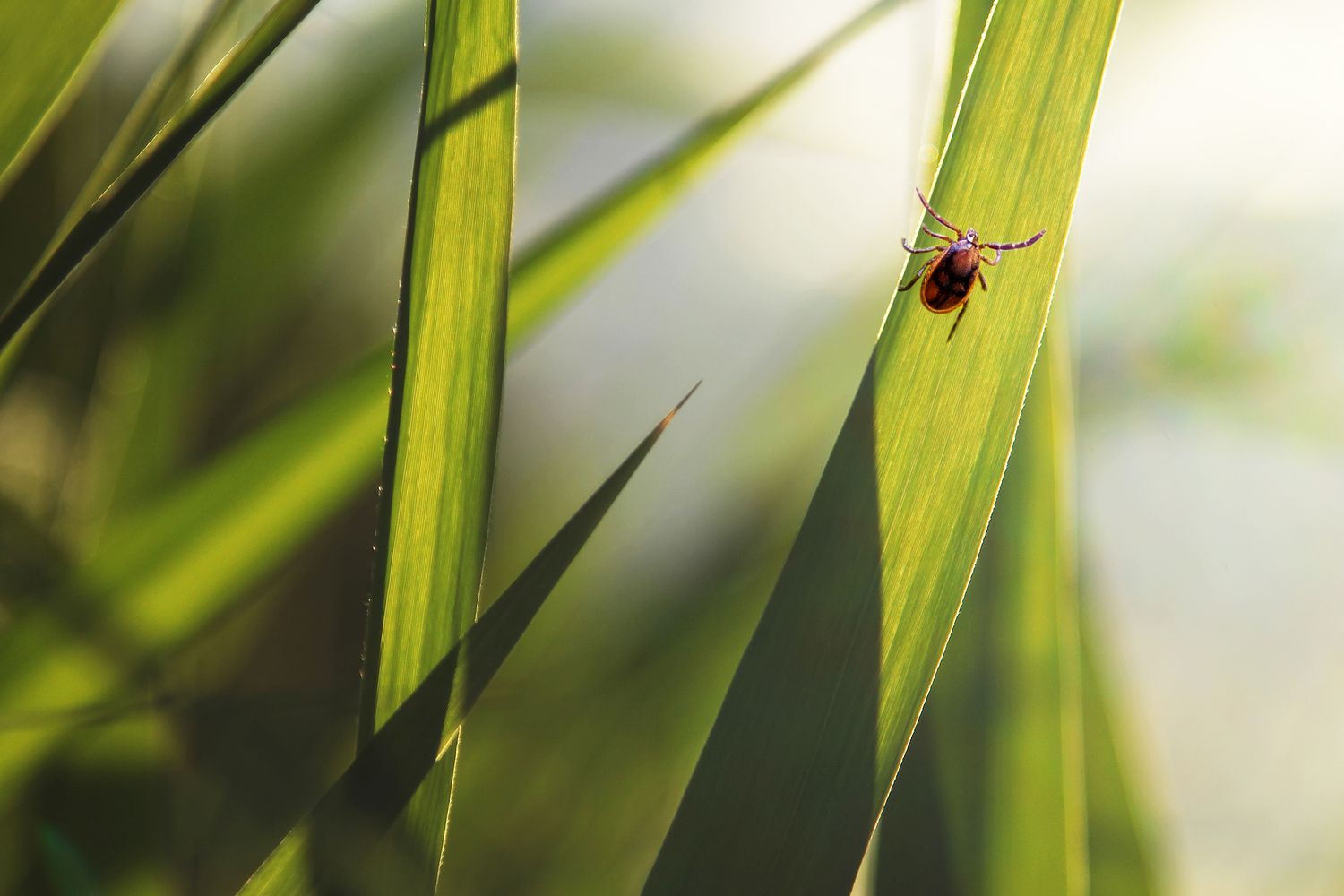
No one wants ticks in their yard. Not only are these creepy crawlies known parasites, but they can also carry harmful diseases, like Lyme disease, anaplasmosis, and more. Fortunately, there are natural ways to keep these bugs at bay—or to get rid of them once they’ve moved into your lawn.
Here, we spoke with pest control and gardening experts about how to prevent ticks from running rampant in your yard. Follow their tips and tricks, and you can reduce the presence of these unwanted visitors.
Rob Palmer, lawn expert with over 30 years of lawn care experience, and brand president of Lawn Squad
Marcus Griswold, entomologist (MS/PhD) and the founder of Your Bug Club
Matt Smith, licensed pest control professional and co-owner of Green Pest Management
Keep Your Grass Short
When it comes to ticks, one of the worst mistakes you can make with your lawn is not regularly mowing it. “This can be highly effective when done consistently,” says Rob Palmer, lawn expert and brand president at Lawn Squad.
Marcus Griswold, an entomologist and the founder of Your Bug Club, agrees. “Ticks will hang onto leaves and stems in wait,” he says. “As you walk through your yard, they have sensors on their legs that detect the carbon dioxide you’re breathing out, and your body heat.”
Keeping grass low means that they will have fewer leaves to hold onto. An upside of this method is that it’s very low-cost. However, it does require ongoing maintenance.
Use Gravel or Fences as Barriers
Deer are a common carrier of ticks, and creating a barrier can discourage them from entering your property. Gravel or deer-proof fences, for example, can minimize the chances of a growing tick population in your yard.
“However, there are some cons to this method,” says Palmer. “Adding gravel can be costly—and may not fully stop the deer.”
Add Plants That Repel Ticks
Certain plants will deter ticks and their hosts. “[They also] create a beautiful border with a lovely scent,” says Griswold. Rosemary, geranium, garlic, mint, milkweed, sage, lavender, marigold, and juniper are just a few plants that can keep ticks and deer at bay.
Keep in mind, though, that while the aromas of these plants work well to deter ticks in the short term, they may not last for longer periods, as the plants can lose leaves or flowers during their growth cycle.
Prune or Trim Tall Shrubs
Taller shrubs will likely need a summer trim to deter ticks from moving in. “Ticks typically stay on plants that are between 1 and 4 feet high and wait for something to come passing by to hitch a ride,” says Matt Smith, licensed pest control professional and co-owner of Green Pest Management.
The upside of trimming back shrubs is that you’ll have a good-looking yard, while the con is that you’ll have to stay on top of your yard work, which can be time-consuming.
Even if you’ve taken steps to eliminate ticks from your yard and garden, it’s important to continue following tick best practices, like examining your body and clothes when you return indoors.
Opt for Natural Treatments
There are a variety of organic treatments that can help with tick control. “Eucalyptus oil, mint, neem oil, or even diatomaceous earth can be applied to bushes and other high populated areas,” says Smith.
These natural applications can take longer to be effective, and you must apply them more frequently. However, a big benefit of these treatments is that they’re free of the synthetic chemicals that can be harmful to beneficial insects.
Comments are closed.