
 Karel Bock//Getty Images1Spiderwort
 Photos by R A Kearton//Getty Images
Spiderwort or tradescantia is a part shade—not deep shade—plant. It features an intricate flower and can grow anywhere from a foot-and-a-half to two feet tall.
“The variety Sweet Kate has unique, chartreuse-colored leaves,” says Beyers.
Varieties to try: Sweet Kate, Concord Grape, Webmaster
2Ligularia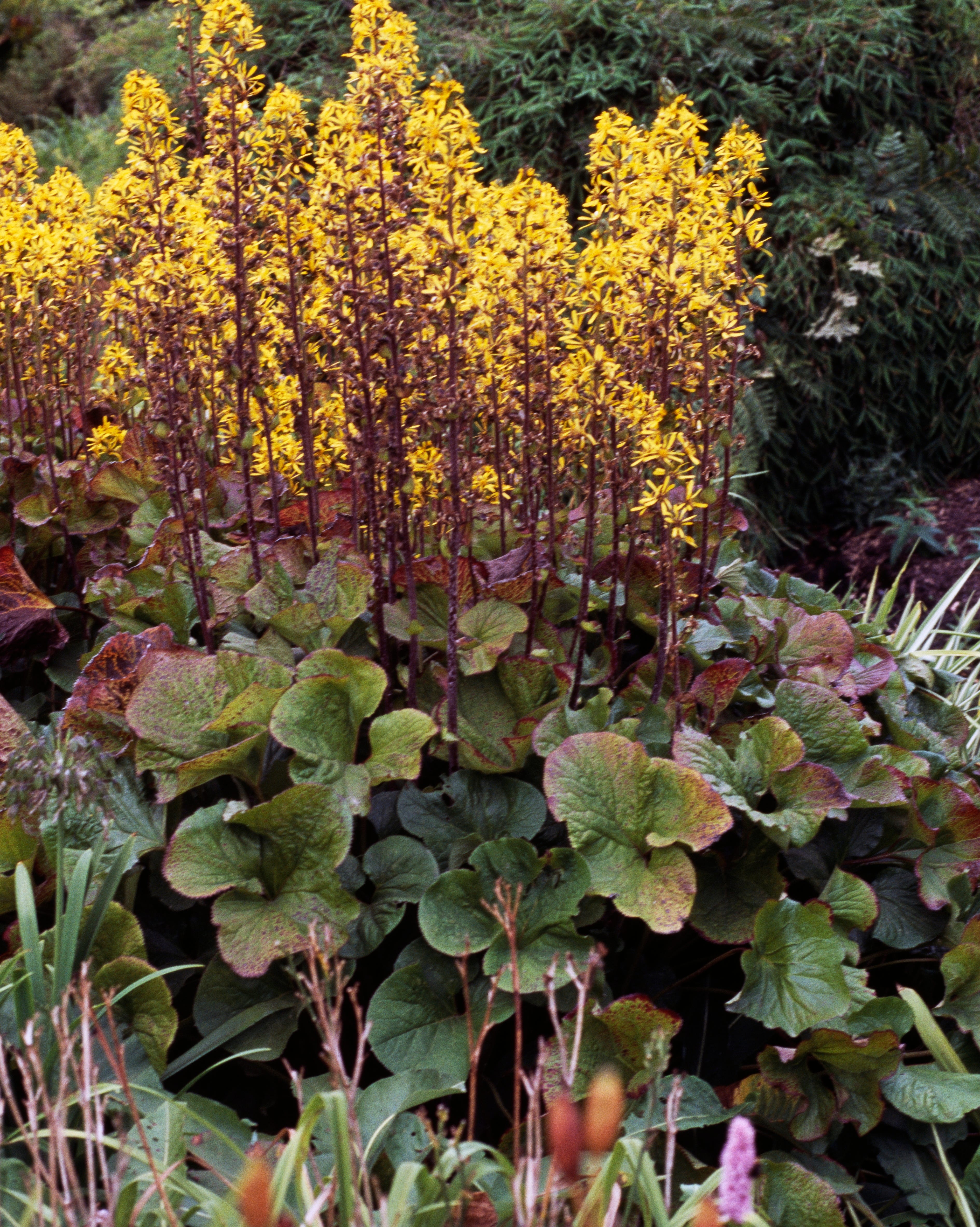 DEA / RANDOM//Getty Images
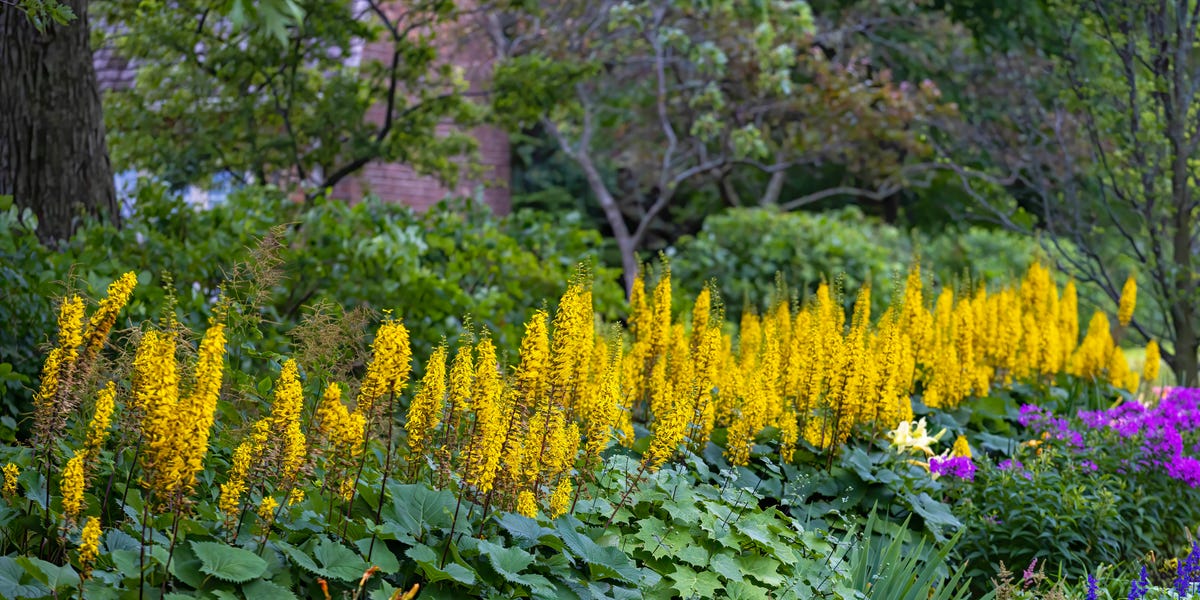
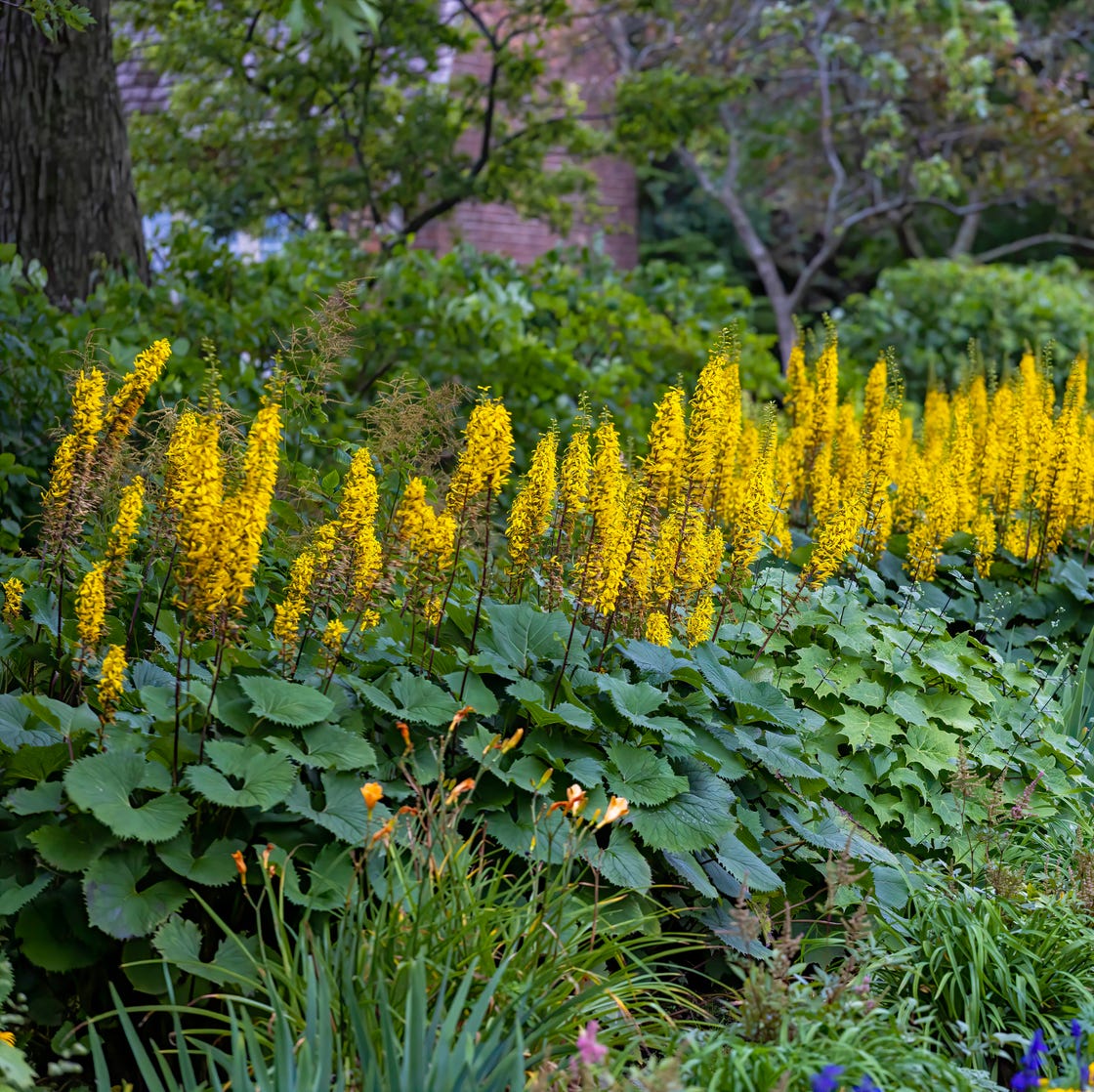
Sometimes called “leopard plant,” Ligularia is an excellent choice for any shade garden—and not just because deer don’t enjoy eating it.
“One of the other nice things about this plant is its striking, purplish-red leaves,” says Daryl Beyers, author of The New Gardener’s Handbook. “There’s another variety that features yellow, daisy-looking flowers, and yet another called ‘The Rocket’ that boasts spikier blooms.”
Varieties to try: Desdemona, Britt-Marie Crawford, The Rocket
Related: 26 Best Shade Annuals for Bare Spots In Your Garden
Advertisement – Continue Reading Below
3Hosta 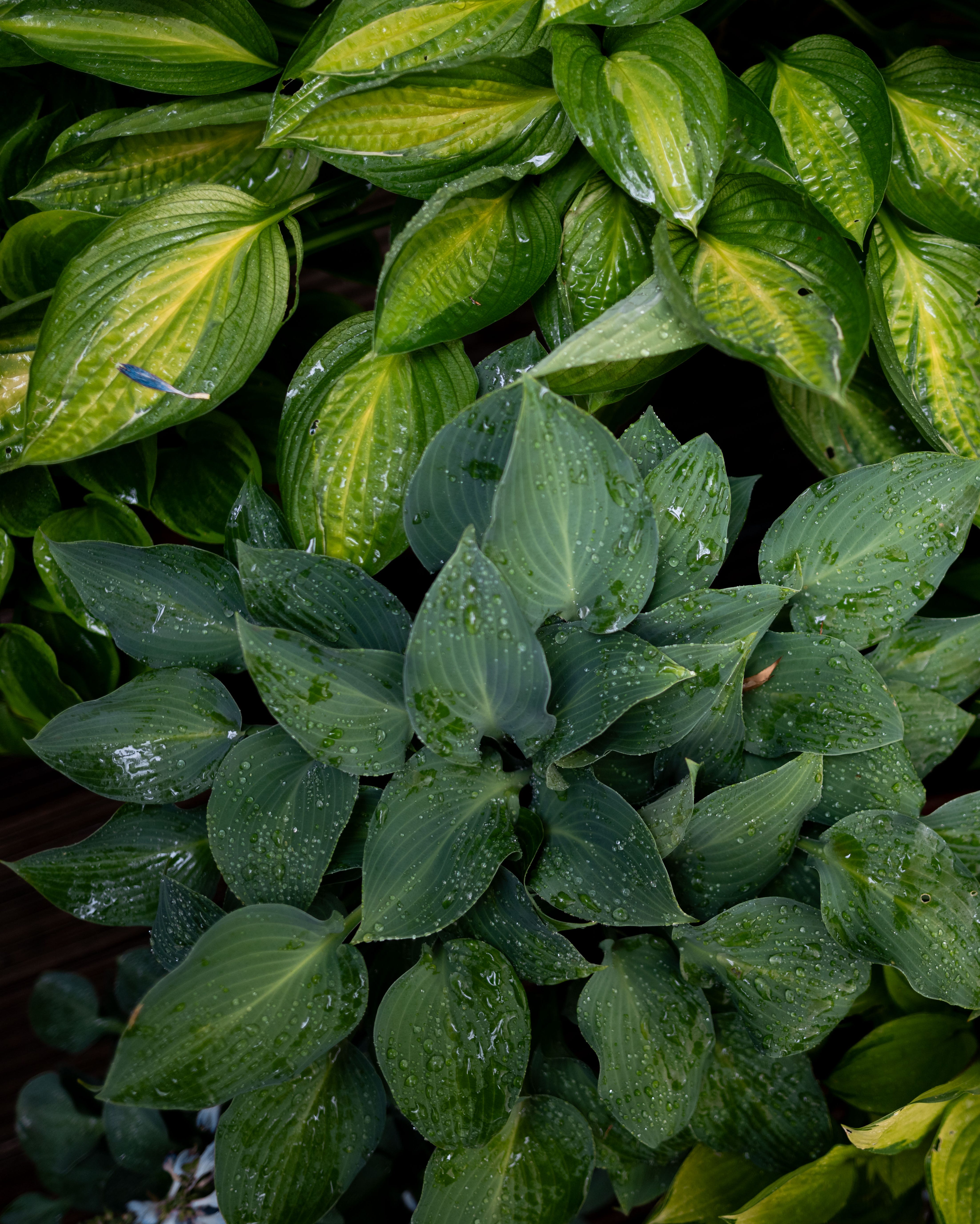 picture alliance//Getty Images
Hosta is a go-to plant for shady areas. Primarily a foliage plant, the broad-leafed beauty can actually be very small or very large.
“Sum and Substance is a variety that gets huge—about five feet across,” says Beyers. “Meanwhile, Mouse Ears is really, really tiny.” But heads up: Avoid this plant if deer browse your yard frequently.
Varieties to try: Sum and Substance, Mouse Ears, Shadowland Empress Wu, Shadowland Autumn Frost
Learn More: How to Care for Hostas
4Viola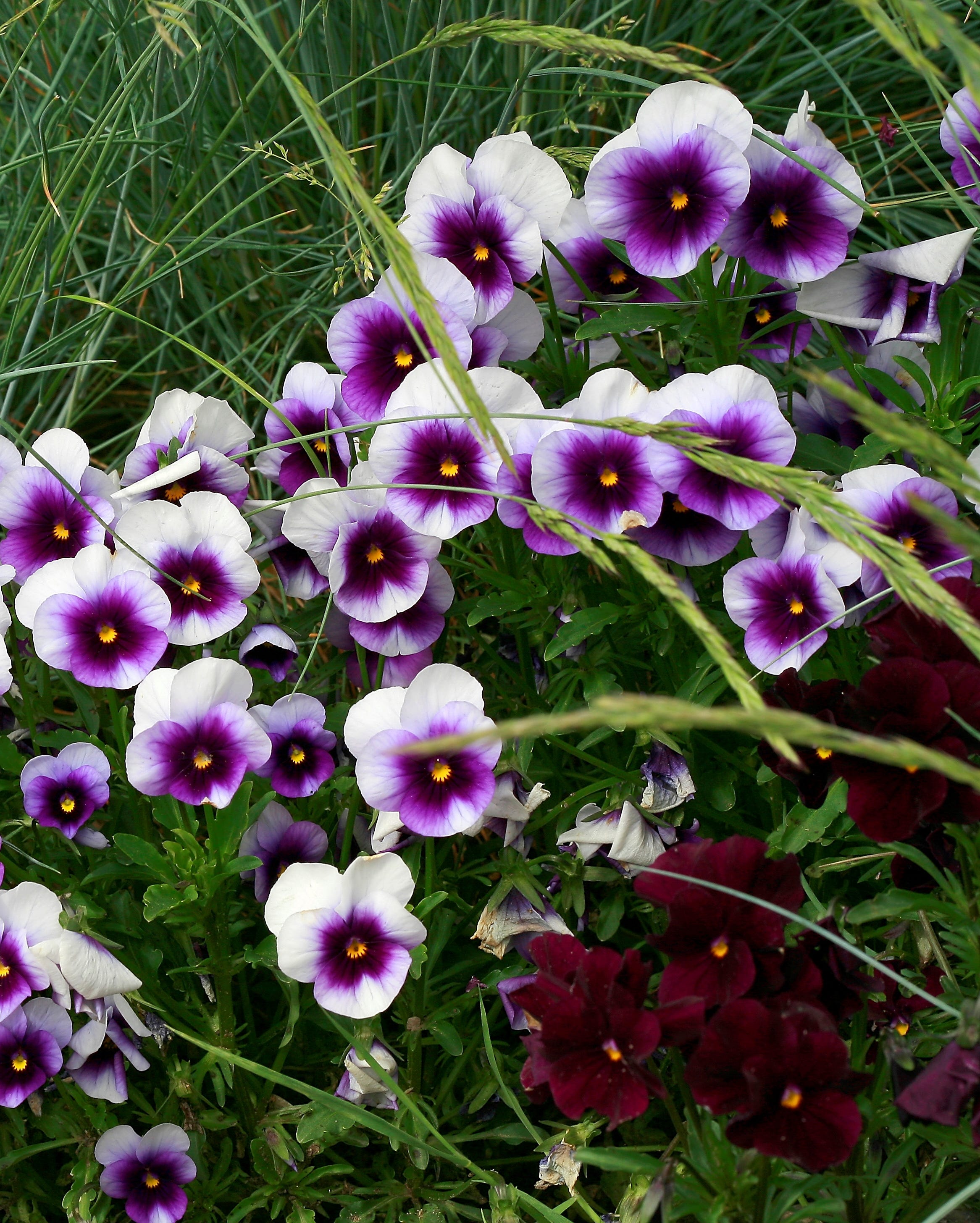 REDA//Getty Images
These spring bloomers tolerate some sun, but they prefer part to full shade, especially in the heat of summer. Some types are fragrant, too. If you like to cook, they’re also edible!
Varieties to try: Penny Purple Picotee, Johnny Jump-Up
Advertisement – Continue Reading Below
5Astilbe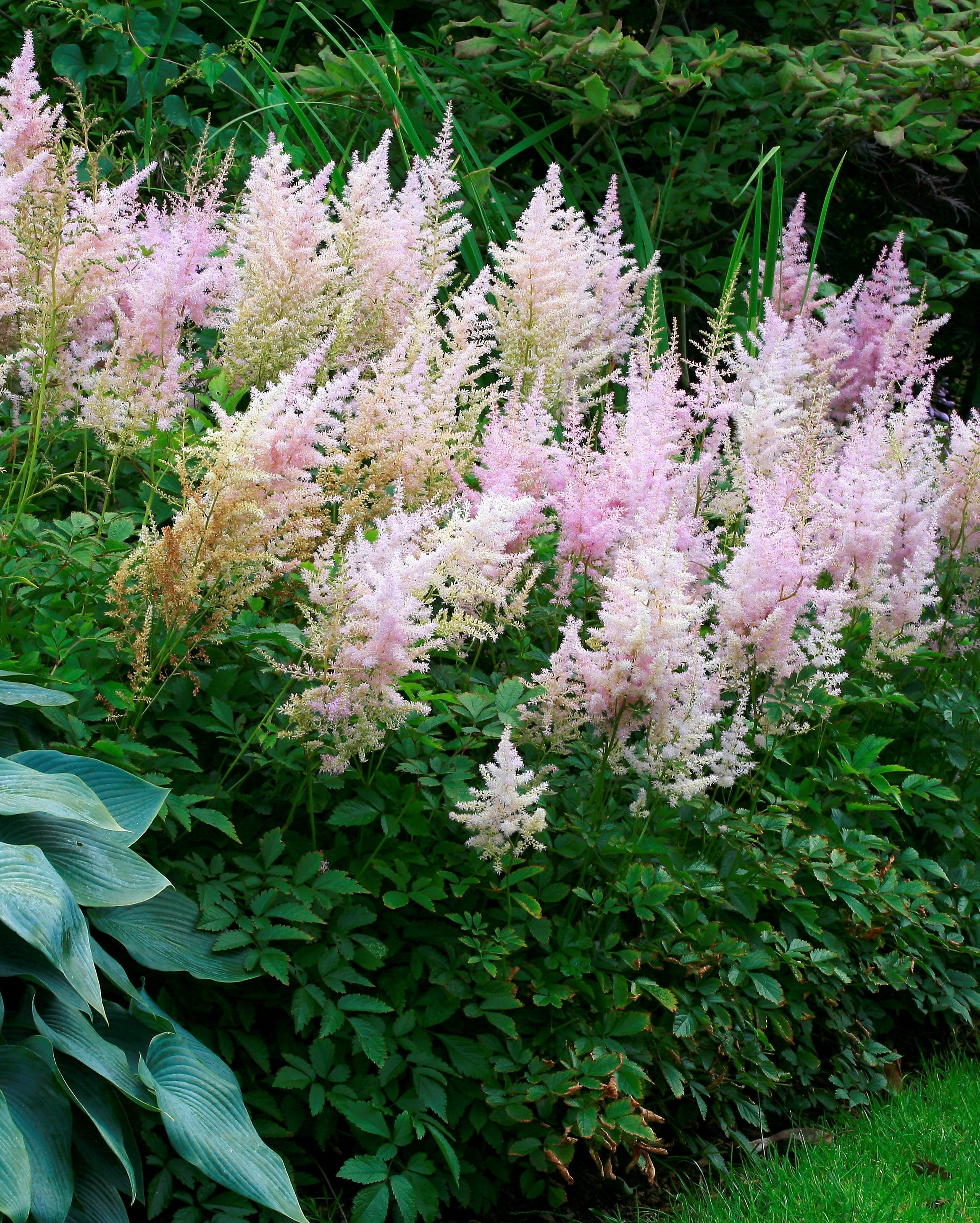 REDA//Getty Images
Lacey, toothed leaves and feathery plumes of pink, white, red, or purple flowers bloom in profusion in early to midsummer. A little morning sun helps them bloom better.
Varieties to try: Dark Side of the Moon, Milk and Honey
Related: 38 Deer-Resistant Plants Bambi Won’t Go Near
6Heuchera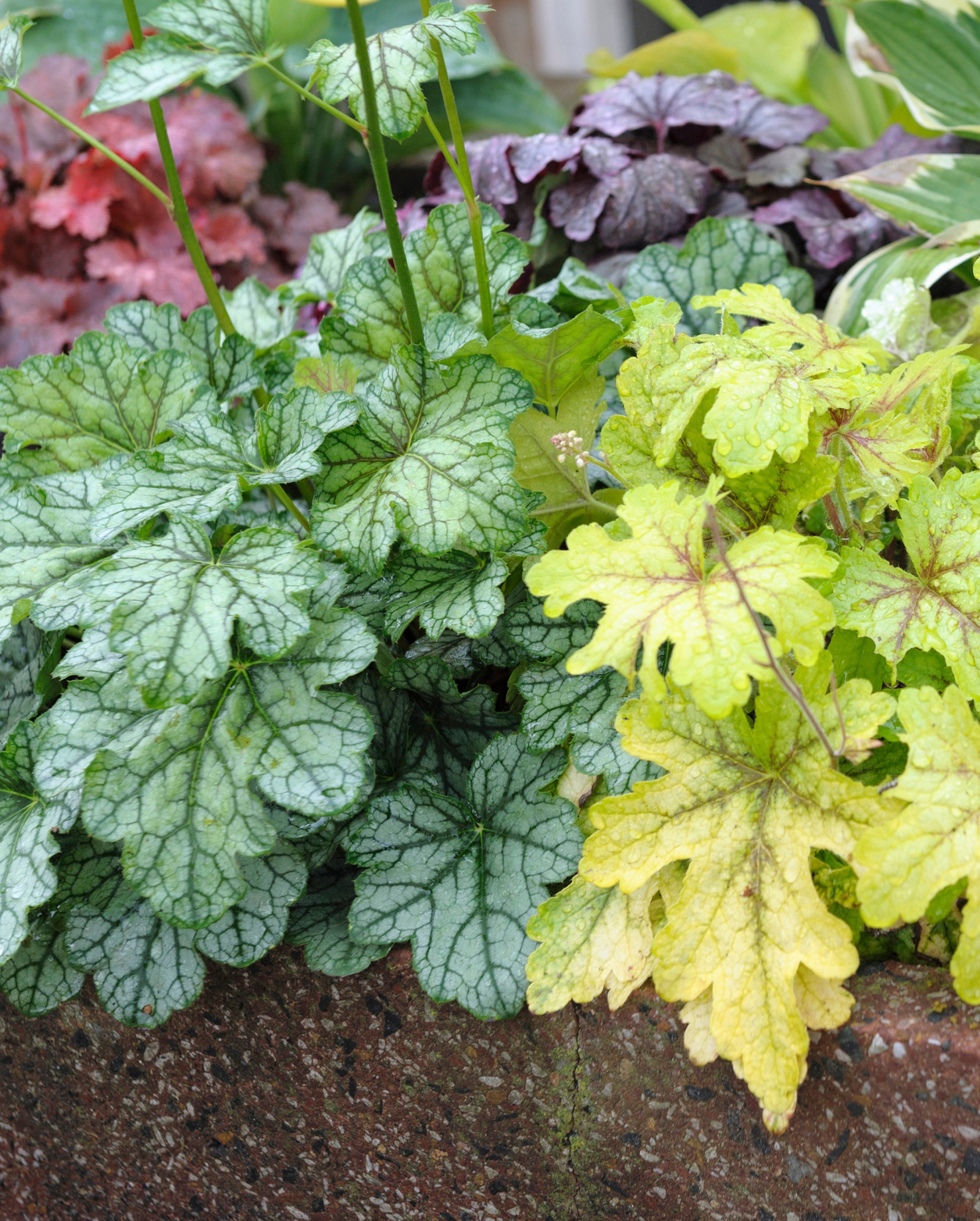 ullstein bild//Getty Images
Grown primarily for its colorful ruffled foliage, this perennial’s mounding habit shoots up small flower spikes in spring to mid-summer, which hummingbirds love!
Some varieties tolerate full sun, but many prefer shade.
Varieties to try: Dolce Appletini, Primo Pistachio
Related: 21 Flowers That Hummingbirds Adore
Advertisement – Continue Reading Below
7Fern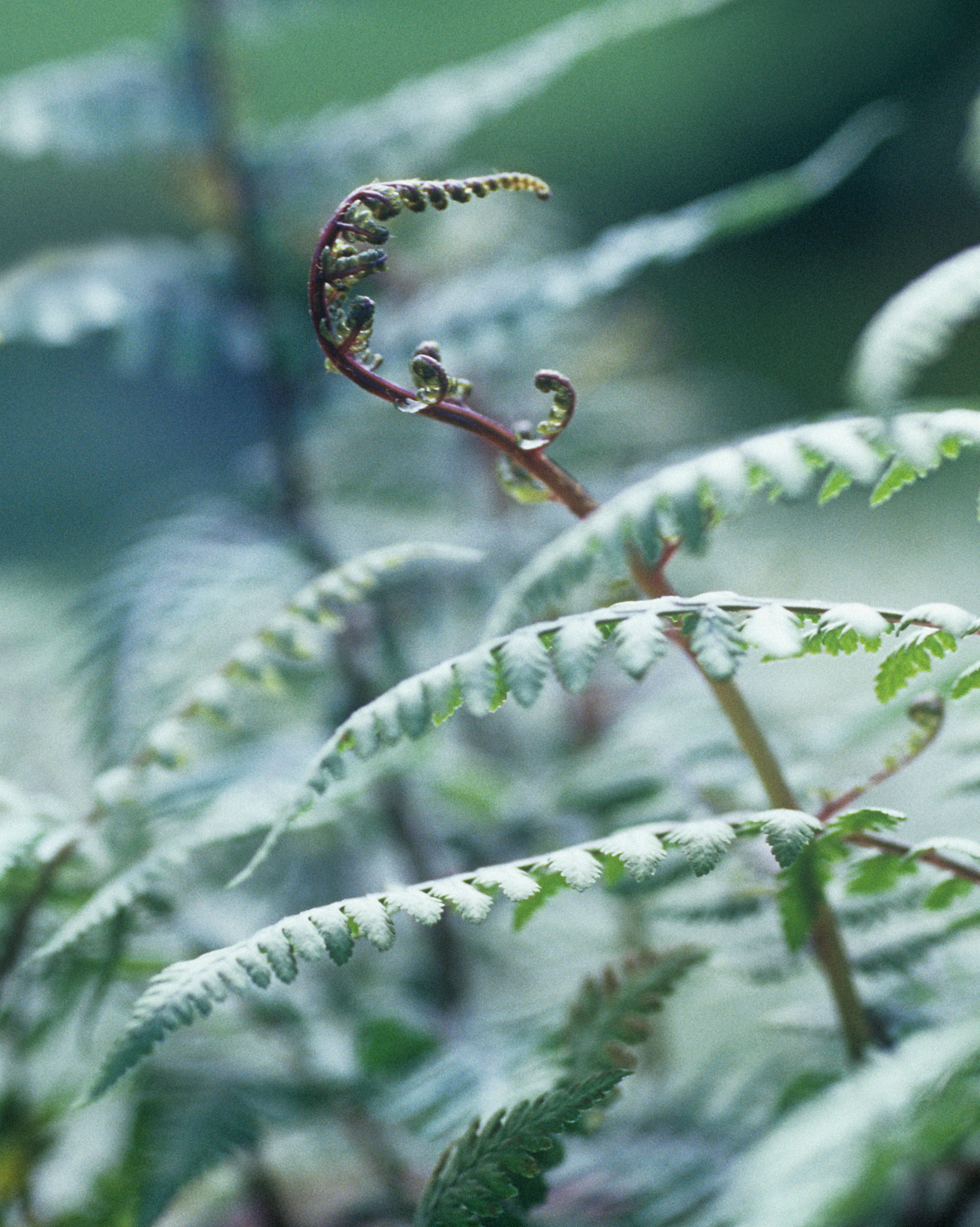 Flowerphotos//Getty Images
Frothy-looking ferns are sturdier than they appear, popping up again after even the toughest winters. They prefer moist ground but are fairly drought-tolerant once established.
Varieties to try: Autumn, Japanese Painted
8Hellebore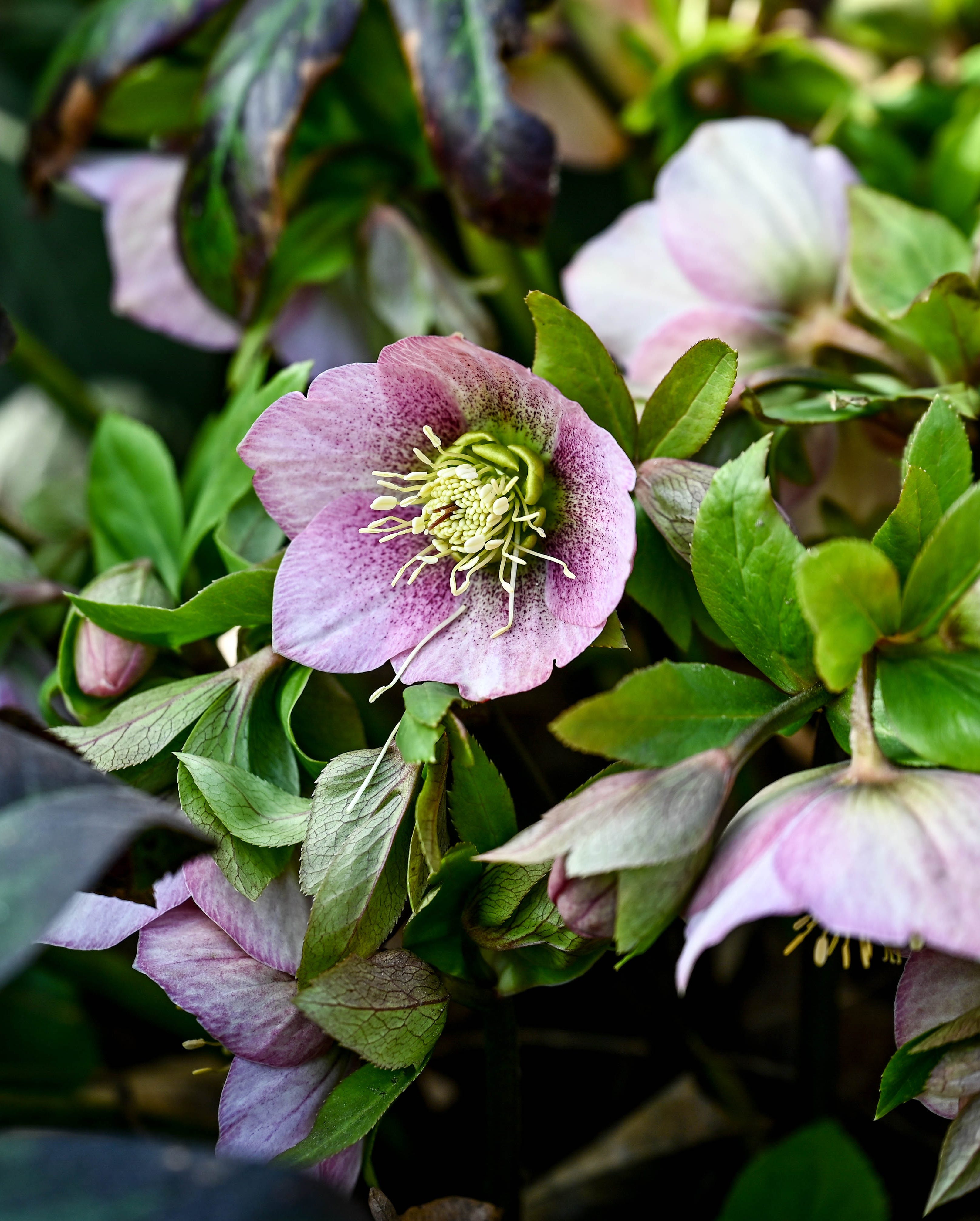 Future Publishing//Getty Images
These cold-tolerant plants produce unusual, long-lasting blooms in late winter or very early spring. Also known as Lenten rose because they bloom around the time of Lent, the foliage is evergreen.
Varieties to try: Wedding Party Confetti Cake, Wedding Party Childhood Sweetheart, Honeymoon Irish Luck
Related: How to Get the Most Blooms From Lenten Roses
Advertisement – Continue Reading Below
9Foamflower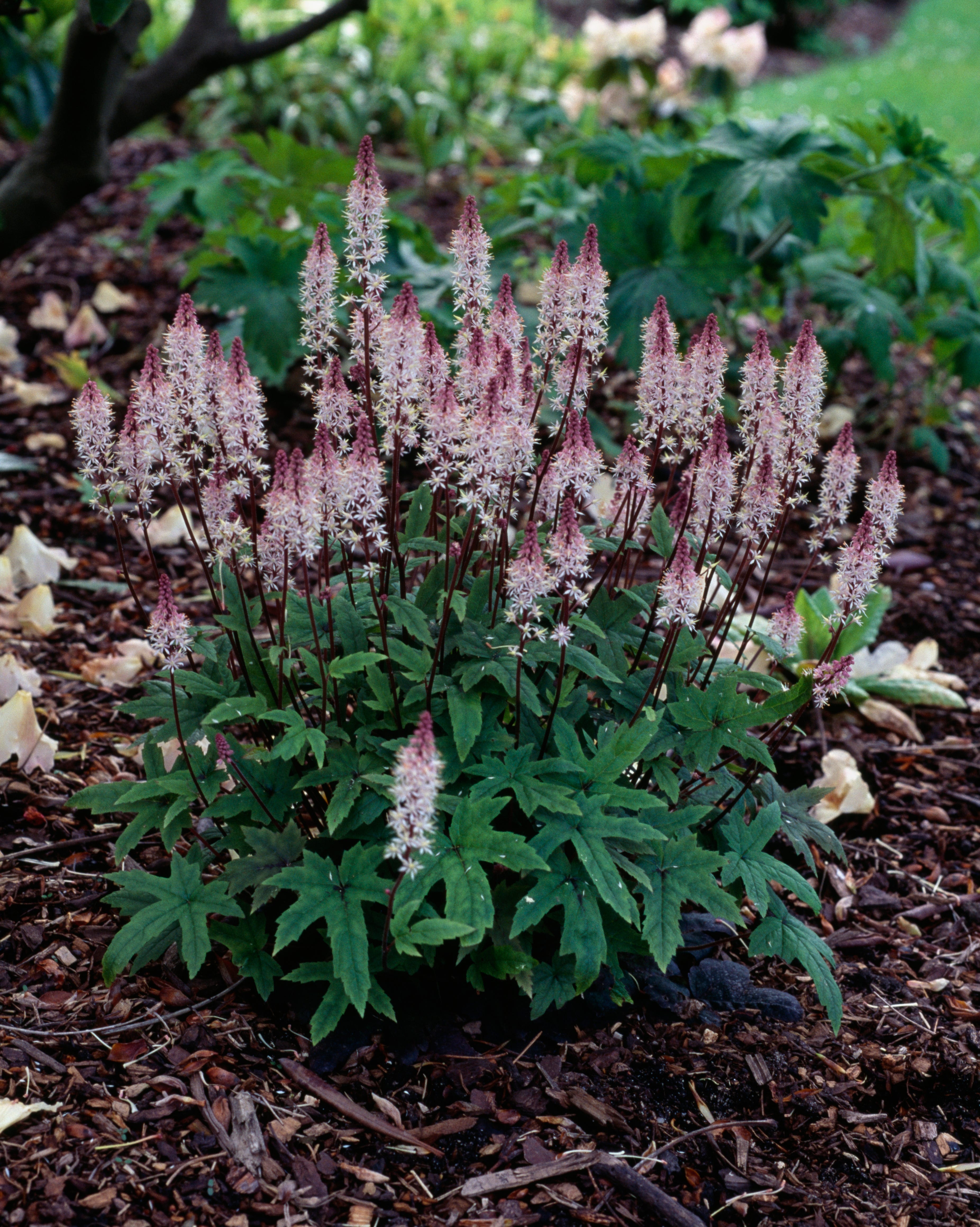 DEA / RANDOM//Getty Images
Lobed foliage with red or purple veins make this plant unique. Also known as tiarella, this plant boasts floaty little flowers that resemble foam on long stems in late spring to early summer.
Varieties to try: Cutting Edge, Jade Peacock
10Siberian Bugloss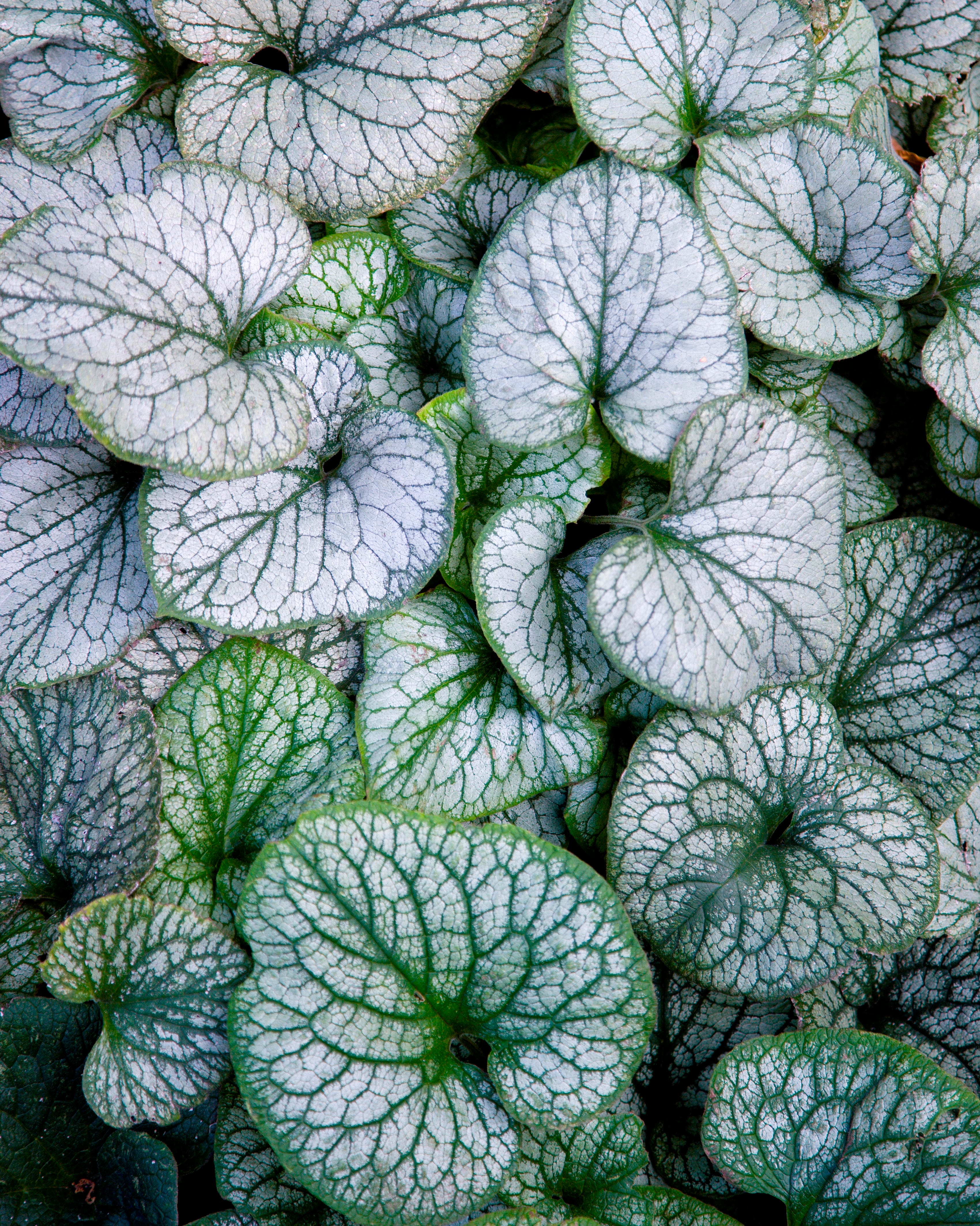 Eye Ubiquitous//Getty Images
This perennial with a funny name is grown for its striking foliage and graceful sprays of long-lasting, tiny blue flowers, which appear in spring. Also known as brunnera, it’s a hardy, low-maintenance plant.
Varieties to try: Jack Frost, Queen of Hearts
Advertisement – Continue Reading Below
11Lungwart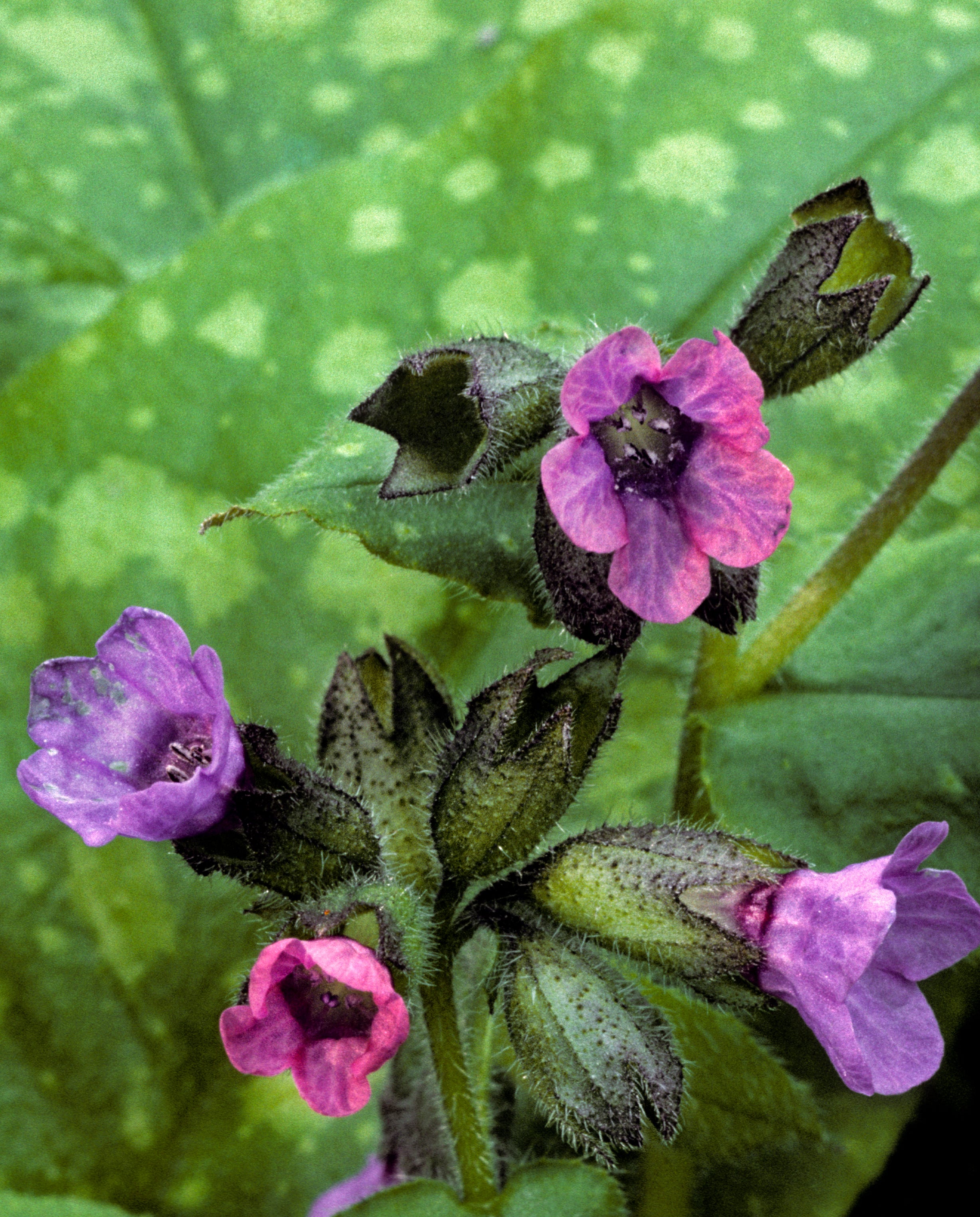 Arterra//Getty Images
This pretty ground cover blooms in early to late spring with small bell-shaped flowers and spotted foliage.
It looks best planted en masse. The un-glamorous name comes from its historic usage to treat lung ailments!
Varieties to try: Spot On, Pink-a-Blue
Related: 25 Best Ground Covers for Backyard Bald Spots
12Foxglove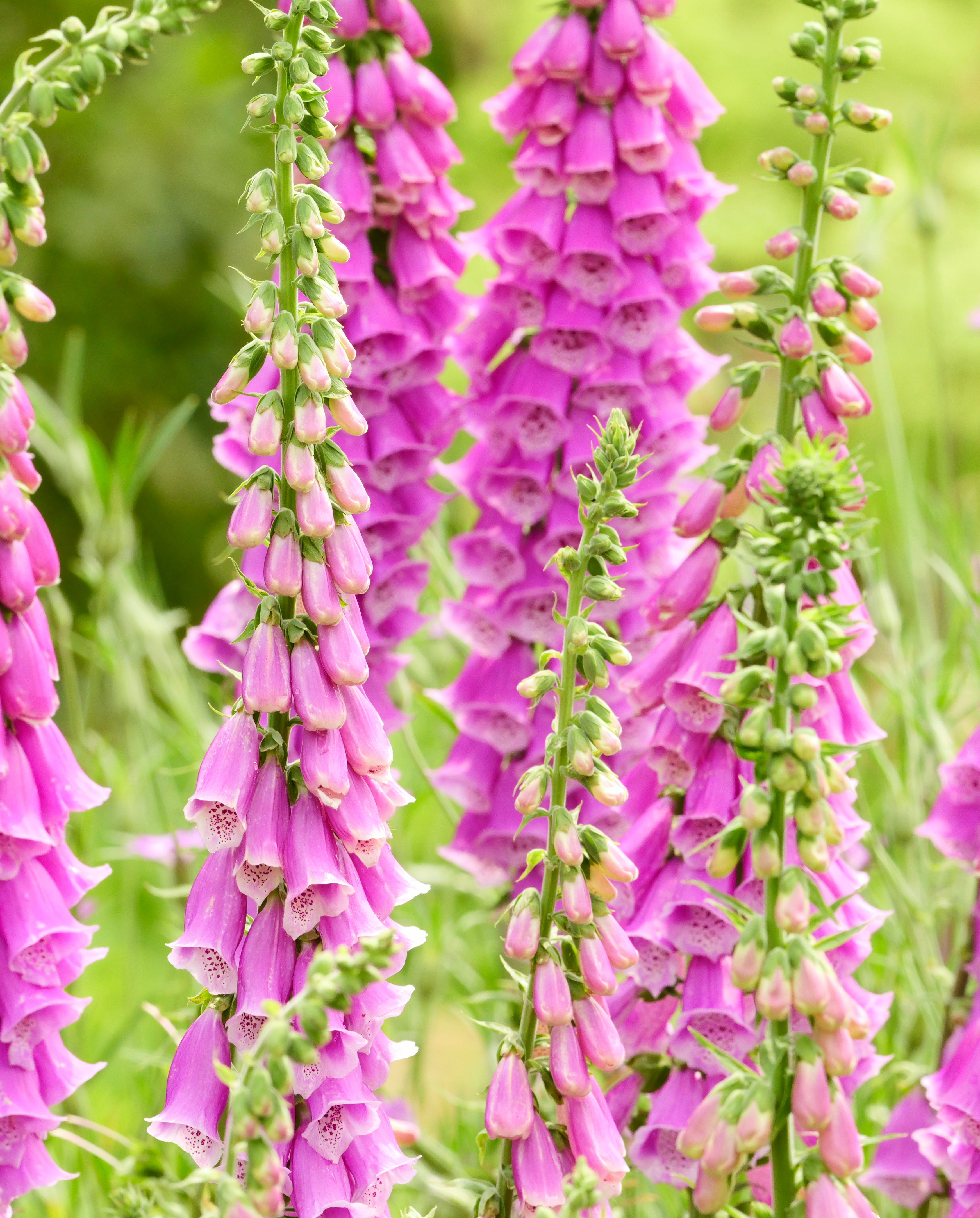 picture alliance//Getty Images
Although this perennial blooms well in full sun, it tolerates part shade, especially in hot climates. The tall spiked flowers are a standard in cottage gardens and cutting gardens.
Varieties to try: Polkadot Princess, Foxy
Advertisement – Continue Reading Below
13Trillium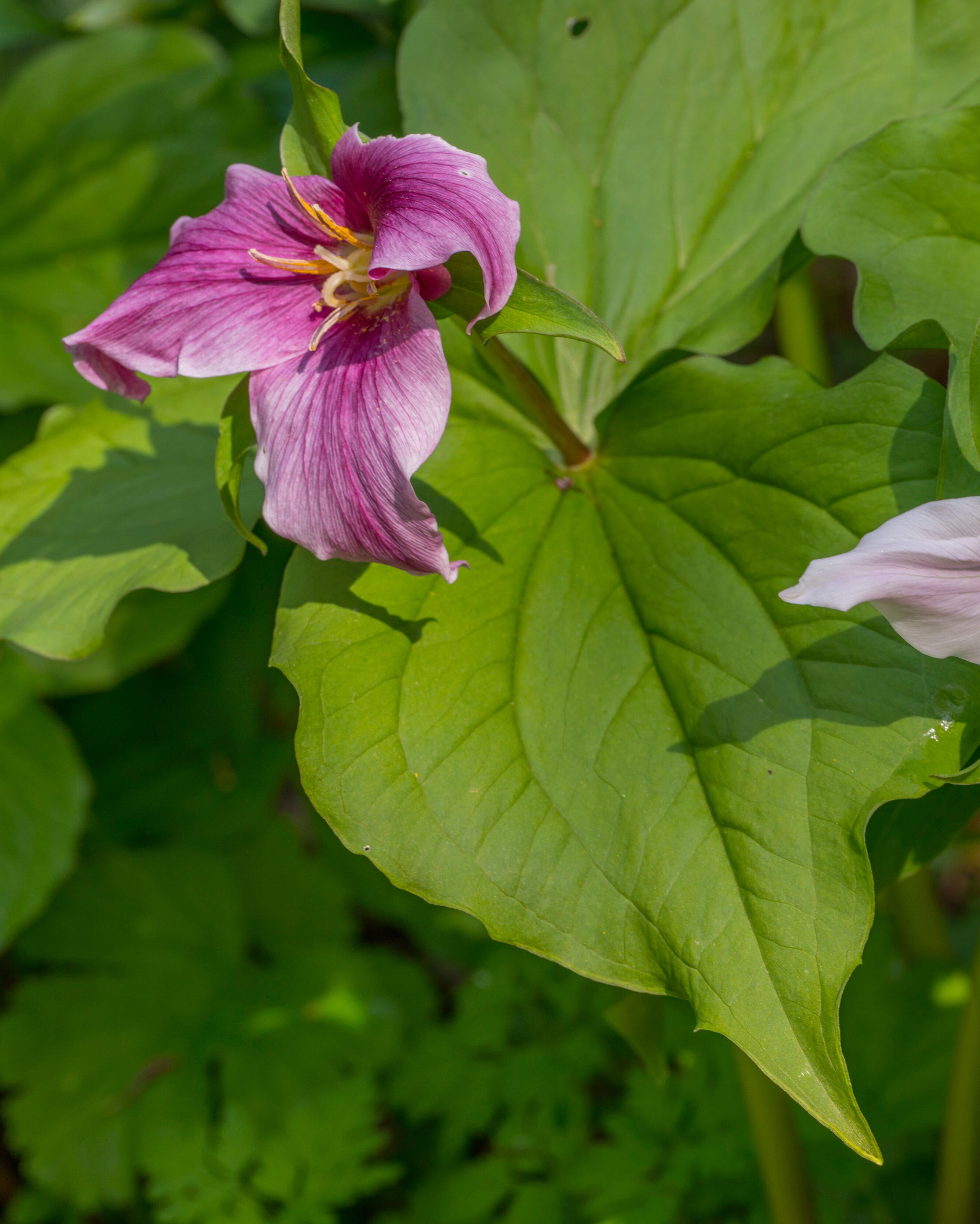 Wolfgang Kaehler//Getty Images
The triangular shape and three leaves below the blooms of this striking native flower gives the plant its name. It’s hardy, showy, and tolerates wet soil.
Varieties to try: White, Red
14Caladium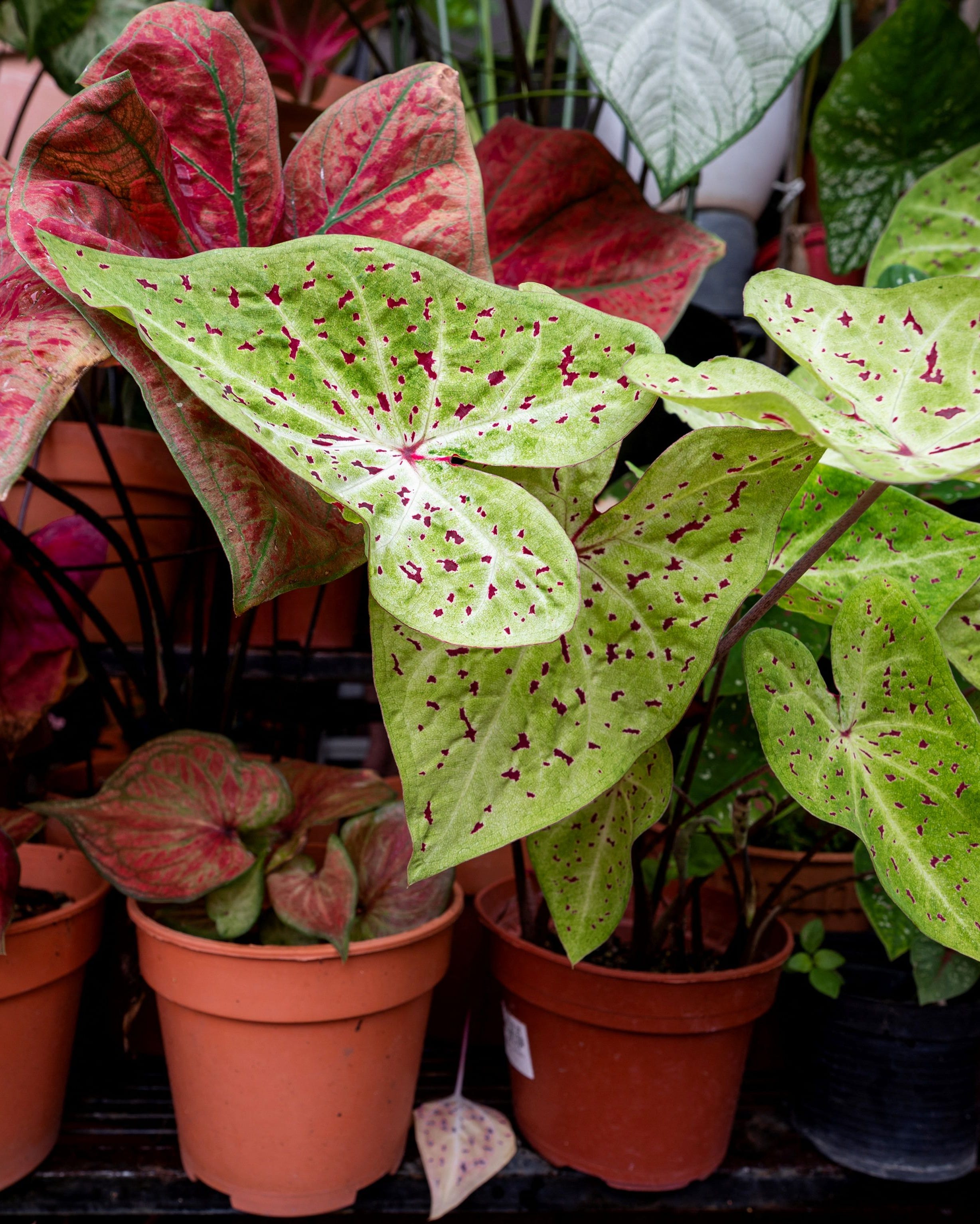 MOHD RASFAN//Getty Images
Advertisement – Continue Reading Below
15Solomon’s Seal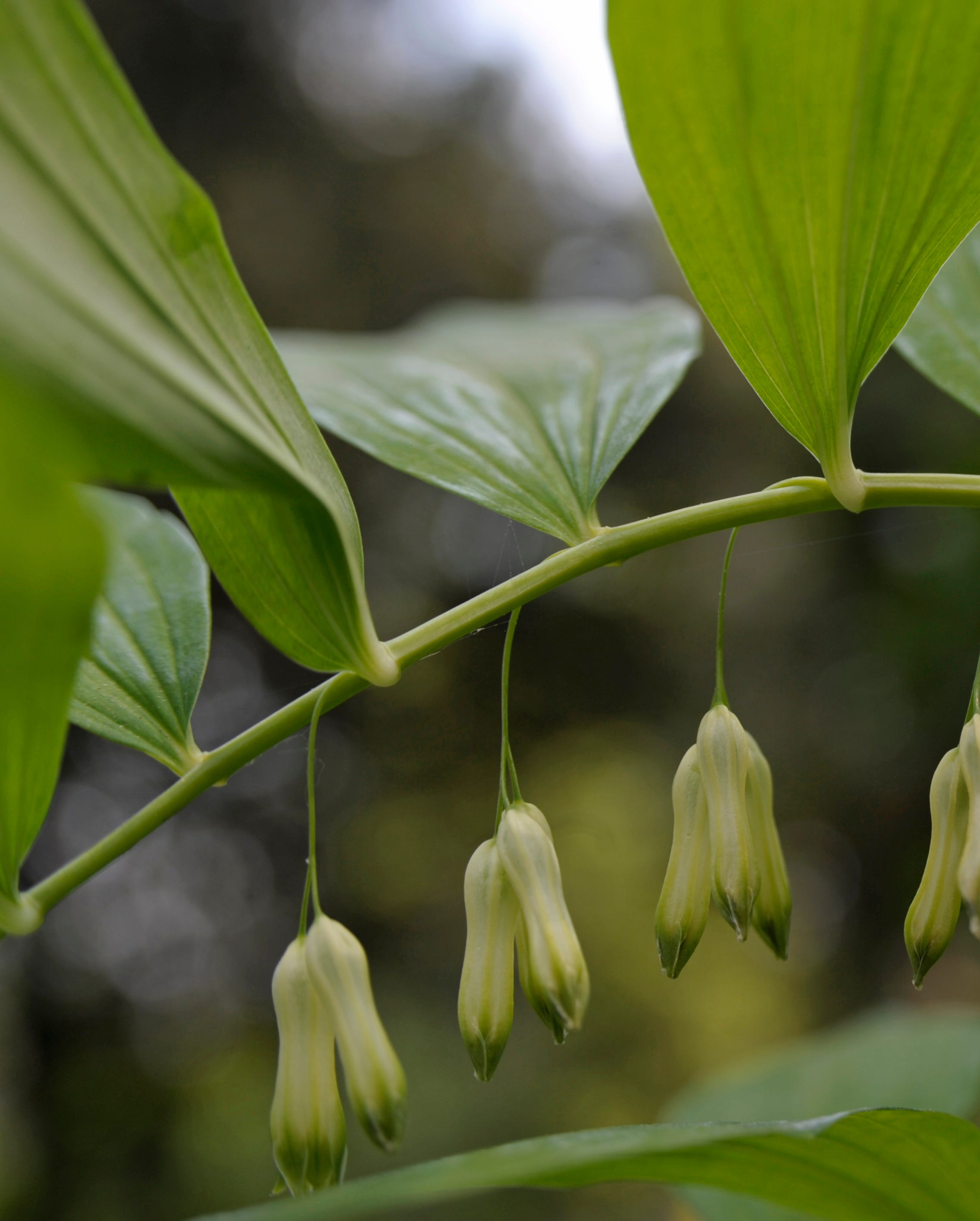 DEA / V. GIANNELLA//Getty Images
This native perennial boasts a thick blanket of deep-green leaves that grow on upright red stems. Pendulous tuber-shaped flowers dangle from the stems in late spring and become bluish berries in the fall.
Varieties to try: Ruby Slippers, Fireworks

Advertisement – Continue Reading Below
Readers Also Read
Advertisement – Continue Reading Below
Advertisement – Continue Reading Below
Comments are closed.