
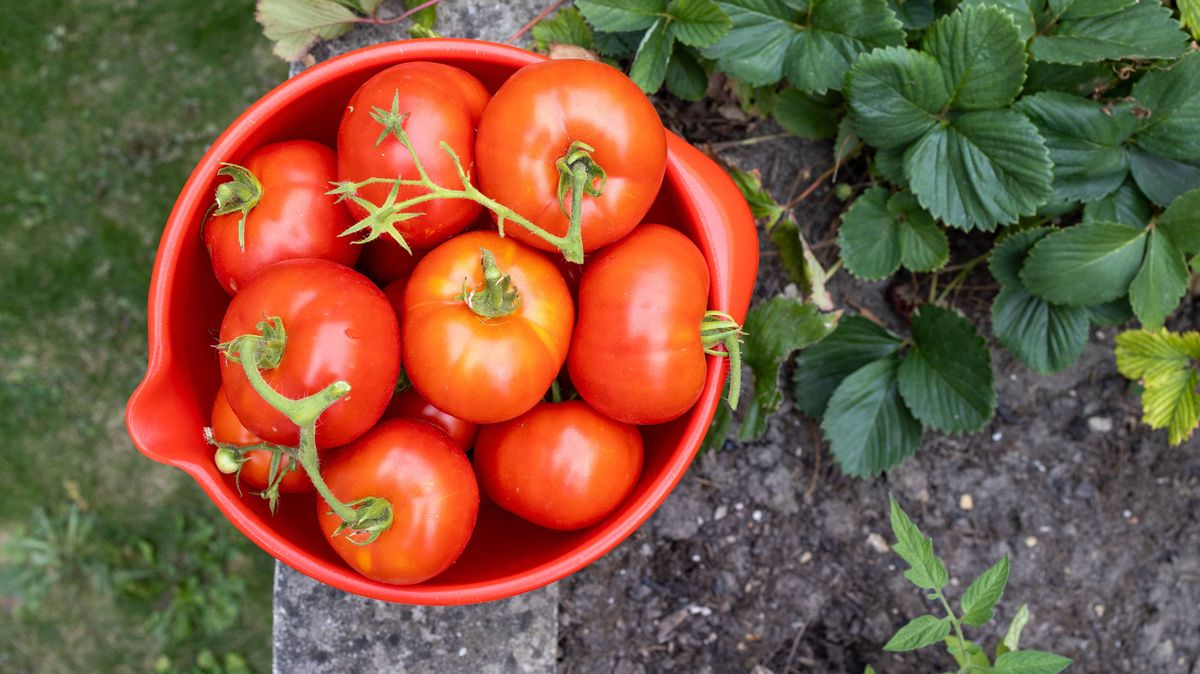
Horticulturist Jamie Walton has shared how “companion planting” can enhance the taste of your homegrown tomatoes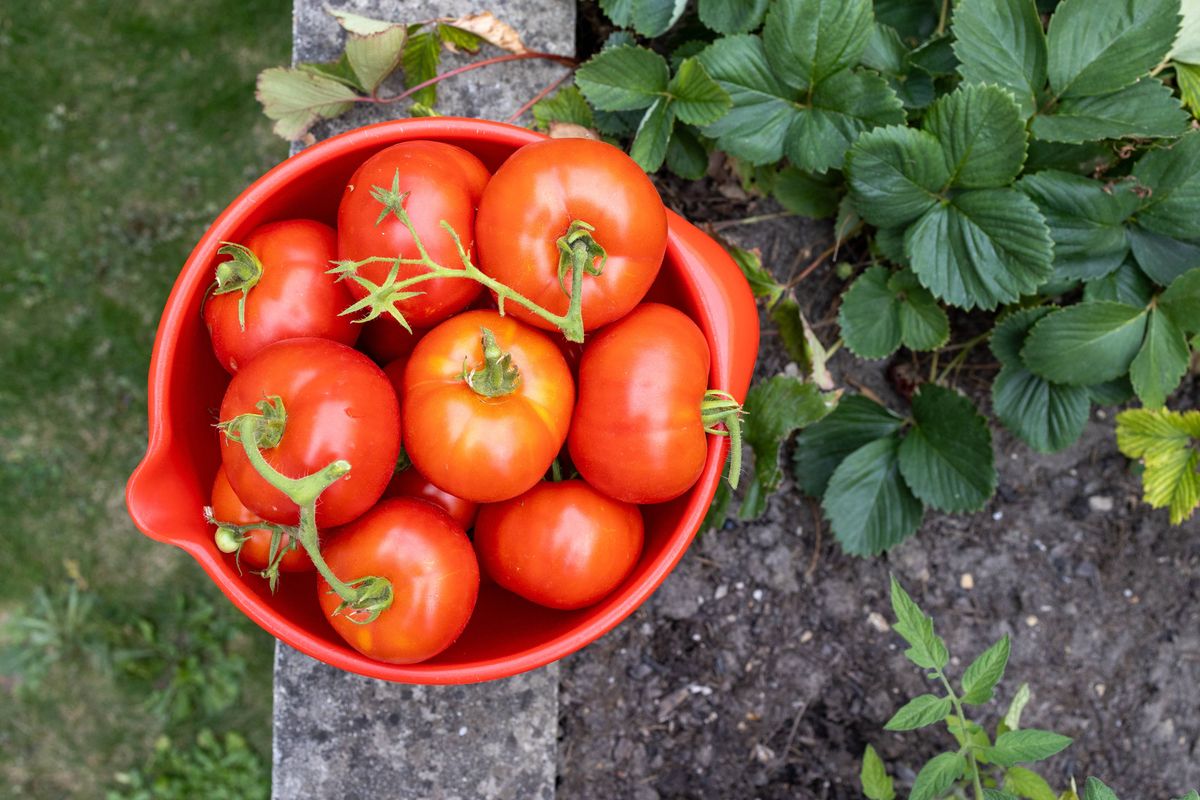
This planting trick will help your tomatoes(Image: Kate Wieser via Getty Images)
Spring presents the ideal opportunity to begin sowing tomato seeds in preparation for the months ahead. Prized for their adaptability, there’s an extensive selection of tomato varieties you can cultivate at home with ease.
Varieties range from the traditional red Rosellas through to the substantial Brandy Boy beefsteak type. The primary thing to consider before selecting which seeds to plant is how much room you’ve got available in your garden for growing tomatoes.
Tomato plants develop in two distinct forms: cordon and bush.
Cordon varieties are rapid-growing specimens that can swiftly reach heights of two metres, demanding adequate space and frequently additional support from a wooden stake to keep them upright.
Bush tomatoes prove more appropriate for confined areas and need less upkeep than their Cordon counterparts, beyond consistent watering and feeding. Due to their modest dimensions, they can even thrive in hanging baskets.
However, when positioning your tomatoes outdoors, one gardening specialist has revealed a simple trick to enhance their taste.
In footage shared on Instagram, Jamie Walton (@nettlesandpettles) demonstrated how growing tomatoes alongside a companion plant can boost their development, reports the Express.
Companion planting essentially involves positioning plants within the same bed to establish a more robust and fruitful growing environment.
Regarding tomatoes specifically, Jamie urges gardeners to cultivate one particular herb to safeguard their crops.
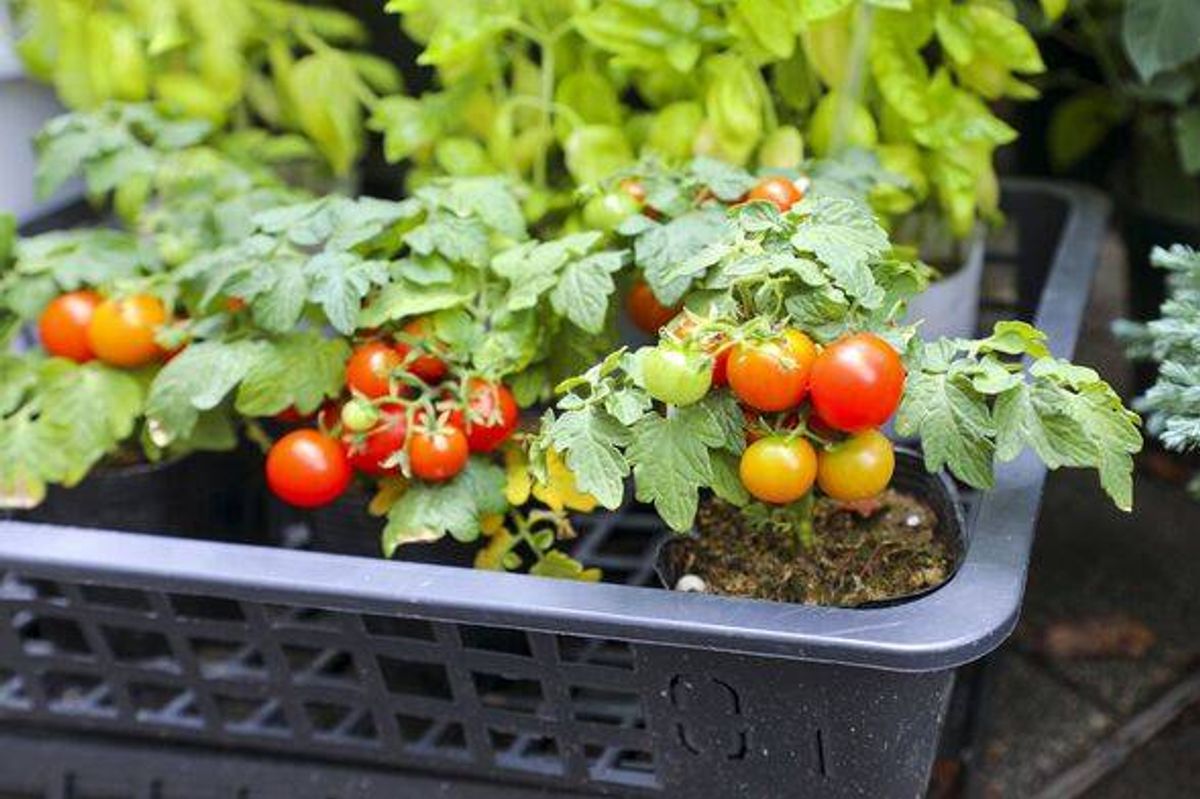
Basil is the perfect companion for growing and eating tomatoes(Image: Getty)
Frequently served alongside each other on dinner plates, basil also makes an excellent companion plant for tomatoes in the garden. In the video, Jamie said: “Basil’s strong scent can also help deter some common pests and it’s said that if you plant basil near tomatoes it can actually improve their flavour.”
The aromatic herb draws in bees, butterflies and other helpful insects that enhance growing conditions, whilst naturally keeping whiteflies and tomato hornworms at bay – two particularly destructive pests that can wreak havoc on tomato plants.
Similar to tomatoes, basil thrives in gentler conditions.
The Royal Horticultural Society suggests sowing the herb during spring for summer harvesting, advising gardeners to position it in a protected, warm and sunny location either in the ground or in pots.
Popular for adding a distinctive peppery punch to meals, it’s the ideal partner for tomatoes from soil to serving.
Comments are closed.