
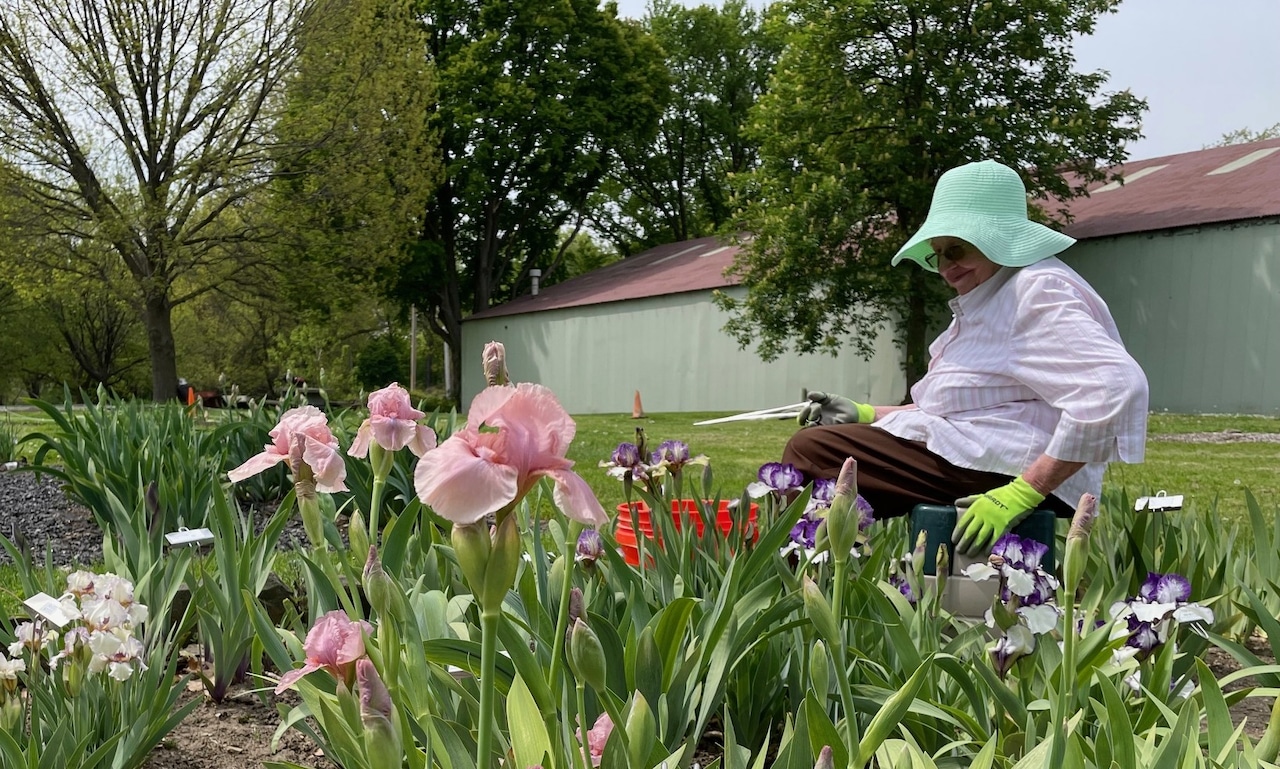
CLEVELAND, Ohio — Last week, I was leaving my house and waved at my 86-year-old neighbor Joann in her front yard. She was crouched in her glorious garden, where I assumed she was pulling the first weeds brave enough to show themselves.
She waved back, smiled weakly, and then asked if I could come help her. I hurried over, honored that perhaps she was finally going to ask me for gardening advice, instead of the other way around.
As it turned out, she was stuck. She hadn’t fallen and she wasn’t hurt; she was just completely unable to get back up from crouching. Although I’m not known for my upper body strength, I managed to help her up. She was a bit shaken but otherwise fine.
Although she is still very active, Joann is finding that she needs more than two legs to give her support sometimes. I’m noticing that bending over and straightening back up is getting harder, and I got a case of tennis elbow a couple of years ago after a summer that involved a lot of shoveling.
Other avid gardeners I know are battling long recoveries from hip and knee replacements, chemotherapy-induced weakness, and other ailments that sideline them for weeks or even months during our precious and fleeting growing season.
Yet few things are as healing as planting something, watching it grow, and perhaps even savoring the fruit (or vegetable) of your labor.
As we age, the physical demands of gardening, like kneeling, crouching, carrying, and bending, take more of a toll and can even be dangerous. However, a concept called Universal Design offers a framework for making gardens more accessible, and a program called Ohio AgrAbility at The Ohio State University Extension has free resources and advice.
According to Laura Akgerman, Disability Services Coordinator for Ohio AgrAbility, Universal Design is about creating environments “usable by all people, to the greatest extent possible, without need for adaptation or specialization.” That means rethinking the garden so it works with your body, not against it.
Read all of Susan Brownstein’s columns here.
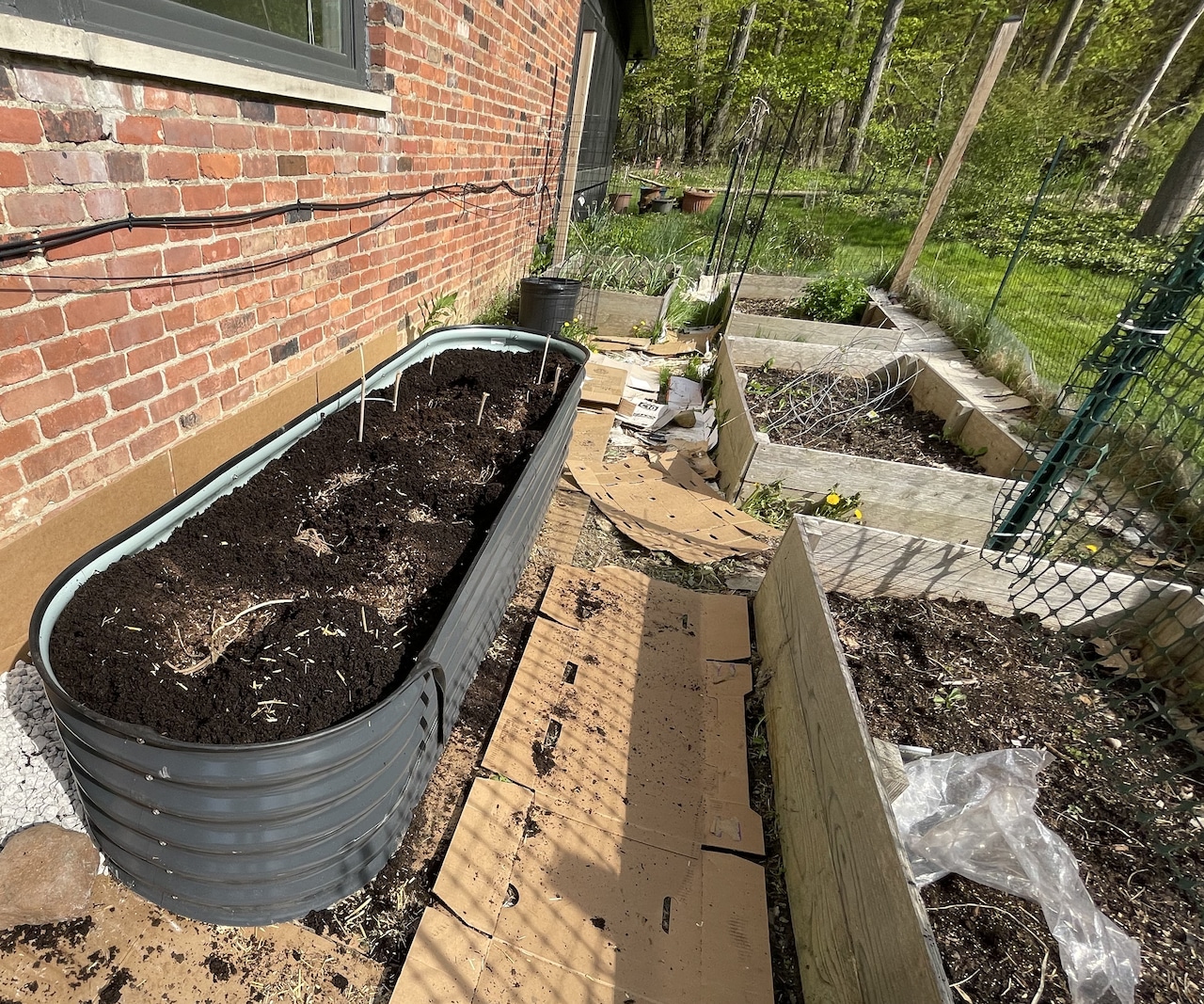 Typical raised beds, like those on the right, are 12 to 16 inches tall. Kits are available to make raised beds even taller, like the 18 inch bed on the left, and beyond.Susan Brownstein
The single most effective change for older gardeners is raising their garden beds—or as my yoga teacher would say, bringing the ground closer to your arms. A raised bed that is tall enough to work at while seated or standing eliminates the crouching that temporarily stranded my neighbor.
And while March and April can be agony for any gardener in Northeast Ohio—the warmer weather and longer days are alluring, but the soil is still too cold and wet to work—now is the perfect time to do some planning instead of planting.
Now is a great time to build or purchase raised bed frames before the growing season starts. Lumber, galvanized metal kits, and even repurposed materials all work well. Many raised beds are 12 inches tall, but the best setup is a waist-level bed that lets you tend plants without kneeling or bending past comfort. Window boxes, trellises, buckets, and containers are other accessible ways to get a gardening fix.
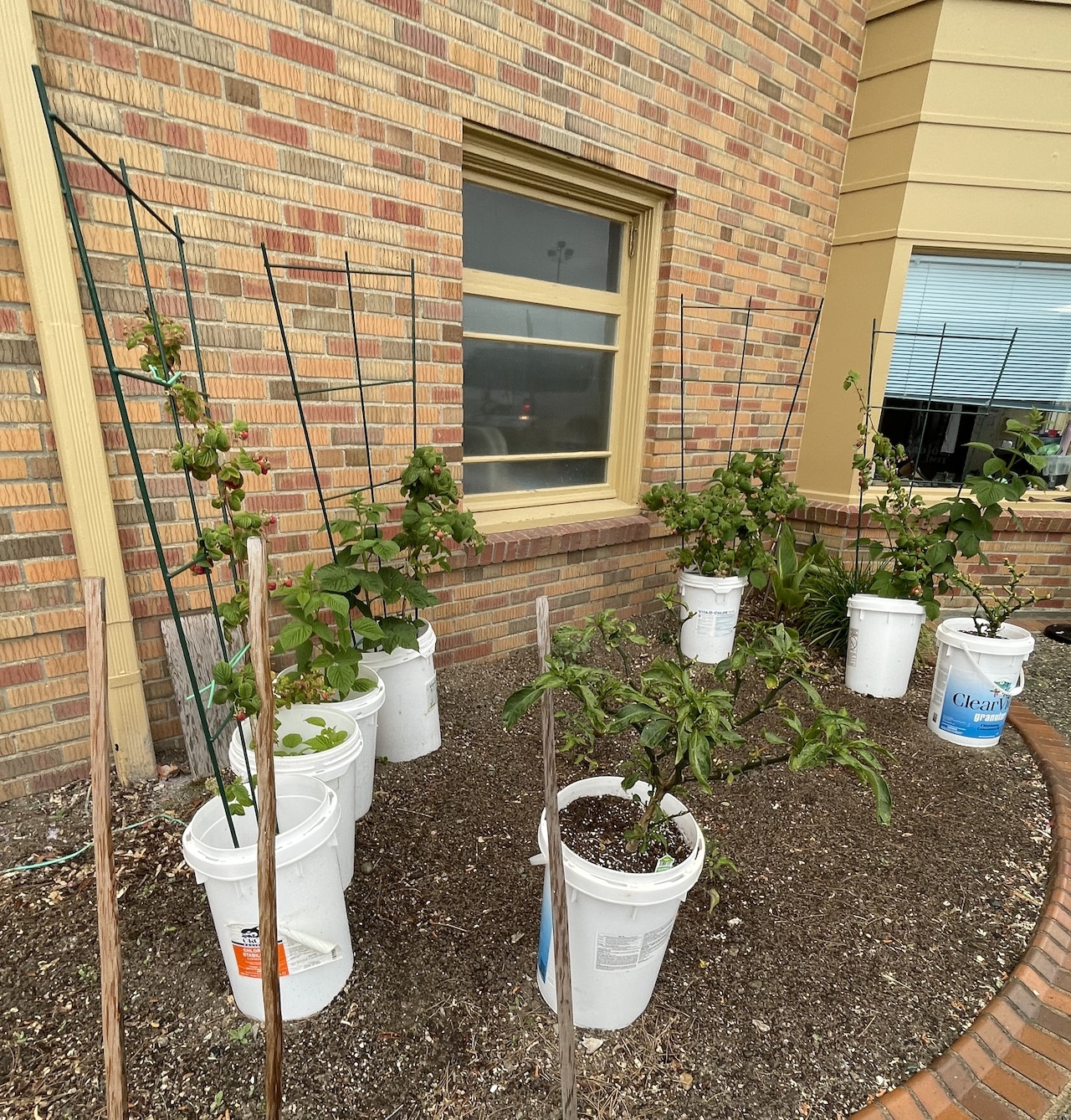 Plastic buckets (with drainage holes drilled in the bottom) help make gardening more portable and higher up from the ground.Susan Brownstein
Akgerman also recommends paying attention to your paths. Garden walkways should be at least 30 inches, which is wide enough to accommodate a cart, wagon, or mobility device, and should be kept clear of hoses and equipment. Her advice also addresses visual impairment; she highly recommends smooth, firm surfaces that contrast in color from the garden beds. Color differences and edging help define where to walk and reduce the risk of stepping into a planting area accidentally.
Storage is another way to make gardening more accessible. For example, a storage bench in the garden means you’re not hauling tools back and forth every time you step outside, and it also gives you a place to rest. My neighbor Joann often talks about how taking frequent breaks has helped her continue to garden well into her 80s, even during the heat of summer. (Bring a water bottle with you!)
Equally important is planning ahead for watering, because water is both heavy and essential. Lay out soaker hoses ahead of planting, as soon as the risk of freezing is past. Test out the system ahead of time and replace any washers or other components that are causing leaks.
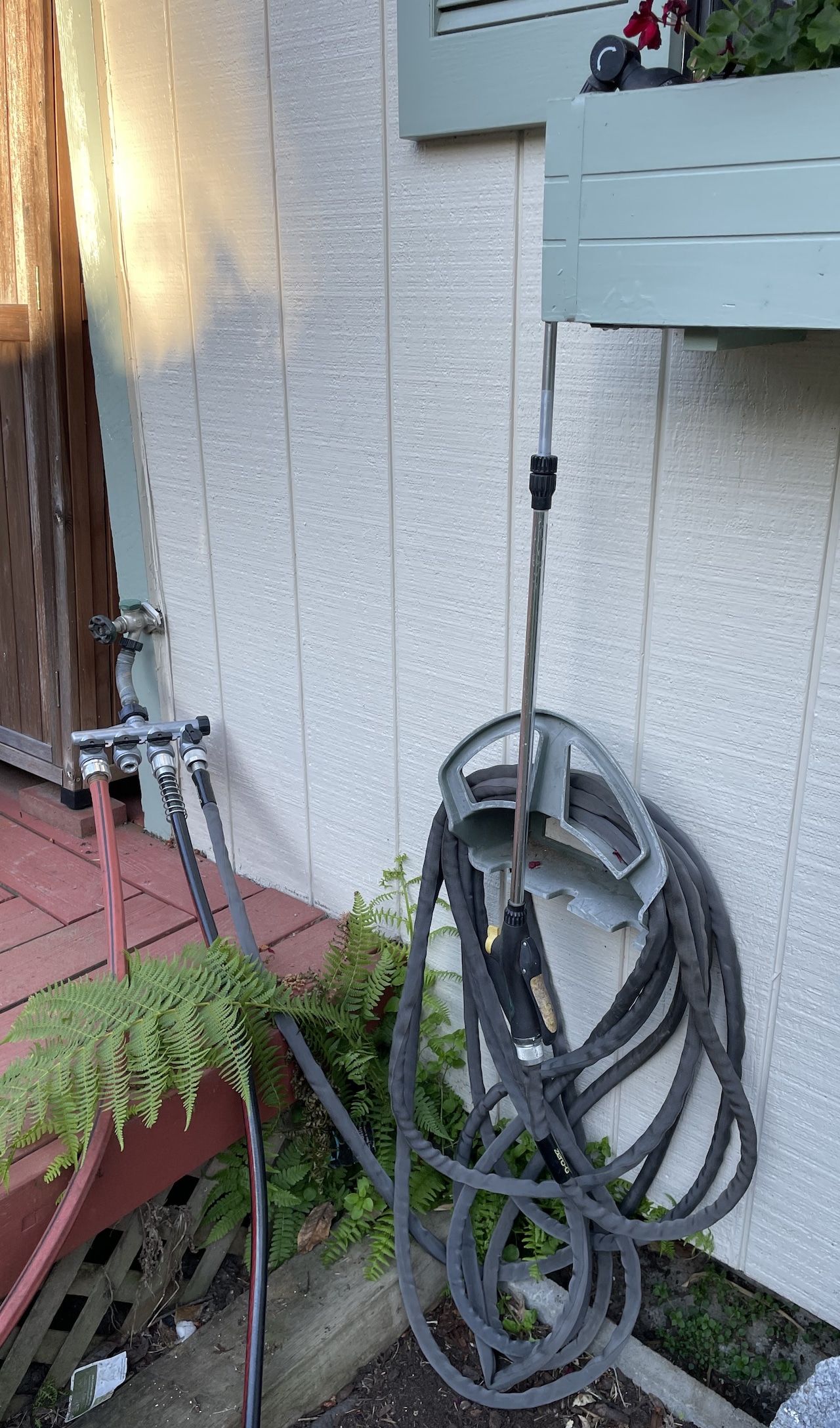 The new style of expandable hoses are much lighter and kink much less than their traditional counterparts. Long watering wands help make watering more accurate with fewer steps.Susan Brownstein
I switched to the new style of lightweight, expandable hoses, which save a lot of effort and seem to be holding up well after four growing seasons. They are also much less prone to kinking than traditional plastic and rubber hoses, and their lighter weight means that they are less likely to unintentionally destroy a plant when dragging the hose across garden beds.
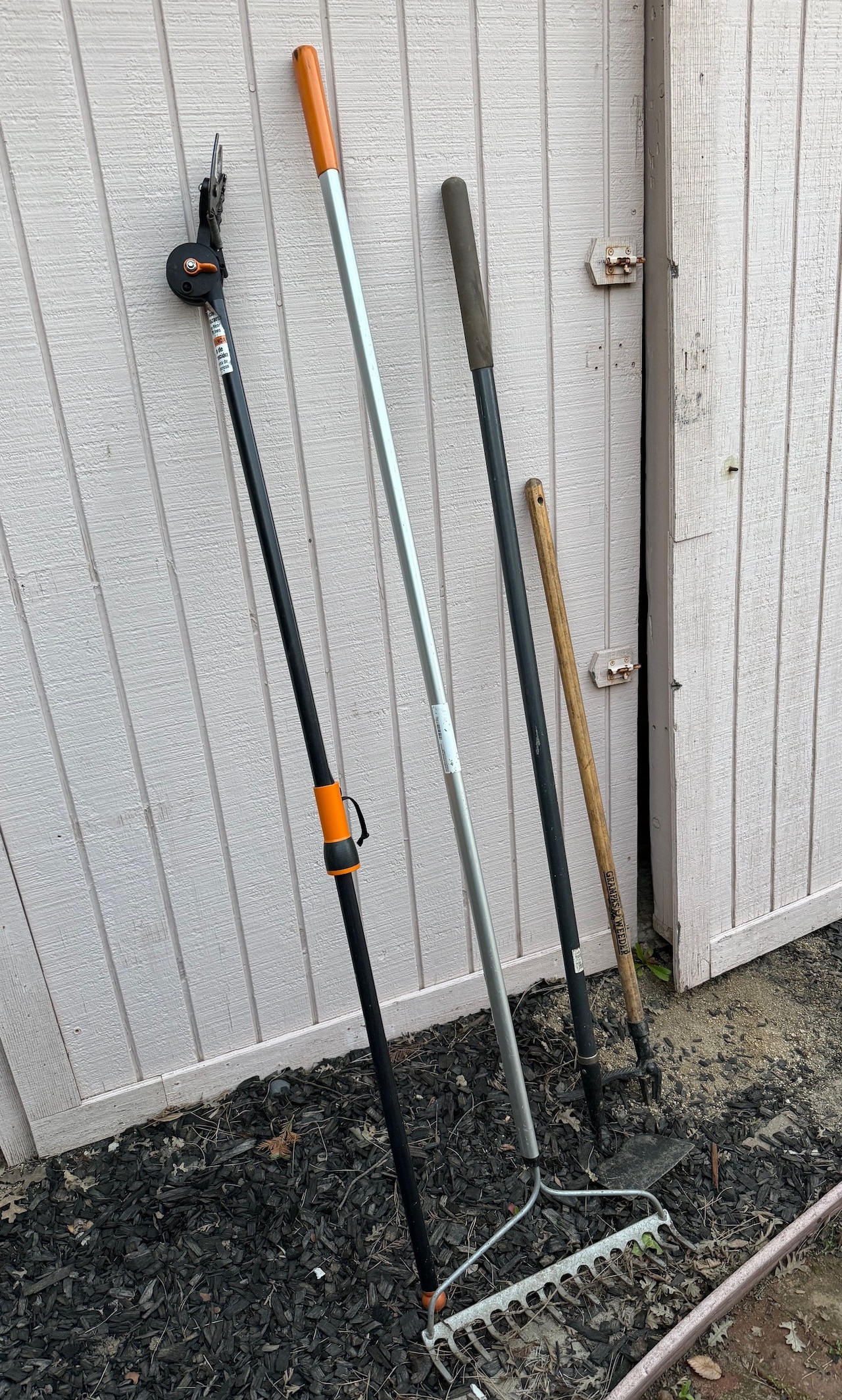 Tools with long, high-strength aluminum handles instead of heavy wood can make repetitive gardening tasks much less fatiguing.Susan Brownstein
Ergonomic garden tools are another way to reduce effort on an aging body, with features like high-strength aluminum, extendable handles, and comfortable grips helping to reduce fatigue. If gardening on the ground is necessary, a sturdy stool or comfortable kneeling pad can reduce the need for bending, and specialized garden scooters and kneelers with handles provide even more support. If you haven’t done so already, this is also a good time to sharpen your tools so you are getting the most out of every cut and scoop.
Ohio AgrAbility offers these tips and more in several fact sheets on farming and gardening with physical limitations at https://agrability.osu.edu/resources/factsheets. Of course, talk with a healthcare professional before making any big changes in your physical activity, and listen to your body, especially any pain.
As for Joann, she is back in the garden whenever weather permits, but she keeps her walking sticks close by and her fall alert active on her smart watch. A little planning and the right tools and setup won’t make us young again, but they might help us keep doing the things that make life feel worth living.
2026 Community Plant Sale Guide: The 2026 Cleveland.com community plant sale guide is ready for your submissions! If you would like to include your nonprofit organization’s spring plant sale, complete the form available at https://forms.gle/LrcsZrHj31VGS2e18 by April 18, 2026. If you have technical difficulties or questions, email me at sbrownstein216@gmail.com.
Comments are closed.