
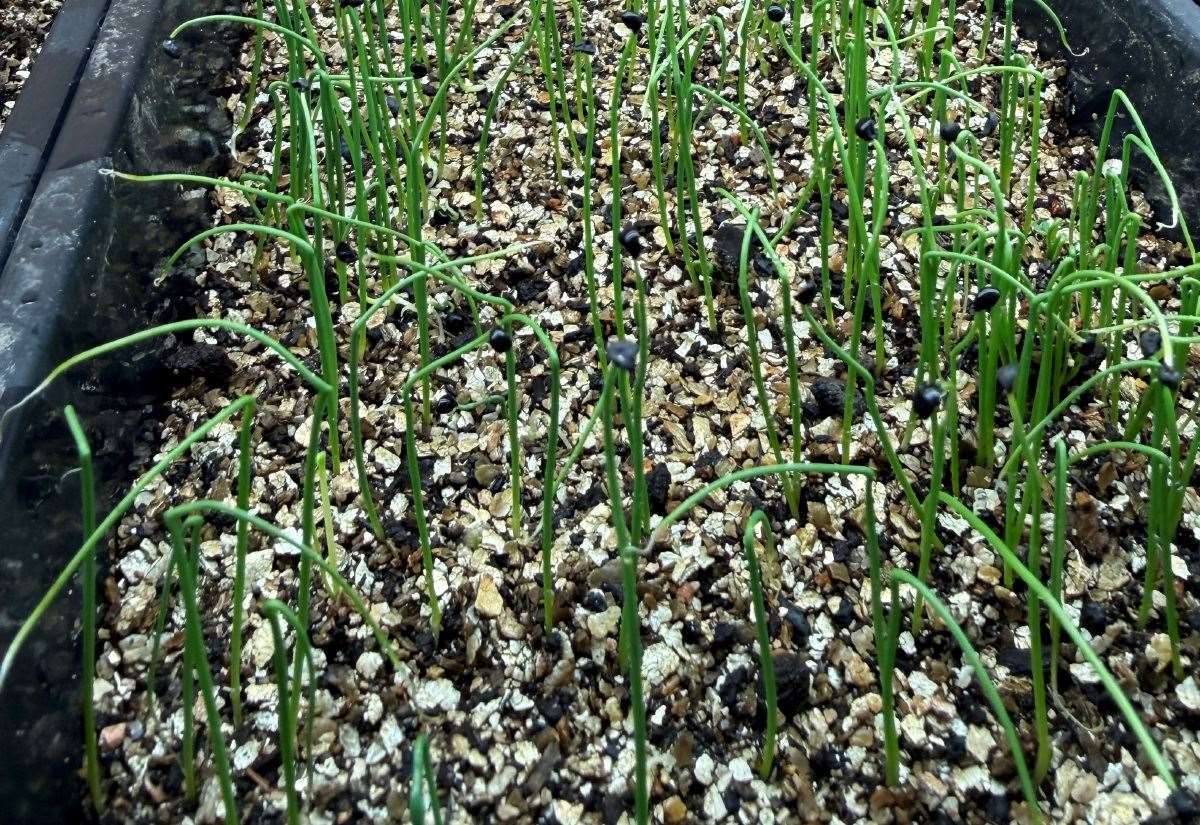
What to grow and how to start? Gayton gardener Jamie Marsh looks at the best veg for your pots…
I wanted to start by mentioning an email I received from Sheila. She told me about how sometimes she struggles to bend to ground level, so she grows lots of veg in large pots and containers. Straight away, before even being raised up, they are already at least a foot higher.
Just think what a difference it would make if you then placed that pot onto an upturned bucket or old milk crate. Instant raised bed.
 What to grow and how to grow it? Jamie explains how to start
Sheila also mentioned a sceptical friend who thought what’s the point in growing veg when it’s so cheap to buy. But when he tried one of her carrots he was a changed person. There really is a huge taste difference, and that’s one of the main reasons I’m writing this series on how to grow your own.
I’ve talked about positioning your new growing area for maximum sunlight. We’ve looked at beds or buckets. Are you going to go the whole hog and make raised beds, or like Sheila grow in pots and containers? Then there was the question of what to put in your beds, compost or soil. Now I think it’s time we started to think about what veg we’re actually going to grow.
Last week I mentioned growing things you love to eat, or maybe veg that’s expensive to buy, but how do we actually go about it?
One of the first things to understand is that some vegetables are perfectly happy with a bit of cold, while others absolutely hate it. Things like peas, broad beans, onions and many leafy crops are quite frost hardy and can cope with chilly spring weather, while others like tomatoes, courgettes and beans need warmth and won’t tolerate frost.
That means what we sow and when we sow it makes a big difference. At this time of year there are already plenty of things you can start. Peas, broad beans, onions, lettuce and spinach are all quite happy getting going while the weather is still a bit cool.
The next question is what to sow them into. You don’t need anything fancy. Seeds can be started in trays, small pots or module trays. A module tray is simply a tray made up of lots of little one inch square sections so each plant has its own little space to grow.
You can also reuse all sorts of things from the kitchen. Plastic takeaway containers, butter tubs and yoghurt pots all work perfectly well as long as you put a few holes in the bottom for drainage.
If you sow into a tray you normally sprinkle the seeds across the surface and let them grow together for a while. Once they get a bit bigger, gently lift them out and move them into their own pots or modules. That process is called pricking out.
I’ll be honest though, I haven’t really got the patience for lots of pricking out, so most of the time I try to sow straight into modules. Each seed gets its own little plug of compost and when it’s ready you can simply pop the whole thing out and plant it straight into the bed without disturbing the roots. For plants that really hate having their roots disturbed, things like beans and sweet peas, you can even use something as simple as toilet roll tubes.
Fill them with compost, sow the seed in the top, and when it’s time to plant them out you can put the whole tube straight into the ground where it will slowly break down.
Another thing always worth doing is reading the seed packet. It might sound obvious, but the packet usually tells you everything you need to know. It will say when to sow, how deep to sow the seed, and whether it prefers warmth or can cope with cooler conditions.
Some seeds like a bit of heat to get going. Tomatoes for example will usually need to be started somewhere warm, perhaps on a windowsill or in a greenhouse, while others like peas and broad beans are much tougher and quite happy germinating in cooler conditions.
One thing that really matters is keeping the compost moist while the seeds are germinating. This is the stage where the tiny root first emerges from the seed, and if the compost dries out at that moment there’s no coming back from it.
To help with this you can cover trays or pots with a clear plastic bag or a propagator lid, which helps hold the moisture in and creates a warm little environment for the seeds.
Broad beans are a great one to start with. They’re hardy, fast growing and easy to grow, and can go outside quite early in the year. In fact they’re one of the most forgiving vegetables you can grow, which makes them perfect for beginners. Once they’ve grown into sturdy little plants you can plant them out into the bed and they’ll happily carry on growing.
Once you start sowing seeds it’s surprising how quickly things begin to move. One minute you’re tipping tiny seeds into trays and the next you’ve got little green shoots appearing everywhere.
I bet, like me, you’ll be wandering backwards and forwards checking them again and again to see if they’ve germinated yet, probably lifting the lid or peeking under the plastic bag every five minutes just in case something has appeared. It’s one of the most satisfying parts of growing your own.
Next week I’ll talk about what happens once those seedlings start to grow and how to get them planted out into the garden.
Email your questions to me at: jamieslittleallotment@gmail.com
Comments are closed.