
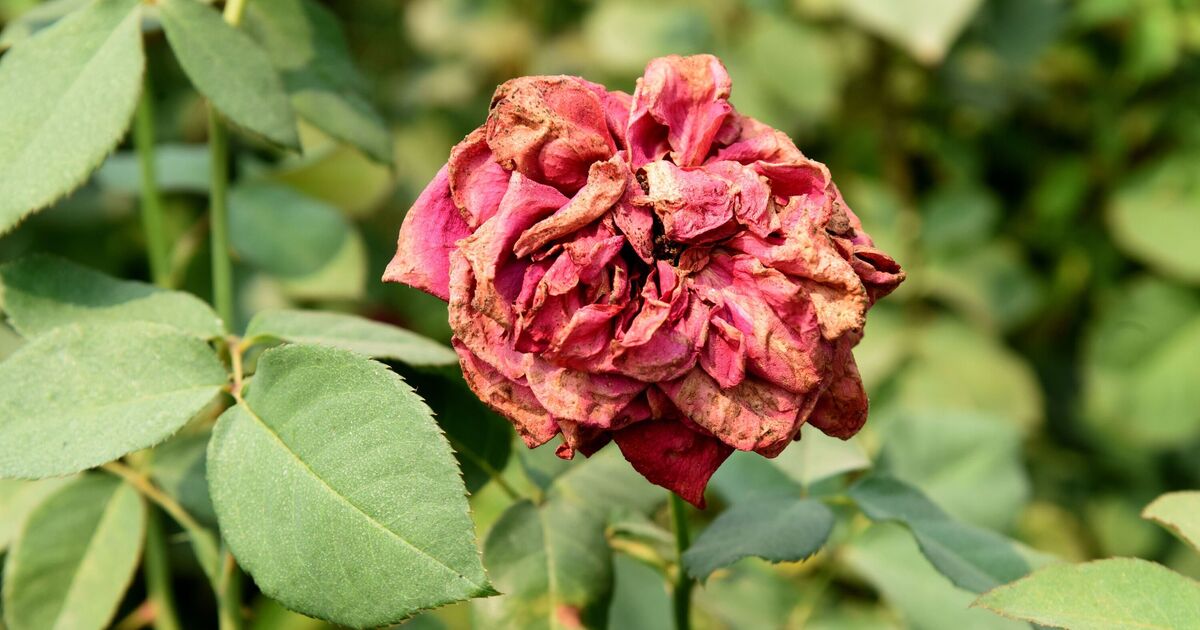

Garden warning as fungal disease could destroy your spring plants (Image: Getty)
Chris Bonnett, plant expert and founder of GardeningExpress, has offered his top tips on how to spot and stop it this spring. With many tulips now starting to emerge in gardens across the UK, it’s worth keeping a close eye on your plants for signs of disease.
One in particular you need to know how to spot is ‘tulip fire’. Tulip fire is a fungal disease that thrives in cool, damp conditions, which unfortunately makes British springs the perfect environment for it to spread. Once the fungus becomes established, it can linger in soil and plant debris, meaning it may return year after year if it isn’t dealt with properly.
Read more: Climbing hydrangeas will grow more blooms with task gardeners avoid
Read more: Rats will run from your garden if you put 22p item outside
The disease gets its name from the damage it causes. Infected tulips often look as though they’ve been scorched, with leaves shrivelling, curling and collapsing as the infection progresses. It can be quite dramatic to see, especially if it spreads through a bed of plants.
There are a few warning signs gardeners should look out for. Brown spots can appear on leaves and stems, new growth may become twisted or distorted, and buds might fail to open properly. In more severe cases, the bulbs beneath the soil can begin to rot.
If you’ve had tulip fire in your garden before, one of the best precautions is to avoid planting tulips in the same spot for a few seasons. The fungal spores can remain in the soil for a long time, so giving that area a break can help prevent the problem from coming back.
The good news is that with regular checks and good garden hygiene, most gardeners can keep their tulips healthy. I always recommend removing any infected plants straight away and clearing away plant debris, which helps reduce the risk of the fungus spreading and allows you to keep enjoying a vibrant tulip display each spring.

Tulip fire is a fungal disease that thrives in cool, damp conditions (Image: Getty)
Here is Chris Bonnett’s advice for spotting and stopping ‘Tulip fire’ from ruining your blooms this spring:
1. Remove infected plants immediately
If you spot any tulips showing signs of ‘Tulip fire’, don’t wait. Lift the affected bulbs along with the surrounding soil and dispose of them safely. Avoid composting them, as that could just spread the fungus further. Think of it as a quick spring clean to save the rest of your display.
2. Improve air circulation
Tulips need a bit of breathing space. When planting, don’t cram them in too tightly. Giving each bulb room to grow reduces dampness around the leaves and stems, making it harder for the fungus to take hold.
3. Water carefully
Nobody likes soggy leaves and that goes for tulips too. Aim to water at soil level rather than splashing water over the foliage. Keeping the leaves dry makes a big difference in stopping fungal spores from spreading.
4. Clear away debris
Old leaves and dead flowers lying around can harbour fungal spores through the winter. Make sure to tidy up your flowerbeds regularly so your tulips aren’t starting the season with hidden threats lurking nearby.
5. Rotate planting areas
If tulip fire has struck a particular patch in previous years, think twice before planting tulips there again straight away. Moving bulbs to a fresh spot gives them the best chance to grow healthy and strong, free from spores lingering in the soil.
Comments are closed.