
Gardening tools and plant moisture meters
(Amazon)
Atmosphere by The Weather Channel curates products and services for all seasons. If you buy something from one of our links, we may earn a commission.
Winter’s grip has begun to loosen, and when the temperatures gradually rise and severe storms wane, gardeners everywhere will begin to feel that familiar stirring of excitement. The March time changes now mean longer days, and increasing temperatures will warm the soil while announcing, “Gardening season is here.”
So whether you’re a first-timer with enthusiasm and empty soil, or a seasoned gardener with decades of harvests behind you, the more moderate temperatures in spring create the ideal conditions to plan and prepare for the growing season ahead.

Weather in your inbox
By signing up you agree to the Terms & Privacy Policy. Unsubscribe at any time.
In the guide below, we outline some important tips when creating your own week-by-week gardening calendar, getting your soil ready for planting season, understanding hardiness zones and more.
Getting Your Garden Started
What makes spring (especially starting in April) temperatures particularly special is their Goldilocks quality: not too cold, not too hot, but just right for a diversity of plants. Here are a few things to keep in mind as you get your garden started.
Soil temperatures
Soil temperatures are critical and will directly affect your plant growth. Plant too early, and the seeds will rot or germinate very slowly.
Soil temperatures typically reach the critical 50-60°F range for cool-season crops in early spring, and warm weather crops (like tomatoes and peppers), should have a soil temperature between 65-70°F.
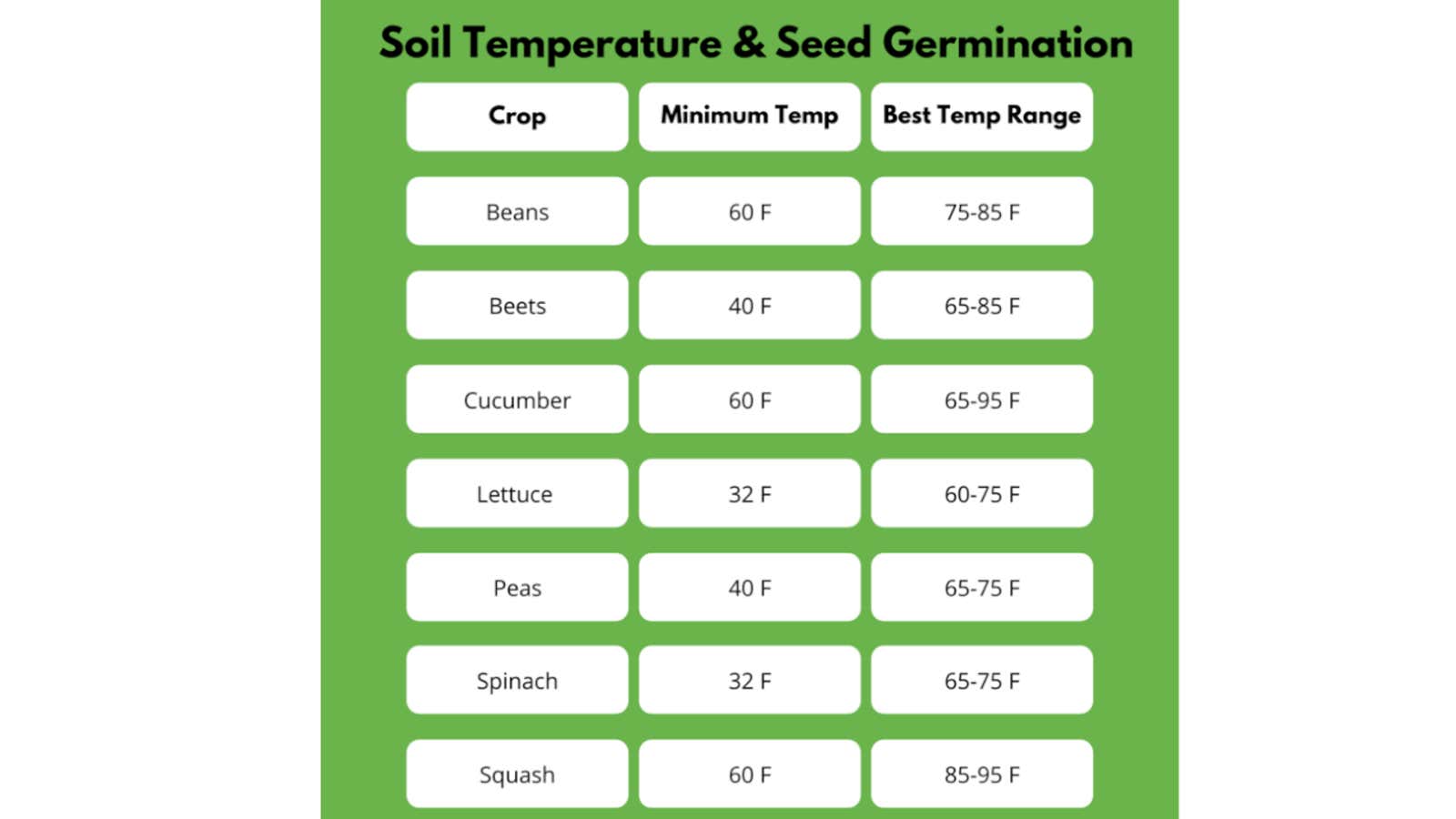
Soil temperature chart by crop type
(northerngardener.org)
So how do you take your soil’s temperature? With a thermometer, of course! You can use a soil testing thermometer or a meat thermometer. Simply insert the thermometer to the level where the seeds or roots will be, give it a couple minutes, and if the temperatures are too cold for your crop, wait a week or two to warm up.
Plant Hardiness Zones
Understanding planting zones will be important, as it will inform gardeners what you can plant as perennials and annuals where you live. Check your plant hardiness zones, which can be broken out by state or regions.
If a plant is hardy, you can expect it to come back year after year (a perennial).
If a plant is not hardy, you can still grow it, but as an annual, meaning when temperatures drop, it will die and not recover for the next growing season.
Late Frost Protection Tips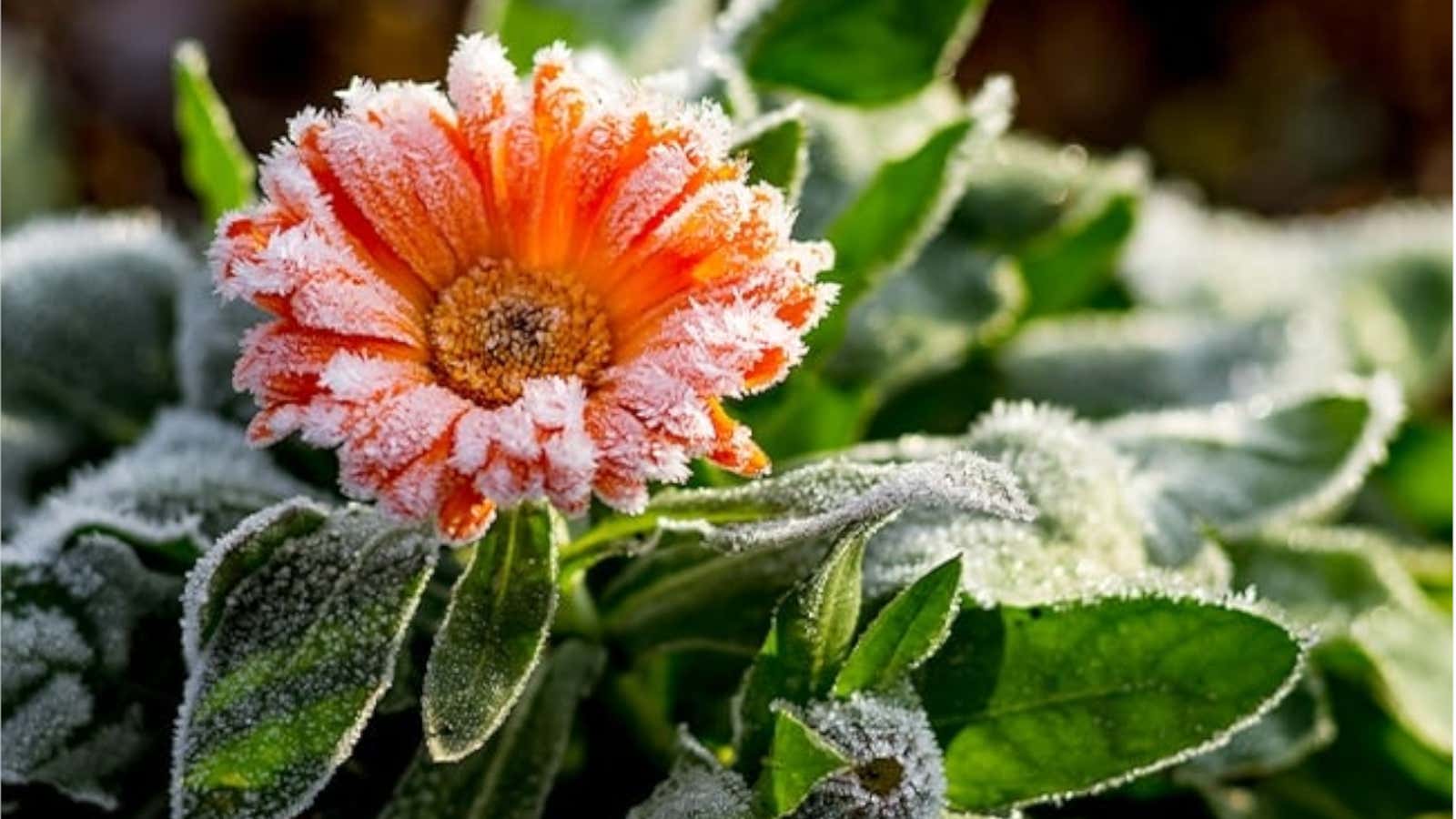
Frosted flowers
(farmersalmanac.com)
March is still a little early for many areas of the country, but by late March gardeners in frost-free regions can begin planting warm-season annuals. Early spring is an ideal time to clean up your garden, fertilize and water the soil, and even consider adding trees and shrubs.
April is one of the most important transition seasons when it comes to gardening, so it’s critical to monitor weather forecasts for any signs of frost. If you start your vegetables and flowers too early, a sudden frost can kill your plants. Freezing temperatures occur at 32°F or below.
Here’s a helpful temperature guide for your plants:
Light freeze (29°F to 32°F): Tender plants are often killed.Moderate freeze (25°F to 28°F): Damages moderately hardy plantsSevere freeze (24°F and below): Causes damage to even hardy plants
Certain vegetables, flowers or trees may be more susceptible to cold temperatures, such as:
Light freeze: basil, beans, cucumbers, peppers, tomatoes, okra, corn, hibiscus, citrus, succulentsModerate freeze: beets, carrots, cauliflower, radish, potatoes, strawberries, marigold, petunia, sunflower, geraniumHardy: broccoli, cabbage, kale, leeks, peas, spinachWeek-by-Week Gardening Calendar
There are many helpful sources for creating a weekly gardening calendar. Here’s a few we might suggest:
The Old Farmer’s Almanac – the planting calendar can be customizable for personalized planting dates.Sow True Seed – offers a monthly garden calendar by hardiness zoneGardenate – features a planting tracker based on your climate zone
Below is a guide to help you create your own gardening calendar – of course, it ultimately depends on your hardiness zone, as well as the latest temperature and weather conditions.
Late March: Getting a Head Start (Weeks 3-4)
While it’s still too early for most outdoor planting, late March is perfect for:
Indoor seed starting: Start seeds 6-8 weeks before your last expected frost dateSoil preparation: Test soil pH (ideal range is 6.0-7.0 for most vegetables), add compost, clean tools and order seedsRepairs and planning: Finalize your garden layout and space requirements and repair any boxes, planters, cold frames and row coversMid-April (Weeks 1-2)Continue soil preparation tasks: Cleaning the soil, fertilizing with organic matter or mixture with high nitrogen content, monitoring soil pH, ensuring proper drainingCool-season sowing: April is prime for cool-season crops like peas, radishes, lettuce and plants in the kale familyLate April (Weeks 3-4)Hardening off seedlings: This involves gradually acclimating any seedlings you’ve already started to outdoor conditions before transplanting, and will take one to two weeks (approximately 7-10 days of gradual exposure)Continue planting your choice of cool season vegetables. Make your second planting within two to three weeks of first planting.Mulching newly planted areas and between rows: Wait to mulch until mid-to-late spring after soil has warmed up but before weeds growSet up your irrigation systems before peak growing seasonInstall support structures for climbing plantsEarly May (Weeks 1-2)
When soil temperatures consistently reach between 60-65°F:
Begin transitioning to warm-season crops like beans, corn, cucumbers, melons, spinach, sunflowers, marigolds, basil, etc.Pest monitoring and organic control strategiesWater and mulch as neededMid-to-Late May (Weeks 3-4)Complete warm-season crop plantings; second planting should be within two to three weeks of first planting.Thinning seedlings and spacing adjustments: Some varieties of vegetables require thinning to eliminate competition for resources, like radishes, beets, carrots, tomatoes, and peppers.Irrigation setup for areas that experience hot, dry summers.Second round of fertilization for heavy feeders. Wait until certain plants are flowering, and be sure to wait a few weeks between applications depending on the type of crop.Useful Spring Garden Equipment To Kick Off Planting Season
Price: starting at $6.41 (4’ x 10’) to $80.99 (20’ x 50’) at Amazon
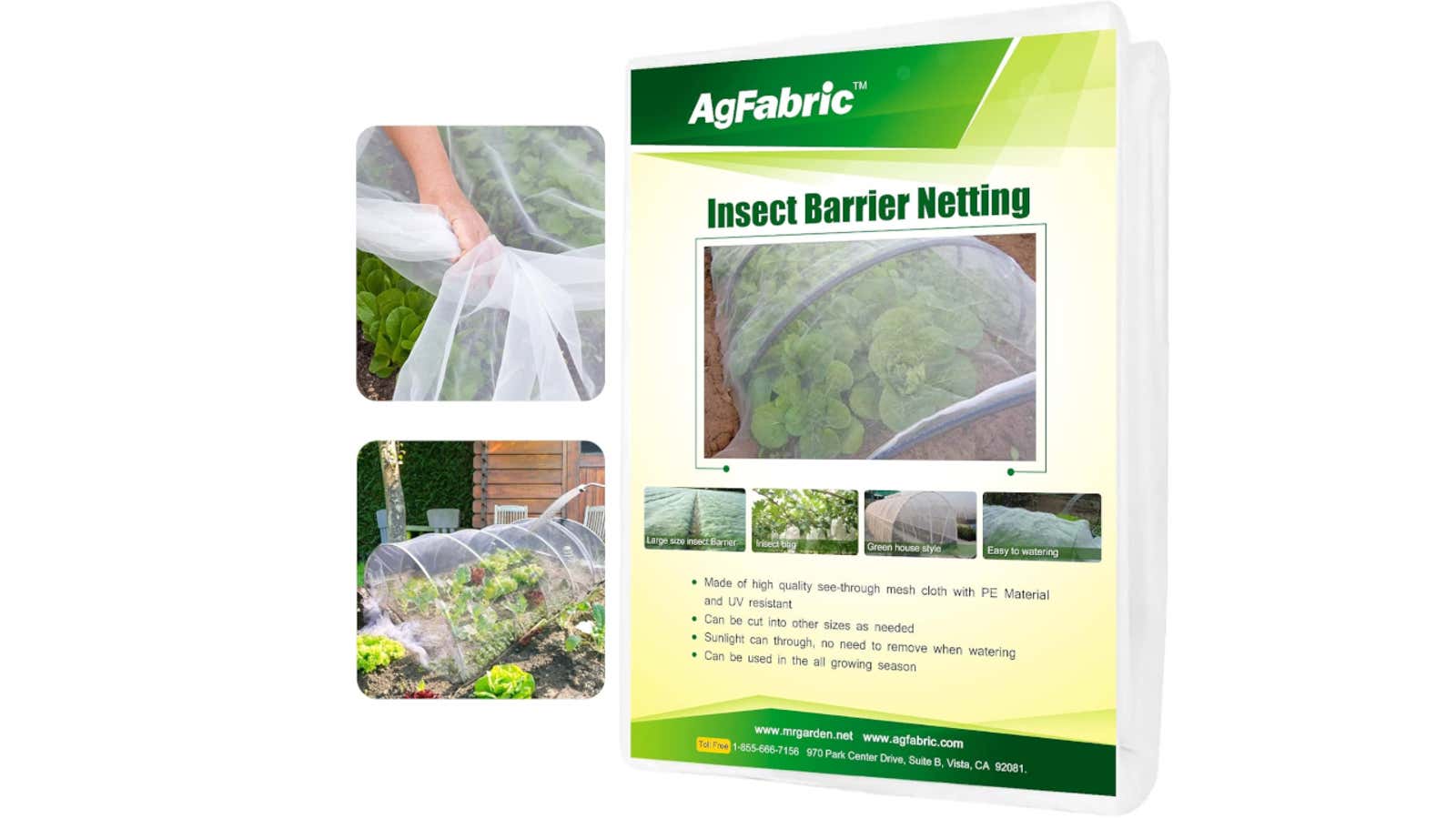
Agfabric Garden Netting
(Amazon)
Features:
Mesh cloth to protect vegetables, flowers, plants and fruitsCan be cut into other sizesActs as bird, deer and insect netting
Price: $9.93, was $13.99 at Amazon

Soil Moisture Meter Tester for Plants
(Amazon)
Features:
No battery requiredMoisture meter (dry, moist or wet)To use: probe soil 4 inches (10 cm), wait 10 seconds to read. It should not be inserted into dry, hard soil; testing area should be dampDo not leave in soil; it should be removed and wiped clean after each useCan be used on indoor potted plants and outdoor plants
Price: $5.97, was $8.52 at Amazon
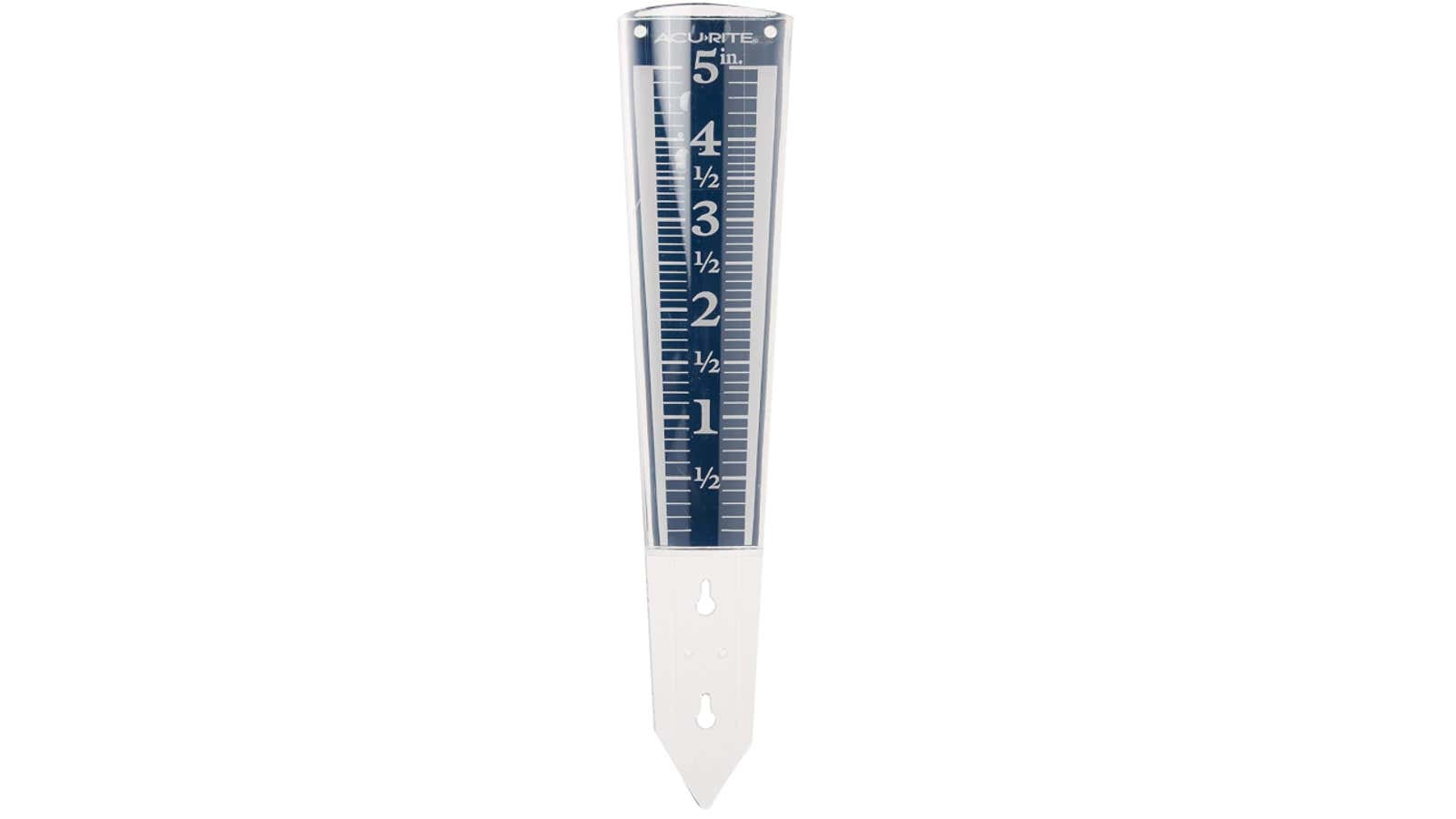
AcuRite 5-inch Capacity Easy-to-Read Rain Gauge
(Amazon)
Features:
Measures up to 5 inches of rainwaterNumbers magnified for easy-to-read measurement viewingDurable, water-resistant acrylic constructionHang hole for mounting or can be staked into ground
Price: $55.85 at The Home Depot and Amazon
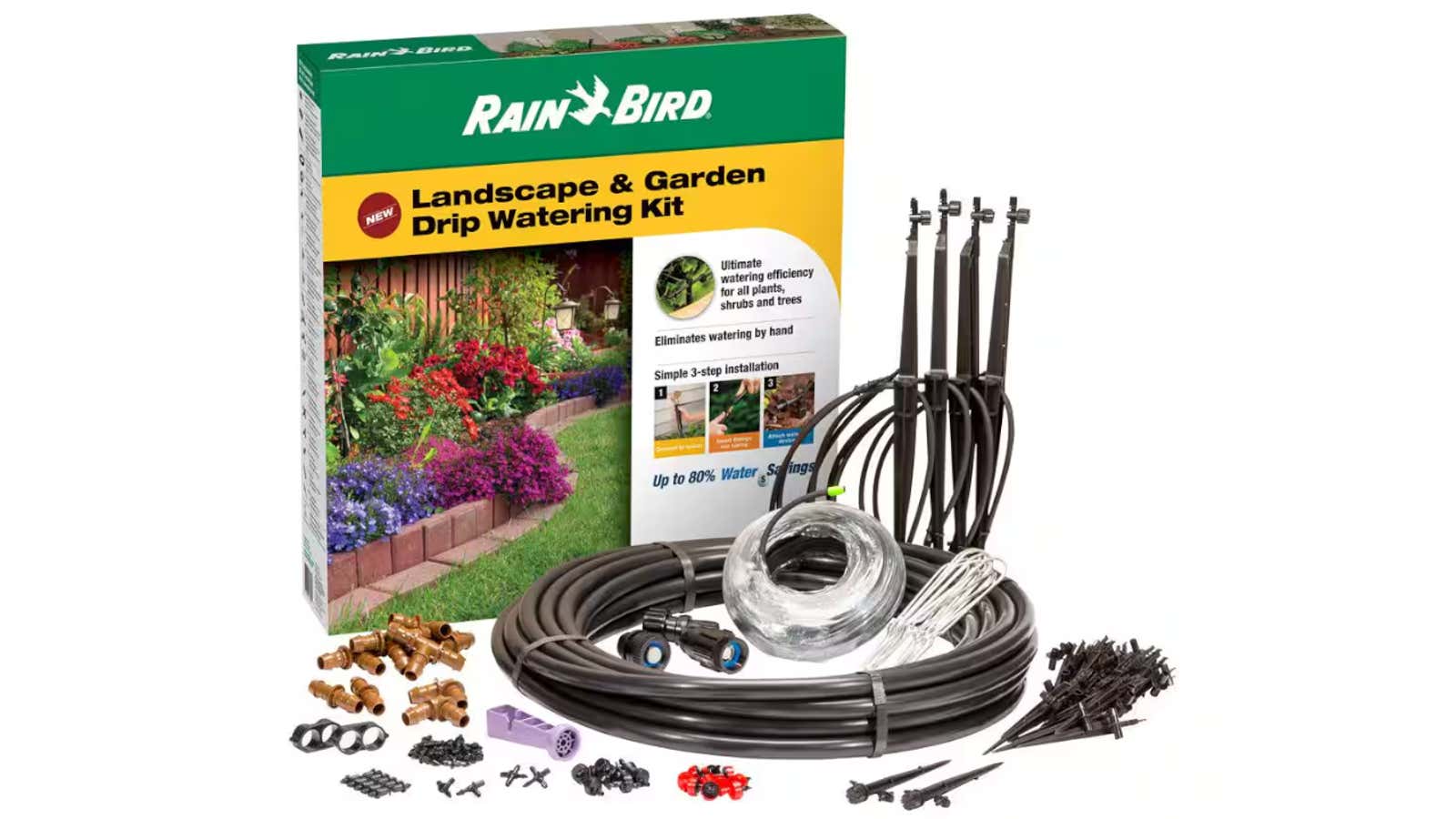
Rain Bird Landscape and Garden Drip Watering Kit
(The Home Depot)
Features:
Ideal for garden or landscaped areas (up to 22 plants)To install, run tubing on top of ground from outside faucet, with emitter tubing and drippers near the base of your plantsDevices are clog resistant, according to companyComes with: 10 one gallon per hour drippers, 10 two gallon per hour drippers, 2 adjustable micro bubblers, 4 adjustable micro sprays, 50 feet of distribution tubing, 50 feet of ¼-inch tubing, faucet connection, pressure regulator, fittings
Price: $21.99 at Amazon
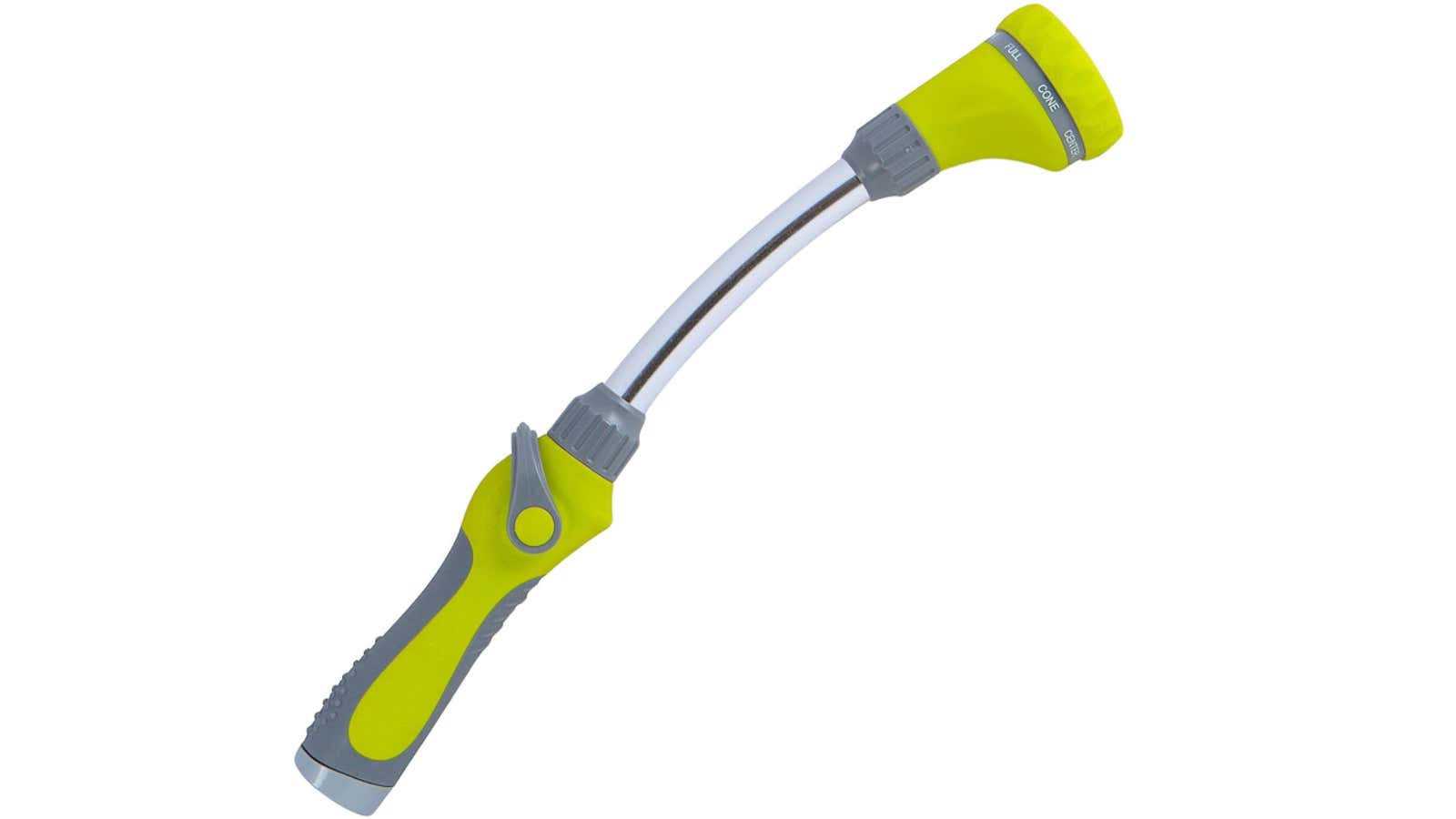
Watering Wand The Relaxed Gardener Garden Hose Nozzle Sprayer
(Amazon)
Features:
Thumb operated on/off switch8 spray patterns, including mist, flat, full, shower, soaker, cone, center and jetSlip-resistant handle
Price: $23.58, was $28.99 at Amazon
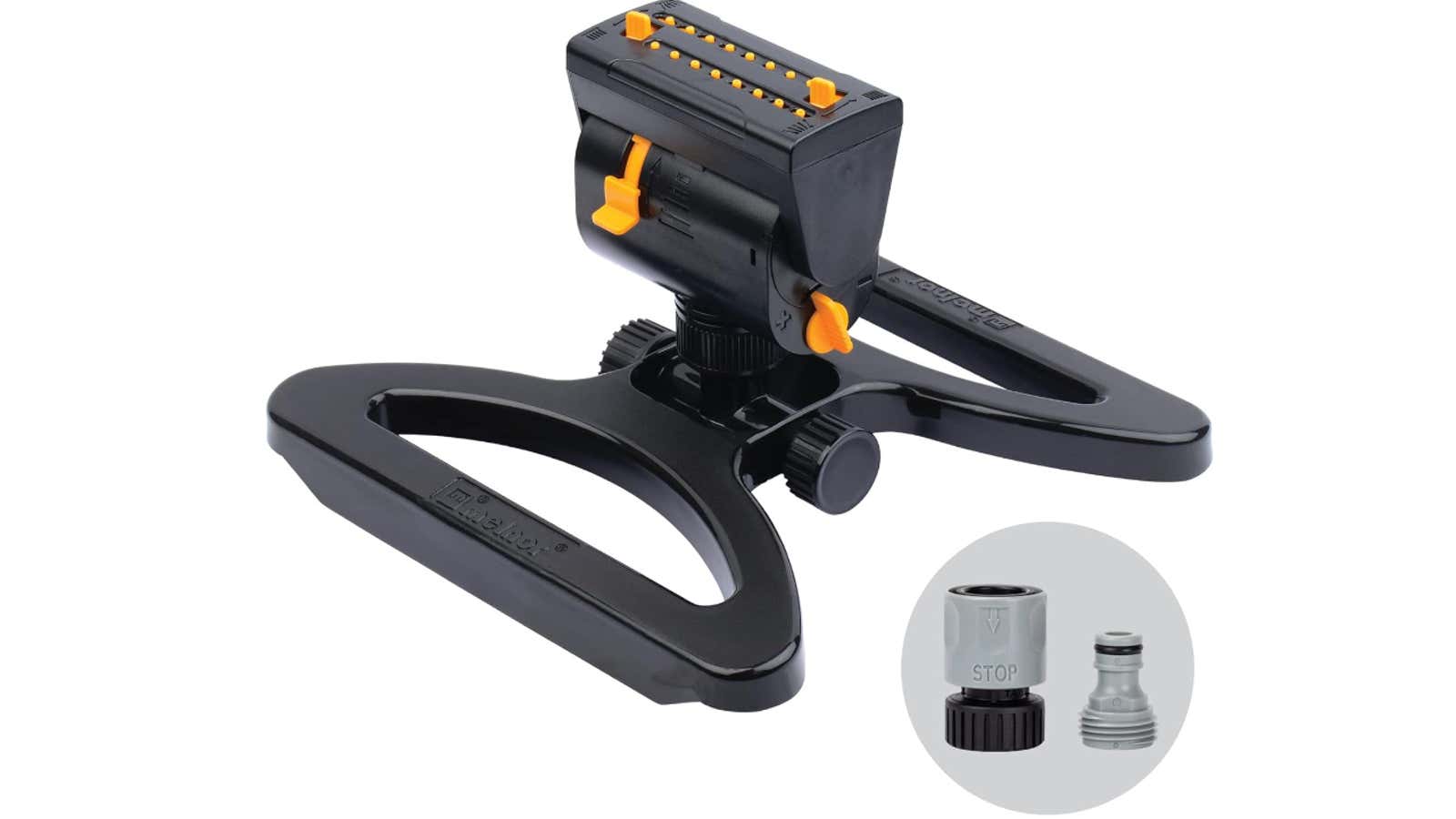
Melnor 65131AMZ MiniMax Turbo Oscillator Sprinkler
(Amazon)
Features:
Oscillating sprinkler for lawns, gardens and newly seeded areasFour way adjustment with 360 degree rotating headDirt-resistant drive for use with well waterLimited lifetime warranty
Price: $9.99 at Amazon (Medium)

Gardening Gloves for Women
(Amazon)
Features:
Lightweight knitted base with flexible rubber coatingNon-slip latex gripMachine washable on gentle cycle or hand washNot durable or thick enough to protect against thorns
Price: $9.98, was $15.80 at Amazon

HANDLANDY Work Gloves
(Amazon)
Features:
Stretchy spandex backing for breathabilityPadded knuckle guard and palmTouchscreen compatibleLightweight utility gloves for yard work, gardening and home improvement
Price: $13.49, was $14.99 at Amazon
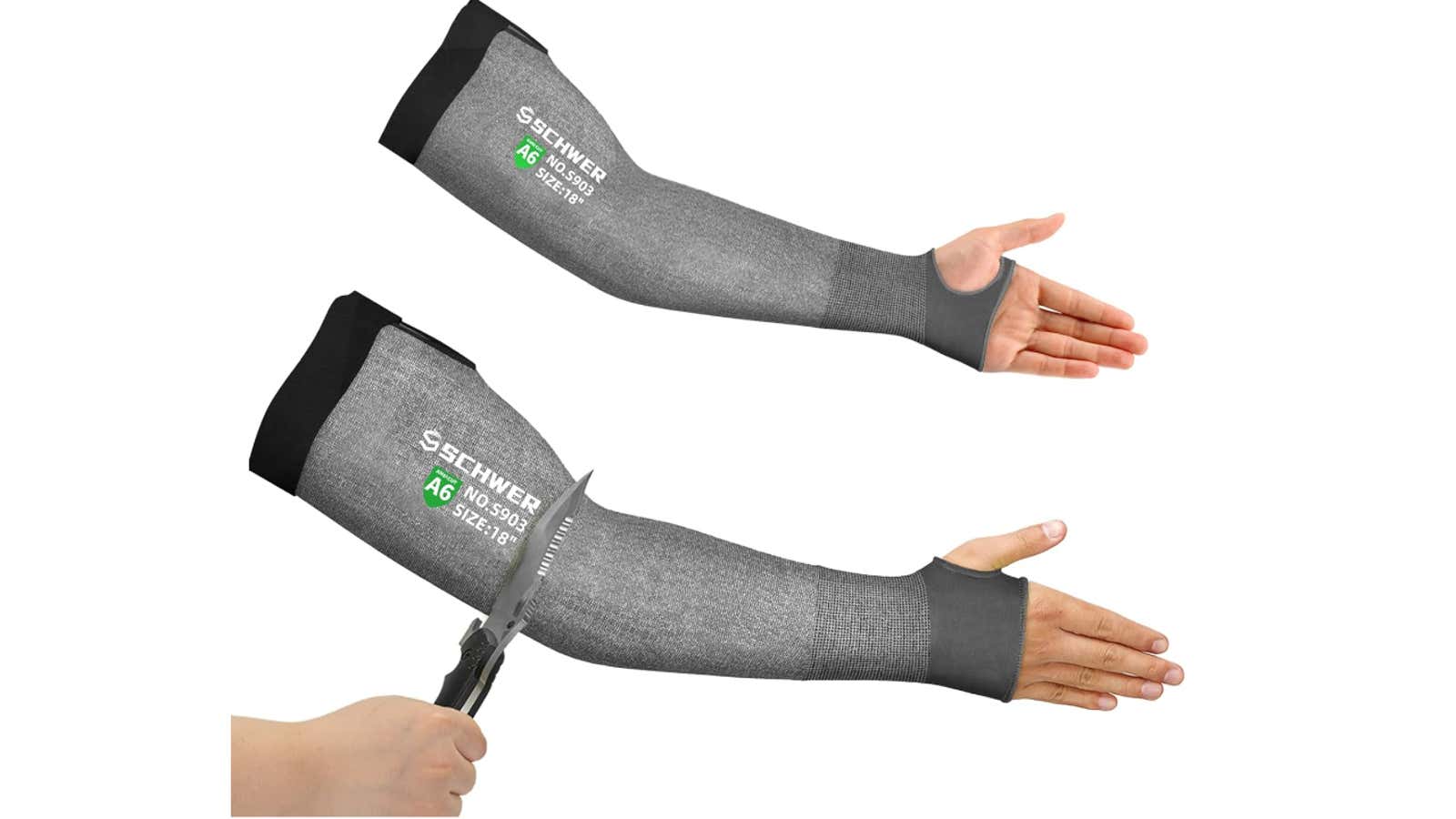
Schwer AIR-SKIN ANSI A6 Cut Resistant Arm Sleeves for Gardening
(Amazon)
Features:
Made from 80% PE wire and 20% metal wireHigh-risk cut protectionCrafted with thinner, finer yarns and tiger weave for lightweight comfortFiberglass free according to company
Price: $13.19, was $16.49 at Amazon
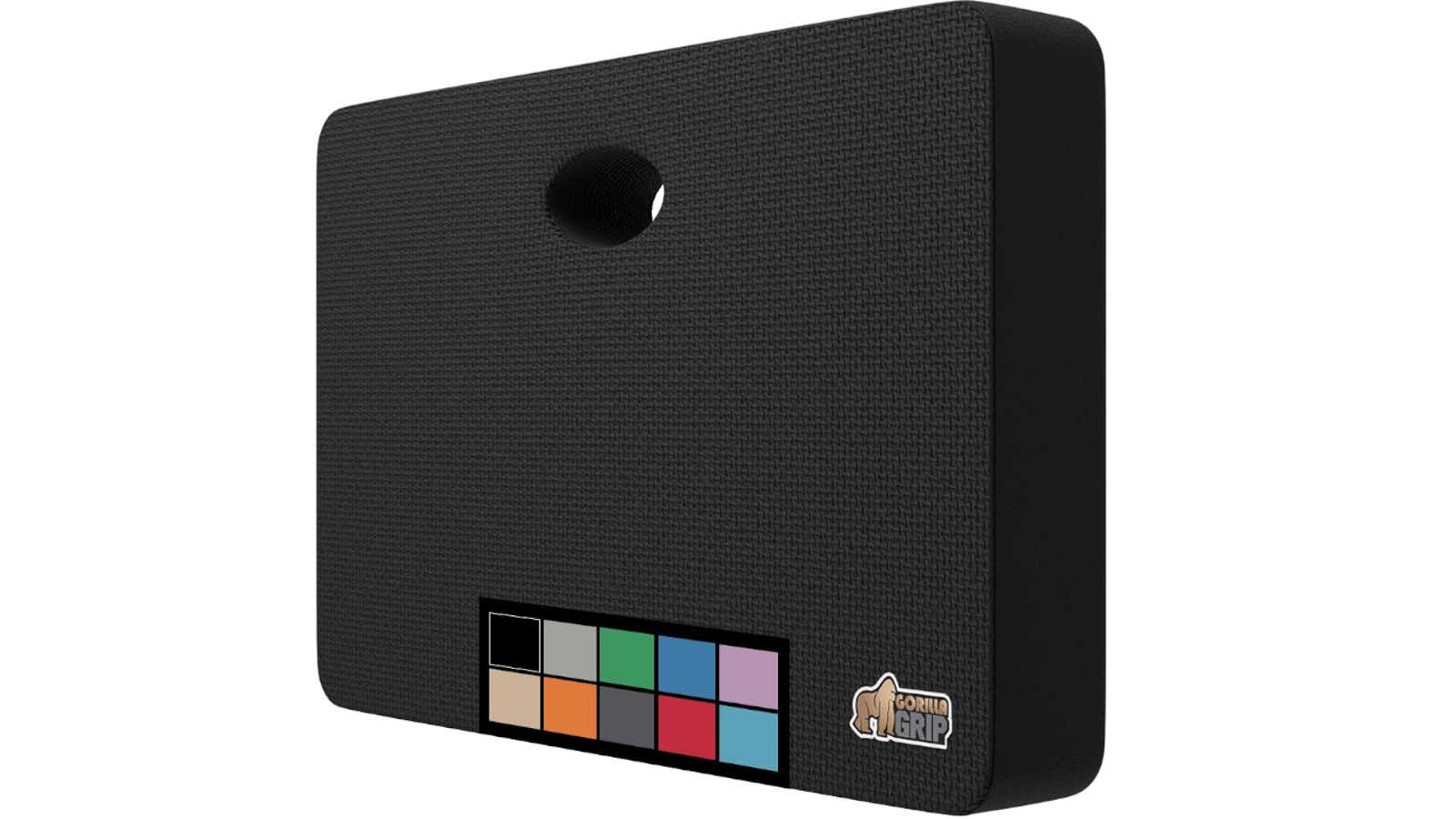
Gorilla Grip Extra Thick Garden Kneeling Pad
(Amazon)
Features:
High density 1.5-inch thick foam padDirt and water resistantTextured design to prevent slippingCan be used for gardening, yoga, sporting events, camping and household chores
Price: $36.10, was $40.95 at Amazon
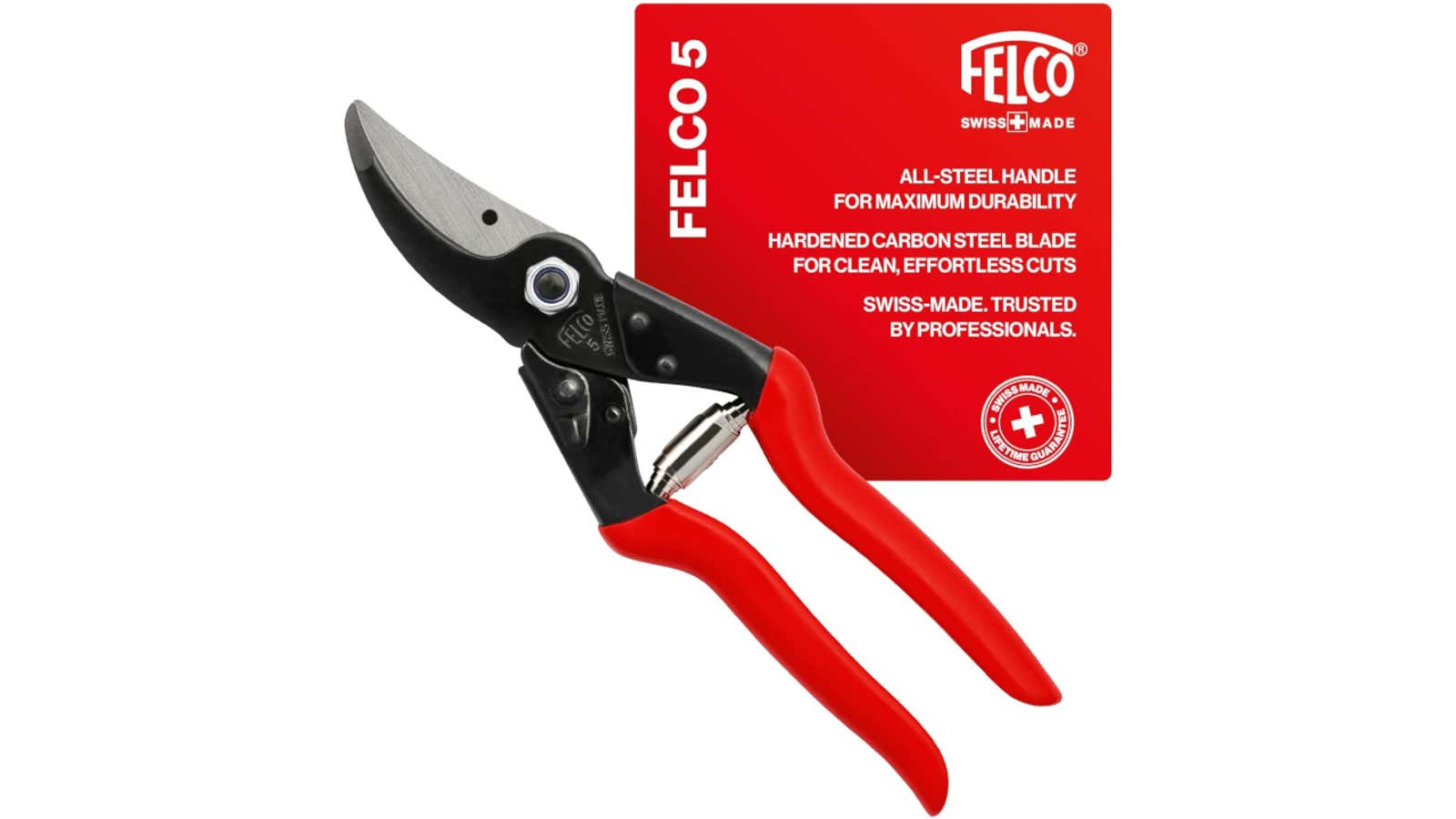
Felco F5 Pruning Shears
(Amazon)
Features:
Made with carbon steel blades and ergonomic handlesCan be taken apart for blade sharpeningBest for general purpose pruningAmbidextrous hand options
Price: $22.10 at Amazon
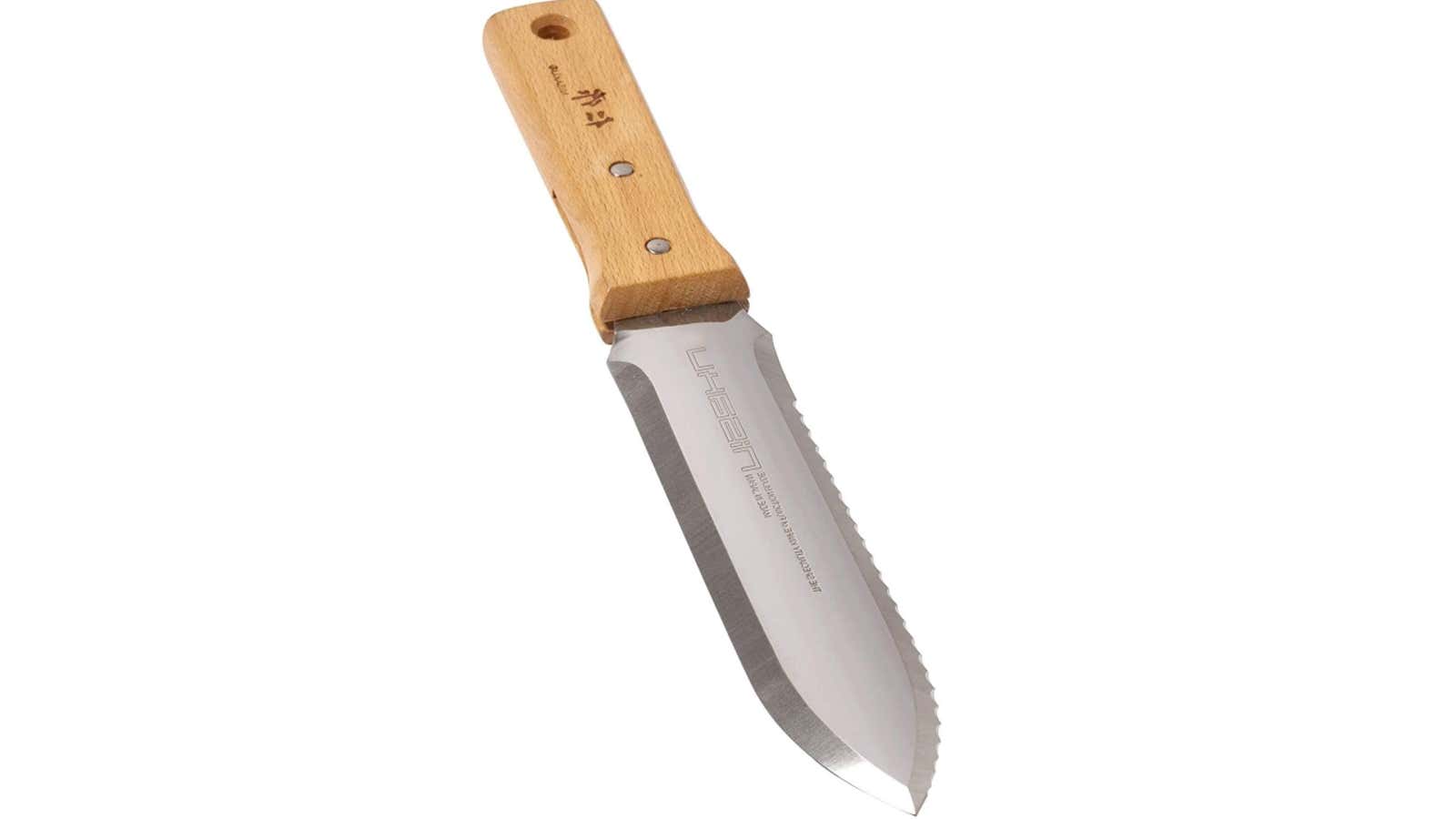
The Original Hori Hori Namibagata Japanese Stainless Steel Weeding Knife
(Amazon)
Features:
Stainless steelInch markings for depth measurementSerrated and straight edge bladesRust and scratch resistant according to company
Price: $26.99, was $34.98 at Amazon
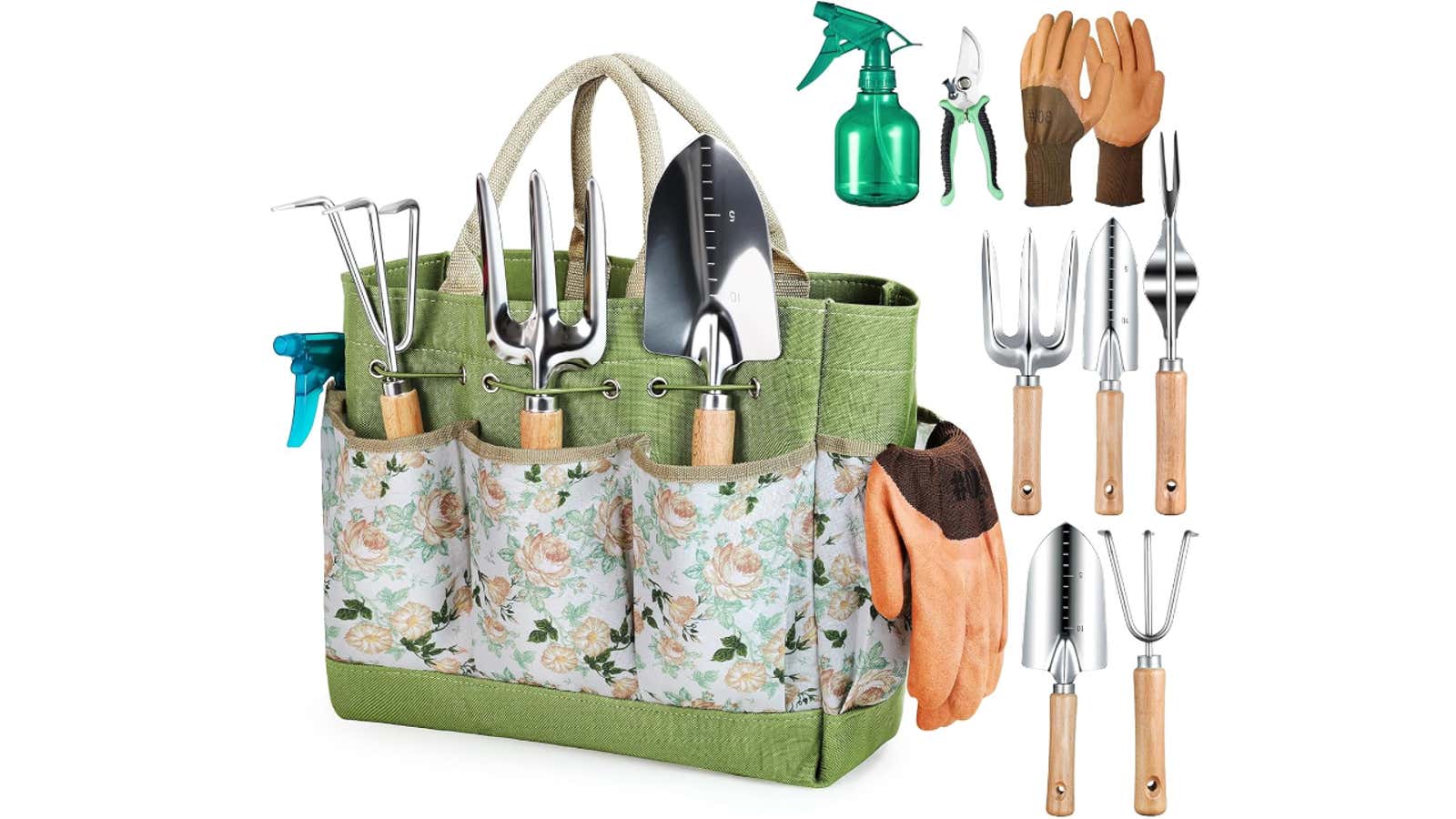
Nine-Piece Heavy Duty Gardening Hand Tools
(Amazon)
Features:
Stainless steel setErgonomic wood handleIncludes shears, weedier, transplanter, cultivator, hand trowel, hand fork and tote bag
Price: $140 at MerryPeople.com
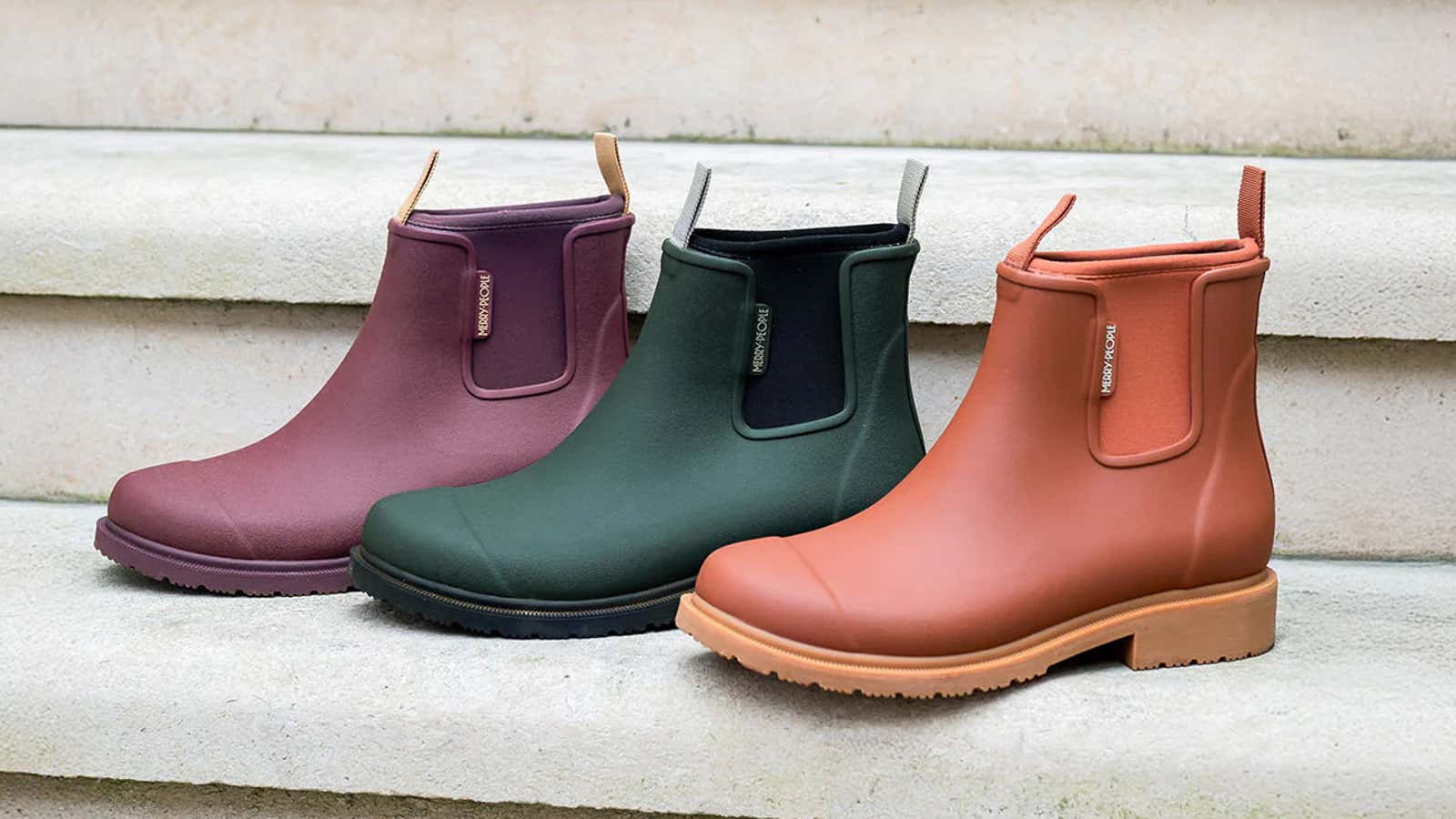
Bobbi Ankle Rain Boot
(MerryPeople.com)
Features:
Warm neoprene lining with arch support100% waterproof and vegan12 month warranty and 30 day free returnWear with high socks to avoid ankle rub
Price accurate and item in stock at time of publish.
Comments are closed.