


Alan shared the advice on his YouTube channel (Image: Jeff Spicer, Getty Images)
With the weather getting warmer and the days getting longer, more of us are heading into the garden to prepare our outdoor spaces for sunnier days ahead. However, knowing where to start in March can be daunting.
Gardening expert, author and TV presenter Alan Titchmarsh, 76, has shared the five “essential” gardening tasks gardeners must do in March in a new video on his YouTube channel, Gardening with Alan Titchmarsh. From adding soil improver to borders, planting new potatoes and sowing seeds, the gardening aficionado said there’s plenty to do this month.
Read more: Alan Titchmarsh’s technique to ensure weeds won’t take over your garden
Read more: Charlie Dimmock gardening series that everyone missed ‘better than Ground Force’
1. Mulch your beds and borders
March is a time to think about improving your soil.
This month is when Alan likes to add a thick layer of mulch to his beds and borders. Mulch is an organic layer you place on the soil surface in beds and borders to create a reservoir that will feed plants as spring progresses, ensuring they continue to grow well.
There are several different types of mulch that you can use. Your own homemade compost, if you have it, but you might need to have left it for a year to rot down properly. The other option is different mulch materials in bags. Just make sure that whatever you buy is peat-free.
Many mulches are labelled as soil improvers. It’s easy to handle, and it also contains nutrients, which means that when the worms take it down into the soil, they’ll add it to your planting areas and benefit whatever’s growing there.
Alan said another option is composted bark, which improves the soil and also works as a “weed-suppressing surface layer”.
He said: “When you’re laying mulch, before you put it down, I always recommend adding blood, fish, and bone organic fertiliser. It contains nitrogen, phosphates, and potash, crucial ingredients for plant growth.
“I add a couple of handfuls around each plant, and then, using a fork, I add the mulch, trying to keep it off the crown of the plant so it doesn’t scorch them. Aim for a thickness of 2 to 3 inches. Then you leave it to do its thing. And believe me, your plants will thank you for it.”
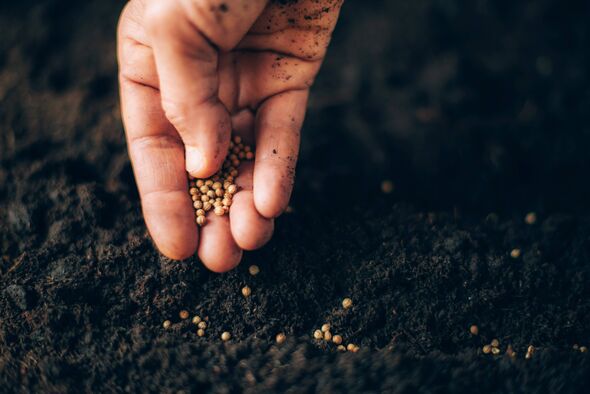
Growing plants from seed is one of the most cost-effective ways to fill a garden with flowers (Image: jchizhe via Getty Images)2. Plant summer-flowering bulbs
Next on Alan’s March to-do list is planting summer-flowering bulbs. March is the ideal time for this job because it gives bulbs several months to establish strong roots and prepare for the summer ahead. There are many types of summer-flowering bulbs you can choose from, such as gladioli and lilies. Alan likes to plant his in large terracotta pots.
When preparing to plant the bulbs, check that they are firm and free of any signs of rot or fungal disease. Make sure the pots have drainage holes at the base, and add some broken pieces of pot to prevent the holes from clogging.
Alan then fills the pot with peat-free multi-purpose compost, ideally with added John Innes, which provides extra weight and stability for the developing plants. He recommends leaving about 15 cm between the compost surface and the pot rim to allow space and stability for the bulbs to grow. Place the bulbs in the pot with the pointy end facing up, spacing them far enough apart so each gets enough sustenance. Cover the bulbs with more compost and gently firm it down. Remember to leave a small gap between the top of the compost and the rim of the pot to allow for watering.
Alan added: “All you need to do then is stay on top of the watering and you’ll have glorious blooms right the way through the summer.”
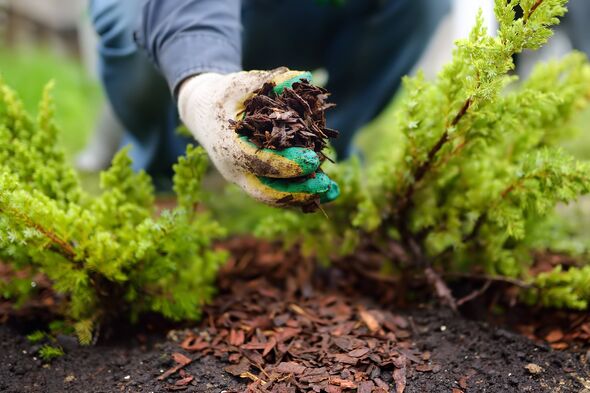
This month is when Alan likes to add a thick layer of mulch to his beds and borders (Image: SbytovaMN via Getty Images)3. Plant flowers from seed
Growing plants from seed is one of the most cost-effective ways to fill a garden with flowers. By sowing seeds in March, you give them a couple of months to develop before planting outdoors, allowing them to establish strong roots and healthy growth.
To begin, gather the seeds, pots, and peat-free multi-purpose compost formulated for seed sowing. This type of compost is lower in nutrients than regular potting compost, so it won’t harm delicate new seedlings. Lay out all the materials on the potting bench for easy access.
Follow the instructions on each seed packet to plant at the correct depth-some seeds need to be covered, while others do not. For seeds that require covering, try Alan’s simple technique: pour the seeds into your clean palm and gently tap them from your hand into the pot for even distribution. Use a sieve to lightly cover the seeds with a fine layer of compost, ensuring they are just covered but not buried too deeply.
Label each pot, then water by submerging the pot until the compost surface is moist. Once finished, place the pots in a greenhouse or on a sunny windowsill. Be sure to keep the compost damp.
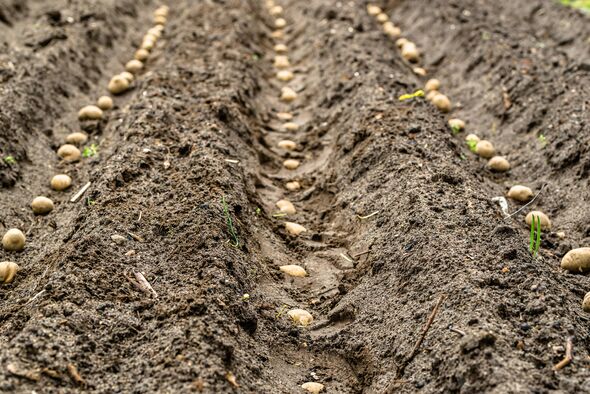
By summer, Alan said, you’ll be amazed at how many delicious new potatoes you’ll harvest (Image: alicjane via Getty Images)4. Plant early potatoes
Alan said: “If you love new potatoes smothered in butter, this is the perfect time to plant your earlies. Planting early potatoes now will give you new potatoes from mid-June through July.”
You can buy seed potatoes in packets from your local garden centre. Before planting, Alan suggests chitting the seed potatoes. This means arranging them in a light, warm place so the shoots can start to grow, a step that helps them crop earlier in the season.
To plant outdoors, dig a trench in your vegetable patch. Add some soil improver to the base, then place the tubers about a foot apart. Cover them back over with the soil. If you have limited space, you can also grow potatoes in special potato sacks. Make sure the sacks have drainage holes in the base and roll the sides halfway down before filling with peat-free multi-purpose compost. Place the seed potatoes on top of the compost, then cover them. As the shoots grow, gradually add more compost to cover them.
By summer, Alan said, you’ll be amazed at how many delicious new potatoes you’ll harvest.
5. Create a spring planter
“My final task in March is to get a bit of instant colour. Planting up a spring planter,” Alan said.
Softwood planters are easy to order and assemble, especially if you have a drill. As the month progresses, garden centres start to stock early spring plants such as erysimum, campanula, and tiarella. For added interest, try combining these with trailing ivy at the front. You could also include carex and alpine plants like saxifraga to create a striking early spring display. A spring planter is a simple way to add instant colour and enjoyment to your garden.
Comments are closed.