
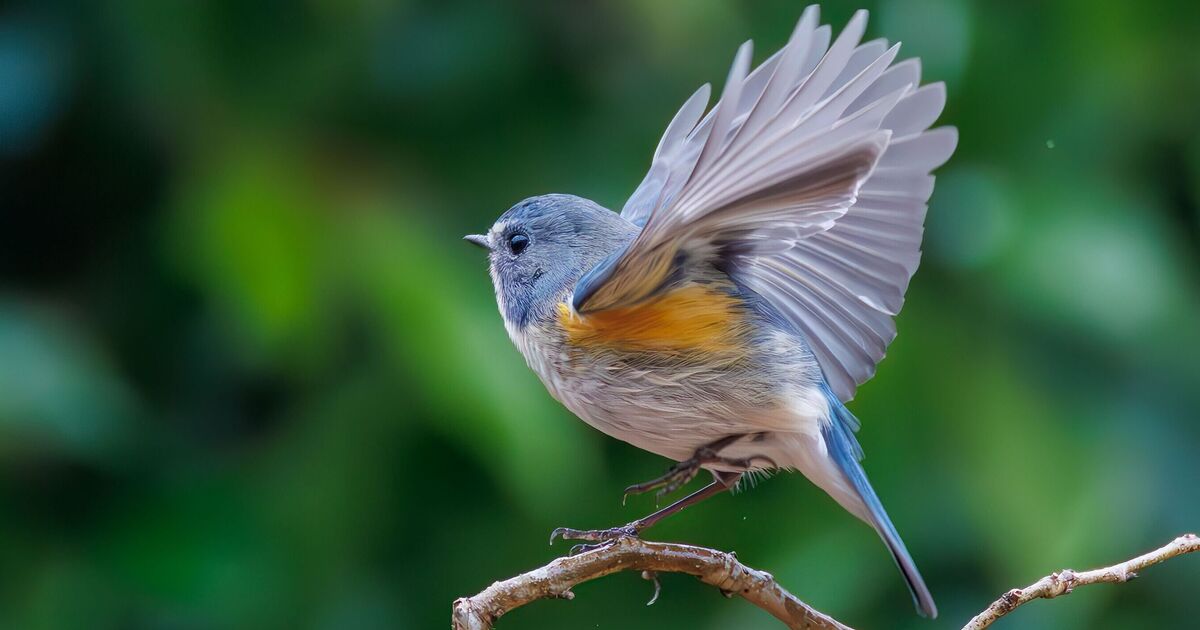
Gardeners risk attracting rats when trying to feed the birds, an expert has warned. Many Brits like to bring birds into their gardens, as these majestic creatures add to the allure of outdoor spaces with their beauty and singing. There are several ways to attract garden birds, such as robins and finches, but some methods run the risk of attracting rats without you even realising it.
Rats are unwelcome in gardens as they can cause damage to flowers, vegetable patches and even garden sheds and tools. They can also spread diseases, and people generally like to keep them out of their homes and gardens. There are several ways to do this, all of which will be less effective if you are unknowingly inciting them. This spring and summer, the golden rule in the garden is “don’t go cheap”.
Lucy Taylor of Vine House Farm Bird Foods warned Brits about the risks of cheap bird feed mixes. “Nobody welcomes Brown rats, or Common rats as they’re also known as, to their garden,” she says.
“This is quite understandable because this non-native species of rodent, which was accidentally introduced to our shores in about 1730 from ships travelling back from Asia, can do considerable damage, carry diseases and breed at an alarming rate.”
She said that cheap bird feed mixes often contain fillers like wheat and pulses, which aren’t eaten by most birds and are instead turfed out onto the ground, inviting rats in.
Birds like Blue Tits and Greenfinches rifle through the mix in search of the odd edible morsel, she explains. That means the cheap bits will be a reason for rats to enter and stay in your garden.
Instead, Lucy says it’s best to just put out foods like sunflower hearts or good-quality mixes with no cheap fillers.
Additionally, if you have a ground-level bIrd feeder, it’s best to bring it in at nighttime. Lucy explained: “With species such as Blackbird and Robin ideally needing a ground tray or dish to feed from (as ground feeding species, they struggle with hanging feeders), leaving this type of feeder out overnight could be an invitation for rats.
“So by bringing it in and storing it in a garage or other safe place overnight, then putting it back in your garden the next morning, the risk is removed.”
She added: “Now is the time of year to increase the level and variety of food you put out in your garden for wild birds. Rats are generally only attracted to gardens by bird food if precautions aren’t already put in place, with the absolute key one being to avoid cheap seed mixes and only use high-quality bird food, which therefore minimises waste.”
Comments are closed.