
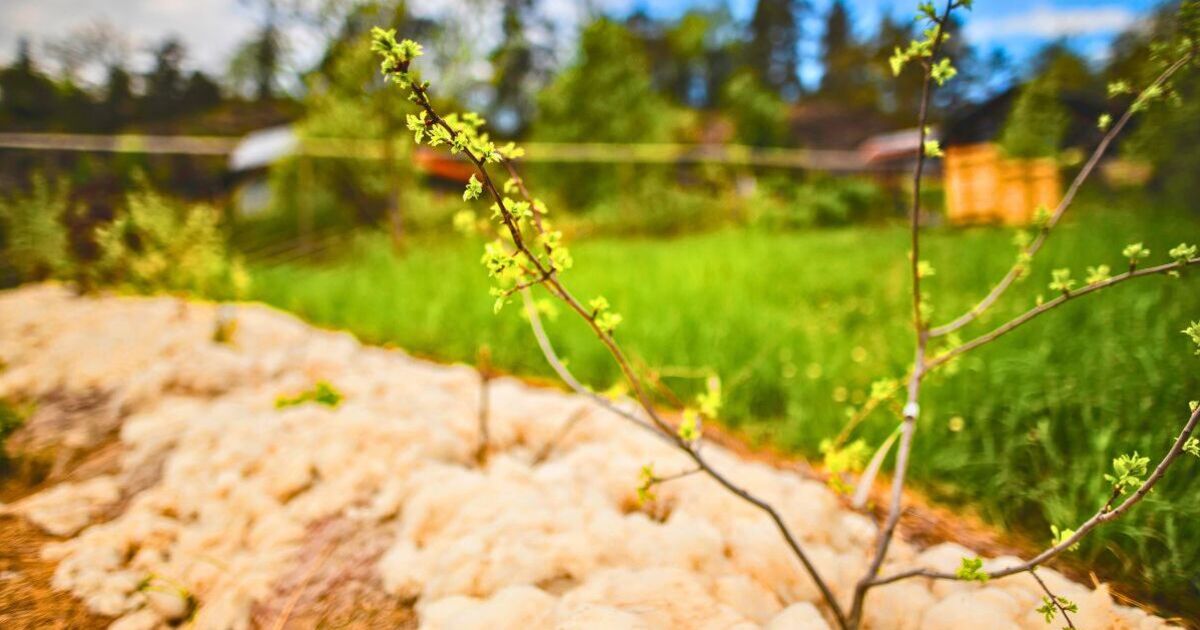
Sheep wool is a natural and cheap way to help a garden grow in spring (Image: Getty)
British gardeners are being asked to consider placing sheep wool around their garden once spring arrives, as it is a natural and practical way to encourage plants to grow. Dan Cooper, an experienced gardener, has revealed sheep wool is “packed with goodness” and will release nutrients plants desperately need at this time of year.
He said: “Nitrogen is the main element (10-11%), essential for vigorous plant growth, followed by potassium, which encourages flower and fruit production. Because wool degrades slowly, it can be used as a slow-release fertiliser, taking anywhere between six and twelve months to disappear completely.”
Nitrogen is essential for plants because it supports the growth of stems and leaves, and healthy foliage enables the plant to store more energy, producing a stronger plant. It can also greatly benefit flowers, such as hydrangeas, to produce more blooms and also encourage crops, such as strawberries, to produce larger fruit so you get a more productive garden.
READ MORE: Garden flowerbeds will thrive in spring if 1 task is completed now
READ MORE: Gardeners urged to make holes in lawns in March
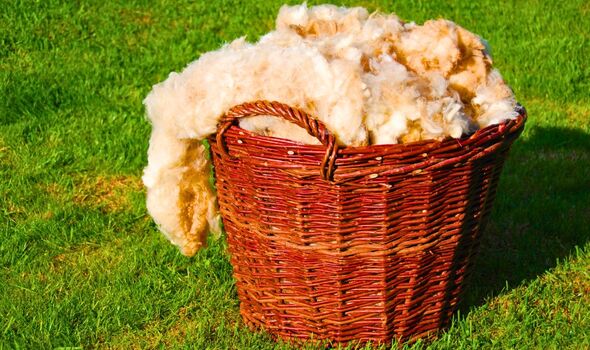
Sheep wool will also keep slugs away and keep plants watered for longer (Image: Getty)How else can sheep wool help a garden?
Sheep wool will work as an organic fertiliser, so it simply helps a garden get the best possible start in spring without having to buy chemical products or spend a lot of money.
However, it actually offers many benefits to a garden beyond being a fertiliser, as wool also soaks up a lot of water, slowly releasing moisture onto plants.
This means plants do not need to be frequently watered as the weather gets warmer so the garden will stay hydrated without much effort.
It is also one of the most natural ways to deter slugs and snails. The creatures absolutely hate the itchy texture of sheep wool and it will work as it as very effective barrier.
Raw wool will also absorb the mucus from slugs and snails, which they need in order to breathe properly, so it will quickly encourage them to keep away from it.
However, one of the best reasons to use sheep wool is that farmers have a lot of it stored in spring as it is shearing season, and you can often buy it cheap at this time of year while also helping out your local farms.
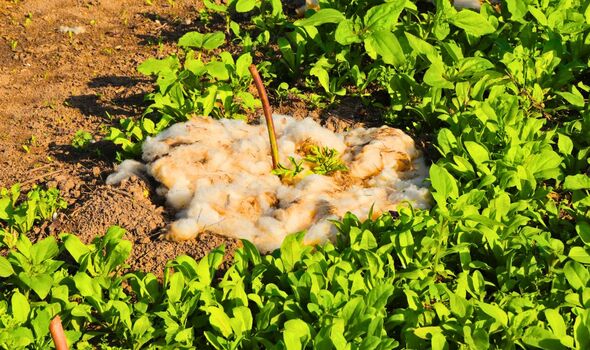
Sheep wool contains nutrients like nitrogen, which can greatly help a garden (Image: Getty)
Dan added: “It’s bountiful and British. Unlike jute, cotton, raffia and sisal, wool is produced in vast quantities right here in the UK. Consequently, it doesn’t have to be shipped halfway around the globe to reach our gardens, and most of the processing can be done on these shores.”
How do you use sheep wool as a fertiliser?
Sheep wool can be bought from local farms, and it is usually called waste wool, but it can also be bought as fertiliser or pellets from gardening centres.
Once you have bought some, you can simply tear it into small pieces and mix it into the soil if you are planting anything new in your garden this spring.
For established plants, it is a fantastic mulch and all you have to do is lay a light layer of wool around the plant and mix it into the topsoil.
It is also fine to add sheep wool to your compost bin, just cut it into smaller pieces so it breaks down faster so it decomposes at the same time of your food or plant waste.
No matter how you use sheep wool, it is an organic way to nourish your plants, keep slugs out of the garden, and support sustainable farming, helping you grow a healthier garden.
Comments are closed.