
 Photo Source: Piney Point Museum Facebook Post
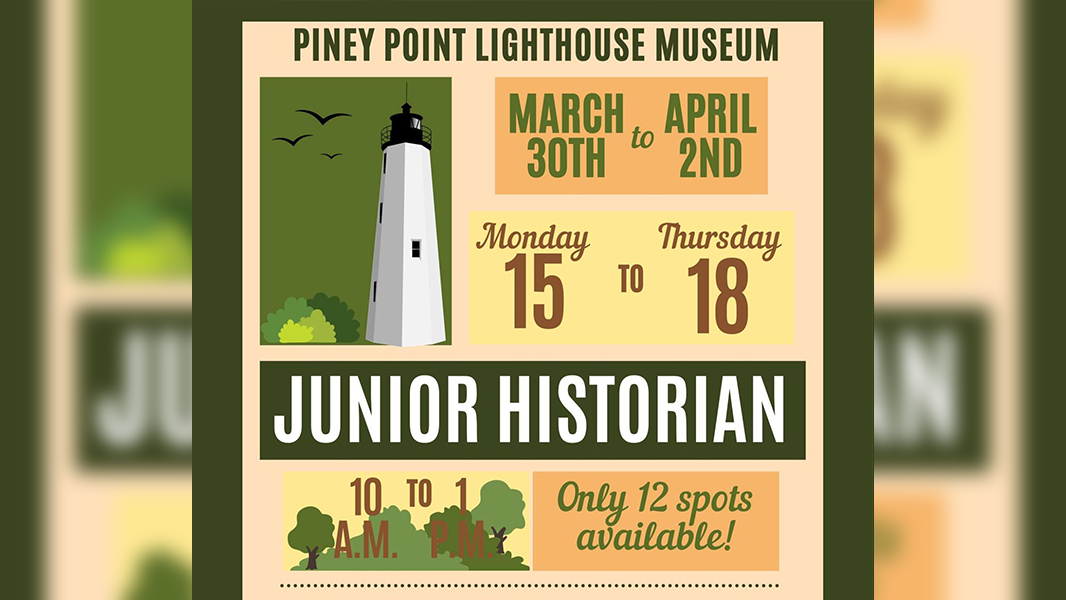
PINEY POINT, Md. — Young explorers will have the chance to step into the past while learning how to care for the natural world during the upcoming Junior Historian Spring Program at the Piney Point Lighthouse Museum.
The four-day program, scheduled from Tuesday, March 31, through Friday, April 3, will run daily from 10 a.m. to 1 p.m. and is designed for children ages 8 to 12. Through hands-on activities, outdoor exploration and environmental lessons, participants will learn how history and nature are closely connected in Southern Maryland.
Organizers say the program blends history education with environmental awareness, encouraging children to discover the ecosystems that shape the region while creating projects they can take home.
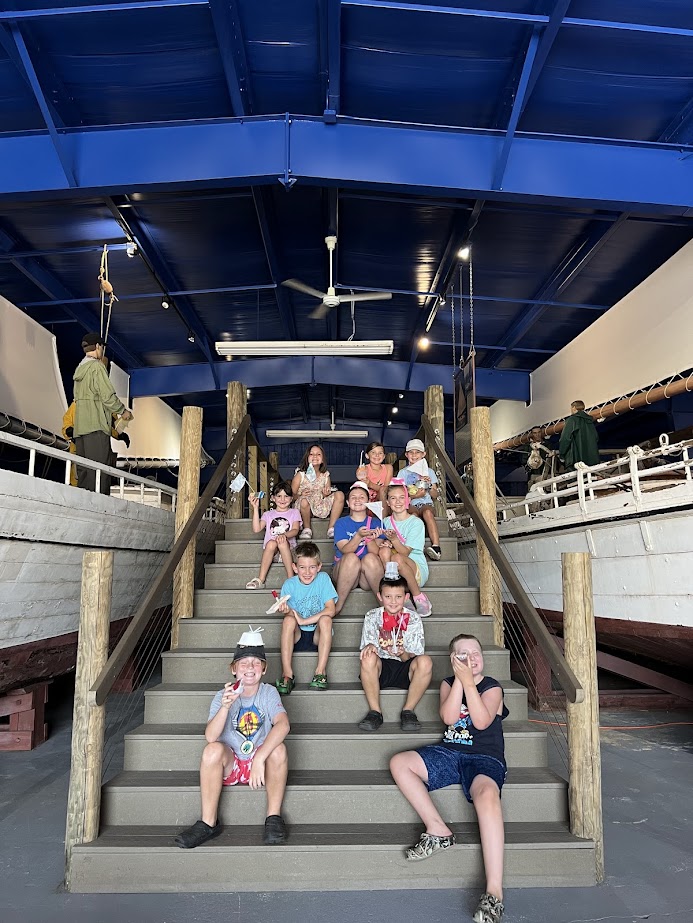 Photo Source: St. Mary’s County Museum Division
Hands-On Wildlife And Pollinator Projects
Throughout the week, Junior Historians will take part in several interactive building projects focused on wildlife conservation. Participants will build and decorate their own bat boxes while learning about bats and how echolocation helps them navigate and hunt.
Children will also construct bug hotels and create bee drinking stations, learning about the critical role pollinators play in supporting plants, food production and healthy ecosystems.
 Photo Source: Canva
Learning Where Food Comes From
Participants will explore how pollinators connect to agriculture and food systems by making beeswax candles while discussing where everyday foods originate and how bees help support crops and plants.
Outdoor Games That Teach Science
The program incorporates active outdoor learning through games designed to demonstrate pollinator behavior and ecosystem relationships.
Children will participate in a bee waggle dance activity, helping them understand how bees communicate the location of flowers to their hive. A pollinator sprinkler game will also give participants a playful way to experience how pollinators move between plants.
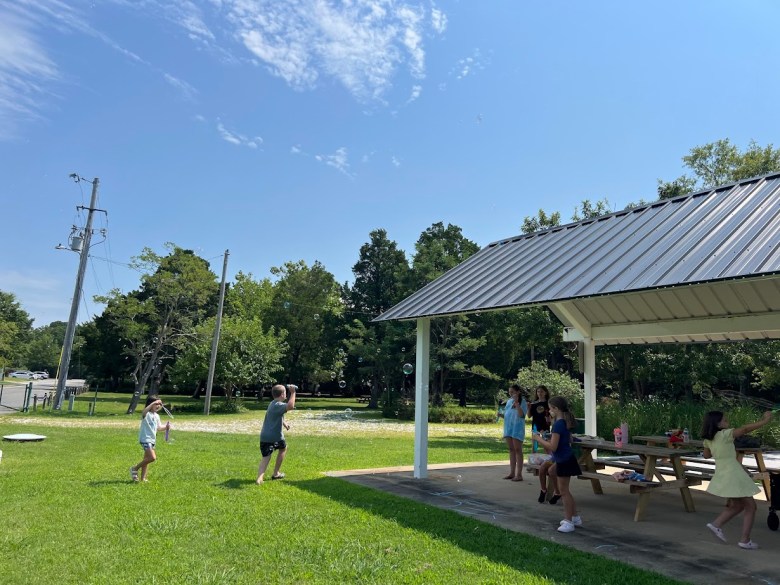 2025 Junior Historian Program
Photo Source: St. Mary’s County Museum Division
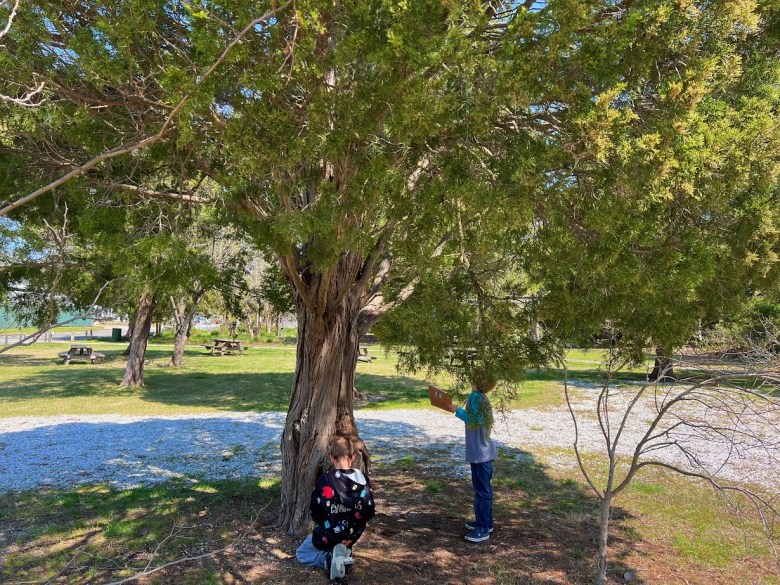 2025 Junior Historian Program
Photo Source: St. Mary’s County Museum Division
Helping Grow A Pollinator Garden
Junior Historians will take part in a hands-on environmental project by helping plant a new pollinator garden at the Piney Point Lighthouse Museum, contributing to a habitat that will support bees, butterflies and other pollinating species.
Additional creative projects include creating native flower seed bombs, painting terracotta flower pots and making monarch butterfly bracelets.
 Photo Source: Canva
Interactive Ecosystem Challenges
Educational games will help reinforce lessons about environmental balance and biodiversity. Activities include Ecosystem Jenga, where removing pieces demonstrates how ecosystems can become unstable, as well as an Ecosystem Escape Room challenge and Pollinator Guess Who, which encourages children to identify different pollinator species.
 Photo Source: St. Mary’s County Museum Division
Nature Journals and Take-Home Creations
Throughout the week, participants will keep a personalized nature journal, recording observations, lessons and discoveries from each day of the program.
By the end of the four-day experience, children will take home several items they created, including:
A decorated bat box
A handcrafted bug hotel
A bee water station
A beeswax candle
A decorated terracotta pot
Monarch butterfly bracelets
Native flower seed bombs
Their completed personalized nature journal
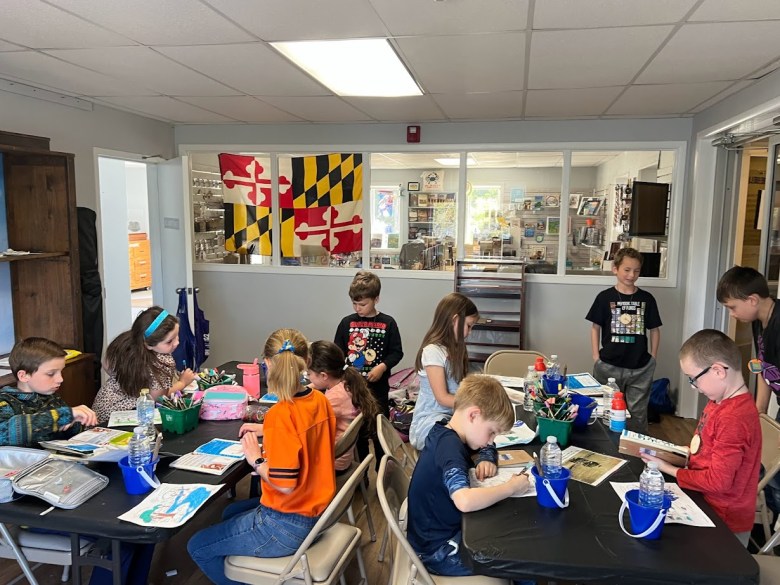 2025 Junior Historian Program
Photo Source: St. Mary’s County Museum Division
Celebrating New Junior Historians
The program will conclude with participants receiving a Junior Historian certificate recognizing their accomplishments and participation in the weeklong educational experience.
Registration is currently open. For more information about the program at the Piney Point Lighthouse Museum or to ask questions, contact Education Program Coordinator Olivia Dunagan Flack at Olivia.Flack@StMarysCountyMD.gov.

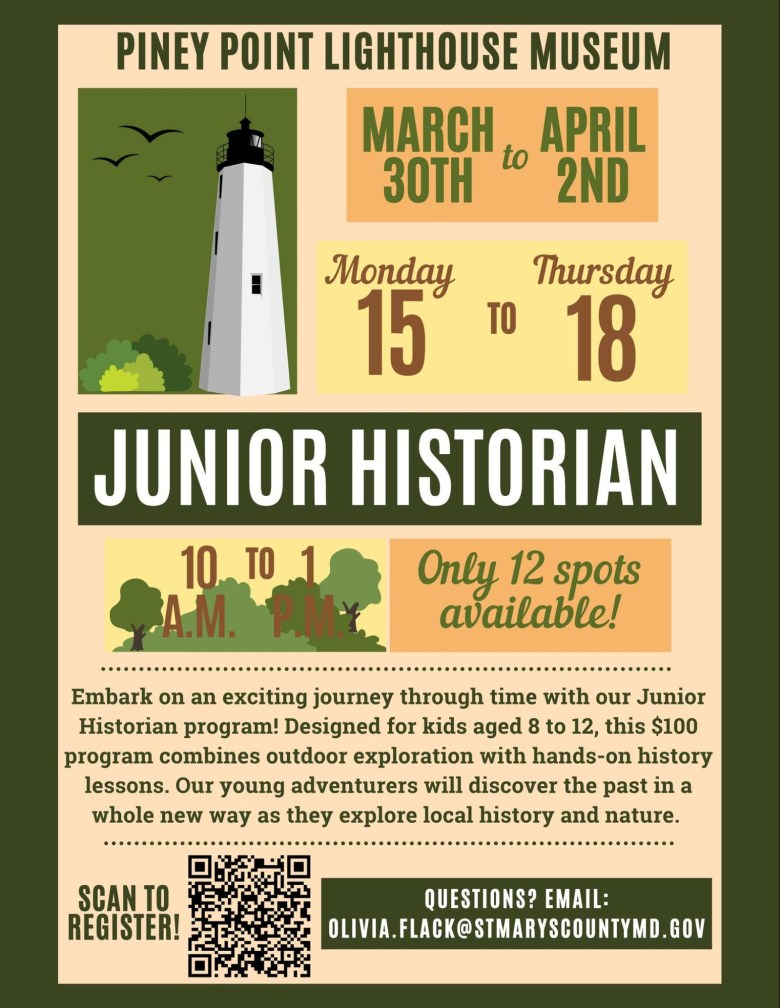 Photo Source: Piney Point Museum Facebook Post
Related
Comments are closed.