
Image Credit: Shutterstock.
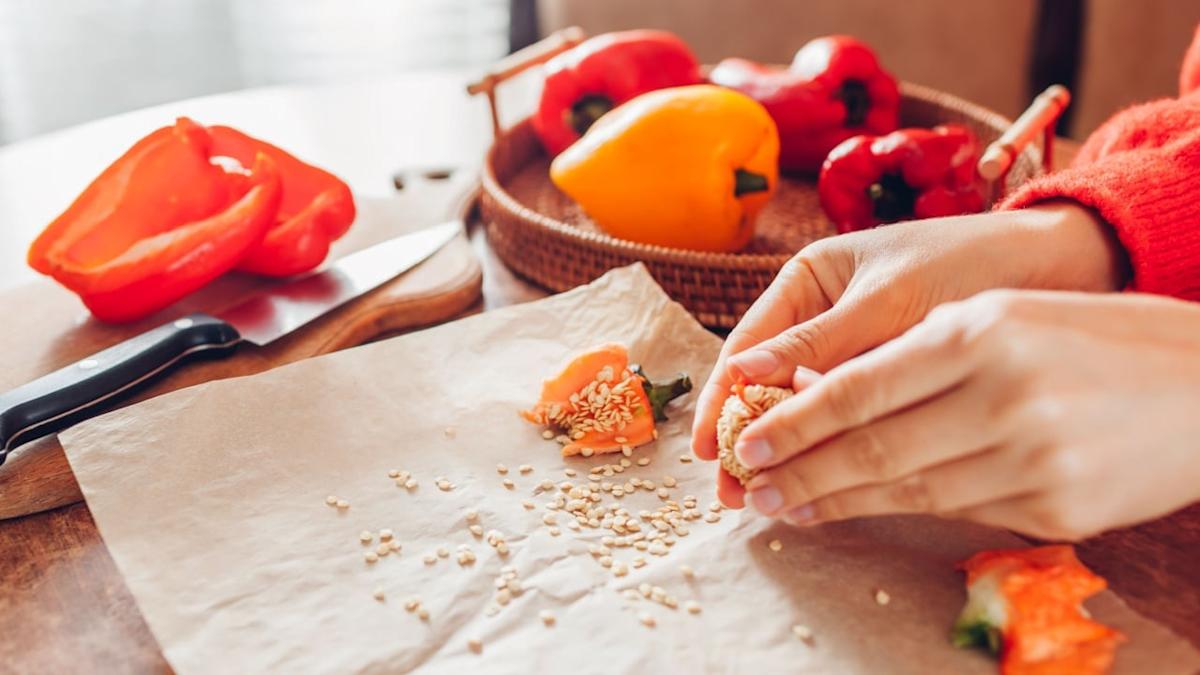
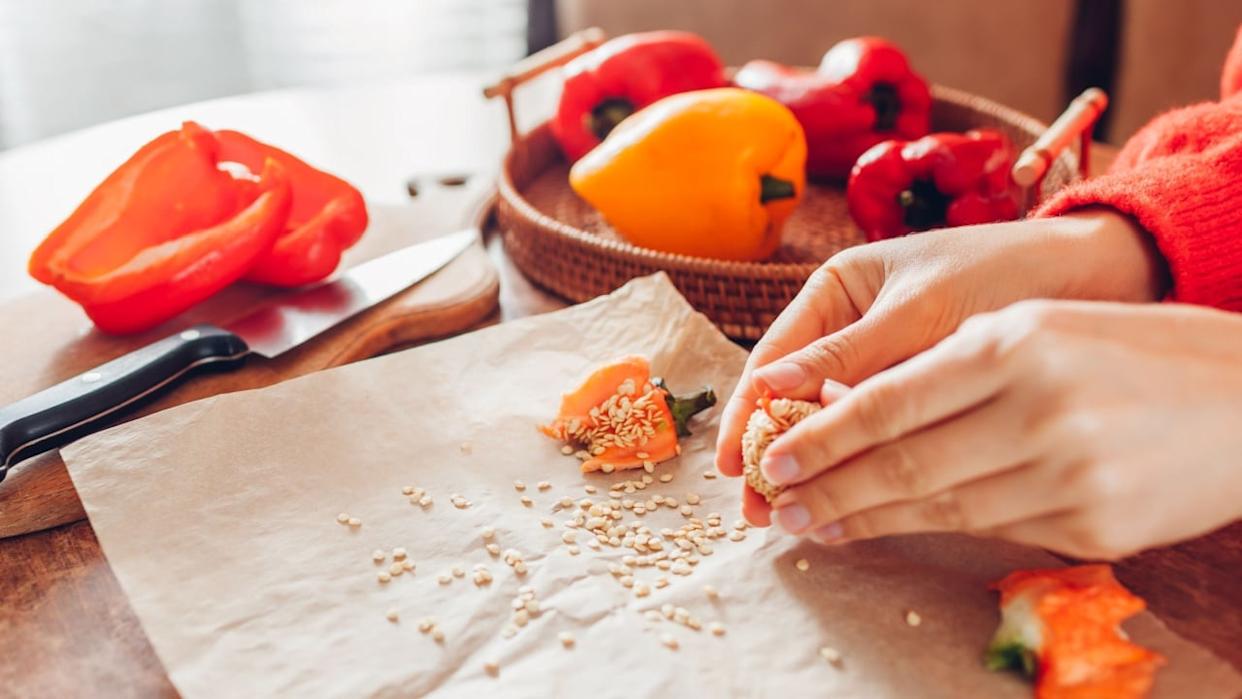
Before seeds came in glossy packets with barcodes, every gardener saved them. It was as ordinary as saving a recipe; something you did at the end of the season so you could do it all again next year.
Then, somewhere in the last few generations, the practice quietly disappeared from most home gardens, replaced by an annual trip to the nursery and a fresh packet of seeds that cost more every spring.
Here’s what got left behind: a skill that costs nothing, takes almost no special equipment, and gradually makes your garden perform better with each passing year.
The Skill That Skipped a Generation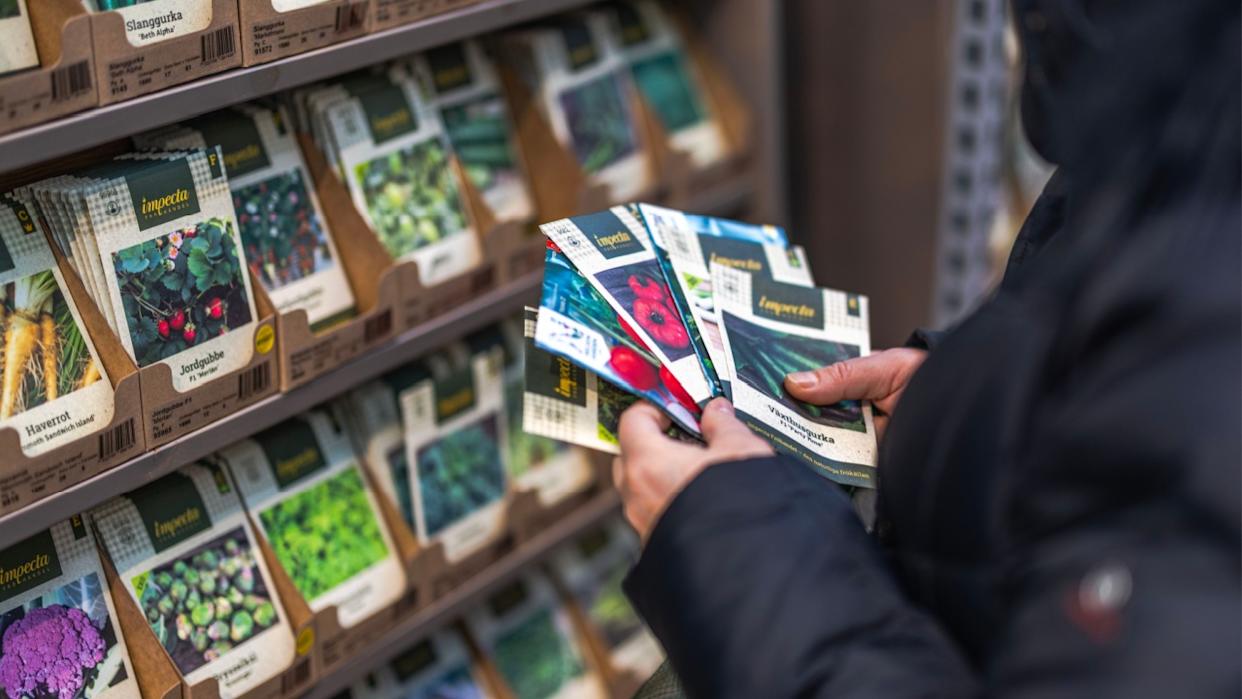
Image Credit: Mulevich at Shutterstock.
For at least 12,000 years, seed saving was simply how farming worked. Gardeners and farmers selected their strongest, most flavorful plants, harvested the seeds, stored them through winter, and planted again in spring. Over generations, those seeds adapted to local conditions – to specific soils, microclimates, and growing seasons in ways no catalog variety can replicate.
The shift came in the mid-20th century, when hybrid seeds entered the mainstream and large agricultural companies began consolidating the seed industry. Today, as Tove Danovich at Civil Eats reports, just four companies control more than 60 percent of global seed sales. Many of those seeds are patented hybrids, bred for uniformity and shelf life, and designed to be purchased new each season.
If you grew up watching a parent or grandparent tuck seed envelopes into a tin or a freezer bag at the end of summer, you already know more about seed saving than you think.
Why Your Seed Choice Is the Most Important Decision in the Garden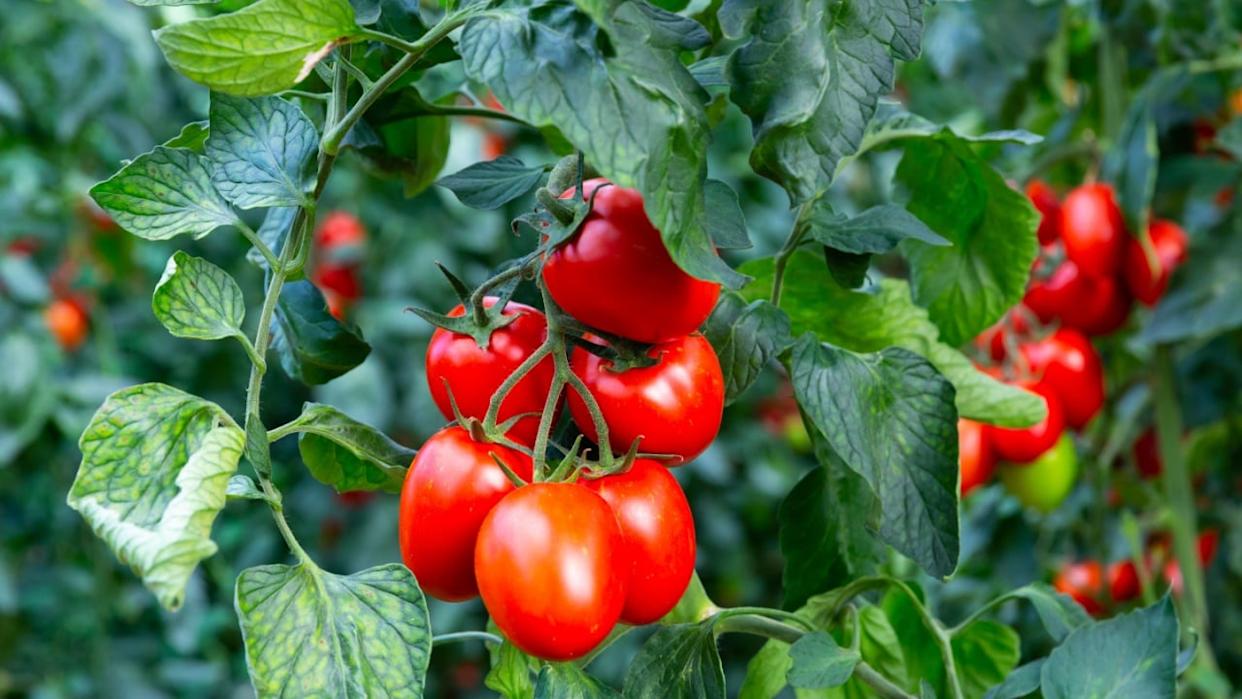
Image Credit: Shutterstock.
Not all seeds can be saved and replanted successfully. The key distinction is between open-pollinated varieties and hybrids.
Open-pollinated seeds, including all heirlooms, reproduce true to the parent plant. If you save seeds from an open-pollinated Brandywine tomato this summer, next summer’s plants will produce the same deep-shouldered, complex-flavored fruit. As the University of Minnesota Extension notes, open-pollinated varieties produce plants that remain “very similar to the parent plant” across generations.
Hybrid seeds work differently. They’re bred from two distinct parent lines to produce a specific combination of traits, but that combination rarely holds in the next generation. Plants grown from saved hybrid seeds may produce something entirely different, and are often disappointing.
The practical rule: look for “open-pollinated” or “OP” on the seed packet, and avoid anything labeled F1.
The Best Plants to Start Saving Seeds From Right Now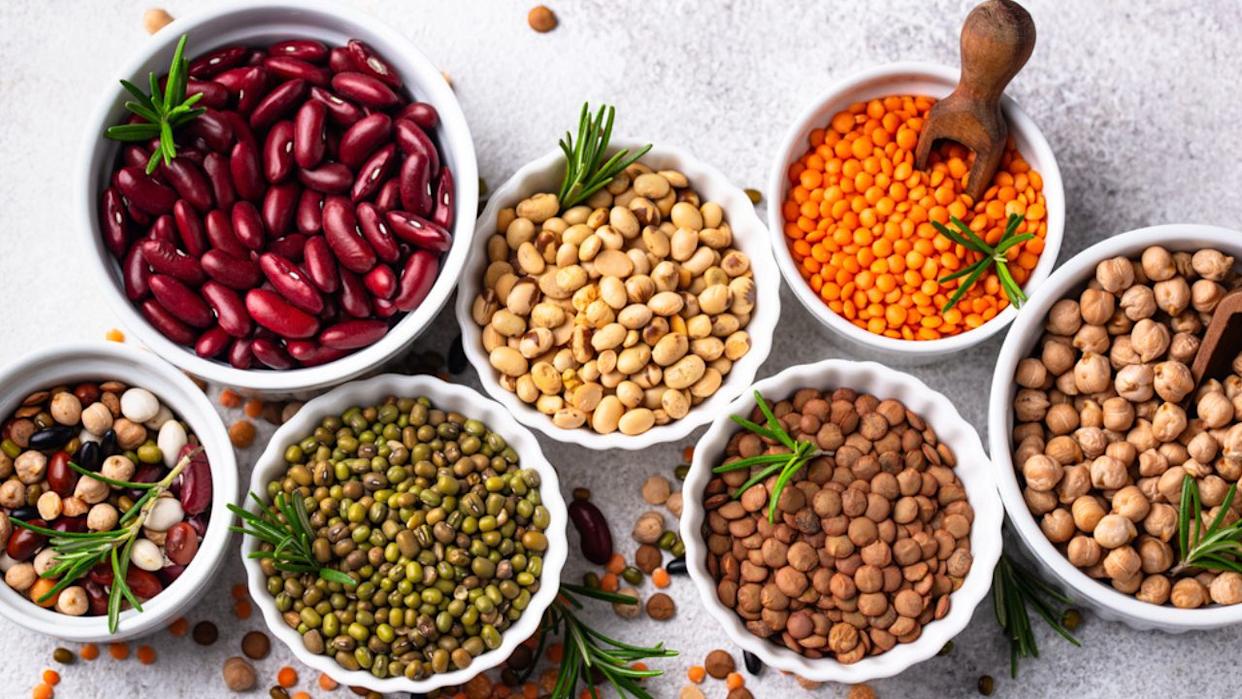
Image Credit: Deposit Photos.
The best entry point for new seed savers is a self-pollinating crop, because self-pollinators complete pollination before insects or wind can intervene. That means the seeds you save will almost certainly grow true to type, without complicated isolation strategies.
Tomatoes, beans, peas, and lettuce are the classic beginner’s quartet, recommended by Penn State Extension and the UC Master Gardeners for their reliability and ease. Okra is another excellent choice for warm-climate gardeners. Flowers deserve a spot on the list too: marigolds, zinnias, nasturtiums, and calendula all self-seed readily and offer an endless, free supply season after season.
Here is the fact that tends to stop people in their tracks: according to seed saving author and longtime heirloom grower Will Bonsall in Down East Magazine, a single tomato can produce anywhere from 50 to 200 seeds. At $4 to $6 per commercial seed packet, one well-chosen tomato left to ripen fully on the vine can represent years of planting stock, at no additional cost.
How to Save Seeds in Three Simple Steps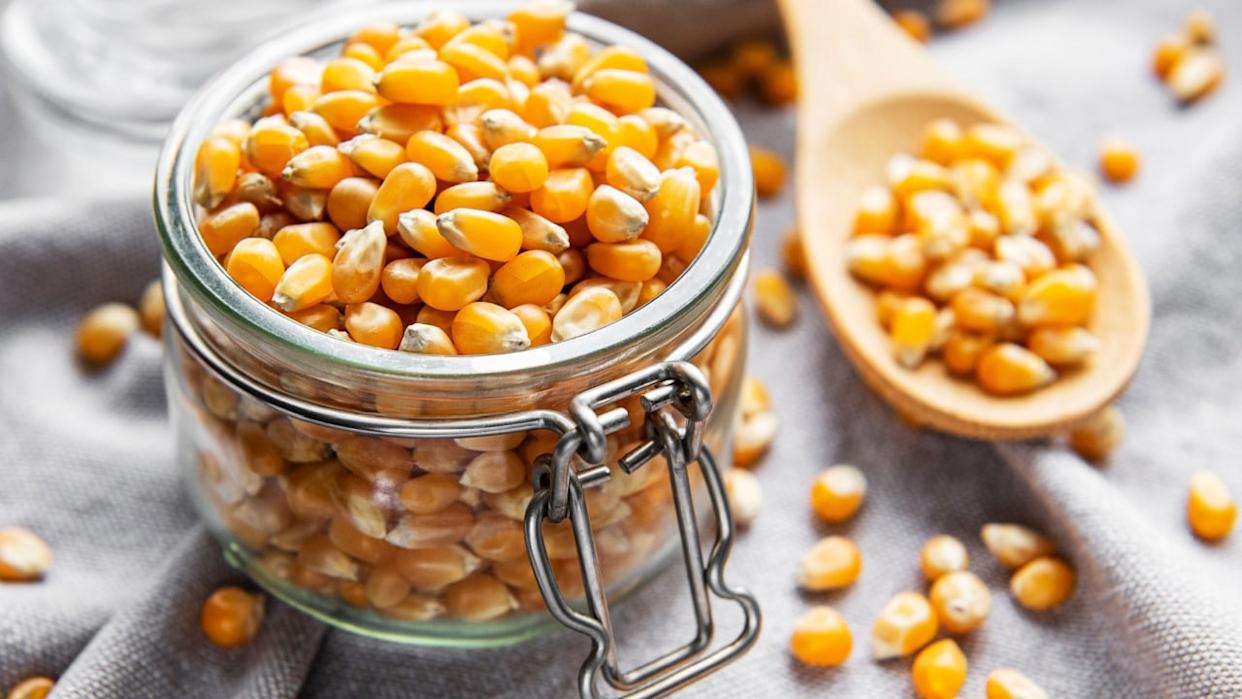
Image Credit: Shutterstock.
The mechanics of seed saving are more forgiving than most garden guides suggest.
For dry-method seeds like beans, peas, most flowers, and herbs, the process is nearly hands-off. Leave pods on the plant until they’re fully dry and beginning to rattle. Shell them, let the seeds air-dry indoors for another week or two on a ceramic or glass surface, and store.
Wet-method seeds, primarily tomatoes, require one extra step. Scoop seeds and pulp into a small jar of water and let it sit for two to five days, stirring occasionally. The fermentation process removes the gelatinous coating that surrounds tomato seeds and inhibits germination. Viable seeds sink; non-viable seeds float and can be poured off. Rinse, dry thoroughly, and store. The UC Master Gardeners of Santa Clara County note that this process also reduces the risk of certain seed-borne diseases carrying over to the following season.
For storage, the formula is simple: cool, dark, dry, and sealed. Glass jars with tight lids are ideal. Adding a small silica gel packet or a tablespoon of powdered milk wrapped in cheesecloth to your seed storage container absorbs any residual moisture. Label every container with the variety name, harvest date, and growing notes. Under ideal conditions, tomato, cucumber, and squash seeds remain viable for four to five years, though onion and sweet corn seeds are best used within a year or two.
The Part Nobody Tells You About Seed Saving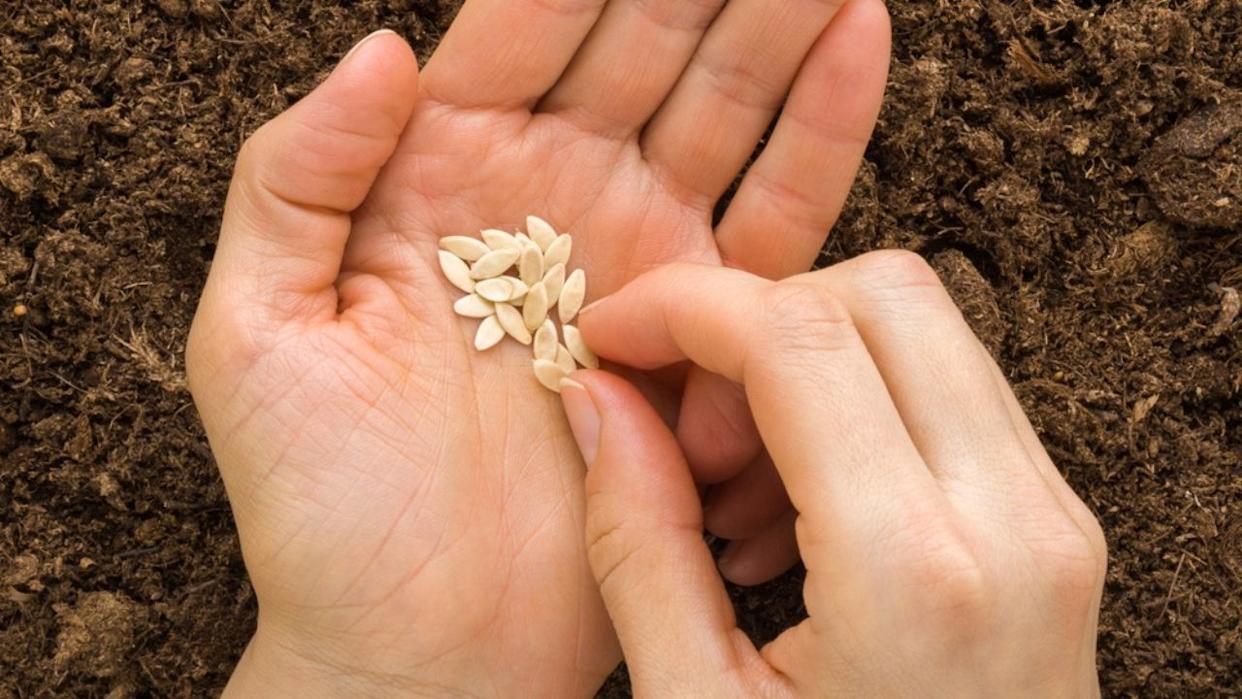
Image Credit: Shutterstock.
The technique is easy. The more meaningful part is knowing which plants to save from.
Every season, committed seed savers walk their gardens with a different eye — not just looking for what’s ready to eat, but noticing which tomato shrugged off the heat wave, which bean produced the most abundantly, which lettuce held on longest before bolting. Those are the plants worth saving from. As seed saving author Fern Marshall Bradley explains in Civil Eats, saving from your strongest plants means “each year those seeds will give you plants that are better adapted to your conditions.”
This is informal plant breeding. It requires no laboratory or science degree, only attention and patience.
The Seed Savers Exchange, founded in 1975 and now safeguarding more than 20,000 rare and heirloom varieties, was built on exactly this principle: that the most important seed preservation happens not in cold vaults but in living gardens, passed from hand to hand.
Small Steps, Long Legacy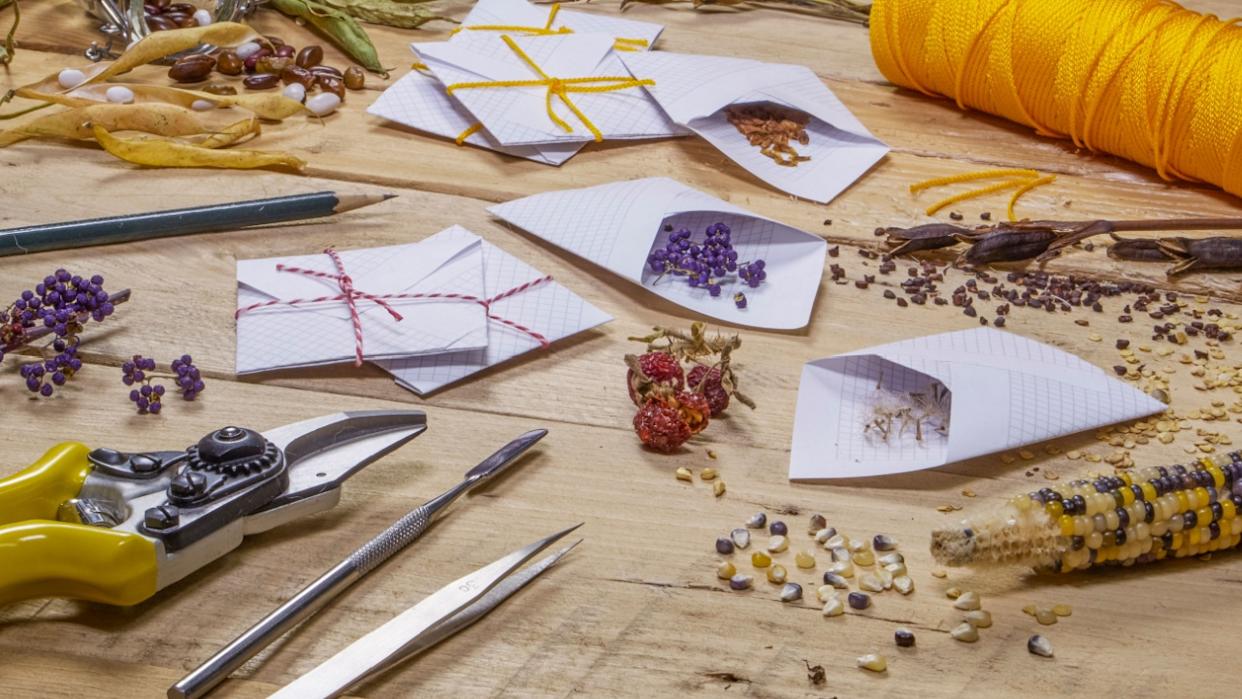
Image Credit: Shutterstock.
You don’t need to overhaul your garden to start. One plant, one season, is enough. Save seeds from a single tomato this summer, a variety you loved, one that tasted the way tomatoes are supposed to taste, and you will have enough seed to plant it again next year, share it with a neighbor, and tuck some away for the year after that.
Seed libraries at public libraries, local seed swaps, and organizations like the Seed Savers Exchange make it easy to find open-pollinated varieties worth starting with. The knowledge your grandparents’ generation carried so casually hasn’t disappeared. It’s been waiting, patient as a seed in a jar, for someone to pick it back up.
Read more
Stop Pruning These Plants in March (And What to Actually Prune) — You’re Cutting Off This Year’s Blooms
The $3 Garden Upgrade Your Grandmother Knew About That Replaces Expensive Fertilizer
Comments are closed.