
First came ‘burping’ your home, now Hügelkultur is having a moment – traditional household and gardening methods from Germany seem to be stepping into the spotlight.
But what’s behind the funny-sounding name? We’ve asked a gardening expert to find out.
What is Hügelkultur exactly?
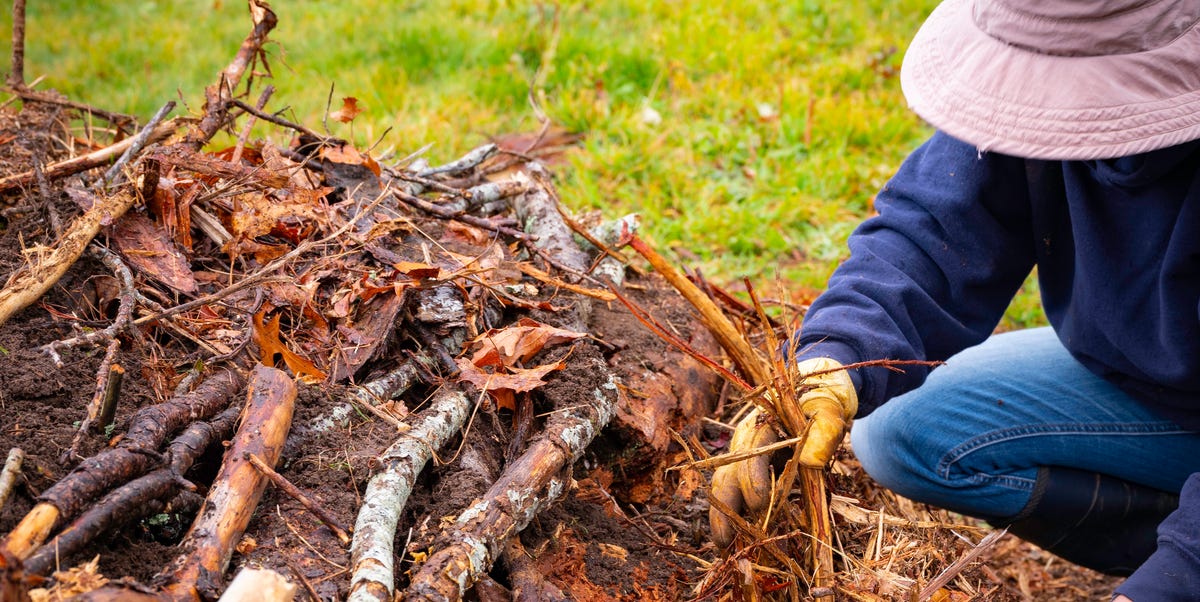
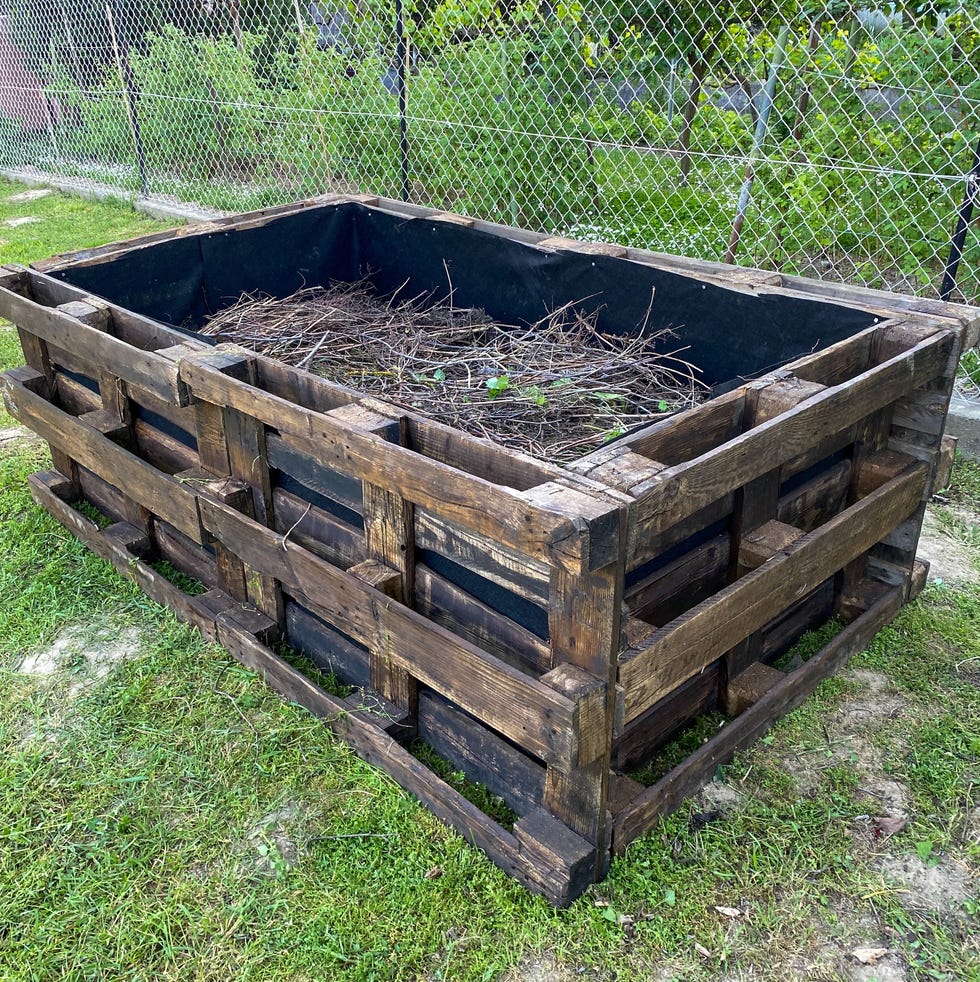
Hügelkultur (pronounced ‘hoo-gul-culture’) translates to ‘mound cultivation’ and is a sustainable gardening permaculture technique that involves building raised garden beds over a base of garden waste, like decomposing wood, branches or organic debris.
“Imagine burying a rotting log under your vegetable bed. As it breaks down, it keeps the soil moist and fertile for years. That’s essentially Hügelkultur,” explains Chris Bonnett, plant and garden expert and founder of online garden centre Gardening Express.

Ervin Hajos//Getty Images
The technique comes from German-speaking regions of central Europe, where it’s been used in rural gardening for centuries.
Recently, the method has started gaining traction in the UK as hobby horticulturalists are looking for more sustainable ways to plant and grow.
How can a garden benefit from Hügelkultur?
Planting flowers and vegetables on top of decaying organic matter may seem a strange approach at first, but the technique brings benefits worth considering.
“Because the buried wood slowly breaks down and helps hold moisture in the soil, Hügelkultur beds can support healthy plants while reducing the need for extra watering or fertiliser,” says Chris.
Sang H. Kim//Getty Images
Hügelkultur allows the garden to sustain itself by recycling its own organic waste – a method that supports multiple aspects of sustainability at once.
“It fits nicely with the growing interest in low-waste and nature-friendly gardening,” Chris adds. “Instead of sending garden waste to the tip or burning it, this technique encourages people to reuse natural materials in their planting beds.
“So for many gardeners, it’s an easy way to make their garden a little greener while making good use of what they already have.”
How can you practice Hügelkultur at home?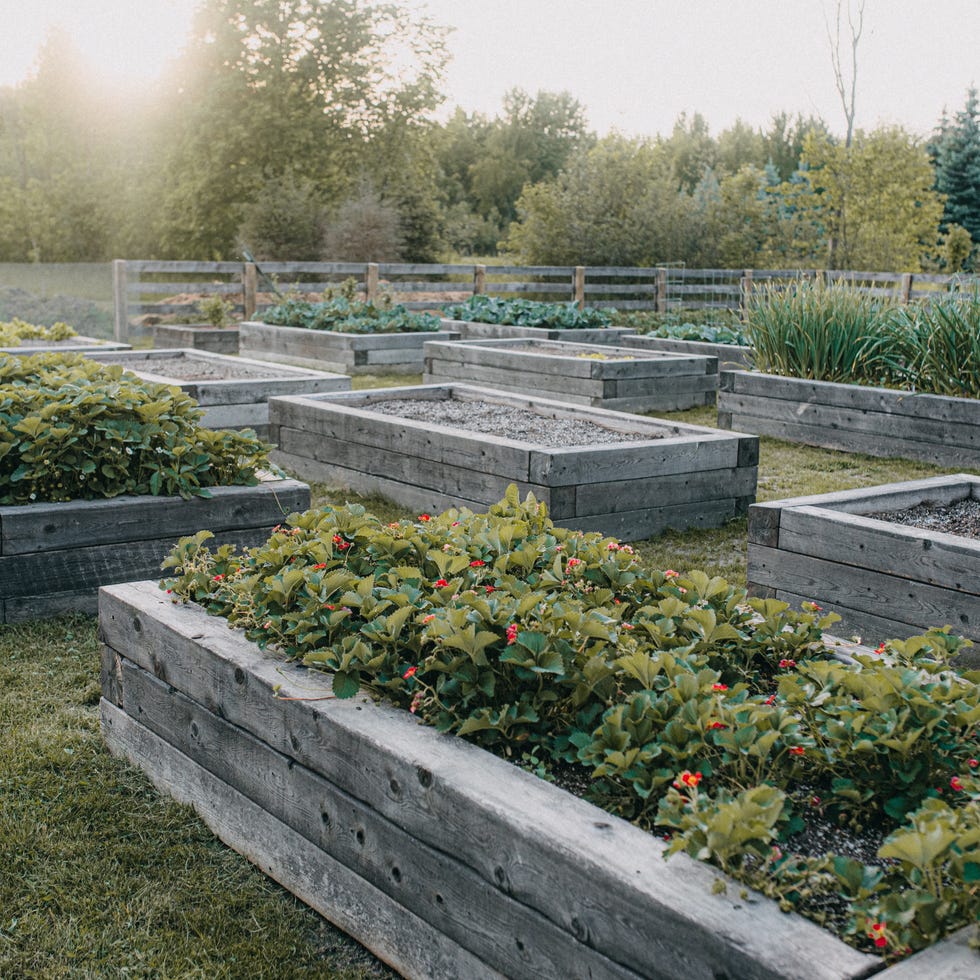
Stefania Pelfini la Waziya//Getty Images
Tempted to try it out for yourself? Below, Chris shares five steps to implementing Hügelkultur in your own garden.
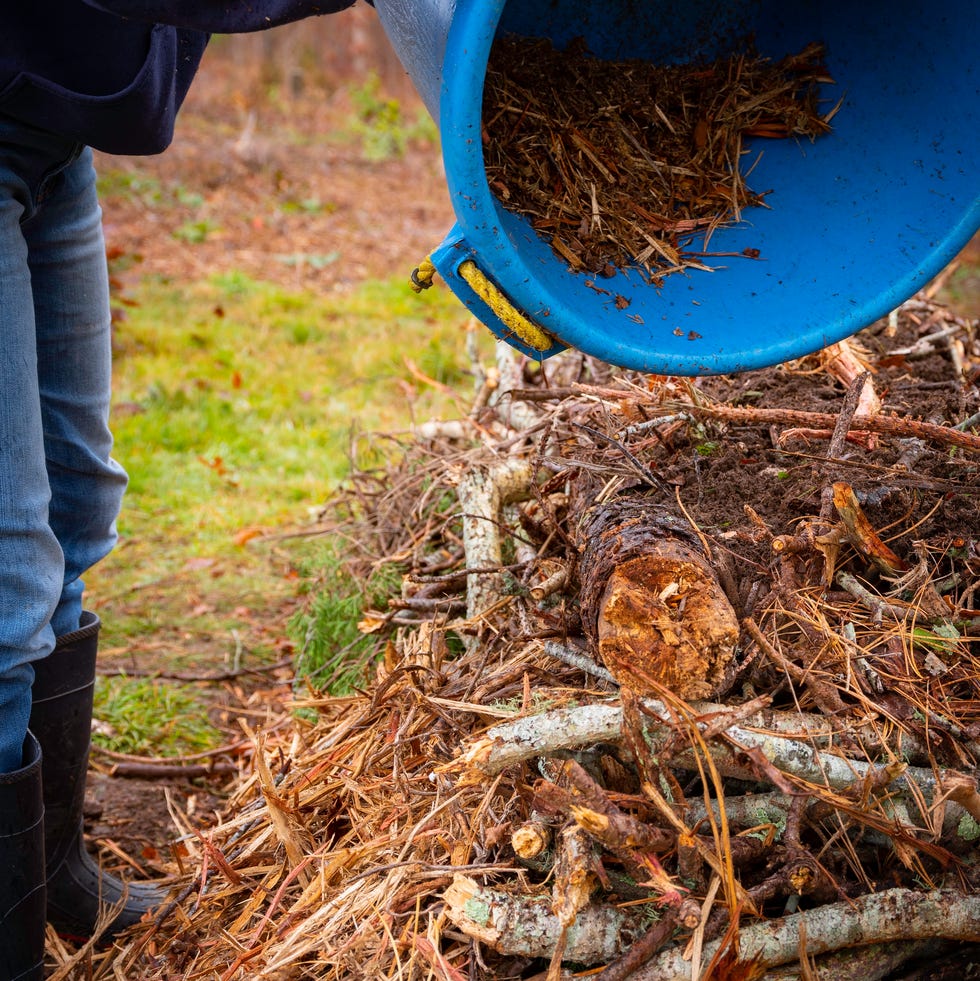
Pick the right spot: Choose a sunny or partially sunny patch of your garden. It doesn’t need to be huge; even a small bed works.Layer the wood: Start with logs or thick branches at the bottom. Don’t worry if they’re a bit old or broken! Then add smaller sticks and twigs on top.Add garden scraps: Throw in leaves, grass clippings, or other compostable materials you have lying around. This helps feed your soil as it decomposes.Cover with soil: Finally, top it all with a good layer of soil and compost so your plants have somewhere to root.Plant away! Sow plant vegetables, flowers or even herbs straight into your new Hügelkultur mound. Over time, the buried wood will break down, keeping the soil moist and full of nutrients.
Gardening must-haves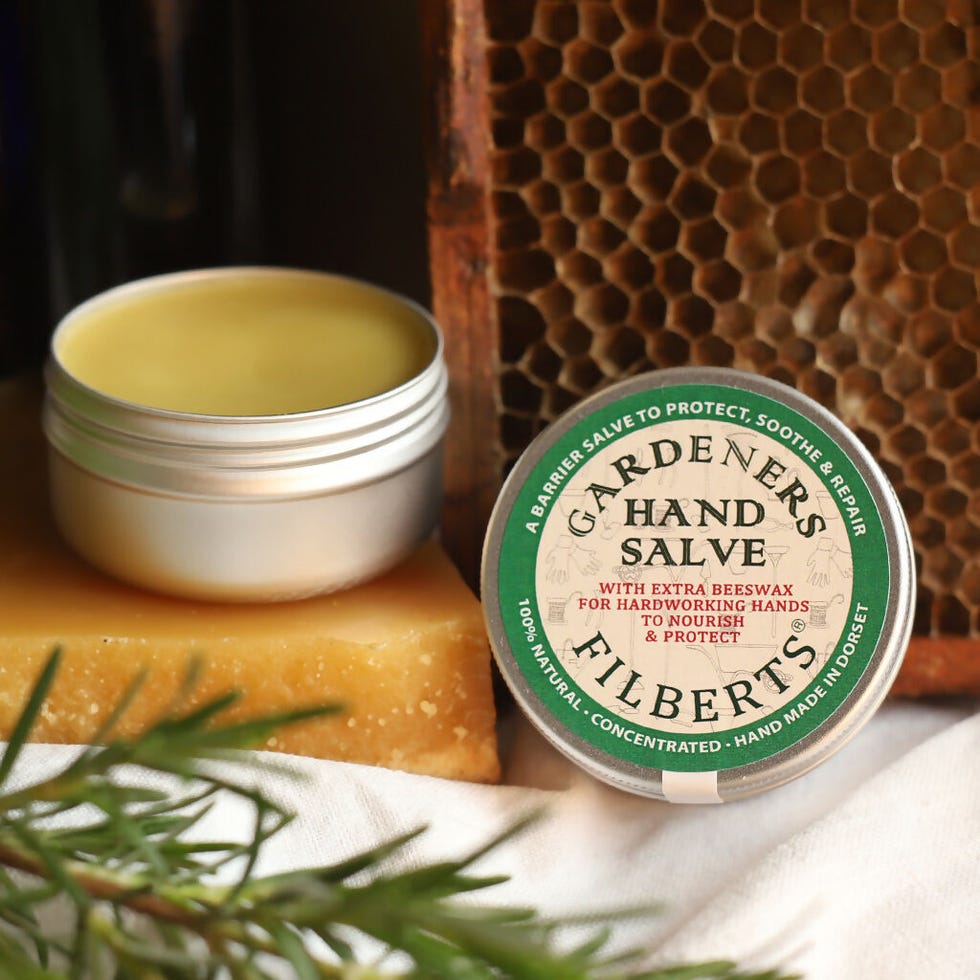 Filberts of Dorset Gardeners Hand Salve
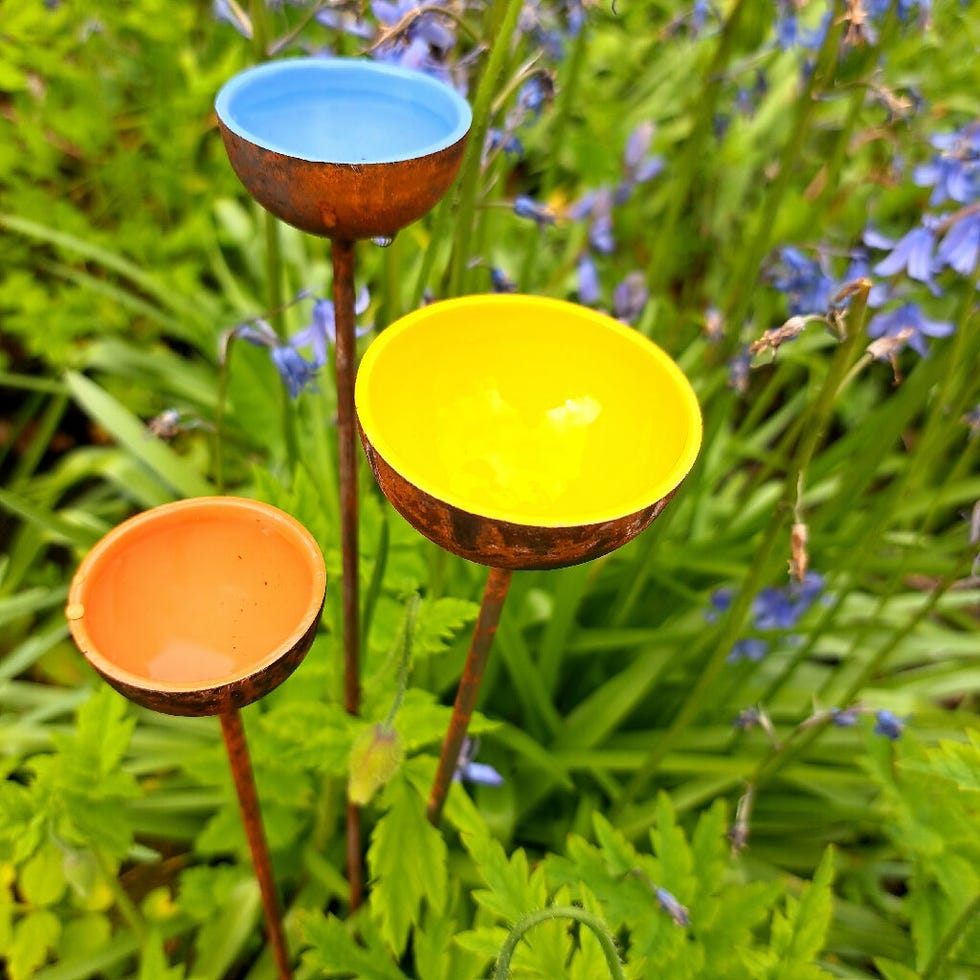 Haywards Garden Bee and Butterfly Water Stations, Garden Décor, set of three colourful bee water cups .
Now 17% Off
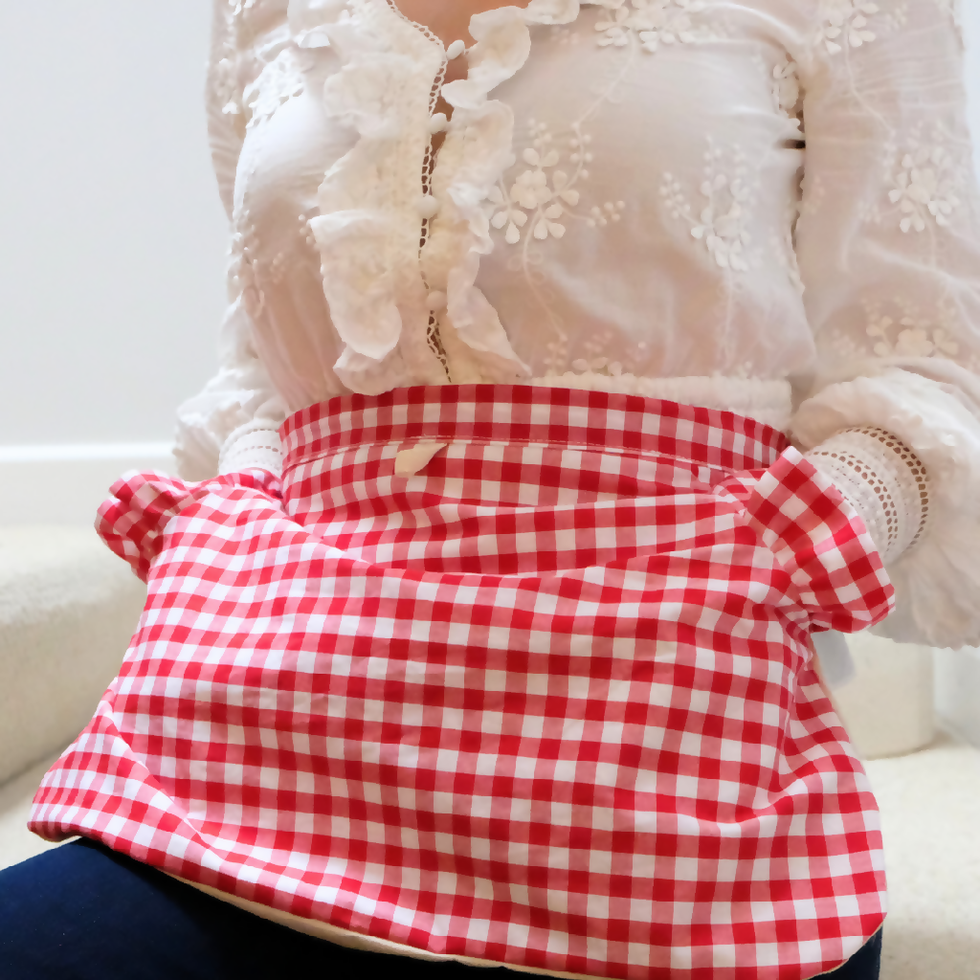 Home Sussex Handmade Peg Apron
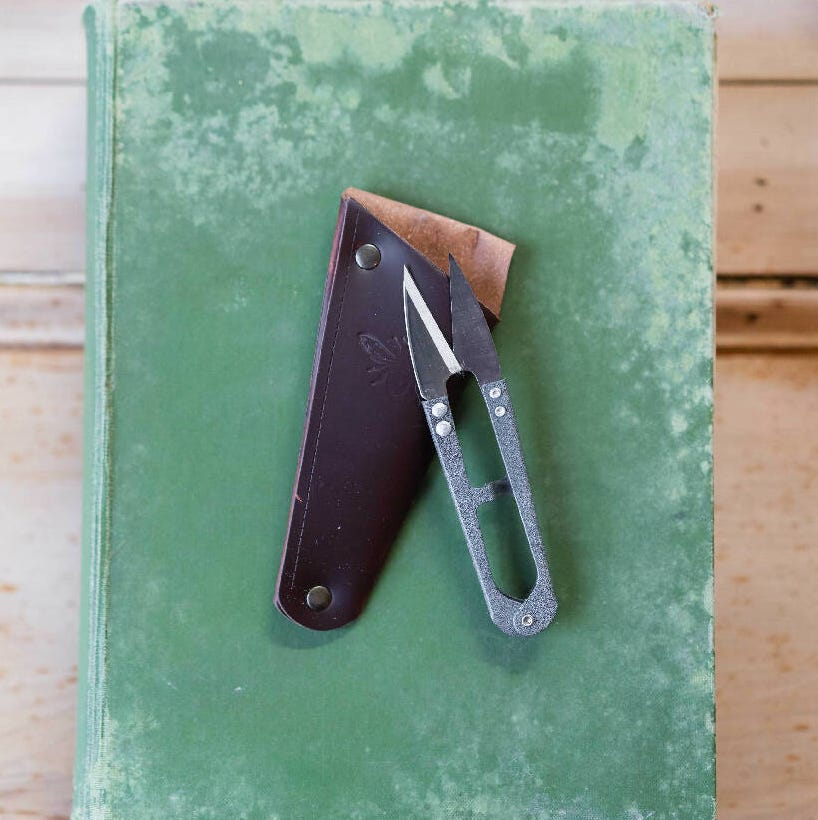 Garden Snips in Leather Pouch
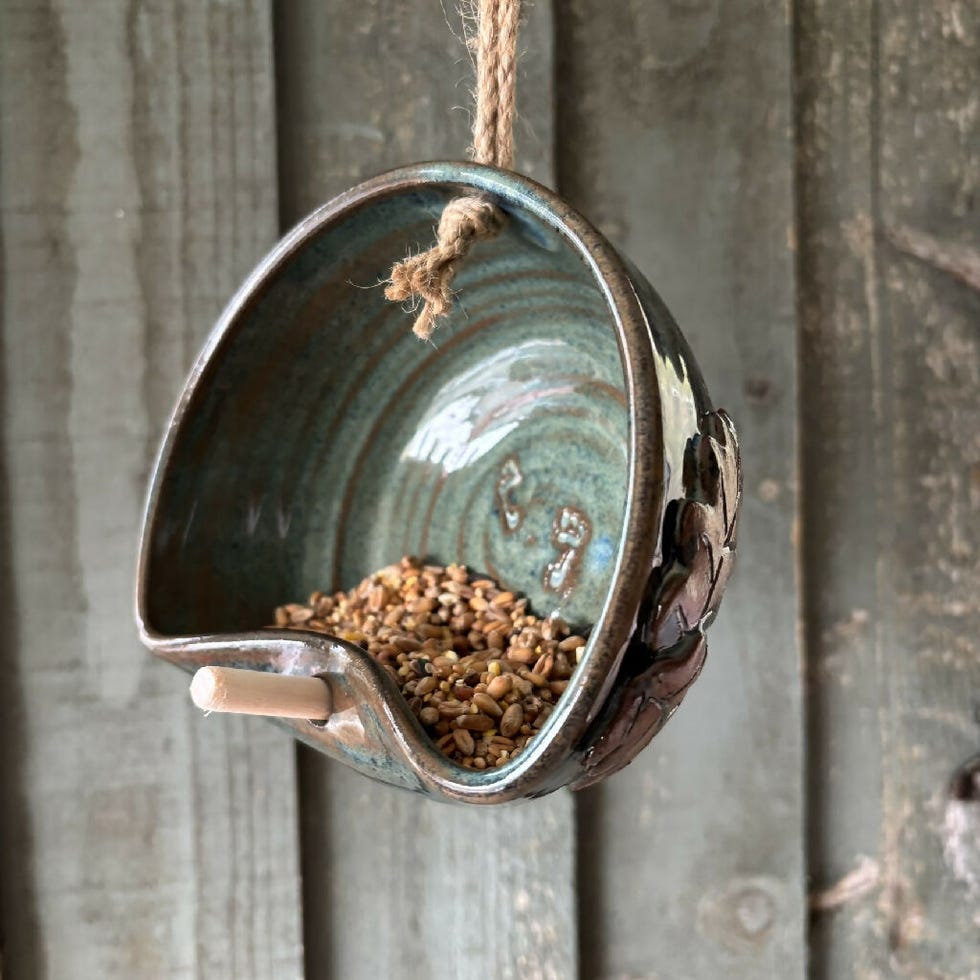 The Fae Potter Wild Bird Feeder ceramic hanging
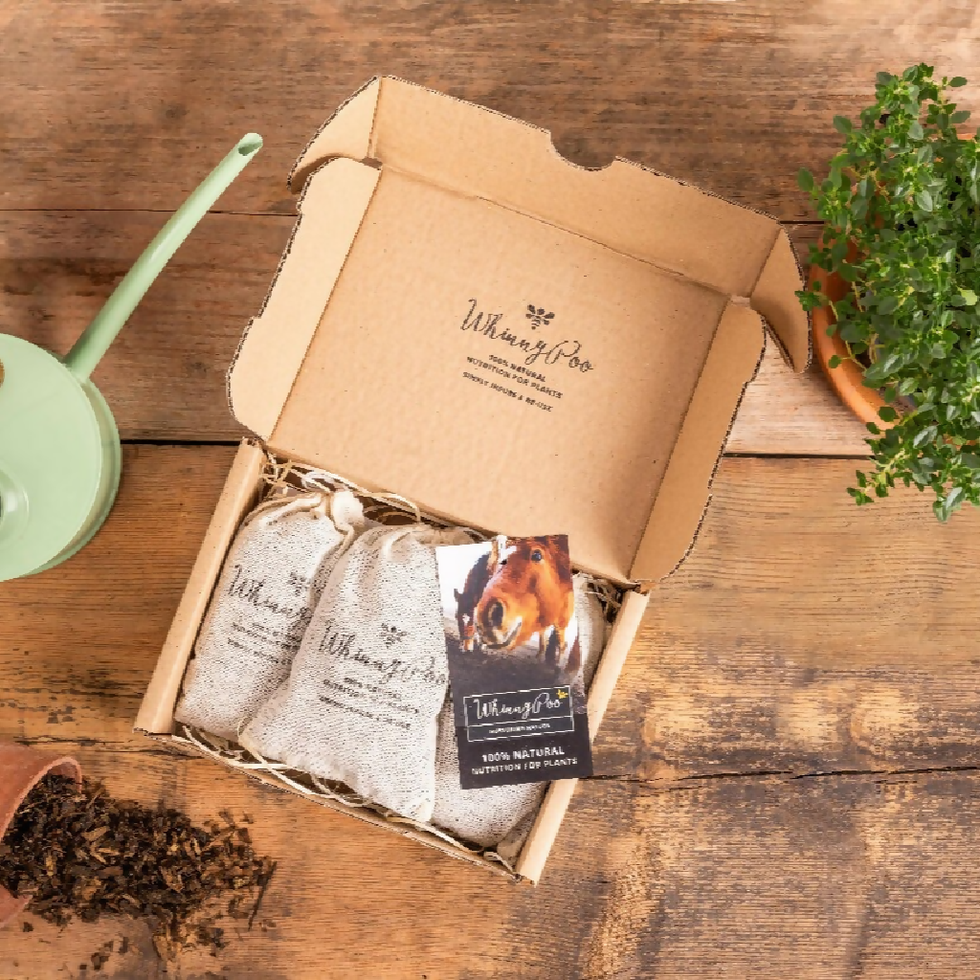 WhinnyPoo WhinnyPoo Box of 3 Plant Feed

Wanda Sachs is the Daily Writer for House Beautiful and Country Living, exploring the latest in interior design, home trends, property news, wellbeing and sustainable living. With a keen eye for style and a passion for storytelling, she previously served as an Associate Editor at The Berliner in Berlin, where she launched and led the magazine’s monthly style vertical, covering emerging fashion trends. Wanda holds a combined BA in English and German from Goethe University Frankfurt.
Comments are closed.