
A gardening expert has highlighted the “easiest way” to grow your own crop in March to produce a delicious treat in time for summer.
Best selling author and founder of his own gardening academy, Simon Akeroyd took to TikTok to showcase his method for creating a “simple” potato tower. Before you get started, make sure you have some potatoes from the supermarket or from seed companies.
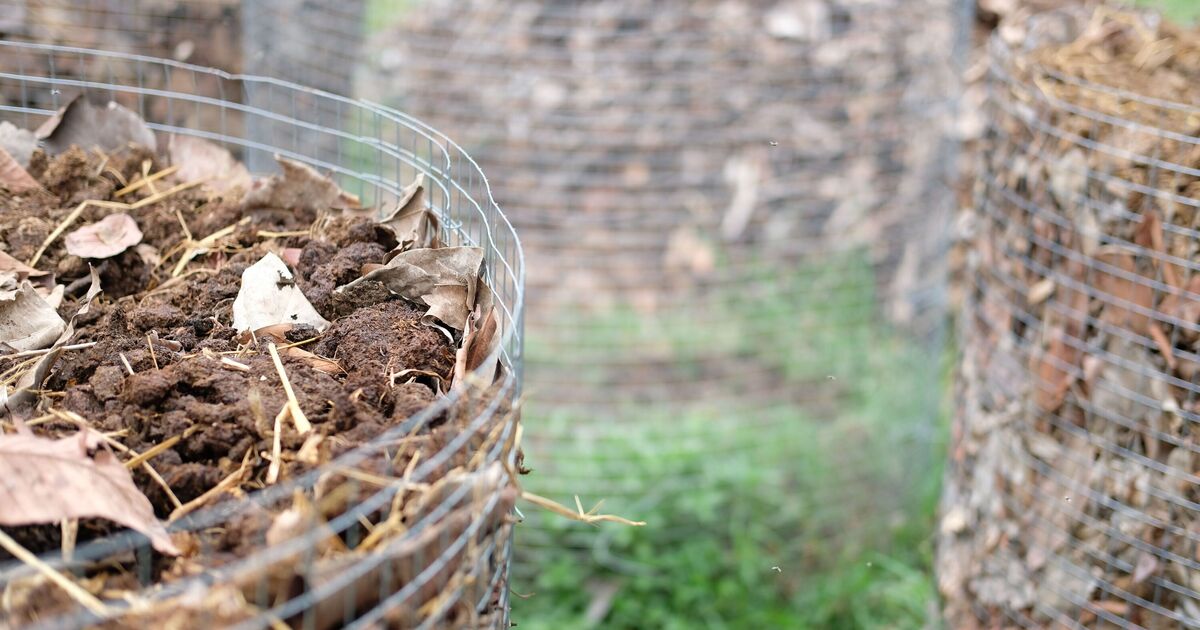
Simon began a video by demonstrating how to knock four large sticks into the ground using a mallet, which will form the tower’s structure. With the sticks positioned in a square shape, he then wrapped chicken wire around the circumference.
“No need to remove the turf below the tower,” Simon advised. “The compost will prevent it growing.”
Next, the expert grabbed his compost and mixed in his grass cuttings to bulk it out before tossing some into the structure followed by some potatoes and another layer of compost.
“Just chuck in about three potatoes,” Simon suggested. “Keep topping up with compost as the potatoes grow (known as earthing-up in the gardening world).”
Again, as the potatoes start to grow, the tower should be topped up with further compost, then further down the line the crop will be ready to harvest once the potatoes have finished flowering.
Simon enthused of the technique: “Potato towers save space and no digging is required! Growing potatoes is so easy.”
One TikTok user praised in response: “This looks great, I’m going to try this.” Whilst a second person was an advocate for the advice, penning: “I’ve done it by waiting until the potatoes sprout a little, slice the sprouted part off, (eat the rest of the potato) and put the pieces into a dustbin, drilled with holes and filled with compost.”
Meanwhile, if you don’t have enough space for a compost heat, Simon suggests developing a wormery instead by recycling two old buckets. “Wormeries are ideal if you do not have space for a compost,” he explained.
Simon went on to reveal how it works. “Worms will break down your kitchen waste and make it into compost to use on the garden,” he said. “You can also collect a liquid in the bottom container to use as a rich, liquid plant food if diluted at one part to 10 parts water. This liquid is often called ‘worm tea’. Or, I’ve called it worm juice!”
The gardening guru also stressed the importance of making sure the top container where the worms live has lots of holes for air circulation – and that you should avoid using earthworms,” he said. “Earthworms need much deeper soil and they don’t feed on kitchen waste so instead use compost worms, such as red tiger worms or European night crawler worms which thrive in shallow compost.”
The wormery should be kept at a temperature between five and 20 degrees and in a shaded area. The worms can be fed fruit and vegetable scraps.
Comments are closed.