
I think it’s safe to say we’ve all had enough of winter. This year the extreme weather has made day-to-day tasks like filling birdfeeders, walking the dog and fetching the mail more onerous than usual. For me, the challenge of keeping my dahlia bulbs from freezing has been particularly vexing. My garage is usually warm enough, but this year it’s been so cold that I’ve resorted to storing the bulbs in a large Igloo cooler that I wheel into the kitchen on extremely cold nights. My husband and dog seem to find this ritual amusing and slightly ridiculous. We will all be happy when spring comes.
As I suffer through the meteorological indignities of March, I always look forward to the annual spring symposium hosted by the Western Massachusetts Master Gardeners Association (WMMGA). This year’s symposium, Gardening as a Community!, will be held on March 21, from 9 a.m. to 2:15 p.m. at Frontier Regional High School in South Deerfield. (This happens to be the day after the vernal equinox, which is the first day of spring, astronomically speaking, when the sun will be directly above the equator at 10:46 a.m.)
As always, the WMMGA team has put together an exciting program that will provide important information and inspiration for the gardening season ahead. The symposium includes break-out sessions in the morning and afternoon on a wide range of topics. There will also be soil testing, a marketplace and refreshments. A keynote talk will take place between the morning and afternoon sessions followed by lunch. You can order lunch ahead from River Valley Coop or bring your own.
The morning sessions include Cool Plants for a Changing Climate, a show-and-tell presentation by Dan Ziomek of Sugarloaf Gardens in Sunderland, featuring trees and shrubs that will not only survive but thrive in a climate that is hotter, drier and wetter all at the same time.
Rachel Quimby of Amherst’s Hitchcock Center for the Environment will talk about garden activities for children that will foster a lifelong love of gardening. She will share lots of ideas, including scavenger hunts, worm investigations, plant dissections and taste tests, for involving children’s curiosity and sense of adventure in the outdoor world.
Rebecca Maillet of Many Graces Farm and Design in Northampton will present Enough for Everyone: Living in Reciprocity with the Land, a discussion of the chemical-free practices such as companion planting that are used at the 5-acre farm that produces gorgeous cut flowers sold locally and across the region.
There will be a two-part presentation, Gardening for Baby Boomers: 10 Ways to Garden Smarter and Live Longer, by Chris Ferrero, a Cornell Master Gardener, about strategies for gardeners to continue to enjoy maintaining their landscapes as they age. The sessions will help to reframe the question: “Not whether we can garden as long as we want but how!” Gardening for Baby Boomers will take place during the morning and afternoon sessions.
The afternoon sessions include Raiders of the Lost Park: The Latest Invasive Plants We Have a Chance to Beat by John Burns of Burns Environmental in Cummington. Burns will talk about the early detection of invasive plants that have recently arrived in our area or will soon arrive such as porcelain berry, mile-a-minute vine and Japanese stilt-grass. Burns will discuss means to control these new nasties before they take hold, and will also talk about management options for common, firmly established invasives.
In Letting the Gardens Garden, Alicia Houk of A Wild Garden in Thetford, Vermont, will discuss how to use native self-seeding annuals and biennials to create dynamic garden compositions that also suppress weeds, a surefire win-win. Houk will talk about the ecological role of these plants and practical strategies for incorporating them into your garden.
A hands-on workshop by Rachel Gonzalez of Rachel’s Everlastings in Orange will explain the craft of pressing flowers and allow participants to create a beautiful, pressed flower picture to take home.
One of the few good things about winter is the absence of active ticks in the landscape. But as the weather warms, these loathsome pests will emerge once again. This year’s keynote speaker, Dr. Stephen Rich, a professor in the Department of Microbiology at the University of Massachusetts Amherst and an expert on ticks, will discuss the risks posed by ticks and measures we can take to prevent those risks. This is important information for gardeners and anyone who enjoys the outdoors.
With a foot of snow on the ground and more on the way, it’s hard to believe that spring will ever come. But regardless of the weather, the WMMGA symposium is a wonderful venue for reconnecting with old gardening friends and meeting new ones. You’re certain to come away ready to dig into the upcoming gardening season. Register at: wmmga.org. The fee is $40; certain sessions have extra materials charges. Lunch provided by River Valley Coop is $15.
Two more opportunities to tide you over until spring arrives are the fabulous annual bulb shows at Mount Holyoke and Smith Colleges. For two weeks in March the colleges’ greenhouses are laden with daffodils, tulips, hyacinths and a host of other spring-flowering bulbs, a feast for our winter-weary senses. The Mount Holyoke show will take place at the Talcott Greenhouse; Smith’s show is at the Lyman Plant House. Both shows run from March 7 to March 22, 10 a.m. to 4 p.m. The Smith show will be open until 8 p.m. on Friday and Saturday. These are free, open to the public and not to be missed!
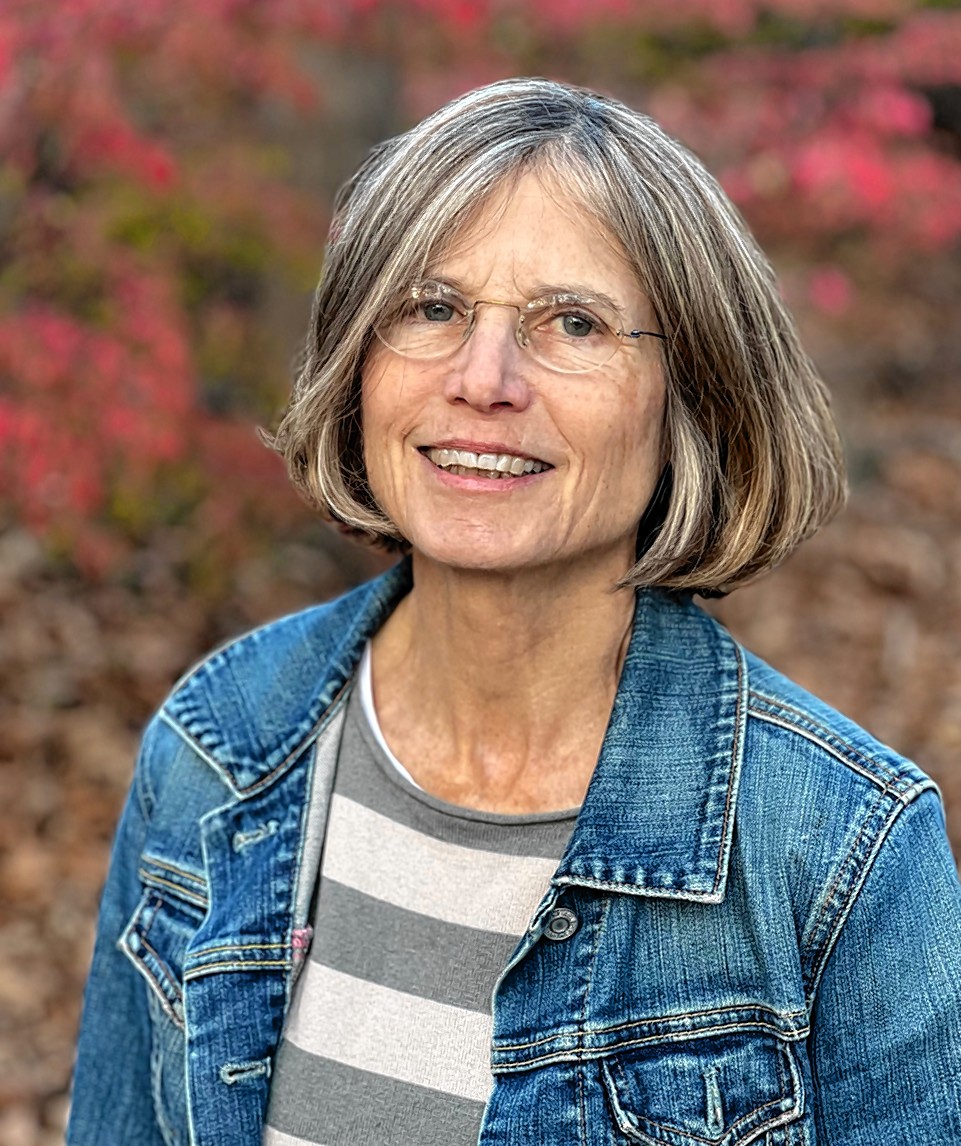
Mickey Rathbun is an Amherst-based writer. Her latest book, The Real Gatsby: George Gordon Moore, A Granddaughter’s Memoir, was published in 2024 by White River Press.
Comments are closed.