
Gardening expert Alan Titchmarsh has assured gardeners that a weed-free garden is entirely possible with just a few simple steps. Early spring is when weeds start to appear, as warming soil, increased moisture, longer daylight, and open spaces allow dormant seeds to germinate.
These weeds grow quickly before garden plants have a chance to fully establish. By following a few simple strategies, even the most unruly patches can be kept under control. According to Gardener’s World, Titchmarsh outlines five easy steps that make weed management straightforward and stress-free.
Alan begins by explaining that it is important to identify the weeds growing in your garden. One type is the annuals which come up one year, seed and then die.
The next is the perennial, which comes up every year, spreading by means of a fat underground root, that lasts for years. Alan describes these types of weeds as more of a “nuisance.”
How to control weeds
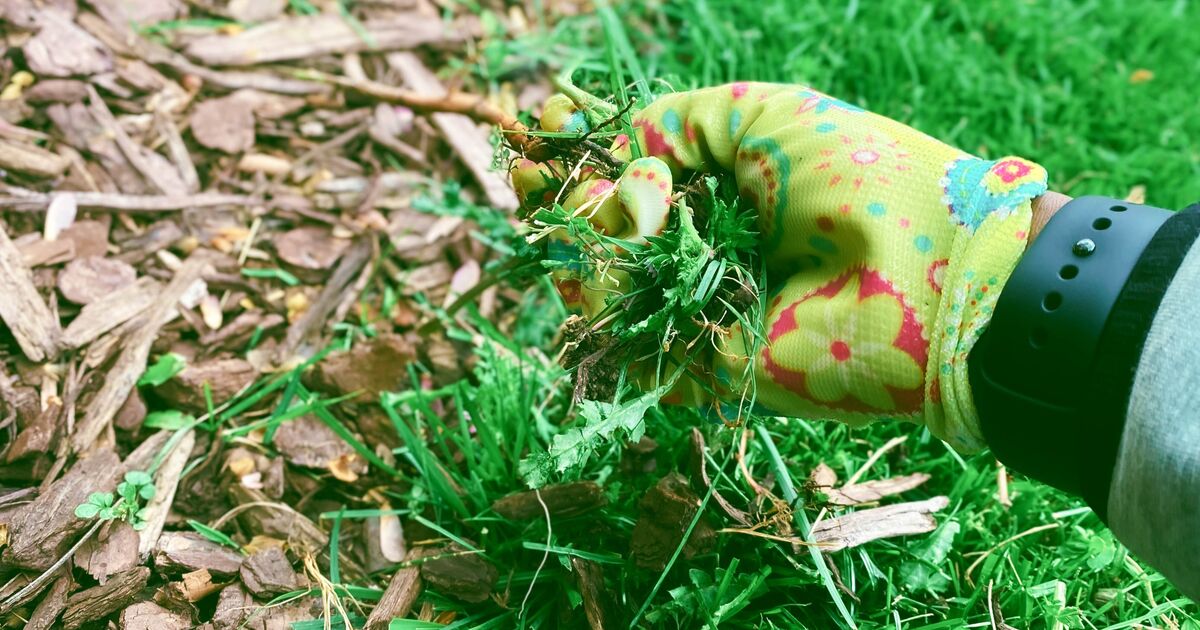
Small annual weeds like bittercress or groundsel are easiest to control when the soil is soft, particularly after rain. You can pull them out by hand before they have a chance to produce seeds and spread further.
Alan remarked: “If you don’t pull them out and you leave them to carry on, their way of perennating themselves is by seed. They will sprinkle seed everywhere, and there’s a famous old saying: ‘one year’s seed, seven years’ weed’.”
For spreading weeds like couch grass, the best approach is to use a hand trowel to dig out the roots. When dealing with deep-rooted perennials such as bindweed or nettles, a garden fork is most effective.
Dig deep and remove the entire root, because even small fragments left in the soil can regrow into new weeds. Weeds that grow in cracks on paths or patios require a different approach.
“Scrape out weeds, such as dandelions or meadowgrass.” Use a weeding tool or even a knife to scrape them out from tight spaces, making sure to remove as much of the root as possible.
Finally, tough, persistent perennial weeds that are hard to remove by hand can be treated with weed-killer. Apply it carefully on dry leaves when no rain is expected, following all safety instructions to protect other plants and the environment.
The expert at Gardener’s World advised: “Japanese knotweed can be a very serious problem and can be difficult to eradicate. Professional help may be necessary.”
Ensure our latest stories always appear at the top of your Google Search by making us a Preferred Source. Click here to activate or add us as your Preferred Source in your Google search settings.
Comments are closed.