
“Hearst Magazines and Yahoo may earn commission or revenue on some items through these links.”
With spring quickly approaching, you may be eager to dust off your gardening tools and start digging into the (just-thawed) soil. But before you get too carried away with your yard maintenance, stop and consider the impact it might have. Just because you’re ready to head full-speed into your gardening tasks on the first day of spring doesn’t mean it’s the right thing to do.
“Most people think of gardening as something they do once the weather turns pleasant,” says Jim Lapic, master gardener with the Penn State Master Gardener Program. “However, to gain the most enjoyment (and produce/flowers) from your gardens, you need to look at it as a year-long labor of love.” This means that you need to take the rest of the year (and its conditions) into consideration before determining which spring gardening tasks will support your garden’s growth.
Ahead, we talked to gardening experts about which outdoor tasks you should hold off on doing in early spring—as tempted as you might be to get them done now.
Digging Wet Soil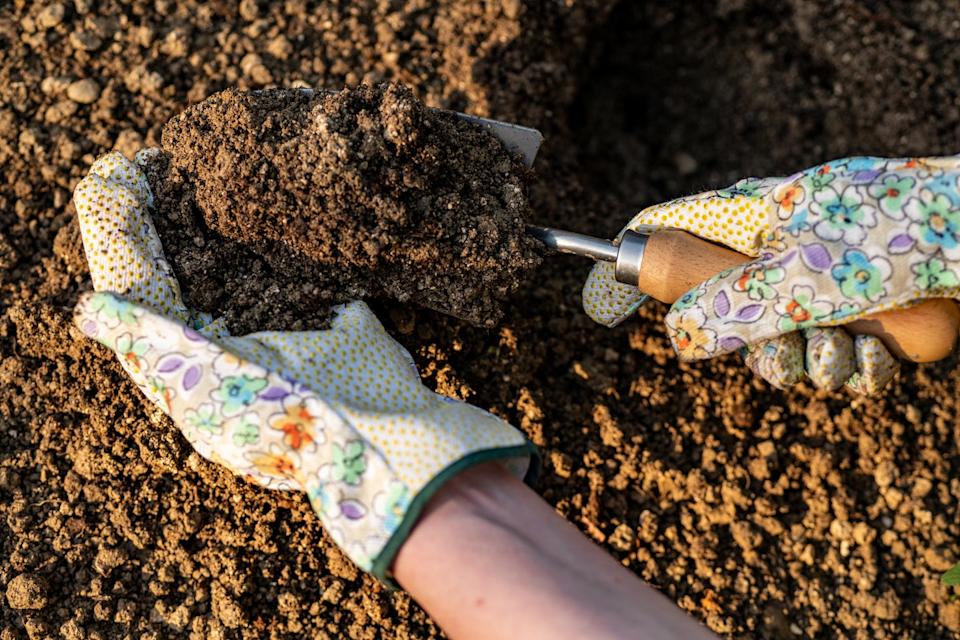
AndreaObzerova – Getty Images
While it might be tempting to dig into any wet soil you may encounter during the spring in hopes of shortening the amount of time needed to prepare for new seeds, Amy Enfield, Ph.D., senior horticulturist at Miracle-Gro, warns against it.
“Spring soil is often waterlogged from snowmelt and rain. If you till, walk on, or dig wet soil, you destroy its structural aggregates. All the air pockets get squished out, and when the soil eventually dries, it turns into concrete-like clods that delicate plant roots cannot penetrate,” she explains.
Instead of digging or tilling the wet soil, she recommends sporadically squeezing it to test whether it is dry and crumbly enough to add compost or additional soil, and only doing so when it is ready.
Pruning Spring-Flowering Shrubs
boonchai wedmakawand – Getty Images
Lapic explains that pruning spring-flowering shrubs is a common spring gardening mistake—even if this seems like the logical thing to do.
“Spring flowering shrubs set their buds at the end of last year’s growing season,” he explains. “So any spring pruning you do is basically just cutting off all the blooms that you would have seen if you had just left the shrub alone.”
Rather than pruning these shrubs, Lapic recommends enjoying the blooms and pruning them only if you think that it’s necessary after they bloom (as opposed to before).
Sending Leaves to Landfills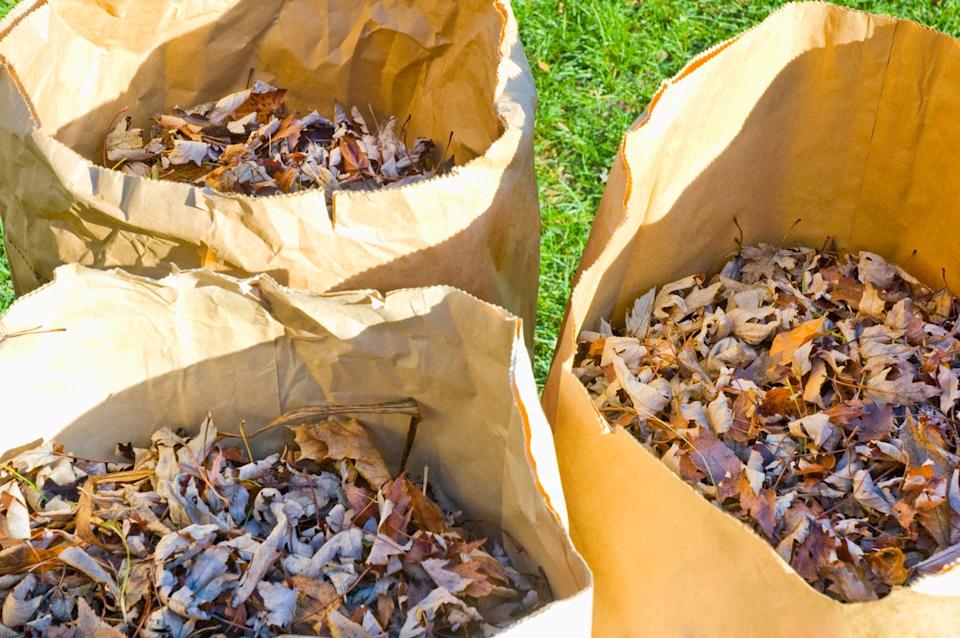
Eliza317 – Getty Images
Even though you might be inclined to dispose of any leaves that may have made their way to the ground come spring, Bolles suggests not doing so. Instead of sending them to a landfill, “consider utilizing leaves as mulch in the landscape,” she explains. “They may also be mulched up with a mower and [added] to a garden bed or compost bin.”
She also notes that placing leaves in recycled brown bags instead of plastic ones is not only better for the environment, but also for areas composting yard debris.
Prematurely Watering Grass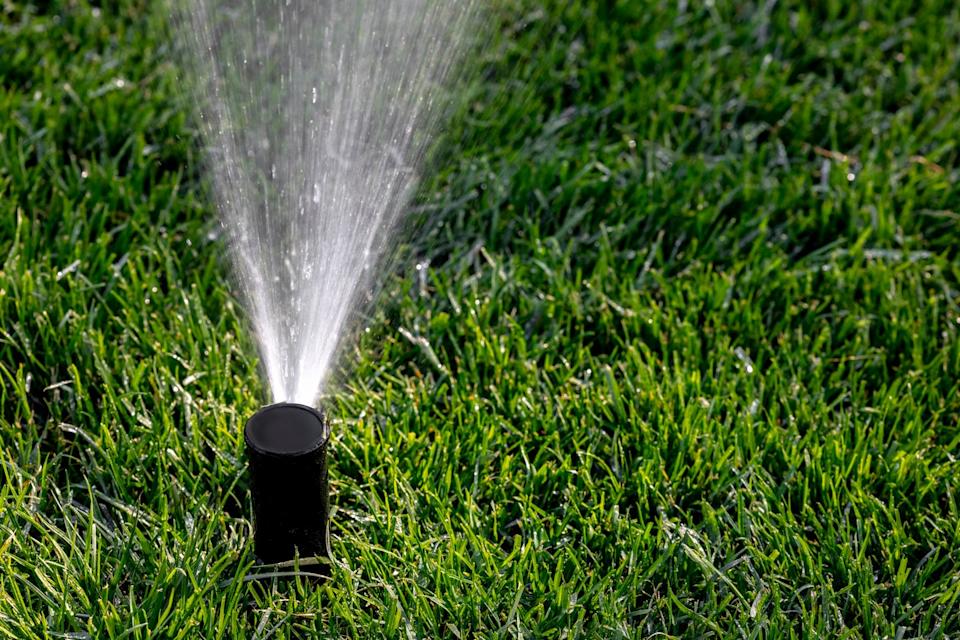
Malorny – Getty Images
Linda Langelo, extension and horticulture specialist at Colorado State University and author of Plants Are Speaking. Are You Listening?, notes that many people overlook that cooler temperatures cause grass to retain moisture, leading them to water their grass too early in the spring.
While there’s no denying that your lawn and other grassy areas require water, you should aim to hydrate them at the appropriate time, which can be a couple of days or weeks into the season. She recommends allowing the temperature to reach at least 50 degrees Fahrenheit instead of watering your grass areas or lawn during the first couple of days.
Planting Vegetables Too Early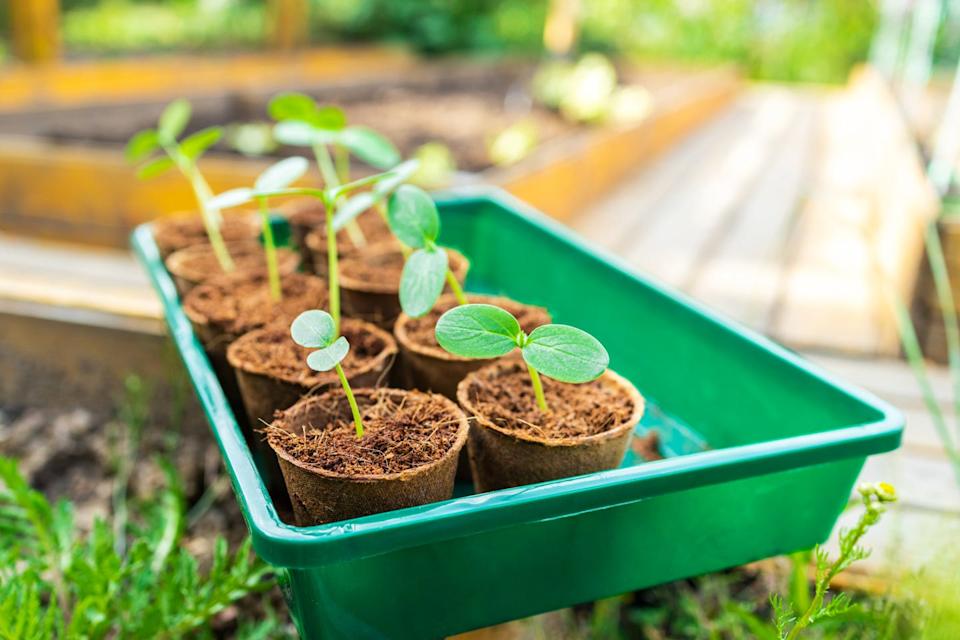
Elena Medoks – Getty Images
We know you’re probably excited to kickstart your homegrown veggie patch, but early spring is likely way too early to start sowing most seeds.
“Gardeners buy them and immediately plant them in the ground, thinking they are getting a jump on the summer harvest,” says Enfield. Instead of taking the first opportunity to plant, Enfield advises waiting until temperatures are consistently 60 degrees Fahrenheit to avoid shocking vegetables negatively impacted by cooler temperatures. She recommends focusing on planting vegetables that thrive in whichever temperatures you’re currently experiencing (which are usually cooler ahead of spring) to make the most of your gardening time and avoid wasting resources.
Follow House Beautiful on Instagram and TikTok.
You Might Also Like
Comments are closed.